
Power outages don't wait for convenient moments. Whether it's a summer storm, winter freeze, or grid instability, losing electricity disrupts everything from refrigeration to medical equipment. That's why homeowners are increasingly turning to battery backup systems, not just for peace of mind during outages, but for genuine energy independence and long-term cost savings.
Unlike old-school generators that guzzle fuel and wake the neighbors, modern battery backup for home power outage solutions offer silent, clean, and automatic power when the grid goes down. With advances in lithium battery technology, especially LiFePO4 chemistry, and seamless integration with solar and grid power, today's battery energy storage systems (BESS) deliver reliable backup that's smarter, safer, and more scalable than ever.
This guide walks you through the ten most important battery backup solutions and strategies, from whole-home energy storage to portable power stations and hybrid systems that combine solar, batteries, and generators. You'll learn how to size your system, what certifications matter, and how to maximize your investment with the right technology and support. Let's immerse.
Key Takeaways
- Battery backup for home power outage systems provide silent, automatic, and clean power during grid failures, unlike traditional fuel-powered generators.
- LiFePO4 battery technology offers superior safety, 3,000-5,000+ cycle lifespan, and 90-100% usable capacity, making it the gold standard for residential energy storage.
- Whole-home battery energy storage systems (BESS) range from 5-20 kWh capacity and can power essential loads for 8-12 hours or run a full home for 4-6 hours.
- Grid-tied battery systems with backup capability allow homeowners to save money through net metering and time-of-use arbitrage while maintaining reliable outage protection.
- UL 9540 certification ensures battery backup for home power outage solutions meet rigorous safety standards and are approved for insurance, permits, and grid interconnection.
- Professional installation by certified installers and choosing manufacturers with strong warranties (8-10+ years) and 24/7 support ensures long-term system reliability and value.
1. Whole-Home Battery Energy Storage Systems (BESS)
Whole-home battery energy storage systems are the backbone of modern residential energy independence. These integrated solutions store electricity from solar panels or the grid, then release it automatically during outages or peak-demand periods. For homeowners serious about backup power, BESS represents the gold standard, scalable, silent, and increasingly affordable.
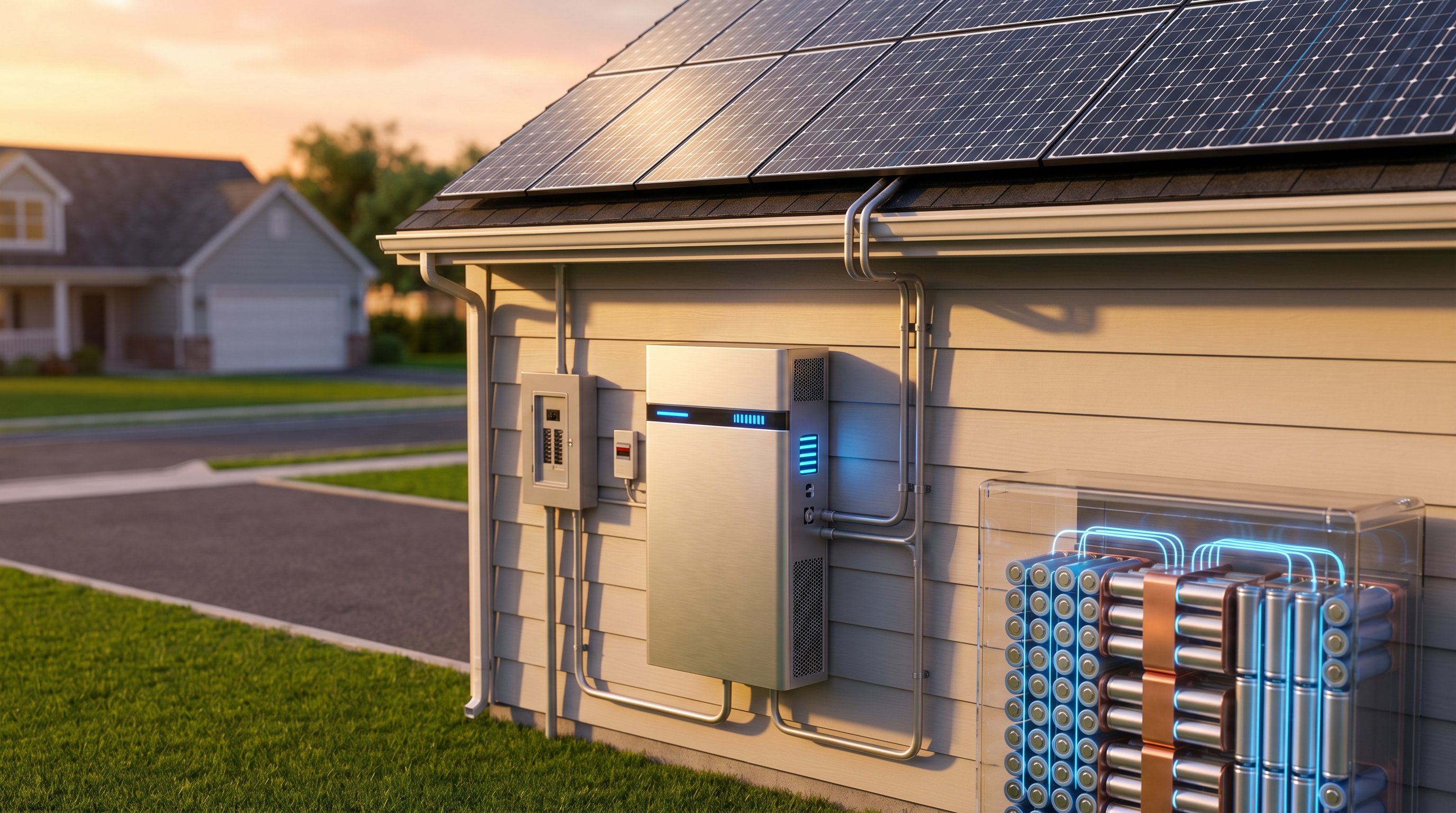
A quality BESS includes lithium battery modules, a battery management system (BMS) to monitor health and safety, and an inverter to convert stored DC power into the AC power your home uses. When paired with solar, you're not just backing up power, you're creating a self-sufficient energy ecosystem that reduces reliance on the utility company.
Typical residential systems range from 5 kWh to 20 kWh in capacity, with many models allowing parallel connection of multiple units for even greater storage. For context, a 10 kWh system can power essential loads (fridge, lighting, Wi-Fi, medical devices) for 8-12 hours, or run a full home for 4-6 hours depending on consumption. Costs generally fall between $5,000 and $15,000, varying by capacity, brand, and installation complexity.
How BESS Integrates with Solar and Grid Power
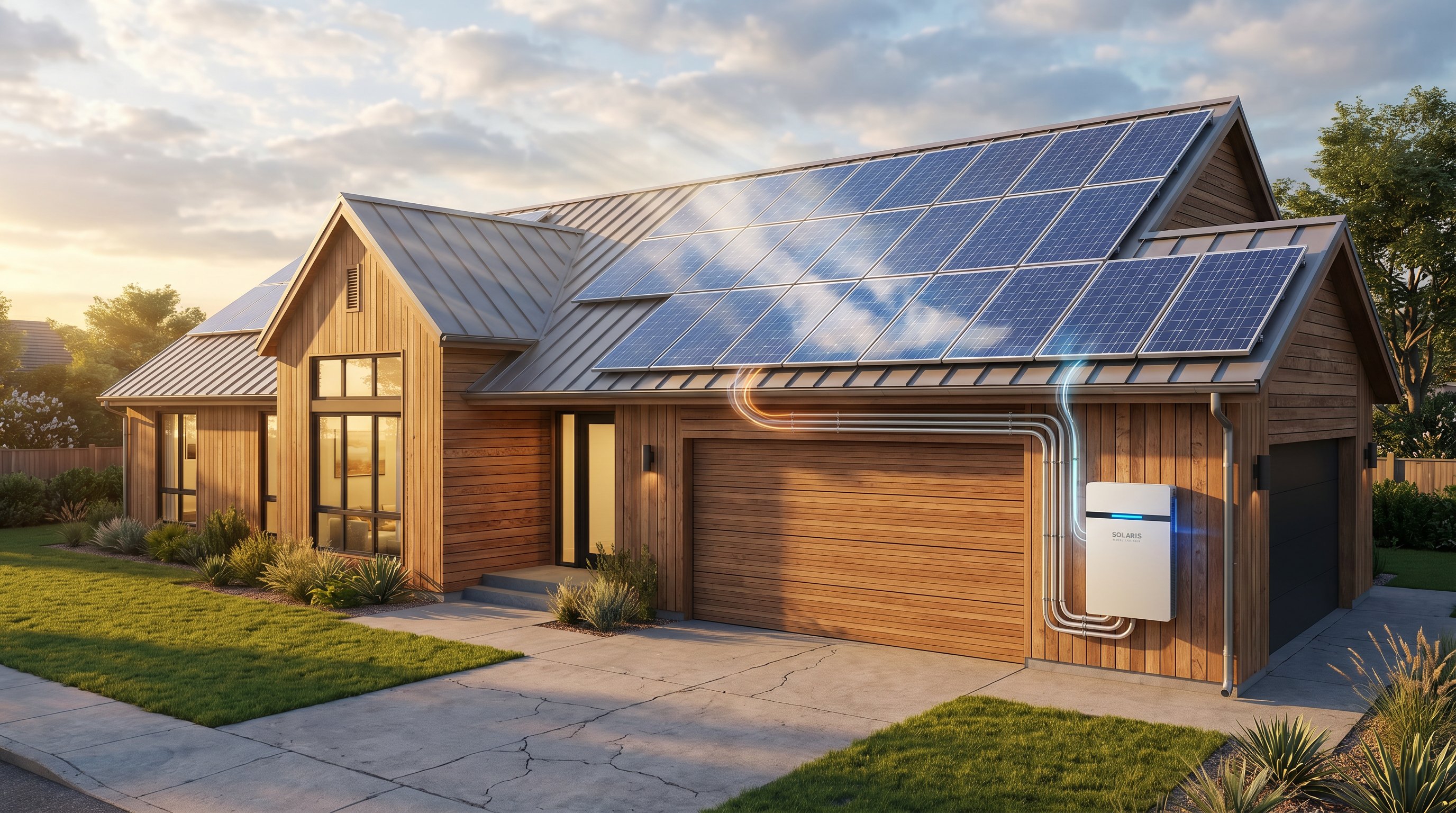
The beauty of a modern BESS is its flexibility. During the day, solar panels generate electricity that powers your home in real-time: any excess energy charges your battery. Once the battery's full, surplus power can either feed back into the grid (if you're grid-tied with net metering) or simply stop charging if you're off-grid.
When the sun sets or the grid fails, the BESS inverter seamlessly switches to battery power. This transition happens in milliseconds, fast enough that your lights don't even flicker. And if you're grid-tied, many systems can intelligently manage energy flows: drawing from the battery during expensive peak hours, recharging overnight when rates are low, and selling excess solar back to the utility.
For off-grid setups, BESS can also integrate with wind turbines or backup generators, creating a true hybrid energy ecosystem. The inverter and BMS orchestrate power sources automatically, prioritizing solar and battery first, then switching to generator power only when needed.
Capacity Requirements for Complete Home Backup
How much battery do you actually need? It depends on what you want to power and for how long. A typical American home uses 25-30 kWh per day, but during an outage, you'll likely prioritize essential loads, refrigerator, lights, heating/cooling, communications, and medical equipment.
- Essential loads only: 5-10 kWh provides 12-24 hours of backup for critical appliances.
- Partial home backup: 10-15 kWh covers essentials plus comfort items like TV, coffee maker, and fans for 8-12 hours.
- Whole-home backup: 15-20 kWh (or more) keeps everything running for 6-10 hours, depending on usage.
Many BESS platforms, including those from pioneers like Humless, allow you to scale up by adding extra battery modules in parallel, up to 10 units in some configurations. This modularity means you can start with a smaller system and expand as your needs (or budget) grow.
2. LiFePO4 Battery Technology: The Gold Standard for Home Backup
Not all lithium batteries are created equal. When it comes to home energy storage, LiFePO4 (lithium iron phosphate) has emerged as the clear leader, outpacing older lead-acid technology and even other lithium chemistries like NMC (nickel manganese cobalt) in safety, lifespan, and reliability.
LiFePO4 batteries are known for their incredible thermal stability, meaning they're far less prone to overheating or thermal runaway, a critical safety feature when you're storing kilowatt-hours of energy inside your home. They also boast a longer cycle life (often 3,000-5,000+ cycles) compared to lead-acid batteries, which typically max out around 500-1,000 cycles. That translates to 8-12 years of dependable use under normal conditions, with minimal maintenance required.
For homeowners, this means lower total cost of ownership, fewer replacements, and more peace of mind. LiFePO4 batteries charge faster, discharge deeper without damage (up to 90-100% depth of discharge), and maintain performance across a wider temperature range than alternatives.
Safety and Longevity Advantages
Safety isn't just a checkbox, it's non-negotiable when you're installing a large battery system in your home. LiFePO4 chemistry is inherently stable, with a phosphate-based cathode that won't combust or release oxygen even under extreme stress. This makes it far safer than cobalt-based lithium batteries, which have made headlines for fire risks in everything from smartphones to electric vehicles.
Longevity is another huge win. A well-designed LiFePO4 BESS can last over a decade with proper battery management. The built-in BMS constantly monitors cell voltage, temperature, and charge state, preventing overcharge, over-discharge, and short circuits. Many manufacturers also offer warranties of 8-12 years or 3,000+ cycles, giving you confidence in your investment.
Why LiFePO4 Outperforms Lead-Acid and Other Lithium Chemistries
Let's be real: lead-acid batteries had their day, but they're clunky, maintenance-heavy, and inefficient by today's standards. They require regular topping-off with distilled water, can't handle deep discharge without damage, and weigh a ton, literally. Their usable capacity is also limited to about 50% depth of discharge, meaning a 10 kWh lead-acid bank only gives you 5 kWh of usable energy.
LiFePO4, by contrast, offers 90-100% usable capacity, weighs far less, and requires zero maintenance beyond occasional firmware updates for the BMS. Compared to NMC or NCA (nickel cobalt aluminum) lithium batteries, LiFePO4 sacrifices a bit of energy density but gains significantly in safety, cycle life, and cost-effectiveness, making it the smarter choice for stationary home storage where space isn't as constrained as it is in an electric car.
If you're investing in energy independence, LiFePO4 is the technology to bet on.
3. Portable Power Stations for Emergency Backup
Portable power stations are the Swiss Army knives of backup power, compact, versatile, and ready to grab and go. While they can't replace a whole-home BESS for extended outages, they're invaluable for short-term emergencies, camping trips, remote work setups, and powering essential devices when the grid fails.
These all-in-one units typically pack a lithium battery (often LiFePO4), an inverter, multiple AC outlets, USB ports, and sometimes even solar charging capability into a suitcase-sized package. Capacities range from 500 Wh for ultra-portable models up to 2,000 Wh or more for heavy-duty units. That's enough to keep your phone, laptop, fridge, and a few lights running for hours, or even days if you're selective.
The appeal? Zero installation, instant portability, and a much lower price point than fixed systems. A good 1,000 Wh portable power station runs $600-$1,200, making it accessible for renters, RV owners, and anyone who wants backup power without committing to a permanent installation.
Best Use Cases for Portable vs. Fixed Systems
So when should you go portable, and when does a fixed BESS make more sense?
Choose a portable power station if:
- You're renting or can't install a fixed system.
- You want backup for camping, tailgating, or off-site work.
- Your main concern is powering a few essential devices during short outages (4-12 hours).
- You need a supplemental backup to a larger system (e.g., keep one in the garage for emergencies).
Choose a fixed BESS if:
- You own your home and want whole-home or extensive backup.
- You're integrating with solar panels for long-term energy independence.
- You need automatic switching and seamless power during outages.
- You want scalability, adding capacity over time as needs grow.
In reality, many homeowners do both. A whole-home BESS handles the heavy lifting during extended outages, while a portable unit provides flexibility for outdoor activities or as a backup-to-the-backup. Think of portable power stations as emergency kits on steroids, and fixed systems as the foundation of true energy resilience.
4. Grid-Tied Battery Systems with Backup Capability
Grid-tied battery systems offer the best of both worlds: reliable backup power during outages and the ability to reduce your electricity bill year-round through smart energy management. These systems remain connected to the utility grid, allowing you to draw power when needed, store excess solar energy, and even sell electricity back to the utility through net metering programs.
Unlike older solar-only grid-tied systems that shut down during outages (a safety feature to protect line workers), modern grid-tied BESS with backup capability can automatically disconnect from the grid and power your home independently. Once power is restored, the system reconnects seamlessly, often without you lifting a finger.
For most homeowners, a grid-tied system with backup strikes the perfect balance between energy independence and practicality. You're not cutting ties with the grid entirely, but you're no longer at its mercy, either.
Automatic Transfer and Seamless Switching
The magic behind grid-tied backup systems is the automatic transfer switch (ATS). When the grid goes down, the ATS detects the outage within milliseconds and isolates your home from the utility lines. Simultaneously, your inverter switches to battery power, keeping your lights on and appliances running without interruption.
This transition is so fast, often under 20 milliseconds, that sensitive electronics like computers and medical devices barely notice. Compare that to a manual transfer switch (common with portable generators), which requires you to physically flip breakers and wait for the generator to start.
Once grid power returns, the ATS verifies stable voltage and frequency, then reconnects your home to the utility and resumes normal operation. If your battery is depleted, it begins recharging immediately from solar or grid power.
Net Metering and Energy Cost Savings
Net metering is one of the most compelling financial benefits of a grid-tied BESS. Here's how it works: when your solar panels produce more electricity than you're using, the excess flows back into the grid. Your utility meter literally runs backward, crediting your account for the energy you've exported.
Depending on your state and utility, these credits can offset your electricity bill dollar-for-dollar (1:1 net metering) or at a reduced rate. Either way, you're turning your roof into a mini power plant and getting paid for it.
Even without solar, grid-tied batteries can save money through time-of-use (TOU) arbitrage. Charge your battery overnight when electricity rates are low, then discharge during expensive peak hours in the afternoon and evening. Over time, these savings add up, often enough to pay back a significant portion of your system cost.
For homeowners in areas with frequent outages and high electricity rates, grid-tied battery systems deliver a double win: energy security plus ongoing cost savings.
5. Off-Grid Battery Solutions for Complete Energy Independence
Going off-grid isn't just for survivalists and remote cabins anymore. With advances in solar, battery, and inverter technology, complete energy independence is achievable for anyone willing to invest in the right system and commit to energy-conscious living.
An off-grid battery solution is designed to power your home 24/7 without any connection to the utility grid. That means your solar panels, batteries, and possibly a backup generator are your only sources of electricity. There's no safety net, if your system's undersized or poorly managed, you're in the dark. But with proper planning, off-grid living offers unparalleled freedom from utility bills, rate hikes, and grid instability.
Off-grid systems typically require larger battery banks than grid-tied setups, often 20-40 kWh or more, to cover nighttime and cloudy-day consumption. You'll also need enough solar capacity to both run your home during the day and recharge your batteries. For most households, that means 5-10 kW of solar panels, depending on location and usage.
Sizing Your Off-Grid System Correctly
Proper sizing is the make-or-break factor for off-grid success. Undersize your system, and you'll face frequent blackouts or have to ration power like it's a wartime economy. Oversize it, and you've spent tens of thousands more than necessary.
Start by calculating your daily energy consumption in kilowatt-hours. Look at your utility bills or use a home energy monitor to track actual usage. Add up all the appliances, lights, HVAC, and devices you plan to run, and multiply their wattage by hours of daily use.
For example:
- Refrigerator: 150W × 24h = 3.6 kWh
- Lights (LED): 100W × 6h = 0.6 kWh
- Laptop + Wi-Fi: 100W × 8h = 0.8 kWh
- Well pump: 500W × 1h = 0.5 kWh
- Washer/dryer: 3,000W × 1h = 3 kWh
Total: ~8.5 kWh/day
Next, factor in autonomy days, how many days you want to run on battery alone without sun. For most climates, 2-3 days of autonomy is reasonable. So 8.5 kWh/day × 3 days = ~25.5 kWh of usable battery capacity.
Since LiFePO4 batteries offer 90-100% usable capacity, a 26-30 kWh battery bank would suffice. Many BESS platforms, including Humless systems, allow you to connect multiple units in parallel, up to 10 units in some cases, so you can scale to 20, 30, or even 50 kWh as needed.
Don't forget solar: aim for 1.5-2× your daily consumption in solar generation to account for inefficiencies, cloudy weather, and seasonal variation. For the example above, that's 12-17 kWh of daily solar production, which typically requires 5-7 kW of installed panels.
6. Hybrid Systems: Solar + Battery + Generator Integration
Hybrid energy systems are the ultimate insurance policy. By combining solar panels, battery storage, and a backup generator, you create a resilient, multi-layered power solution that can handle anything, from sunny days to week-long storms.
In a hybrid setup, solar and batteries do the heavy lifting day-to-day, while the generator serves as a rarely-used safety net for extended cloudy periods or unexpectedly high loads. This approach maximizes the clean, silent benefits of renewable energy while maintaining the reliability of traditional fuel-powered backup.
Hybrid systems are especially popular with off-grid homeowners and those in areas prone to severe weather or unreliable grids. They're also a smart choice for anyone who wants energy independence without the anxiety of relying solely on solar and batteries.
When Generators Complement Battery Storage
Generators shine in a few specific scenarios:
1. Extended outages with limited sun: If you're facing a multi-day outage during winter or heavy cloud cover, your solar panels might not produce enough to keep batteries charged. A generator can kick in to top off your batteries and power high-demand appliances like well pumps or electric heat.
2. High-demand events: Hosting a big gathering? Running power tools? A generator can handle surge loads that would drain your batteries quickly.
3. Battery capacity constraints: If you're working with a smaller battery bank (say, 10 kWh), a generator provides a cost-effective way to extend runtime without buying more batteries.
Modern inverters can intelligently manage hybrid systems, prioritizing solar and battery power first, then automatically starting the generator only when needed. Some setups even use the generator to charge batteries during off-peak hours or when fuel is cheap, maximizing efficiency and minimizing noise.
The key is choosing a quiet, efficient generator sized appropriately for your home. Propane or natural gas models are cleaner and more reliable than gasoline, with longer shelf life and less maintenance. And with the right controls, you can automate the entire process, so the generator only runs when absolutely necessary, preserving fuel and reducing wear.
7. UL Certification and Safety Standards for Home Battery Systems
Safety isn't sexy, but it's absolutely critical when you're storing and discharging thousands of watts of electricity in your home. That's where UL (Underwriters Laboratories) certification comes in, a rigorous, third-party testing standard that ensures your battery system meets strict safety, performance, and reliability criteria.
UL certification isn't just a nice-to-have: in many jurisdictions, it's required for grid interconnection, insurance coverage, and building permits. More importantly, it gives you confidence that your investment has been tested against fire hazards, electrical faults, and environmental stressors.
When shopping for a home battery system, look for certifications like UL 9540 (the main standard for energy storage systems), UL 1973 (for battery safety), and UL 1741 (for inverters and grid interconnection). These aren't just alphabet soup, they represent hundreds of hours of testing and validation by independent experts.
What UL Certifications Mean for Your Investment
UL 9540 is the gold standard for residential and commercial energy storage systems. It evaluates the entire system, batteries, inverter, BMS, enclosure, and controls, for safety under normal and fault conditions. Testing includes fire propagation, thermal runaway, overcharge/over-discharge scenarios, and environmental resilience.
A UL 9540-certified system has been proven to:
- Contain and mitigate thermal events without spreading fire.
- Operate safely across a wide range of temperatures and humidity levels.
- Include fail-safes that shut down the system if a fault.
- Meet electrical code requirements for installation and interconnection.
For homeowners, this means lower insurance premiums, easier permitting, and peace of mind knowing your system won't become a hazard. It also signals that the manufacturer is serious about quality and willing to invest in third-party validation, something fly-by-night brands often skip.
Humless, a pioneer in energy storage since 2010, has built its reputation on UL-certified, safety-first BESS solutions backed by 15+ years of proven reliability. When you're investing five figures in a battery system, that kind of track record matters.
8. Calculating Your Home's Backup Power Needs
Before you buy a battery backup system, you need to know exactly how much power you need and for how long. Get this wrong, and you'll either overspend on excess capacity or find yourself in the dark sooner than expected.
The good news? Calculating your backup power needs isn't rocket science, it just takes a little assignments and honest assessment of your priorities.
Essential Loads vs. Whole-Home Coverage
The first decision is simple but crucial: do you want to power everything during an outage, or just the essentials?
Essential loads typically include:
- Refrigerator/freezer (to prevent food spoilage)
- Lights (LED lighting for safety and comfort)
- Communications (Wi-Fi router, phone chargers)
- Medical equipment (CPAP, oxygen concentrator, etc.)
- Heating/cooling (at least a fan or space heater)
- Sump pump or well pump (if applicable)
For most homes, powering essential loads requires 5-10 kWh of battery capacity and around 2-5 kW of continuous inverter output.
Whole-home coverage adds comfort and convenience:
- All lights and outlets
- HVAC system (central air or heat)
- Kitchen appliances (microwave, coffee maker, stove if electric)
- Entertainment (TV, gaming consoles)
- Laundry (washer/dryer)
Whole-home backup typically needs 15-25 kWh of battery capacity and 5-10 kW of inverter output, depending on home size and usage patterns.
The trade-off is cost. A 10 kWh system might run $7,000-$10,000, while a 20 kWh system pushes $12,000-$18,000. For most homeowners, starting with essential loads and adding capacity later (if the system is modular) is the smart financial move.
Runtime Expectations by System Size
How long will your battery last during an outage? It depends on your load.
Here's a rough guide:
| Battery Capacity | Essential Loads (~500-1,000W) | Partial Home (~1,500-2,000W) | Whole Home (~2,500-3,500W) |
|---|---|---|---|
| 5 kWh | 5-10 hours | 2-3 hours | 1-2 hours |
| 10 kWh | 10-20 hours | 5-7 hours | 3-4 hours |
| 15 kWh | 15-30 hours | 7-10 hours | 4-6 hours |
| 20 kWh | 20-40 hours | 10-13 hours | 6-8 hours |
Keep in mind that actual runtime varies based on temperature (batteries lose capacity in extreme cold), appliance efficiency, and usage patterns. A 10 kWh battery won't power a central air conditioner all day, but it can keep your fridge, lights, and fans running comfortably for 12+ hours.
If you're pairing your battery with solar, your runtime effectively becomes unlimited during daylight hours. The battery only kicks in at night or during heavy cloud cover, dramatically extending your backup window.
9. Installation and Professional Integration Services
Even the best battery system is useless if it's installed incorrectly. Proper installation requires electrical expertise, knowledge of local codes, and experience integrating batteries with solar panels, inverters, and home electrical systems. This isn't a DIY job, at least not for most homeowners.
Professional installation ensures your system is safe, compliant, and optimized for performance. It also protects your warranty: many manufacturers require certified installation to honor coverage. And in most jurisdictions, permits and inspections are mandatory for any energy storage system connected to your home's electrical panel.
The good news? Many battery manufacturers, including Humless, offer plug-and-play designs that simplify installation and reduce labor costs. But even "simple" systems benefit from professional expertise, especially when integrating with solar arrays or configuring advanced features like time-of-use optimization and backup load management.
Working with Certified Solar Installers
When choosing an installer, look for:
1. Certification and licensing: NABCEP (North American Board of Certified Energy Practitioners) certification is the gold standard for solar and battery installers. State-level electrical licenses are also essential.
2. Experience with your specific system: Not all installers are familiar with every brand or technology. Ask how many systems like yours they've installed, and request references.
3. Comprehensive service: The best installers handle permitting, inspections, utility interconnection paperwork, and post-installation support. One-stop shops save you time and headaches.
4. Transparent pricing: Get detailed quotes that break out equipment, labor, permits, and any additional components (panels, wiring, transfer switches). Watch out for lowball bids that skip essentials.
5. Ongoing support: Installation is just the beginning. Does your installer offer monitoring, maintenance, or troubleshooting services? Can they add capacity or upgrade components down the road?
If you're buying directly from a manufacturer like Humless, ask about their installer network and integration support. Many brands maintain partnerships with certified installers nationwide, streamlining the process and ensuring quality. And with 24/7 support backed by 15+ years of industry experience, Humless customers have access to expert guidance from purchase through installation and beyond.
10. Long-Term Value: Warranty, Support, and System Lifespan
A battery backup system is a long-term investment, one you'll rely on for a decade or more. That's why warranty coverage, manufacturer support, and overall system lifespan are just as important as upfront cost and capacity.
Cheap systems from unknown brands might save you money today, but they'll cost you dearly if they fail prematurely or leave you stranded without support. In contrast, established manufacturers with robust warranties and responsive customer service deliver peace of mind and superior total cost of ownership.
What to Look for in Manufacturer Support
When evaluating a battery system, ask these critical questions:
1. What's the warranty? Look for at least 8-10 years or 3,000+ charge cycles for LiFePO4 systems. Some premium brands offer 12-year warranties or longer. Make sure the warranty covers both the battery cells and the electronics (inverter, BMS).
2. What does the warranty actually cover? Is it a full replacement warranty, or prorated? Does it cover labor and shipping, or just parts? Read the fine print.
3. How responsive is customer support? Can you reach a real human when you need help, or are you stuck with email-only support and three-day response times? Premium brands like Humless offer 24/7 support, ensuring you're never left in the dark, literally.
4. Is remote monitoring included? The best systems include cloud-based monitoring that lets you (and the manufacturer) track performance, diagnose issues, and even push firmware updates remotely. This proactive support can prevent problems before they become outages.
5. Can the system be expanded or upgraded? Energy needs change over time. A modular, scalable system, like Humless's BESS platforms, which support up to 10 units in parallel, lets you grow your capacity without replacing everything.
6. What's the company's track record? Fly-by-night solar startups come and go. Look for manufacturers with a proven history, ideally 10+ years in the industry. Humless, a pioneer in energy storage since 2010, has weathered industry ups and downs and continues to innovate with UL-certified, cutting-edge technology.
Finally, consider total lifespan. A quality LiFePO4 BESS should deliver 8-12 years of reliable service with minimal maintenance. Over that span, you'll recoup your investment through utility bill savings, increased home value, and avoided generator fuel costs, not to mention the priceless peace of mind during every storm and outage.
Conclusion
Battery backup for home power outage protection has evolved from a luxury to a practical necessity for homeowners serious about energy independence, cost savings, and resilience. Whether you choose a whole-home BESS, a portable power station, or a hybrid system with solar and generator integration, the right solution depends on your unique needs, budget, and long-term goals.
LiFePO4 battery technology sets the gold standard for safety, longevity, and performance, while UL certification ensures your investment meets rigorous safety standards. And with options ranging from grid-tied systems with net metering benefits to fully off-grid solutions, there's a battery backup strategy for every homeowner, from suburban families to remote property owners.
The key is planning ahead: calculate your backup power needs honestly, size your system correctly, work with certified installers, and invest in a reputable brand with strong warranty and support. Humless, a pioneer in energy storage since 2010, delivers industry-leading BESS solutions backed by 15+ years of proven reliability, 24/7 support, and seamless integration with solar, grid, and generator power sources.
Power outages are inevitable. Your response doesn't have to be. Take control of your energy future today, and enjoy the freedom, savings, and peace of mind that come with true energy independence.
Frequently Asked Questions
What is a battery backup for home power outage and how does it work?
A battery backup system stores electricity from solar panels or the grid, then automatically releases it during outages. Modern systems use lithium batteries, inverters, and battery management systems to seamlessly switch to backup power within milliseconds when the grid fails.
How much does a whole-home battery backup system cost?
Whole-home battery energy storage systems typically cost between $5,000 and $15,000, depending on capacity, brand, and installation complexity. Systems range from 5 kWh to 20 kWh, with modular options allowing future expansion.
Why is LiFePO4 battery technology better for home backup power?
LiFePO4 batteries offer superior safety with thermal stability, longer lifespan of 8-12 years, 90-100% usable capacity, and minimal maintenance. They outperform lead-acid batteries and other lithium chemistries in reliability, cycle life, and cost-effectiveness for home energy storage.
How long will a 10 kWh battery backup power my home during an outage?
A 10 kWh battery can power essential loads like refrigerator, lights, and Wi-Fi for 10-20 hours, or run a partial home for 5-7 hours. Whole-home coverage typically lasts 3-4 hours, depending on usage and appliances running.
Can I add more battery capacity to my system later?
Yes, many modern battery backup systems are modular and scalable. Quality platforms allow you to connect multiple battery units in parallel—some supporting up to 10 units—so you can start small and expand as your energy needs or budget grows.
Do home battery backup systems require special permits or certifications?
Most jurisdictions require permits and inspections for battery backup installations. Look for UL 9540 and UL 1973 certifications, which ensure safety standards are met and are often required for grid interconnection, insurance coverage, and warranty protection.