Energy independence isn't just a buzzword anymore, it's becoming a practical reality for homeowners across the country. With utility rates climbing and grid reliability becoming less predictable, more people are turning to integrated solar and battery systems to take control of their power. In fact, battery storage adoption has tripled since 2018, and the trend shows no signs of slowing. Whether you're looking to slash your electric bills, keep the lights on during outages, or simply reduce your reliance on the grid, pairing solar panels with battery storage offers a compelling solution that's more accessible than ever.
Key Takeaways
- Home solar and battery systems eliminate wasted energy by storing excess daytime production for use during peak evening hours, delivering both lower bills and greater control over energy consumption.
- Battery storage transforms solar panels from a solid investment into a powerful energy independence solution, especially as utility buyback rates decline and grid outages become more frequent.
- A properly sized home solar and battery system can provide whole-home backup power during outages—covering essential appliances at 10-20 kWh or major loads like air conditioning at 20-40+ kWh capacity.
- The federal clean energy tax credit covers 30% of total system costs, and many utilities offer additional rebates, making battery installations between $5,000-$10,000 significantly more affordable than the sticker price suggests.
- Battery chemistry matters: LiFePO4 (lithium iron phosphate) technology provides superior safety, longer lifespan, and better temperature tolerance compared to other lithium options for reliable long-term performance.
Why Combine Solar Panels with Battery Storage?
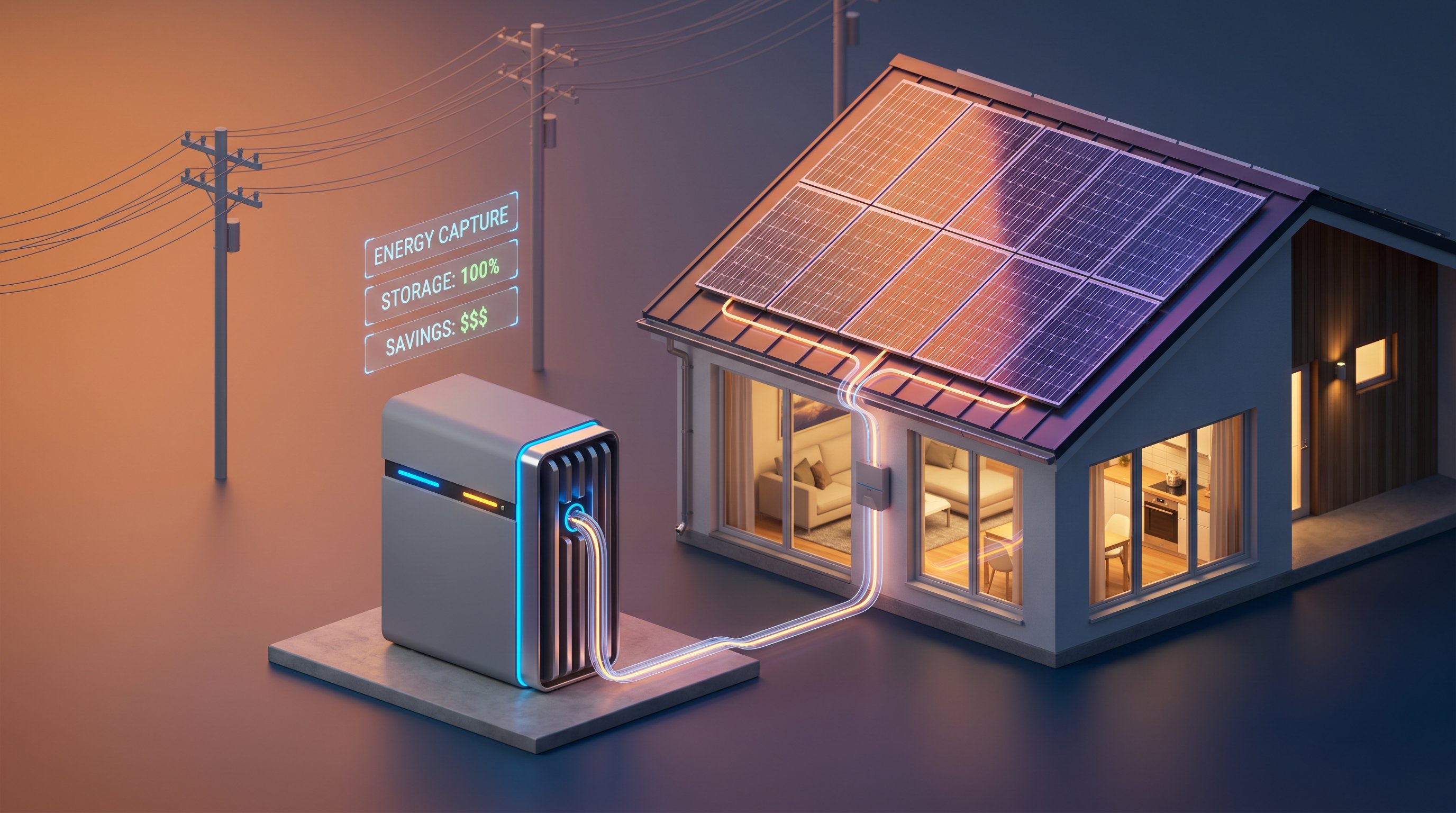
Solar panels alone are a solid investment, but adding battery storage transforms them into something far more powerful. Here's the thing: without a battery, excess energy your panels produce during sunny afternoons typically gets sent back to the grid, often at rates that barely move the needle on your bill.
Modern net metering policies like California's NEM 3.0 have changed the game dramatically. Utility buyback rates for excess solar energy have dropped significantly, meaning you're essentially giving away your surplus power for pennies on the dollar. Battery storage flips this equation by capturing that excess energy instead of exporting it.
Think of it this way: your solar panels are doing their best work in the middle of the day when you might not need much electricity. But come evening when you're cooking dinner, running the AC, and everyone's home streaming shows, your panels aren't producing anymore. That's when batteries shine, literally. They store the midday surplus so you can use your own clean energy during peak evening hours when grid electricity costs the most.
Beyond economics, there's the reliability factor. Grid outages don't care about your schedule, and in many regions they're becoming more frequent. A battery-backed solar system means you're not left in the dark when the grid goes down. You've got your own miniature power plant right at home, ready to keep essential systems running without skipping a beat.
How Home Solar and Battery Systems Work Together
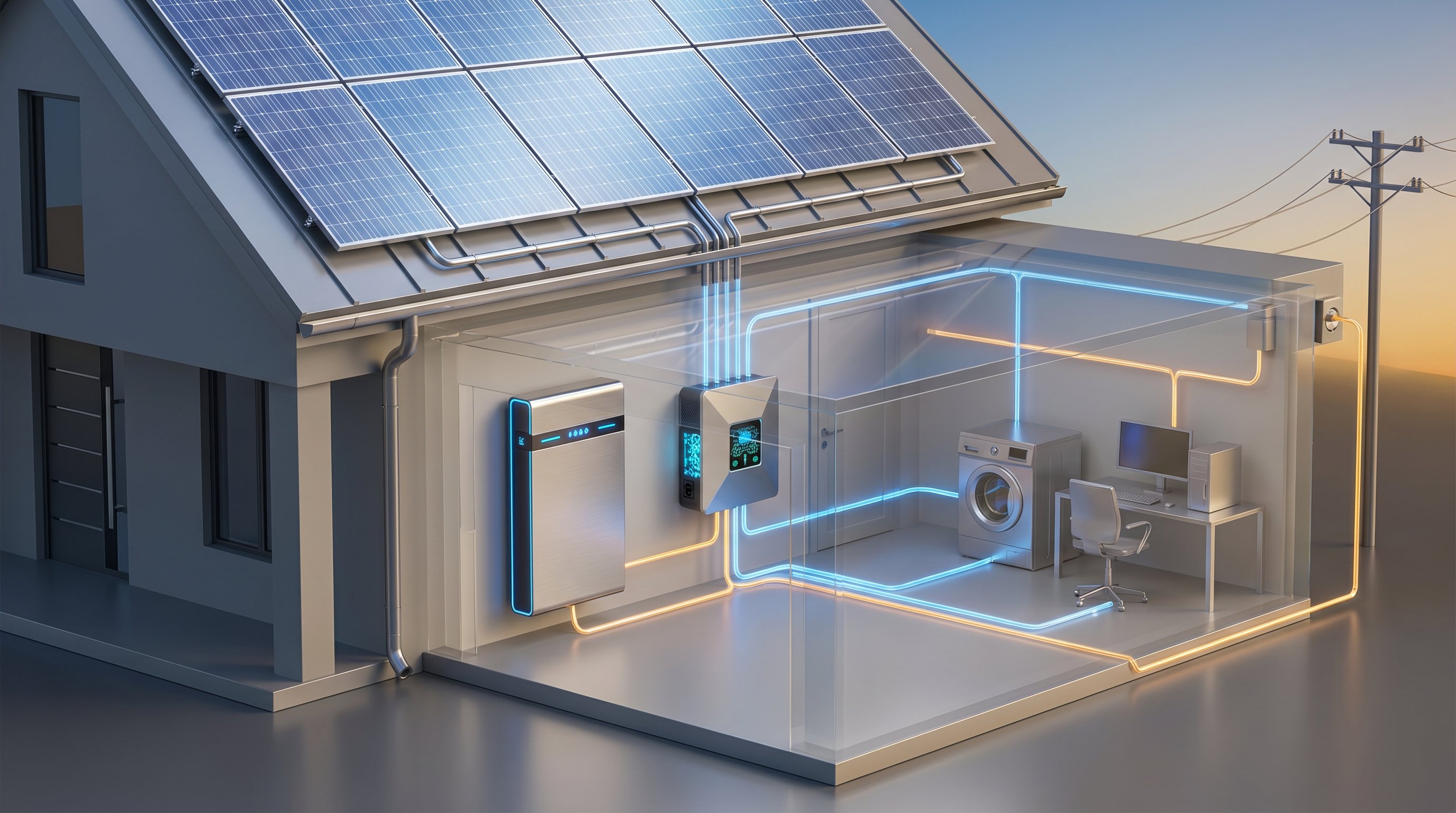
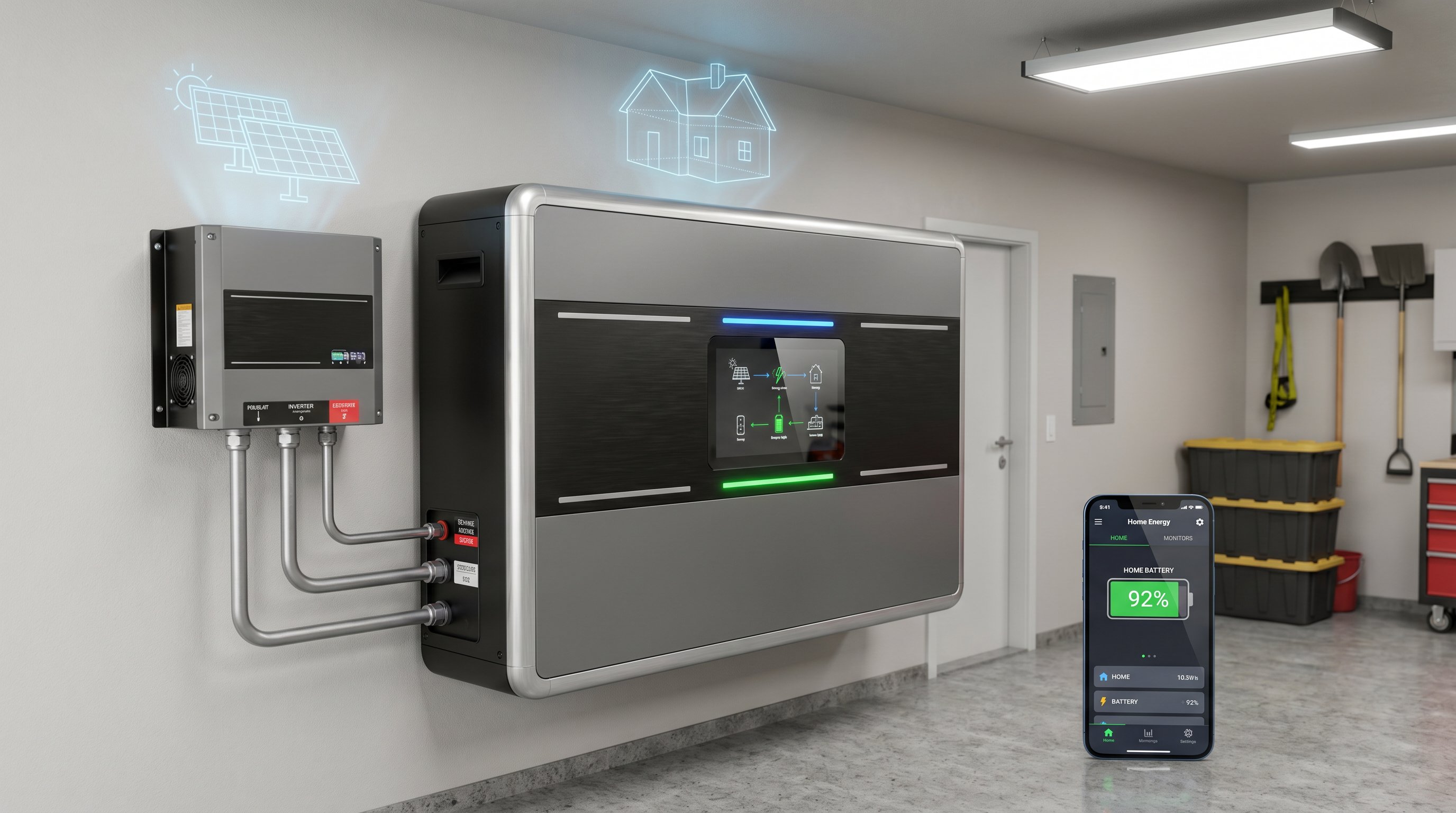
The beauty of integrated solar and battery systems lies in their intelligent coordination. When your solar panels generate electricity, that power flows through an inverter (which converts DC to AC power your home can use) and then splits along several possible paths depending on your needs at that moment.
If your home is actively using electricity, say you're running the washing machine and have the computer on, the solar power goes directly to those appliances first. This is the most efficient path because there's no energy loss from storage and retrieval.
When your panels produce more than you're currently using, the excess energy gets directed to charge your battery system. The battery essentially acts as a reservoir, storing that surplus until you need it later. Modern battery energy storage systems use sophisticated software to manage this process automatically, optimizing when to charge, when to discharge, and when to pull from the grid.
Once your battery reaches full capacity and you're still generating excess solar energy, only then does the surplus go to the grid (assuming you have a grid-tied system). But here's where the integration really matters: during evening hours or cloudy days when your panels aren't producing enough, your battery kicks in automatically to cover the shortfall. You're seamlessly using stored solar energy instead of buying expensive grid electricity.
This intelligent orchestration gives you unprecedented control over your energy consumption patterns. You can program the system to prioritize battery use during peak pricing hours, preserve battery capacity for potential outages, or customize the behavior based on your specific needs and utility rate structure.
Key Benefits of Integrated Solar and Battery Solutions
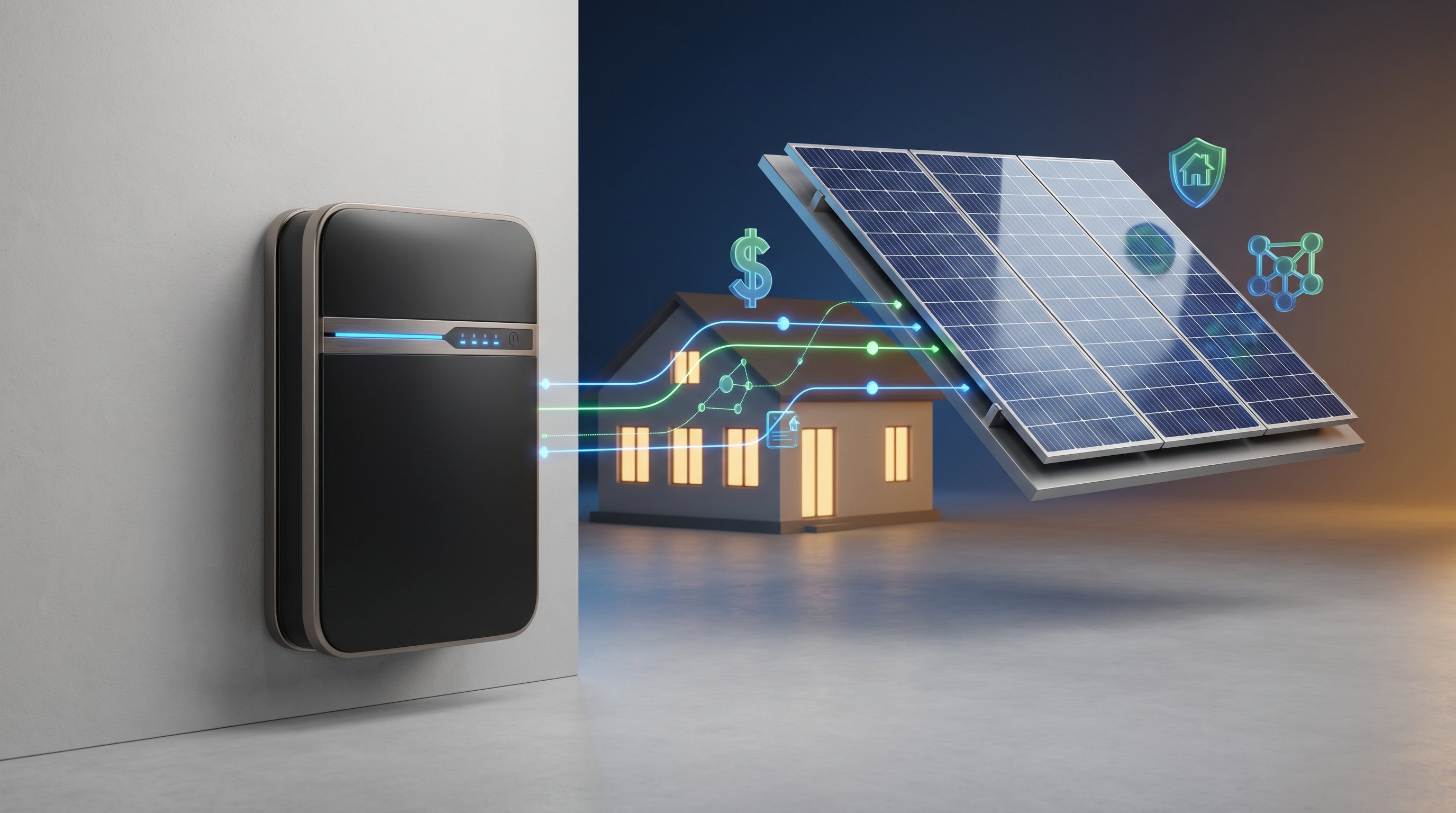
The advantages of pairing solar with batteries extend far beyond the obvious environmental benefits. Let's break down what this combination actually delivers for homeowners and businesses.
First, there's the optimization angle. An integrated system maximizes every watt your panels produce by ensuring nothing goes to waste. You're using more of your own clean energy and purchasing less from the utility, which translates directly to lower monthly bills. In regions with time-of-use electricity rates, this optimization becomes even more valuable as you can strategically deploy stored energy during the most expensive hours.
Reliability is another major factor that can't be overstated. Solar systems with battery backup provide dependable power regardless of weather conditions, utility price spikes, or grid instability. You're essentially insulated from the variables that make traditional grid-only power unpredictable.
The adoption numbers tell the story: in 2023, about 13% of residential solar installations included battery storage, a percentage that's tripled since 2018. Industry projections suggest this figure will double again by 2028 as technology improves and costs continue declining. Homeowners are clearly recognizing the value proposition.
Energy Independence and Backup Power
This is where solar and battery systems really earn their keep. Battery storage delivers genuine energy independence from your utility company while providing critical backup power when the grid fails. And we're not talking about just keeping a few lights on, modern systems can handle serious loads.
A properly sized battery system can power your entire home during an outage. The scope of your backup protection depends on storage capacity. Systems in the 10-20 kWh range typically handle partial home backup, covering essential appliances like your refrigerator, computer, TV, and critical lighting. Step up to 20-40+ kWh, and you're looking at whole-home backup that includes energy-intensive loads, air conditioning, dishwasher, well pumps, electric vehicle charging, you name it.
Companies like Humless have pioneered battery energy storage systems specifically designed to deliver this level of energy independence, with over 15 years of proven reliability backing their technology. Their systems seamlessly integrate with solar, grid, wind, and even generator power sources, giving you multiple pathways to energy security.
Cost Savings and Grid Flexibility
Let's talk dollars and cents. Home battery installations typically run between $5,000 and $10,000 per battery unit, including hardware and professional installation. That might sound steep initially, but government incentives dramatically improve the economics.
The federal clean energy tax credit covers 30% of your total system cost, batteries included, which immediately knocks thousands off the price tag. Many utilities also offer rebates for battery installations as they recognize the grid-stabilizing benefits of distributed storage. When you stack these incentives, the out-of-pocket cost becomes much more manageable.
California provides a compelling case study in adoption economics. After net metering policy changes reduced solar export compensation, battery adoption jumped from just 10% to 60% of new solar installations. Homeowners quickly realized that storing energy for self-consumption delivered better financial returns than sending it to the grid for minimal credit.
Grid flexibility is the hidden benefit many people don't consider initially. Your battery system can respond to price signals, utility programs, and even participate in virtual power plant initiatives that compensate you for providing grid services. You're not just saving money, you're potentially earning it while contributing to a more resilient energy infrastructure.
Choosing the Right Battery Energy Storage System for Your Home
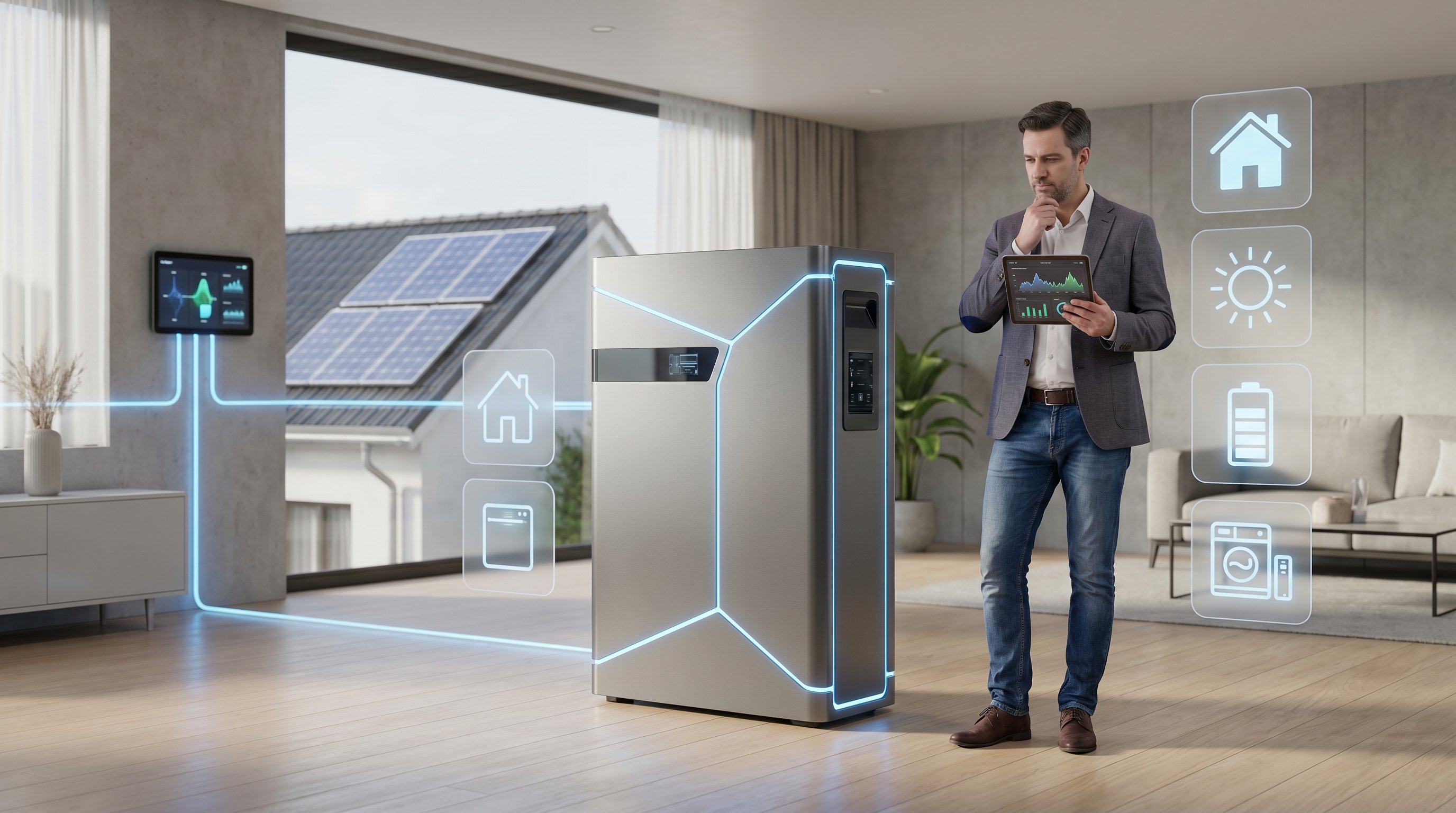
Selecting the right battery isn't a one-size-fits-all proposition. Your ideal system depends on several interconnected factors that need to be evaluated together.
Start with your energy consumption patterns. Pull a few months of utility bills and look at your daily and monthly usage. When are your peak consumption times? How much solar energy are you currently exporting versus self-consuming? These baseline numbers inform everything else.
Your solar system size matters significantly. A larger solar array produces more excess energy available for storage, which means you can justify a bigger battery. Conversely, if your solar system barely covers daytime consumption, a massive battery won't have much to store.
Household size and lifestyle play crucial roles too. A family of five with electric vehicle charging needs has completely different requirements than a retired couple in a modest home. Be honest about your actual energy usage rather than aspirational minimums.
Regional weather patterns shouldn't be overlooked. Areas with frequent cloudy periods benefit from larger battery reserves to bridge multi-day solar production gaps. Meanwhile, consistently sunny regions can get away with smaller systems since recharge cycles are reliable.
Battery chemistry deserves attention as well. LiFePO4 (lithium iron phosphate) batteries offer superior safety profiles, longer lifespans, and better temperature tolerance compared to other lithium chemistries. Humless BESS systems use UL-certified LiFePO4 technology specifically because it delivers the reliability and longevity serious energy independence requires.
Consulting with experienced solar and storage professionals is invaluable for this assessment. They'll evaluate your specific situation and provide customized recommendations rather than pushing a predetermined package. Many companies offer complimentary quotes and energy assessments to help you make an well-informed choice.
Installation and Integration Considerations
Once you've selected your system, proper installation and integration determine whether you actually achieve the promised benefits. Modern battery technology has simplified this process considerably, but there are still important considerations.
Integrated systems like Tesla's Powerwall feature built-in solar inverters, which reduces component count and installation complexity. Fewer parts means fewer potential failure points and generally faster installation times. Self-contained units also make multi-battery systems more affordable since you're not duplicating expensive control electronics.
Future expansion deserves thought during initial installation. Will you likely add more solar panels or batteries down the road? Designing with expansion in mind from the start avoids costly retrofits later. Modular systems excel here, you can add capacity as needs grow or budgets allow without ripping out existing infrastructure.
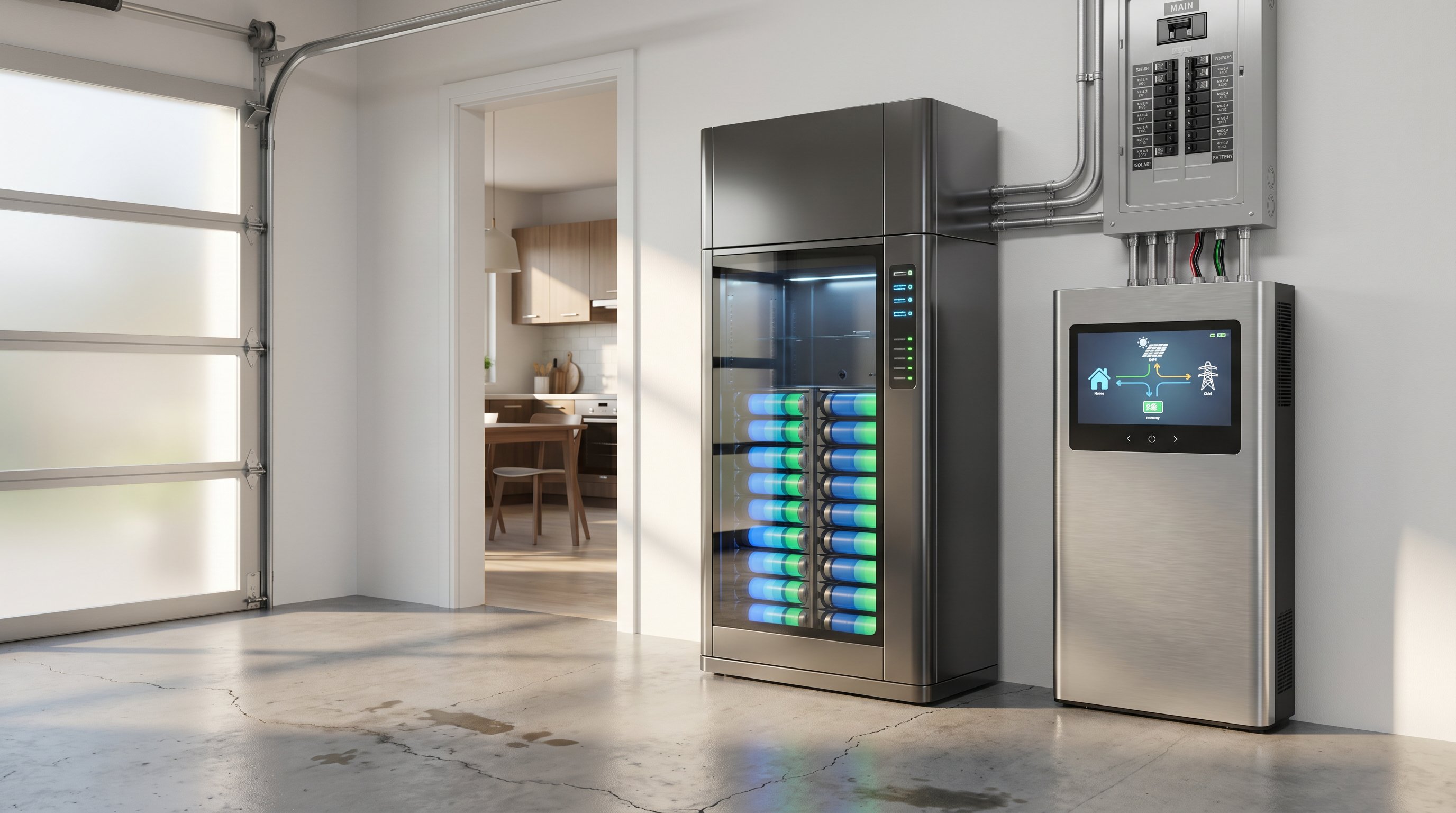
Electrical panel capacity often becomes the limiting factor in battery installations. If your main panel is already maxed out, you might need an upgrade or sub-panel addition to accommodate the battery system. A thorough site assessment catches these issues before installation day.
Permitting and interconnection requirements vary by jurisdiction and utility. Some regions have streamlined processes for solar-plus-storage, while others still treat batteries as novel additions requiring extensive review. Working with installers who know local regulations prevents frustrating delays.
Professional assessment is non-negotiable for optimal results. An experienced installer evaluates your existing solar system (if applicable), electrical infrastructure, physical space constraints, and performance goals to design an integrated solution that actually works as promised. Companies with established track records, like Humless, which has been pioneering energy storage since 2010, bring valuable expertise to ensure your system is properly sized and seamlessly integrated for years of reliable operation.
Frequently Asked Questions About Home Solar and Battery Systems
Why should I add battery storage to my home solar system?
Battery storage captures excess solar energy that would otherwise be sent to the grid at reduced rates, especially under policies like NEM 3.0. This allows you to use more of your own clean energy during peak evening hours when electricity costs are highest, maximizing both savings and energy independence.
How much does a home solar and battery system cost?
Battery installations typically cost $5,000–$10,000 per unit, including hardware and installation. However, the federal clean energy tax credit covers 30% of total system costs, and many utilities offer additional rebates, significantly reducing your out-of-pocket expense.
What size battery do I need for whole-home backup power?
A 20–40+ kWh battery system provides whole-home backup, covering energy-intensive loads like air conditioning, electric vehicle charging, and well pumps. For essential appliances only, a 10–20 kWh system is typically sufficient during outages.
How do solar panels and batteries work together automatically?
Your solar system intelligently prioritizes power flow: first to your home's immediate needs, then to charge the battery with excess energy, and finally to the grid if the battery is full. Modern software automatically optimizes charging and discharge times based on your usage patterns and utility rates.
Is solar and battery adoption growing among homeowners?
Yes, residential solar installations with battery storage increased from 10% in 2018 to 13% in 2023 and are projected to reach 26% by 2028. Homeowners recognize the financial and reliability benefits as costs decline and incentives improve.
What factors should I consider when choosing a battery energy storage system?
Evaluate your energy consumption patterns, solar system size, household size, peak usage times, and regional weather patterns. Consulting with solar professionals for a customized assessment ensures your battery is properly sized for your specific situation and future expansion needs.