Energy independence isn't just a buzzword anymore, it's becoming a practical reality for thousands of homeowners. With grid instability on the rise and utility rates climbing year after year, more people are turning to home solar and battery systems to take control of their power supply. These integrated systems don't just generate electricity: they store it, manage it, and keep your home running even when the grid goes dark. Whether you're tired of outages, want to slash your energy bills, or dream of going completely off-grid, understanding how solar and battery storage work together is your first step toward true energy autonomy.
Key Takeaways
- Home solar and battery systems combine renewable generation with intelligent energy storage to provide grid independence, backup power during outages, and significantly lower utility bills.
- DC-coupled systems offer 4-6% higher efficiency for new installations, while AC-coupled systems provide convenient flexibility and easier integration with existing solar panels.
- Battery capacity should be sized to cover 95-98% of your annual electricity needs, with careful attention to evening peak usage when solar panels aren't producing power.
- LiFePO4 lithium batteries dominate the market for their superior safety, longevity exceeding 10,000 cycles, and reliable performance across temperature ranges.
- Grid-tied systems provide cost-effective energy independence while maintaining utility backup, whereas off-grid systems require larger battery capacity but offer complete autonomy.
- Federal tax credits currently covering 30% of installation costs, combined with long-term utility savings and protection against rising rates, make solar and battery systems an increasingly affordable investment in home resilience.
What Are Home Solar and Battery Systems?
Home solar and battery systems combine solar panels with energy storage technology to produce, store, and intelligently manage electricity for your home. Think of it as your personal power plant, one that captures sunlight during the day and saves it for when you actually need it most.
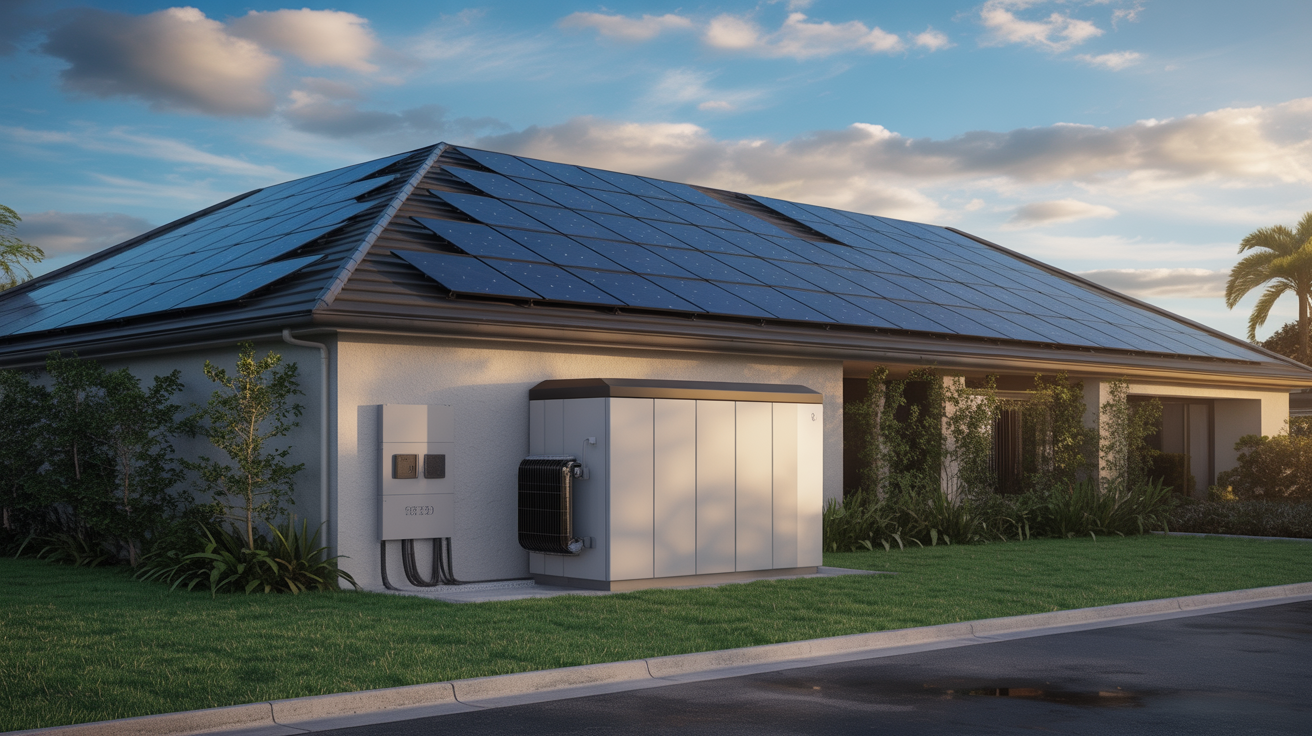
These systems typically include several key components working in harmony: solar panels mounted on your roof or property, battery units (often installed in a garage or utility room), an inverter that handles power conversion, an energy management system that orchestrates everything, and monitoring software so you can track production and usage from your phone.
The beauty of this setup? You're not just generating power, you're building a resilient energy ecosystem. The battery system stores excess energy from your solar panels or can even draw from the grid during off-peak hours when rates are lower. Meanwhile, the inverter acts as the translator, converting electricity into the exact format your appliances need.
How Solar Panels and Battery Storage Work Together
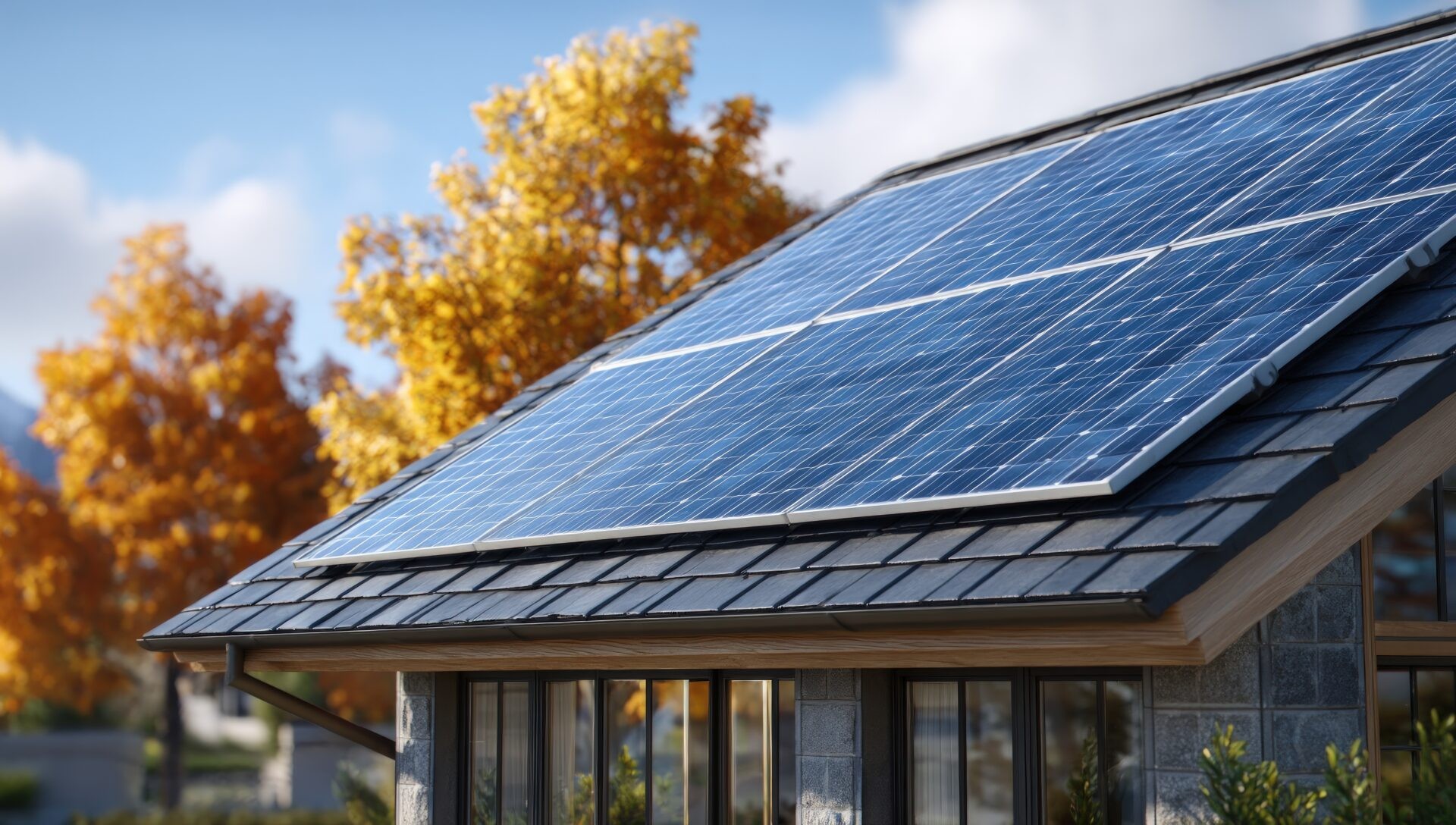
Here's where the magic happens. Solar panels generate direct current (DC) electricity when sunlight hits their photovoltaic cells. That DC power flows through your inverter, which converts it to alternating current (AC), the type of electricity your refrigerator, TV, and air conditioner actually use.
But what happens when your panels are cranking out more power than you're using? That's where battery storage comes in. Excess solar energy gets routed to your batteries instead of being wasted or immediately sent to the grid. Later, when the sun sets or clouds roll in, your home draws from those charged batteries rather than pulling expensive power from the utility.
This integration creates continuous power availability. During peak rate periods (usually evenings when everyone's cooking dinner and running AC), you're using your stored solar energy instead of grid power. And if the grid goes down? Your system switches over automatically, keeping your lights on while your neighbors are fumbling for flashlights. Companies like Humless have been perfecting this seamless integration since 2010, with battery energy storage systems designed specifically to work with solar, grid, wind, and even generator inputs.
Key Benefits of Combining Solar with Battery Storage
Solar panels alone are great, but adding battery storage transforms a good system into an exceptional one. Here's what you gain:
True grid independence. You're not just generating power, you're controlling when and how you use it. This dramatically reduces your reliance on utility companies and gives you real energy autonomy. No more cringing when rate hikes show up in your mailbox.
Serious cost savings. Under newer billing structures like California's NEM 3.0, the value of solar energy you send back to the grid has dropped significantly. Battery storage lets you maximize savings by using your solar power directly rather than selling it cheap and buying it back expensive.
Automatic, silent backup power. When the grid fails, traditional generators kick on with noise, exhaust, and a delay. Battery systems? They take over within seconds, so seamlessly that your clocks don't reset and your Wi-Fi doesn't drop. You might not even notice the power went out.
Renewable backup that recharges itself. Unlike a gas generator that needs refueling, your solar panels recharge your batteries every sunny day. This provides truly renewable backup power that can sustain you through multi-day outages without a trip to the gas station.
Long-term resilience. As climate events and aging infrastructure make grid instability more common, having your own power reserve isn't luxury, it's smart planning. You're future-proofing your home against an increasingly unpredictable energy landscape.
Choosing the Right Battery Technology for Your Home
Not all battery systems are created equal, and picking the right setup depends on whether you're starting fresh or adding storage to existing solar.
AC-coupled systems are your best bet if you already have solar panels installed. These systems convert energy multiple times (DC to AC and back), which sounds inefficient but actually offers tremendous flexibility. You can add battery storage without replacing your existing solar inverter, and future upgrades or expansions are straightforward. The slight efficiency loss is usually worth the convenience and cost savings of working with what you've got.
DC-coupled systems shine in new installations where you're designing everything from scratch. DC electricity flows directly from your solar panels into the batteries without conversion, then gets converted to AC only once when you use it. This reduces energy loss and improves overall system efficiency, typically by 4-6%. If you're building new or doing a complete overhaul, DC coupling is the way to go.
As for battery chemistry, lithium-ion and particularly lithium iron phosphate (LiFePO4) dominate the residential market for good reason. LiFePO4 batteries offer exceptional safety profiles (they won't catch fire like older lithium chemistries), long lifespans often exceeding 10 years or 10,000 cycles, and reliable performance across temperature ranges. Humless systems, for instance, use UL-certified LiFePO4 technology that's been field-tested for over 15 years in residential and commercial applications.
System Sizing: Matching Your Energy Needs
Getting your system size right is crucial, go too small and you'll still rely heavily on the grid: go too big and you've wasted money on capacity you'll never use.
Start by examining your daily energy consumption. Pull up a few months of utility bills and look at your average daily usage in kilowatt-hours (kWh). Pay special attention to your evening peak usage, that's when solar panels aren't producing but your home is drawing the most power.
Next, consider your solar system capacity. How much surplus generation do you typically have on sunny days? That excess is what feeds your batteries. If your solar array barely meets daytime demand, you'll need a different sizing strategy than someone whose panels regularly produce more than they use.
Then think about backup power requirements. Do you need to keep your entire home running during an outage, or just critical circuits like your refrigerator, internet router, a few lights, and maybe a medical device? Whole-home backup requires significantly more battery capacity, and costs more upfront.
Energy capacity is measured in kWh and directly determines how many hours of backup you get. A 10 kWh battery powering a home using 1 kW will last roughly 10 hours: the same battery supporting 2 kW of demand only lasts 5 hours.
A well-sized system should cover 95-98% of your electricity needs over the course of a year, dramatically cutting your utility bills while still maintaining a grid connection for those rare circumstances when demand exceeds production and storage.
Installation Considerations and Costs
Home battery systems integrate directly into your existing electrical infrastructure, which means professional installation is essential. The battery unit connects to your home's main electrical panel, allowing stored power to flow to every outlet and appliance just like grid electricity.
Location matters. Most batteries get installed in garages, basements, or utility rooms, somewhere protected from extreme temperatures but accessible for maintenance. Some systems are outdoor-rated, but indoor installation generally extends lifespan and performance.
Permitting and inspection are part of the process. Your installer will handle local building permits and utility interconnection agreements. Expect your utility company to inspect the system before giving approval for operation, especially if you're connecting to the grid.
As for costs, battery storage represents a significant but increasingly affordable investment. Prices have dropped considerably over the past five years, though total system cost varies based on capacity, technology, and installation complexity. Federal tax credits (currently 30% for solar and battery systems installed together) help offset upfront expenses. Many homeowners find that long-term savings on utility bills, combined with the value of backup power and energy independence, justify the initial investment.
Think of it as future-proofing. You're not just buying batteries, you're building energy resilience that protects you from rising utility rates, grid instability, and the growing frequency of power disruptions.
Grid-Tied vs. Off-Grid Solar Battery Systems
The final big decision: stay connected to the utility grid or cut the cord entirely?
Grid-tied systems maintain your connection to utility power while adding solar and battery storage. Excess energy you don't use or store can flow back to the grid (often earning you credits), and you can still draw grid power during extended cloudy periods or unusually high demand. This gives you the best of both worlds, independence when you want it, backup when you need it. As of 2023, about 13% of residential solar installations included battery storage, and that number's expected to double by 2028 as more homeowners recognize the value.
Grid-tied setups work especially well in areas with reliable grid power but high electricity rates or occasional outages. You're hedging your bets, reducing costs, and building resilience without completely abandoning the utility safety net.
Off-grid systems, on the other hand, operate completely independently. No connection to utility power at all. This requires larger battery capacity to cover multiple days of autonomy, typically 3-7 days depending on your climate and backup generation options. You'll also need an oversized solar array to ensure adequate charging even during winter months with shorter days.
Off-grid makes sense for remote properties where grid connection costs are prohibitively expensive, or for homeowners who prioritize complete energy independence above convenience. Modern systems use expandable, modular battery designs (like those from Humless) that let you start with baseline capacity and add more as needs grow or budget allows.
Whichever route you choose, you're taking real control over your energy future, and that's something no utility company can take away.
Frequently Asked Questions About Home Solar and Battery Systems
What is a home solar and battery system, and how does it work?
A home solar and battery system combines solar panels with energy storage to produce, store, and manage electricity for your home. Solar panels generate DC electricity from sunlight, an inverter converts it to AC power for appliances, and excess energy gets stored in batteries for later use—even during power outages or peak rate periods.
How much money can I save with a solar battery system?
Battery storage maximizes savings by letting you use solar energy directly rather than selling it back to the grid at lower rates and buying expensive grid power later. Under billing structures like California's NEM 3.0, combined solar and battery systems significantly reduce utility bills and provide backup power value.
What's the difference between AC-coupled and DC-coupled battery systems?
AC-coupled systems work with existing solar installations, offering flexibility for future upgrades despite slight energy conversion losses. DC-coupled systems, ideal for new installations, route power directly from panels to batteries without conversion, improving efficiency by 4-6% and reducing energy loss.
How do I determine the right battery system size for my home?
Examine your daily energy consumption from utility bills, assess your solar system's surplus generation, and identify backup power needs—whole-home or critical circuits only. A properly sized system should cover 95-98% of your annual electricity needs while remaining cost-effective.
What happens to my home solar and battery system during a power outage?
Your battery system automatically switches over within seconds, providing seamless backup power without resetting clocks or disconnecting Wi-Fi. Unlike gas generators, solar-charged batteries offer renewable, silent backup that recharges daily and can sustain your home through multi-day outages.
Should I choose a grid-tied or off-grid solar battery system?
Grid-tied systems maintain utility connection while reducing costs and building resilience—ideal for reliable grid areas with high electricity rates. Off-grid systems operate completely independently, requiring larger battery capacity and oversized solar arrays, best suited for remote locations or those prioritizing complete energy independence.