Energy independence isn't just a buzzword anymore, it's a practical goal within reach for homeowners and businesses alike. As utility rates climb and grid reliability becomes less certain, more people are turning to solar power paired with battery storage. But here's the thing: managing solar panels, batteries, and the grid used to mean juggling multiple pieces of hardware. Enter the solar power hybrid inverter, a single device that orchestrates all three power sources seamlessly. Whether you're seeking backup power during outages, maximizing your solar investment, or cutting ties with the grid entirely, understanding how hybrid inverters work, and what sets them apart, can save you money and headaches down the road.
Key Takeaways
- A solar power hybrid inverter combines solar panels, battery storage, and grid management into one device, eliminating the need for multiple separate inverters and simplifying system installation.
- Hybrid inverters prioritize self-consumption by intelligently directing solar energy to your home first, then to battery storage, and finally to the grid, maximizing savings on utility bills.
- Unlike traditional grid-tied inverters, hybrid solar power inverters provide backup power during grid outages when paired with battery storage, keeping essential appliances running without interruption.
- Key features to evaluate include battery compatibility, continuous and surge power ratings, MPPT charge controller specifications, and Wi-Fi monitoring capabilities for real-time system optimization.
- Professional installation following local electrical codes and utility interconnection requirements is critical to ensure safety, warranty protection, and compliance with jurisdictional standards.
- While hybrid inverters cost more upfront than traditional models, they future-proof your energy system for battery expansion and eventual off-grid capability, delivering long-term financial and energy independence benefits.
What Is a Hybrid Solar Power Inverter and How Does It Work?
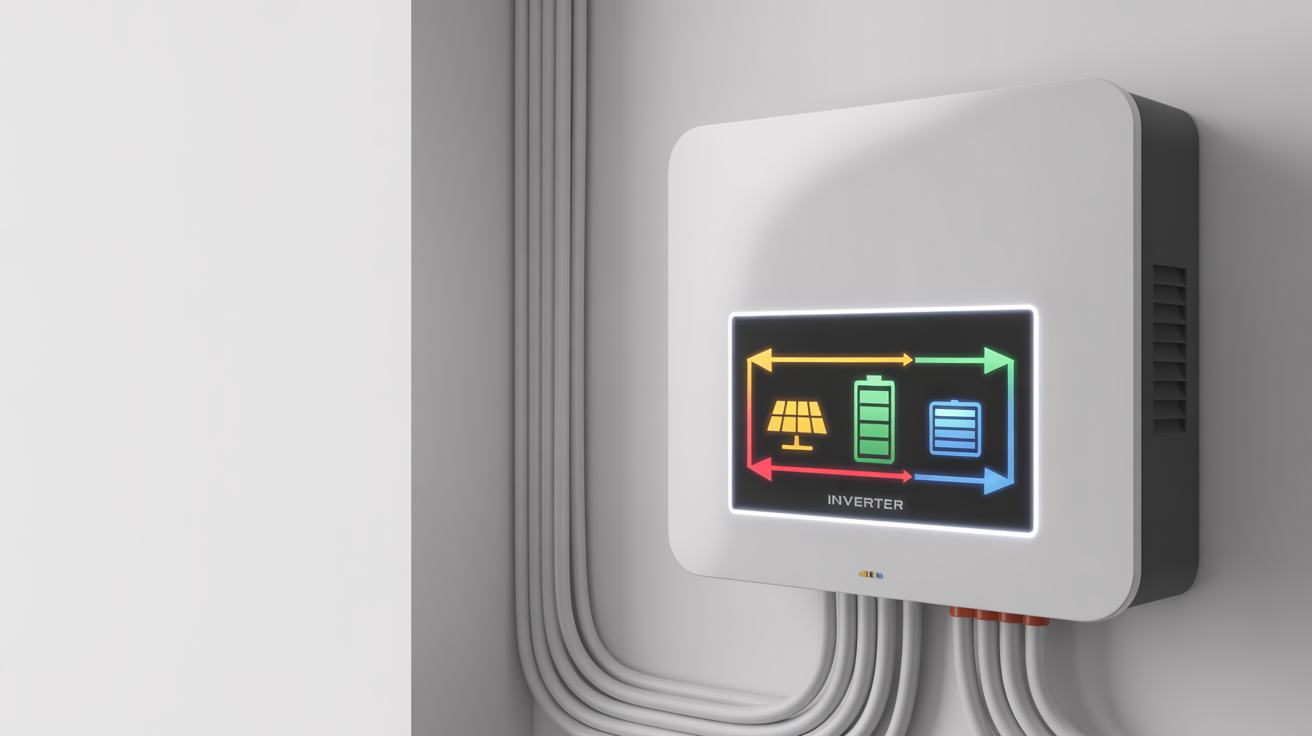
A hybrid solar power inverter is a multitasking powerhouse that combines three critical functions into one sleek unit: a grid-tied solar inverter, a battery inverter, and a charge controller. Instead of installing separate boxes to handle solar panels, battery banks, and utility connections, a hybrid inverter manages all of them simultaneously.
Here's the magic behind it: the inverter converts direct current (DC) from your solar panels and batteries into alternating current (AC) that your home appliances can use. At the same time, it can convert AC from the utility grid back into DC to charge your batteries when needed. Think of it as a central energy manager that constantly makes smart decisions about where power should flow.
When the sun's shining, your hybrid inverter prioritizes feeding your home with solar energy first. Any surplus can either charge your batteries or get exported back to the grid (if you're net-metering). When evening rolls around or clouds move in, the inverter seamlessly taps into your battery storage before pulling from the grid. And if the grid goes down? The inverter switches to battery and solar power, keeping your lights on without missing a beat.
This intelligent prioritization is what makes hybrid inverters stand out. They're constantly optimizing for self-consumption, using as much of your own solar and stored energy as possible before resorting to utility power or generators. The result is lower bills, greater resilience, and a system that adapts to your energy needs in real time.
Key Benefits of Choosing a Hybrid Inverter for Your Energy System
If you're weighing whether to go hybrid, the advantages are compelling. First, there's the simplicity factor. A single integrated unit replaces what used to require multiple inverters and controllers. That means fewer components to wire, troubleshoot, and maintain. Installers appreciate the streamlined setup, and you'll appreciate the cleaner look and reduced points of failure.
But the real payoff comes in optimized self-consumption. Hybrid inverters are designed to squeeze every kilowatt-hour out of your solar panels and batteries. By intelligently managing when to store energy and when to use it, they maximize the portion of your electricity that comes from your own roof rather than the utility. Over the years, that translates into serious savings, even if the upfront cost of a hybrid inverter runs higher than a traditional grid-tied model.
Efficiency matters, too. Because hybrid inverters handle both solar and battery conversions in one device, they typically lose less energy in the process compared to separate inverters working in tandem. And most modern hybrids come with advanced monitoring and control features, Wi-Fi connectivity, smartphone apps, web portals, that let you track production, consumption, and battery status in real time. You can even adjust settings remotely to fine-tune performance.
Energy Independence and Backup Power Capabilities
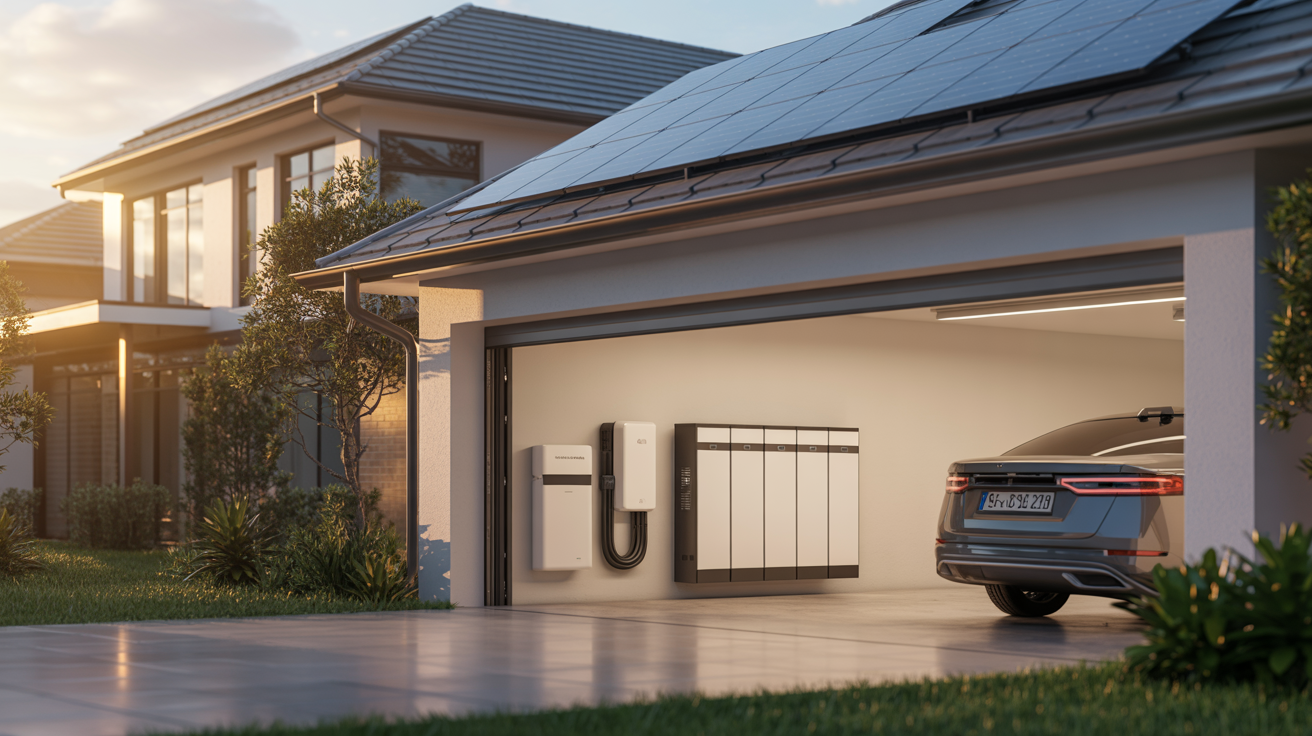
One of the biggest draws of a hybrid solar power inverter is the peace of mind it offers during grid outages. Traditional grid-tied solar systems shut down when the power goes out, it's a safety requirement to protect utility workers. But with a hybrid inverter and battery storage, your system can island itself from the grid and keep running.
That means your refrigerator stays cold, your sump pump keeps working, and critical medical equipment remains powered. For off-grid property owners, a hybrid inverter is practically essential, coordinating solar, batteries, and backup generators to ensure 24/7 electricity. Even if you're grid-connected, having backup power capability reduces your reliance on the utility and shields you from rate hikes, time-of-use charges, and unreliable infrastructure. In short, it's energy independence and reliability rolled into one box.
Hybrid Solar Power Inverter vs. Traditional Inverters: Understanding the Differences
So what exactly separates a hybrid inverter from the traditional grid-tied inverter you might already be familiar with? The table below sums it up:
| Aspect | Hybrid Inverter | Traditional Grid-Tied Inverter |
|---|---|---|
| Battery integration | Built-in | Usually requires separate battery inverter |
| Backup during outages | Yes (if batteries installed) | Typically no |
| Power sources managed | Solar, battery, grid | Mainly solar → grid/home |
Traditional grid-tied inverters excel at one thing: converting solar DC into grid-compatible AC and, if allowed, sending surplus power back to the utility for credits. They're simple, cost-effective, and widely used. But they can't store energy or operate when the grid is down.
Hybrid inverters, on the other hand, add battery management and backup capability. They can juggle three power sources, solar panels, battery banks, and the utility grid, deciding in real time which to draw from and which to feed. If you install batteries later, a hybrid inverter is already ready to integrate them without requiring a retrofit or additional inverter.
That flexibility comes at a price. Hybrid inverters generally cost more upfront and can be more complex to configure. But for anyone serious about energy storage, backup power, or eventual off-grid living, they're the smarter long-term investment. You're not just buying an inverter: you're future-proofing your energy system.
Essential Features to Look for When Selecting a Hybrid Inverter
Not all hybrid inverters are created equal, and choosing the right one means paying attention to a few critical specs.
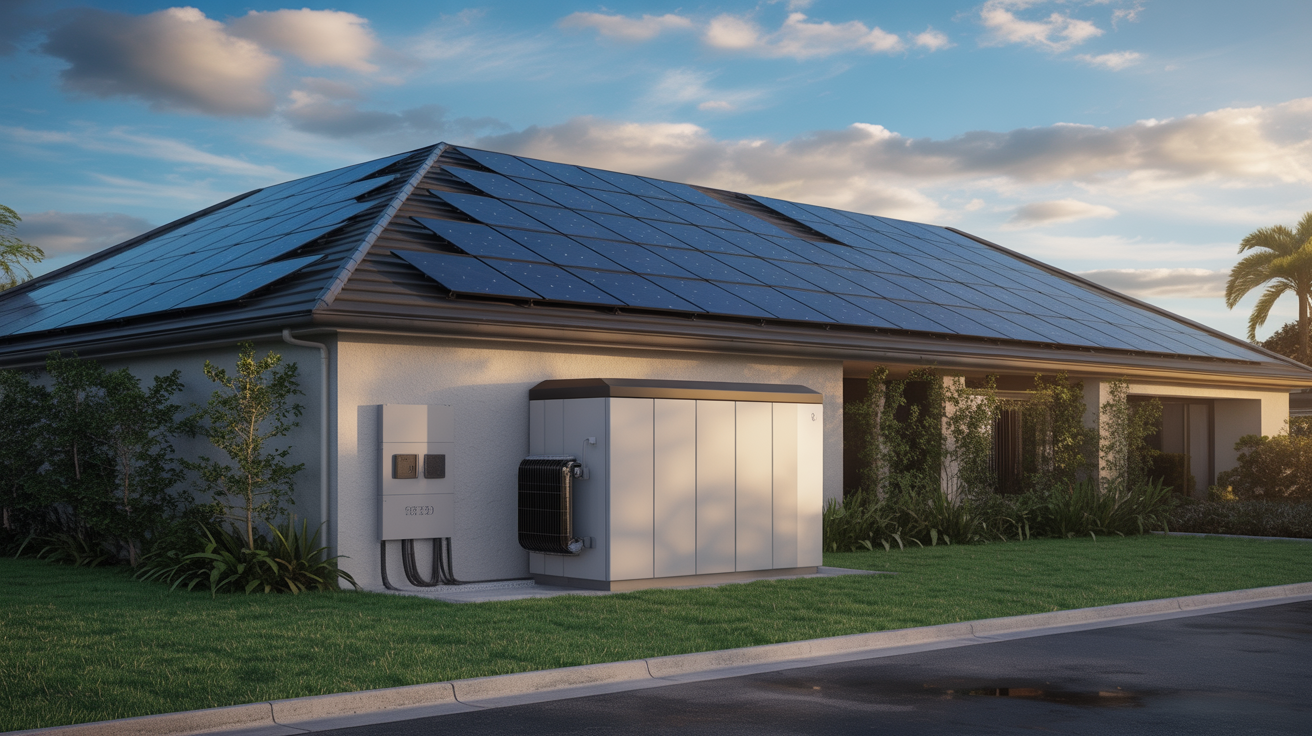
Start with battery compatibility. Some hybrid inverters work only with specific battery chemistries (like LiFePO4 or lead-acid) or certain brands. Others are more open, supporting a range of voltages and communication protocols. If you're eyeing a particular battery, say, a Humless BESS for its proven LiFePO4 reliability, make sure your inverter can talk to it. Check voltage ranges, charge/discharge rates, and whether the inverter can handle future battery expansion.
Next, size matters. Look at the inverter's continuous power rating (how many watts it can deliver steadily) and its surge or peak rating (how much it can handle for a few seconds when motors or compressors start up). Undersize your inverter, and you'll trip it every time the well pump kicks on. You'll also want adequate battery charge and discharge current ratings to match your storage capacity.
The MPPT solar charge controller built into the inverter is another key component. Check its maximum input voltage and current to ensure it can handle your solar array's configuration. More MPPT channels give you flexibility to orient panels in different directions or tilt angles.
Don't overlook grid support and backup modes. Can the inverter seamlessly switch to off-grid mode during an outage? Does it support uninterruptible power supply (UPS) functionality for sensitive electronics? How quickly does it transfer? Some hybrids can switch in milliseconds: others take a second or two, fine for lights, but potentially disruptive for computers.
Finally, modern inverters should offer robust monitoring and control. Wi-Fi connectivity, mobile apps, and cloud-based portals let you see what's happening with your system from anywhere. Look for detailed logging, alerts, and the ability to update firmware as manufacturers roll out improvements.
Installation Considerations and Battery Compatibility
Even the best hybrid inverter won't perform if it's installed poorly. Proper installation starts with correct wiring sizes, breakers, grounding, and disconnects, all per the manufacturer's manual and local electrical codes. Undersized wire can overheat: inadequate grounding can create safety hazards. If you're not a licensed electrician, hire one. This isn't the place to cut corners.
Mounting location matters, too. Hybrid inverters generate heat, so they need adequate ventilation. Avoid cramped closets or direct sunlight. Many models are rated for outdoor installation, but check the IP (Ingress Protection) rating to ensure it can handle your climate.
Battery compatibility deserves special attention during installation. Confirm that your inverter supports the battery type and voltage you're using now, and any you might add later. Some hybrid inverters are locked to proprietary batteries, limiting your upgrade options. Others, like those compatible with Humless BESS systems, offer flexibility and scalability as your energy needs grow. Verify communication protocols (CAN bus, RS485, etc.) so the inverter and battery can share data on state of charge, temperature, and health.
Finally, comply with local standards and utility interconnection rules. Many jurisdictions require permits, inspections, and approval from your utility before you flip the switch. Skipping these steps can void warranties, create liability, and even result in fines. Work with your installer to navigate the paperwork and ensure everything is up to code.
Conclusion
A solar power hybrid inverter is more than just a piece of hardware, it's the brain of a modern, resilient energy system. By combining solar production, battery storage, and grid interaction in one device, it delivers higher self-consumption, reliable backup power, and genuine energy independence that traditional inverters simply can't match. As battery technology improves and energy storage becomes more affordable, hybrid inverters are quickly becoming the standard for anyone serious about controlling their power future. Choose wisely, install carefully, and you'll have a system that pays dividends for decades.
Frequently Asked Questions About Solar Power Hybrid Inverters
What is a solar power hybrid inverter and how does it work?
A solar power hybrid inverter combines a grid-tied solar inverter, battery inverter, and charge controller into one unit. It converts DC from solar panels and batteries into AC for your home, while managing power prioritization: solar first, then batteries, then the grid. It also enables backup power during outages and seamless energy optimization.
What are the main benefits of installing a hybrid solar power inverter?
Hybrid inverters offer simplified installation with a single integrated unit, optimized self-consumption to maximize your own solar energy, higher system efficiency, and advanced monitoring via Wi-Fi apps. They also provide backup power capability and future flexibility without requiring retrofits if you add batteries later.
How is a hybrid inverter different from a traditional grid-tied inverter?
Traditional grid-tied inverters only convert solar to AC and export to the grid. Hybrid inverters additionally manage batteries and provide backup power during outages. While costlier upfront, hybrids offer energy storage, backup capability, and three-source power management that traditional inverters cannot deliver.
Can a hybrid solar power inverter work during a power outage?
Yes, if paired with battery storage, a hybrid inverter can automatically switch to battery and solar power during grid outages, keeping critical loads running. This islanding capability provides energy independence and backup power that traditional grid-tied systems cannot offer.
What battery compatibility should I verify before choosing a hybrid inverter?
Confirm your inverter supports your battery's chemistry (LiFePO4, lead-acid, etc.), voltage range, and communication protocol (CAN bus, RS485). Some hybrids are locked to proprietary batteries, while others offer flexibility. Check that it accommodates both current and future battery expansion to avoid costly upgrades.
What installation requirements are critical for a hybrid solar power inverter?
Use proper wiring sizes, breakers, grounding, and disconnects per manufacturer specs and local electrical codes. Ensure adequate ventilation and mounting location away from direct sun. Verify battery compatibility and communication protocols, and comply with local permits, inspections, and utility interconnection requirements.