Shopping for solar battery storage in 2026? You're not alone. As energy costs climb and grid reliability wobbles, homeowners and businesses are scrambling to lock in energy independence, but the sticker shock is real. A typical residential system runs somewhere between $11,000 and $15,000 installed, and that's before you factor in rebates, incentives, or the long-term savings that can cut years off your payback period. This guide breaks down exactly what you'll pay, what drives those numbers, and how to evaluate whether battery storage is worth it for your home or business. Let's dig in.
Key Takeaways
- Solar battery storage prices in 2026 typically range from $11,000–$15,000 installed for residential 10 kWh systems, with costs around $1,000–$1,500 per kilowatt-hour after accounting for labor, permitting, and electrical upgrades.
- Lithium iron phosphate (LFP) chemistry offers better long-term value over nickel manganese cobalt cells due to enhanced thermal stability, longer cycle life, and lower fire risk.
- Installation and soft costs—including design, labor, permitting, and electrical upgrades—often match or exceed the battery hardware cost itself, making installer expertise and location critical factors in final pricing.
- Federal Investment Tax Credits and state-level rebate programs like California's SGIP can reduce net costs by thousands, potentially cutting payback periods to 7–10 years for homeowners with frequent outages or high peak rates.
- Commercial and utility-scale battery systems achieve significantly lower per-kWh costs ($180–$580 installed) through economies of scale, streamlined permitting, and bulk purchasing, making them financially compelling for demand-charge reduction and peak shaving.
Average Solar Battery Storage Costs in 2026
The headline number most homeowners see is $11,000–$15,000 for a typical 10 kWh residential battery installation, that works out to roughly $1,100–$1,500 per kilowatt-hour installed. Data from marketplace platforms and installer networks put the median closer to $1,000–$1,050/kWh for most systems today.
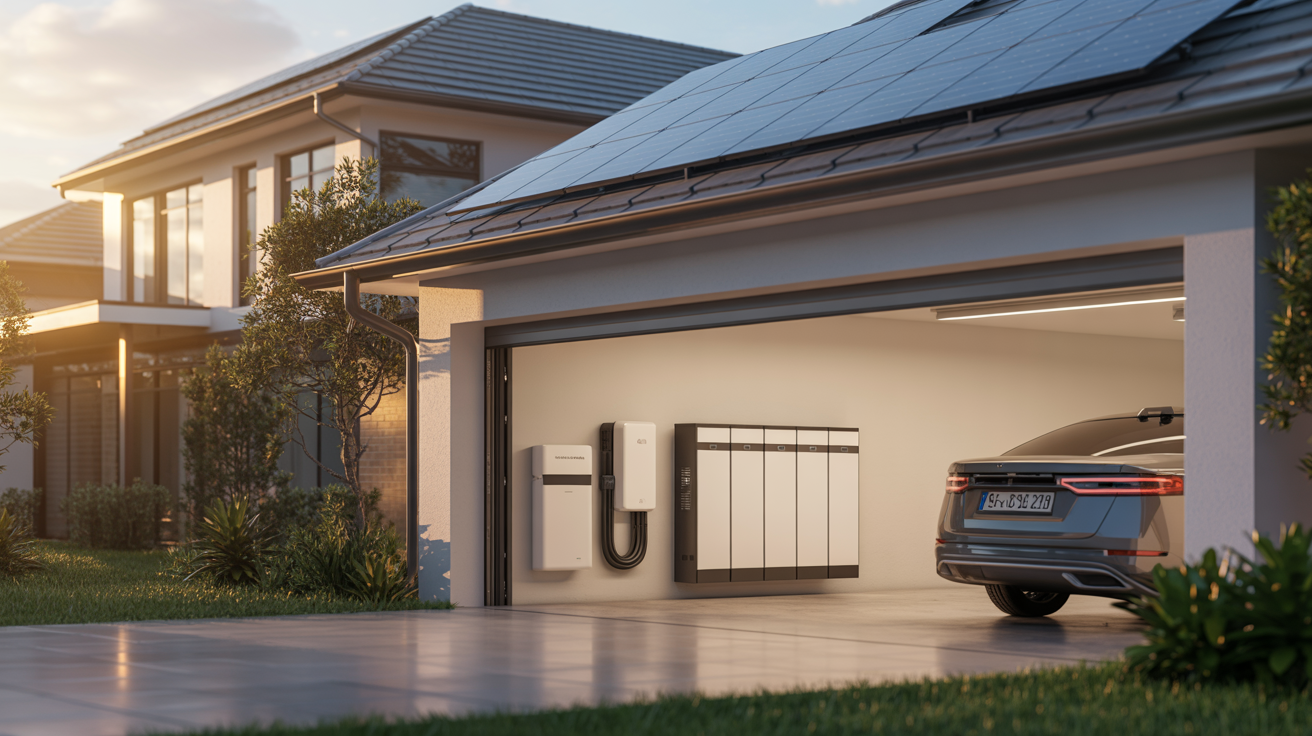
For context, a popular 13 to 13.5 kWh battery (like the Tesla Powerwall 3) averages around $15,000 before incentives nationwide. In California, where storage adoption is highest, installers report an average of about $13,958 for a 13 kWh system before any rebates or tax credits kick in.
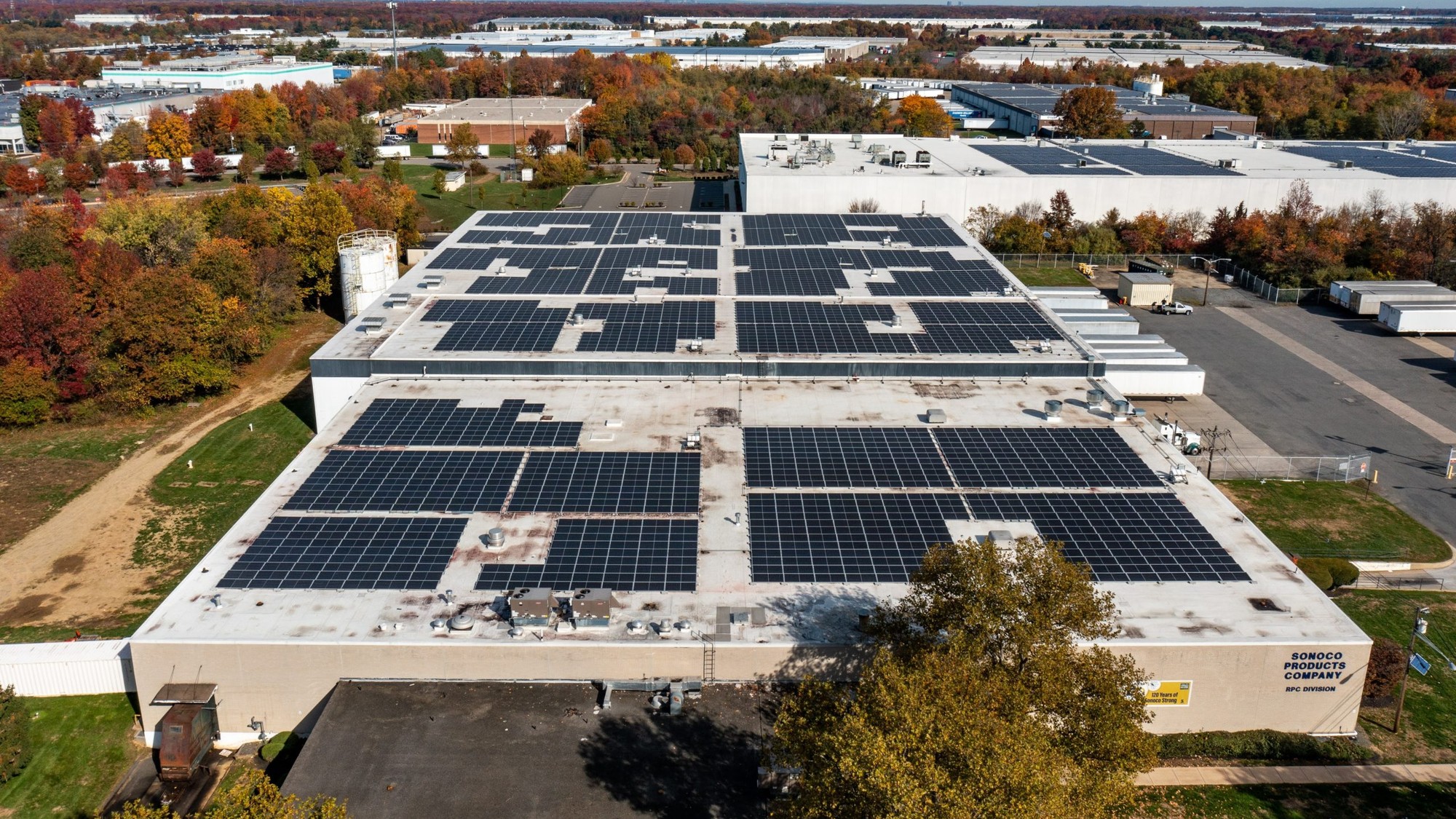
Commercial and utility-scale installations enjoy very different economics. Mid-sized commercial systems typically land in the $280–$580/kWh range installed, while large containerized setups (100 kWh and up) can drop as low as $180–$300/kWh. Economies of scale, streamlined permitting, and bulk purchasing all contribute to those lower per-unit costs.
It's worth noting that "installed cost" includes far more than the battery itself. Design, labor, permitting, inspections, electrical panel upgrades, and interconnection fees can easily double the price of the battery pack alone. Battery cell packs now cost manufacturers somewhere between $70 and $108/kWh, but by the time the system reaches your garage or utility room, soft costs have pushed that number well past $1,000/kWh for residential installs.
What Influences Solar Battery Storage Pricing
Not all batteries are priced alike, and understanding the levers that move the dial can save you thousands, or steer you toward features that justify a premium.
Battery Capacity and Chemistry Type
Capacity (measured in kilowatt-hours, or kWh) is the most obvious driver. A 10 kWh battery costs less than a 20 kWh battery, but larger systems often enjoy a lower $/kWh rate because fixed costs, inverters, installation labor, permitting, are spread over more storage.
Then there's chemistry. Lithium-ion dominates the market today, but not all lithium-ion is created equal. Lithium iron phosphate (LFP) batteries are increasingly popular for stationary storage thanks to their thermal stability, longer cycle life, and lower fire risk compared to nickel manganese cobalt (NMC) cells. LFP tends to be more cost-effective in the long run, especially for off-grid or backup-heavy use cases. Humless, for instance, has built its reputation on LiFePO4 chemistry for exactly these reasons, safety, longevity, and reliability over thousands of cycles.
Brand reputation, warranty length (years and throughput guarantees), and power rating (how fast you can charge or discharge) also play into the price. A battery with a 15-year warranty and 10,000 cycle guarantee will cost more upfront than a no-name box with vague coverage, but the long-term value proposition can flip dramatically.
Installation and Labor Expenses
Even if you snag a great price on the battery hardware, installation and labor will often match, or exceed, the cost of the battery itself. These "soft costs" include:
- Design and engineering (load calculations, system sizing, integration with existing solar or backup circuits)
- Labor (electricians, crew time, project management)
- Permitting and inspections (city or county fees, utility interconnection approvals)
- Electrical upgrades (panel replacements, sub-panel installation, wiring to critical loads)
- Travel and logistics (especially for rural or off-grid sites)
These expenses vary wildly by geography. A straightforward retrofit in a permitting-friendly suburb might add $3,000–$5,000 in soft costs, while a complex off-grid install requiring panel upgrades and inspector site visits can balloon past $8,000. When you see a $1,000/kWh installed price versus a $108/kWh cell-pack price, this gap is where most of that difference lives.
Market competition and supply-chain dynamics also matter. In 2026, lithium carbonate prices have stabilized after the volatility of 2022–2024, and battery manufacturers have ramped production, which has put gentle downward pressure on hardware costs. But skilled labor remains tight, and that keeps installation costs sticky.
Comparing Popular Solar Battery Systems and Their Price Points
Let's get specific. Here's how some of the most common residential batteries stack up on price (all figures are before federal or state incentives):
- Tesla Powerwall 3 (≈13.5 kWh): About $13,743 installed, or roughly $1,018/kWh. Tesla's brand cachet, tight integration with Tesla Solar, and strong warranty keep it near the top of the residential market.
- Enphase IQ Battery (10 kWh): Around $14,190 installed, or about $1,419/kWh. Enphase's modular microinverter ecosystem appeals to homeowners who want granular control and easy scalability, but you pay a premium for that modularity.
- Budget-friendly brands: Some lesser-known or regional brands come in around $650–$700/kWh installed. These can be solid performers, especially if they use LFP chemistry and offer decent warranties, but do your assignments on installer experience and after-sales support.
- Premium tier: Brands emphasizing advanced features (ultra-fast response, whole-home backup, 20+ year warranties) can push past $1,500/kWh.
For businesses and larger installations, the landscape shifts. Commercial battery systems from established manufacturers (Humless included) often bundle inverters, monitoring, and energy-management software into turnkey solutions. With volume discounts and streamlined permitting, installed costs drop dramatically, sometimes to half of residential rates on a per-kWh basis.
Humless BESS systems, purpose-built for both residential and commercial applications, are designed to integrate seamlessly with solar, grid, wind, and generator sources. Their LiFePO4 chemistry and UL certification deliver the safety and reliability that off-grid property owners and backup-critical businesses demand. While exact pricing varies by configuration and location, Humless's 15+ years in the industry and 24/7 support often translate to total cost of ownership that competes favorably with big-name consumer brands.
Financial Incentives and Long-Term Savings
Here's where the math gets interesting, and much more favorable.
The federal Investment Tax Credit (ITC) still covers a significant portion of solar-plus-storage systems. If your battery is charged by solar at least part of the time, you can claim the credit on both the solar array and the storage. That can shave thousands off your upfront cost.
Many states and utilities pile on additional rebates or performance payments. California's SGIP (Self-Generation Incentive Program), for example, has historically reimbursed homeowners several hundred dollars per kWh of storage, sometimes covering a quarter or more of the installed cost. Other states offer property-tax exemptions, sales-tax waivers, or low-interest financing programs.
For commercial systems, the payback story often revolves around demand-charge reduction and peak shaving. Businesses that pull heavy loads during high-rate periods can see 3–5 year paybacks by using stored energy to flatten their demand profile. Add in time-of-use arbitrage (charging during cheap off-peak hours, discharging during expensive peak hours) and resilience value (avoiding costly downtime during outages), and the ROI can be compelling even without rebates.
Long-term savings for homeowners depend on your local electricity rate, time-of-use structure, and how often the grid goes down. If you're in an area with frequent outages or steep peak rates, a battery can pay for itself in 7–10 years, or faster if you're currently running a noisy, fuel-guzzling generator for backup. The intangible value of energy independence and peace of mind during storms or wildfires? That's harder to quantify, but it's real.
Conclusion
In 2026, most homeowners face low- to mid-five-figure installed costs for a quality solar battery system, with net prices often dropping by thousands once you layer in federal credits and state incentives. Whether you're chasing backup power, energy independence, or long-term bill savings, the key is to match capacity, chemistry, and brand to your specific needs, and to work with an experienced installer who can navigate permitting and integration smoothly. For businesses and off-grid properties, the economics tilt even more favorably, especially when reliability and 24/7 support (like what Humless offers) are non-negotiable. Do your assignments, run the numbers, and you'll find that battery storage in 2026 is less of a luxury and more of a strategic investment.
Frequently Asked Questions About Solar Battery Storage Price
How much does a typical residential solar battery storage system cost in 2026?
A typical residential solar battery storage system costs $11,000–$15,000 installed for 10 kWh capacity, or roughly $1,000–$1,500 per kWh. A 13.5 kWh Tesla Powerwall averages around $13,743 nationally, with California averaging $13,958 before rebates or tax credits.
What factors influence solar battery storage pricing the most?
Key pricing factors include battery capacity (kWh), chemistry type (LFP vs. NMC), brand reputation and warranty length, installation labor costs, permitting and electrical upgrades, and available state or federal incentives. Soft costs like design, labor, and inspections often match or exceed the battery hardware cost itself.
Why is the installed price of solar battery storage so much higher than the battery cost alone?
While battery cell packs cost manufacturers $70–$108/kWh, soft costs drive up residential prices to $1,000+/kWh. These include design and engineering, electrician labor, permitting and inspections, electrical panel upgrades, and interconnection fees—often adding $3,000–$8,000 depending on location and complexity.
Is LFP or lithium-ion better for residential solar battery storage?
Lithium-ion dominates the market. LFP (lithium iron phosphate) is increasingly popular for stationary storage because it offers thermal stability, longer cycle life, lower fire risk compared to NMC cells, and better long-term cost-effectiveness, especially for backup-heavy or off-grid use cases.
How much can federal incentives and rebates reduce solar battery storage costs?
The federal Investment Tax Credit (ITC) covers a significant portion of solar-plus-storage systems. Many states add rebates or performance payments; California's SGIP has historically reimbursed homeowners hundreds per kWh, sometimes covering a quarter or more of installed costs, lowering net prices by thousands.
What is the payback period for a commercial solar battery storage system?
Commercial battery systems often achieve 3–5 year paybacks through demand-charge reduction and peak shaving. Installed costs are lower ($280–$580/kWh), and time-of-use arbitrage, resilience value, and avoided downtime improve ROI significantly compared to residential systems.