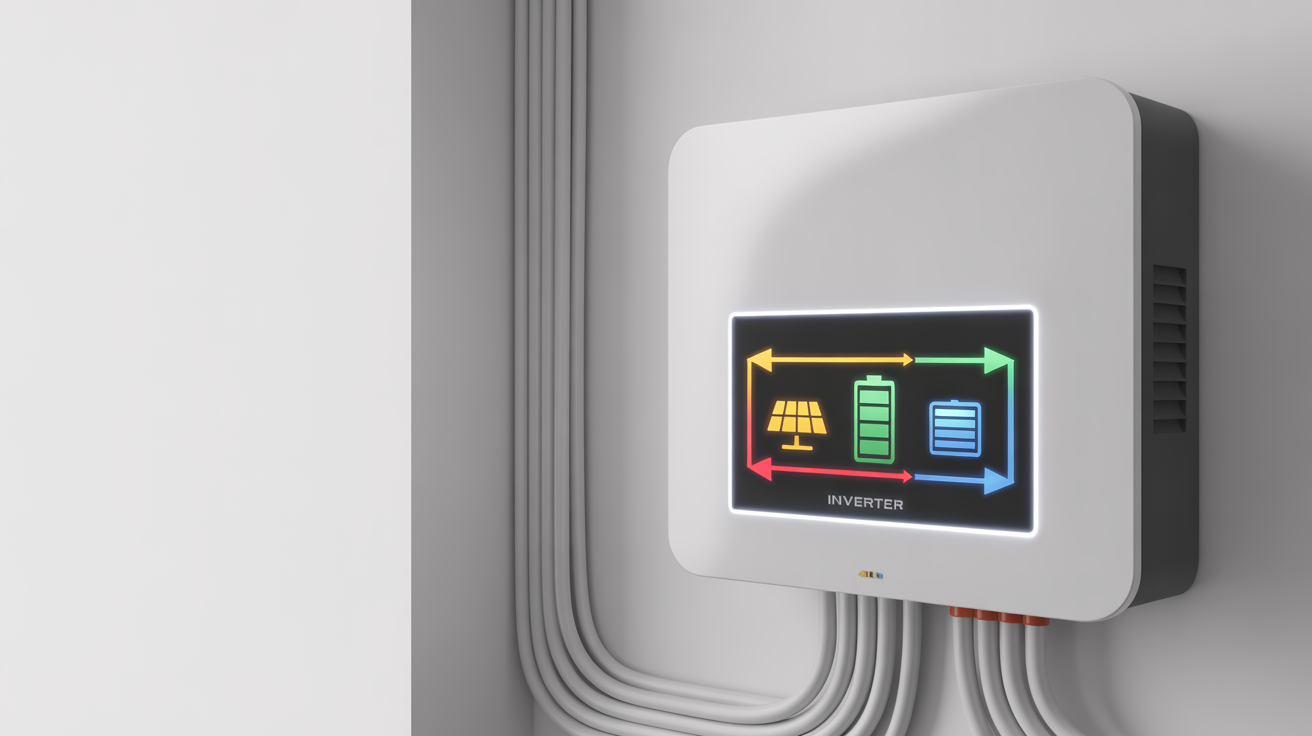
Solar energy storage has become essential for homeowners and businesses seeking true energy independence. Among the players in this space, SMA batteries have carved out a reputation for flexibility and compatibility, but are they the right fit for your system? As energy costs climb and grid reliability becomes increasingly uncertain, choosing the right battery storage solution can mean the difference between seamless backup power and frustrating limitations. This guide walks you through everything you need to know about SMA batteries in 2026: how they work, which systems they integrate with, their standout features, and how they stack up against alternatives like Humless battery energy storage systems. Whether you're retrofitting an existing solar setup or planning a new installation, you'll find the practical insights needed to make an well-informed choice.
Key Takeaways
- SMA batteries use an open-architecture design that integrates with multiple battery technologies and existing solar inverters, making them ideal for retrofitting without replacing your current system.
- SMA Home Storage configurations range from 9.4 kWh to 18.9 kWh with 96.5% round-trip efficiency and approximately 8,000 charge-discharge cycles, providing reliable energy independence for over a decade.
- The AC-coupled Sunny Boy Storage connects to your existing solar inverter's output, offering cost-effective backup power compatibility with virtually any solar installation already on your property.
- SMA systems provide instantaneous grid disconnection and seamless backup power to critical loads during outages, though with a brief sub-second switchover interruption.
- SMA batteries excel for residential retrofits and straightforward installations, but larger properties, commercial applications, or off-grid installations requiring 50+ kWh capacity may benefit from alternative scalable solutions.
What Is an SMA Battery and How Does It Work?
An SMA battery isn't a single proprietary battery cell, it's an energy storage solution designed by SMA Solar Technology that integrates various battery technologies with their inverter systems. Think of it as the bridge between your solar panels and stored energy, capturing electricity generated during sunny hours and releasing it when you need it most.
At its core, an SMA battery works like any rechargeable battery: it stores electrical energy in chemical form through electrochemical reactions, then converts it back to usable electricity on demand. When your solar panels produce more power than your home consumes, the excess flows into the battery. Later, when the sun sets or demand spikes, that stored energy powers your lights, appliances, and critical systems.
SMA batteries typically offer around 8,000 charge-discharge cycles, translating to at least a decade of reliable service before capacity begins to fade. This longevity comes from advanced battery management systems that optimize charging patterns, prevent overcharging, and maintain ideal operating temperatures. The result? Consistent performance that protects both your investment and your energy independence.
What sets SMA apart is their open-architecture approach. Rather than locking you into proprietary battery chemistry, SMA systems work with lithium-ion batteries from multiple manufacturers. This flexibility means you can choose battery capacity and features that match your specific needs and budget, while still benefiting from SMA's proven inverter technology and system integration.
SMA Battery Compatibility with Inverters and Solar Systems
One of SMA's biggest selling points is compatibility, they've designed their systems to play nicely with various battery technologies and existing solar installations. If you've already invested in a solar array, you won't necessarily need to rip everything out to add storage.
The SMA Sunny Boy Storage takes an AC-coupled approach, which is a game-changer for retrofits. Instead of connecting directly to your solar panels (DC coupling), it connects to the AC output of your existing solar inverter. This means it works with virtually any brand of solar inverter already installed on your property. Your current system keeps operating as-is, while the Sunny Boy Storage handles the charging and discharging of your battery independently.
SMA also supports high-voltage lithium batteries from manufacturers like LG Chem (RESU series) and BYD (B-box H10 series). These partnerships give you choices in battery chemistry, warranty terms, and price points while keeping everything under one integrated control system. The flexibility extends to various battery technologies, lithium iron phosphate (LiFePO4), nickel manganese cobalt (NMC), and others, each with distinct performance characteristics.
For those planning new installations, SMA's hybrid inverters offer even tighter integration by combining solar conversion and battery management in a single unit. But that AC-coupled compatibility remains SMA's standout feature for the millions of homeowners who already have solar panels and want to add storage without starting from scratch.
Compatible SMA Inverter Models and System Requirements
Navigating SMA's inverter lineup can feel overwhelming, so here's what you need to know about the key models and their system requirements:
Sunny Boy Storage is the AC-coupled battery inverter with a maximum output of 2.5 kW. It's designed specifically for residential retrofit applications and works alongside your existing grid-tied solar inverter. System requirements are straightforward: a 240V AC connection and adequate space for wall mounting the inverter and connected battery.
Sunny Tripower Smart Energy is a three-phase hybrid inverter that combines solar conversion and battery management in one unit. It's ideal for larger homes with three-phase electrical service and new solar installations where you want everything integrated from day one. This model requires DC solar input and compatible battery connection.
Sunny Boy Grid-Tied Inverter is SMA's workhorse solar inverter compatible with most solar panel types. While not a battery inverter itself, it pairs seamlessly with the Sunny Boy Storage for AC-coupled systems. You'll need proper DC disconnect equipment and compliance with local electrical codes.
Sunny Island takes a different approach, designed for off-grid and backup power systems. It supports lithium-ion batteries ranging from 50 Ah all the way up to 10,000 Ah capacity, making it suitable for everything from small cabins to large off-grid estates. System requirements include battery bank sizing, proper grounding, and often generator backup for extended cloudy periods.
Each inverter has specific voltage and current requirements, so proper sizing matters. Working with a qualified solar installer ensures your battery capacity matches your inverter's capabilities and your home's energy needs.
Key Features and Specifications of SMA Energy Storage Solutions
Let's get into the numbers and features that define SMA's energy storage performance in real-world applications.
Capacity Range: SMA Home Storage configurations span from 9.4 kWh up to 18.9 kWh, with modular expansion options. That's enough to power an average home through an evening and overnight, or provide backup for critical loads during extended outages. You're not locked into one size, start smaller and expand as needs or budget allow.
Conversion Efficiency: SMA systems achieve approximately 96.5% average round-trip efficiency. That means for every 100 kWh you put into the battery, you'll get about 96.5 kWh back out. The remaining 3.5% is lost as heat during conversion. While not the absolute highest in the industry, it's competitive and represents a good balance between performance and cost.
Warranty: SMA backs their systems with a standard 10-year warranty, covering both inverter and storage components under normal operating conditions. Some battery manufacturers offer extended warranties when paired with SMA systems, potentially stretching coverage to 15 years.
Backup Function: When the grid goes down, SMA systems provide instantaneous disconnection from the utility (required by code) with seamless power supply to backed-up circuits. There's typically a brief interruption, less than a second, as the system switches to island mode. Critical loads like refrigerators and medical equipment keep running.
Monitoring: The Sunny Portal platform gives you visibility into energy production, consumption, and battery status from your phone or computer. You can track performance over time, identify issues, and optimize settings for your usage patterns. It's straightforward but lacks some of the advanced features found in newer platforms from competitors.
These specs make SMA a solid choice for residential applications, though businesses with higher capacity needs may find the upper limits constraining compared to commercial-scale solutions like Humless BESS systems, which scale to much larger capacities with UL certification.
Installation and Integration Considerations for SMA Batteries
Getting an SMA battery system up and running involves more than just bolting equipment to a wall. Proper installation determines whether your system delivers years of reliable service or becomes a source of frustration.
Start by calculating your total energy consumption, not just average daily use, but peak demand periods and seasonal variations. An undersized battery leaves you dependent on the grid when you most need independence. An oversized system wastes money on capacity you'll never use. Most installers recommend sizing for 80-100% of your overnight consumption, plus any critical daytime loads during outages.
Next, determine your desired backup duration. Do you need a few hours to ride out brief outages, or multiple days of autonomy? This calculation depends heavily on whether you have solar panels providing daytime recharging. Off-grid applications require substantially larger battery banks than grid-tied backup systems.
Depth of discharge (DoD) affects battery longevity. While lithium batteries can safely discharge to 80-90% DoD, regularly doing so shortens lifespan. Most installers program systems to stop discharging at 20% remaining capacity, preserving battery health while still providing substantial usable energy.
Physical installation requires adequate space, proper ventilation, and temperature control. Batteries perform best between 50-85°F. Extreme temperatures, common in garages and attics, reduce capacity and lifespan. Wall-mounted systems need structural support for considerable weight, while floor-standing configurations require level surfaces.
SMA batteries integrate with complementary systems like EV charging stations and heat pumps, creating a comprehensive home energy ecosystem. But these integrations require careful load management to prevent overtaxing your battery during simultaneous high-demand events. Smart energy management systems can prioritize loads automatically.
Professional installation is strongly recommended. Electrical codes, permit requirements, and utility interconnection agreements vary by location. Experienced installers navigate these complexities while ensuring proper system commissioning and warranty compliance.
Comparing SMA Batteries to Alternative Energy Storage Systems
SMA batteries occupy a specific niche in the energy storage landscape, but how do they compare to alternatives?
Versatility and Compatibility: SMA's open-architecture approach is a genuine advantage. By supporting multiple battery technologies from various manufacturers, you're not locked into a single supplier or chemistry. This contrasts with proprietary systems like Tesla Powerwall, which uses only Tesla batteries and inverters. If you're retrofitting an existing solar system, SMA's AC-coupled Sunny Boy Storage provides cost-effective integration without replacing your current inverter.
Scalability: SMA systems scale reasonably well for residential applications but have practical limits. The 18.9 kWh maximum configuration works for most homes but falls short for larger properties or commercial needs. Alternatives like Humless battery energy storage systems offer modular scalability well beyond residential requirements, making them suitable for businesses, farms, and larger off-grid installations requiring 50+ kWh capacity.
Performance: SMA's 96.5% efficiency is competitive but not class-leading. Some newer systems achieve 97-98% efficiency, reducing energy waste. Battery cycle life around 8,000 cycles is solid, expect 10-15 years of service depending on usage patterns. LiFePO4-based alternatives, like those used in Humless systems, often deliver longer cycle life with enhanced safety characteristics and temperature tolerance.
Backup Power: SMA provides reliable backup with that brief switchover interruption. True uninterruptible power supply (UPS) systems offer zero-transfer-time switching, critical for sensitive electronics or medical equipment. If seamless, instantaneous backup is non-negotiable, look for systems with built-in UPS functionality.
Support and Longevity: SMA Solar Technology has been in business since 1981, providing confidence in long-term support and parts availability. That track record matters when you're making a 10-15 year investment. Newer entrants may offer flashier features but uncertain staying power. Companies like Humless, pioneering energy storage since 2010 with 24/7 support, offer similar longevity assurance with more specialized focus on battery technology.
Cost: SMA systems typically fall in the mid-range pricing tier, not the cheapest, not the most expensive. Installation costs vary significantly by region and complexity. Get multiple quotes and compare total installed cost, not just equipment prices.
The right choice depends on your specific situation. SMA excels for straightforward residential retrofits where compatibility matters most. Alternative systems might better serve off-grid applications, commercial installations, or situations requiring maximum scalability and specialized support.
Conclusion
SMA batteries deliver solid, proven energy storage with exceptional compatibility, ideal if you're retrofitting an existing solar system or want flexibility in battery choice. Their decade-plus track record, 10-year warranty, and ability to work with multiple inverter brands make them a safe, practical option for many homeowners.
But they're not the only answer. Consider your specific needs: capacity requirements, backup duration, scalability, and long-term support. Alternatives like Humless BESS solutions might better serve larger installations, off-grid properties, or applications demanding maximum reliability and 24/7 support. The best battery system is the one that matches your energy goals, budget, and peace of mind.
Frequently Asked Questions About SMA Batteries
What is an SMA battery and how does it work?
An SMA battery is an energy storage solution designed by SMA Solar Technology that captures electricity from solar panels during sunny hours and releases it on demand. It stores energy in chemical form through electrochemical reactions, then converts it back to usable electricity when you need it—similar to how car batteries function.
Are SMA batteries compatible with my existing solar inverter?
Yes, SMA's Sunny Boy Storage uses AC-coupling, connecting to your existing inverter's 240V AC output. This works with virtually any solar inverter brand already installed, making SMA batteries ideal for retrofitting existing systems without replacing current equipment or starting from scratch.
How long do SMA batteries last before needing replacement?
SMA batteries typically support around 8,000 charge-discharge cycles, lasting at least a decade before capacity gradually diminishes. With a standard 10-year warranty covering both inverter and storage components, most users can expect 10-15 years of reliable service depending on usage patterns.
What is the capacity range of SMA Home Storage systems?
SMA Home Storage configurations range from 9.4 kWh to 18.9 kWh with modular expansion options. This capacity is sufficient to power an average home through evening and overnight hours, or provide backup for critical loads during extended outages, with flexibility to expand as your needs grow.
How efficient are SMA batteries at storing and retrieving energy?
SMA battery systems achieve approximately 96.5% average round-trip efficiency, meaning for every 100 kWh stored, you receive about 96.5 kWh back. This competitive efficiency represents a good balance between performance and cost, with only 3.5% lost as heat during conversion.
Can SMA batteries work with multiple battery manufacturers?
Yes, SMA's open-architecture approach supports high-voltage lithium batteries from various manufacturers including LG Chem (RESU series) and BYD (B-box H10 series). This flexibility lets you choose battery capacity and features matching your specific needs and budget while benefiting from SMA's proven inverter technology and system integration.