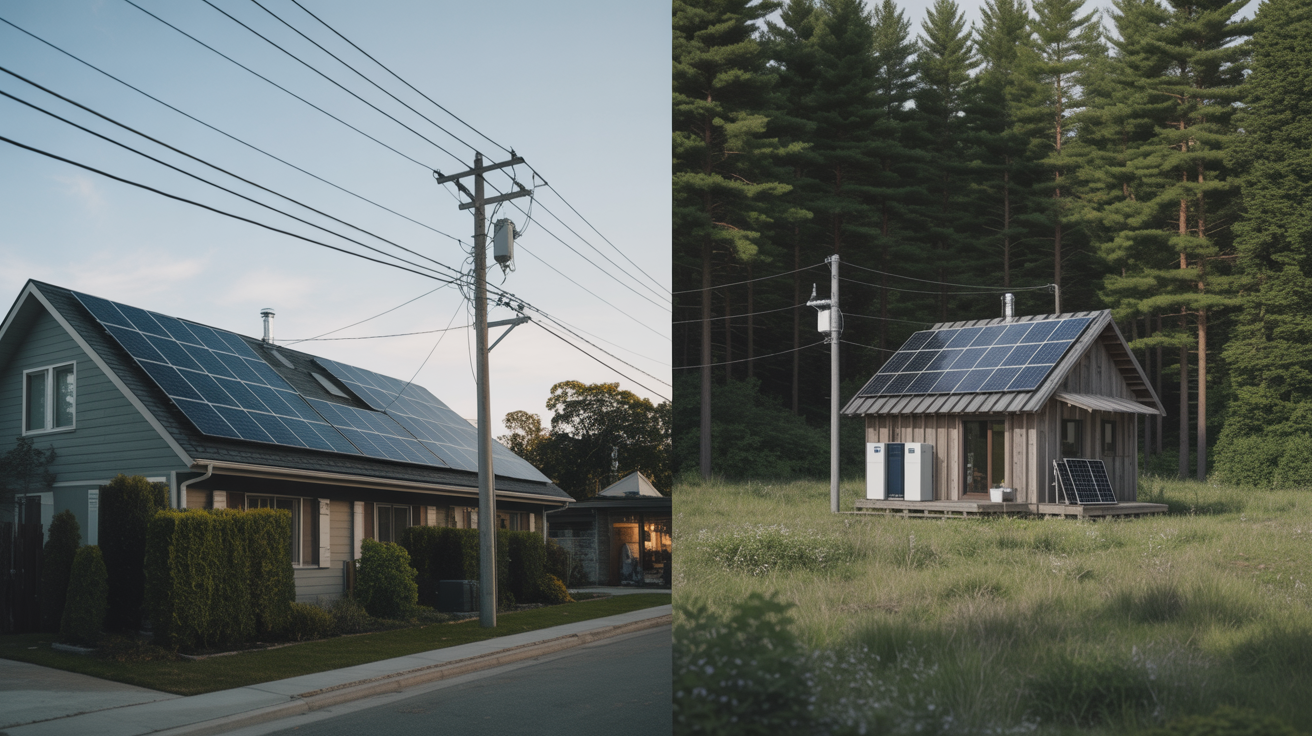
The power grid is evolving faster than at any time in history, and battery energy storage systems are at the heart of this transformation. If you're a homeowner chasing energy independence, a solar installer navigating the latest tech, or a business seeking resilient backup power, grid-connected battery energy storage systems (BESS) offer a path to seamless integration with the grid while capturing cost savings and stability. These systems don't just store electricity, they reshape how we generate, consume, and share power. In 2026, with global BESS capacity surging and costs dropping to record lows, understanding how grid-tied storage works has never been more critical.
Key Takeaways
- Grid-connected battery energy storage systems respond to grid disturbances in under a second, making them essential for maintaining stability as renewable energy penetration grows.
- Time-of-use arbitrage through grid-connected BESS allows users to store cheap off-peak electricity and sell or use it during expensive peak periods, delivering up to 20% revenue gains compared to solar alone.
- Bidirectional power flow enables grid-connected battery storage to both absorb and inject power based on real-time conditions, unlocking revenue streams from ancillary services markets while optimizing residential energy costs.
- Battery costs have dropped to approximately $115 per kilowatt-hour in 2024, making grid-connected BESS increasingly affordable for homeowners and businesses seeking energy independence and backup power.
- Grid-connected systems integrate essential components including lithium-ion batteries, bi-directional inverters, battery management systems, and energy management software that work together to optimize charging, discharging, and grid synchronization.
What Is a Grid Connected Battery Energy Storage System?
A grid-connected battery energy storage system is a technology that uses arrays of rechargeable batteries to store electrical energy from the electric grid and dispatch it on demand. Unlike off-grid systems that operate independently, grid-tied BESS remains interconnected with the utility network, acting as both a consumer and supplier of electricity.
These systems, sometimes called battery grid storage, are typically installed near power stations, renewable energy facilities, or at customer sites. Their primary role is to store excess electricity generated during periods of low demand or high renewable output (like midday solar peaks) and release it when the grid needs support.
One of the standout features of grid-connected BESS is speed. They can respond to grid disturbances in under a second, far outpacing traditional fossil-fuel generators. This rapid response makes them invaluable for maintaining grid stability as renewable penetration grows.
By 2025, global installed BESS capacity reached approximately 267 gigawatts, reflecting the technology's explosive growth. For homeowners and businesses, this means more accessible, proven solutions for backup power and energy cost management. For solar installers, it's an expanding market where integration expertise is gold.
How Grid-Tied Battery Systems Work
At its core, a grid-tied battery system charges from available power sources, renewable generators like solar panels, wind turbines, or directly from the grid, and discharges stored energy back through inverters when needed. The architecture can vary: co-located systems pair batteries with solar arrays (either DC-coupled or AC-coupled), while standalone setups operate independently but remain grid-connected.
When your rooftop solar produces more electricity than your home consumes, that surplus can flow into the battery rather than being wasted or sold to the utility at unfavorable rates. Later, during evening peak hours or cloudy periods, the stored energy is drawn down to power your property or pushed back to the grid, depending on your configuration and local regulations.
Grid-tied BESS also supports critical grid services such as frequency regulation, voltage support, and load balancing, functions that keep the entire electrical network stable and efficient.
Bidirectional Power Flow and Energy Management
The magic of grid-connected storage lies in bidirectional power flow. Unlike simple backup batteries that only discharge during outages, grid-tied systems can both absorb power (charging) and inject power (discharging) based on real-time conditions.
During periods of low electricity demand, typically late at night, the system charges using cheap grid power or surplus renewables. When demand spikes and electricity prices soar, the battery discharges, either offsetting your own usage or selling power back to the grid at premium rates.
This capability is orchestrated by sophisticated energy management systems (EMS) that optimize operations for various goals: arbitrage (buy low, sell high), frequency regulation (stabilizing grid frequency within tight bands), or solar self-consumption (maximizing use of on-site renewables). For residential users, this means intelligent automation that cuts bills without constant manual intervention. For commercial operators, it unlocks revenue streams from ancillary services markets.
Key Benefits of Grid Connected Energy Storage
Grid-connected battery storage delivers a broad spectrum of benefits that appeal to diverse stakeholders, from individual homeowners to grid operators managing entire regions.
Grid Stability and Renewable Integration: As solar and wind contribute more to the energy mix, their intermittency poses challenges. BESS smooths these fluctuations, storing excess generation when the sun shines or wind blows and releasing it during calm or cloudy periods. This balancing act is essential for high renewable penetration without compromising reliability.
Fast Ancillary Services: BESS provides frequency and voltage support faster than any fossil-fuel plant can ramp up. In markets where grid operators pay for these services, battery systems can generate revenue while enhancing overall system stability.
Resilience and Backup Power: When configured as part of a microgrid or with islanding capability, grid-tied BESS offers seamless backup during outages. Businesses avoid costly downtime, and homeowners maintain critical loads, all while the system continues optimizing costs during normal operation.
Infrastructure Deferral: By reducing peak demand on transmission and distribution networks, BESS can delay or eliminate the need for expensive grid upgrades, cutting losses and capital expenditures.
For companies like Humless, which has pioneered energy storage solutions since 2010, these benefits translate into systems designed for seamless integration with solar, grid, wind, and generator sources, backed by UL certification and 24/7 support.
Cost Savings Through Time-of-Use Optimization
One of the most compelling financial advantages of grid-tied BESS is time-of-use (TOU) arbitrage. Many utilities charge higher rates during peak demand hours (evenings, hot summer afternoons) and lower rates during off-peak times (overnight, weekends).
By storing cheap off-peak electricity and using or selling it during expensive peak periods, users can slash their energy bills. Economic models show that combined solar-plus-storage systems can achieve up to 20% revenue gains through strategic arbitrage compared to solar alone.
Battery costs have plummeted, reaching around $115 per kilowatt-hour in 2024, making these systems increasingly affordable. For businesses with high daytime loads, this can mean tens of thousands in annual savings. Homeowners on TOU plans see monthly bill reductions that accelerate payback timelines, especially when paired with solar.
Beyond arbitrage, demand charge management helps commercial users avoid costly spikes by discharging batteries during high-usage intervals, smoothing their load profile and cutting fees that can account for 30–70% of some utility bills.
Essential Components of a Grid-Tied BESS
Understanding the building blocks of a grid-connected BESS helps you evaluate systems and make informed decisions.
Batteries: The heart of any BESS, typically lithium-ion chemistry (including LiFePO4 for safety and cycle life). These cells store electrical energy chemically and release it on demand. Capacity is measured in kilowatt-hours (kWh), determining how much energy you can store, while power rating (kW) dictates how fast you can charge or discharge.
Inverters: Because batteries store DC (direct current) electricity and the grid runs on AC (alternating current), inverters convert between the two. Hybrid or bi-directional inverters manage both charging and discharging, interfacing with solar panels, the grid, and loads.
Battery Management System (BMS): This is the brains of the operation, monitoring cell voltages, temperatures, state of charge, and health. A robust BMS prevents overcharging, deep discharge, and thermal runaway, while tracking degradation to optimize lifespan.
Grid Interconnection Equipment: Transformers, switchgear, and protective relays ensure safe, compliant connection to the utility network. They manage bidirectional power flow, islanding (disconnecting during outages if needed), and synchronization with grid frequency and voltage.
Energy Management System (EMS): Software that orchestrates when to charge, discharge, and how much, based on TOU rates, solar generation forecasts, load profiles, and grid signals. Advanced EMS platforms learn patterns and adapt strategies in real time.
Humless BESS products integrate these components with an emphasis on reliability and interoperability, supporting seamless integration whether you're retrofitting an existing solar array or designing a new microgrid from scratch.
Choosing the Right Grid Connected System for Your Needs
Selecting a grid-tied BESS isn't one-size-fits-all. Your ideal system depends on application scale, use case, budget, and local grid conditions.
Assess Your Scale and Application: Residential users typically need 10–20 kWh systems for daily cycling and backup, while commercial or microgrid projects may require hundreds of kWh or even megawatt-scale installations. Utility-scale deployments focus on grid services, whereas on-site systems prioritize self-consumption and resilience.
Duration Matters: Most grid-tied systems are designed for 1–4 hours of discharge at rated power. Shorter duration (1–2 hours) suits frequency regulation: longer duration (4+ hours) better supports TOU arbitrage and extended outages.
Coupling Configuration: If you're adding storage to an existing solar installation, AC coupling offers flexibility and simpler retrofits. For new builds, DC coupling can be more efficient, reducing conversion losses. Standalone BESS (no solar) works if your primary goal is arbitrage or grid services.
Services and Revenue Streams: Determine whether you want to participate in ancillary services markets (requiring grid-forming or grid-following inverter capabilities), focus purely on bill savings, or both. Check your utility's interconnection policies and compensation rates for exported power.
Cost and Location: Factor in installation, permitting, and ongoing maintenance. Incentives, tax credits, and utility programs vary widely by region and can dramatically affect total cost of ownership.
Interoperability and Standards: Look for UL-certified components, compatibility with major inverter brands, and systems that support open communication protocols. This ensures easier upgrades and integration with smart home or building management platforms.
Companies like Humless offer comprehensive support, from system sizing and design through installation and 24/7 technical assistance, making the decision process smoother for installers and end users alike. With 15+ years of proven reliability and systems designed for multi-source integration (solar, grid, wind, generator), choosing the right grid-connected BESS becomes less daunting and more strategic.
Frequently Asked Questions About Grid-Connected Battery Energy Storage Systems
What is a grid-connected battery energy storage system and how does it work?
A grid-connected battery energy storage system (BESS) uses rechargeable batteries to store electrical energy from the grid or renewable sources and dispatch it on demand. Unlike off-grid systems, it remains interconnected with the utility network, charging during low-demand periods and discharging during peak times or when needed for grid support. The system can respond to grid disturbances in under a second, making it crucial for stability as renewable penetration increases.
What are the main benefits of grid-connected battery energy storage?
Grid-connected BESS offers multiple benefits: smoothing renewable intermittency for grid stability, providing fast frequency and voltage support, enabling seamless backup power during outages, and deferring expensive infrastructure upgrades. For users, it enables time-of-use arbitrage—storing cheap off-peak electricity and using it during expensive peak hours—delivering up to 20% revenue gains when combined with solar.
How can grid-tied battery storage help reduce my energy bills?
Grid-tied systems optimize time-of-use (TOU) rates by charging during low-cost off-peak hours and discharging during expensive peak periods. Commercial users also benefit from demand charge management, which smooths load profiles and can reduce fees accounting for 30–70% of utility bills. Combined solar-plus-storage systems achieve maximum savings through strategic arbitrage and reduced peak demand.
What are the essential components of a grid-connected BESS?
Key components include lithium-ion batteries (the energy storage core), bi-directional inverters for AC/DC conversion, a battery management system (BMS) that monitors health and prevents damage, grid interconnection equipment (transformers, switchgear) for safe utility integration, and an energy management system (EMS) software that optimizes charging and discharging based on rates, solar generation, and grid signals.
Can I add battery storage to my existing solar system?
Yes. AC coupling offers flexibility for retrofitting existing solar installations, though it involves conversion losses. For new solar builds, DC coupling provides greater efficiency. Standalone BESS systems without solar also work if your primary goal is time-of-use arbitrage or grid services. Your choice depends on your system's current design, budget, and objectives.
What size battery storage system do I need for my home or business?
System sizing depends on your application. Residential users typically need 10–20 kWh for daily cycling and backup power, while commercial or microgrid projects may require hundreds of kWh. Most grid-tied systems are designed for 1–4 hours of discharge; shorter durations suit frequency regulation, while longer durations support time-of-use arbitrage and extended outages.