Energy independence isn't just a dream anymore, it's a practical, achievable goal for homeowners, businesses, and off-grid enthusiasts. But here's the challenge: how do you invest in a battery system today without locking yourself into yesterday's capacity? Traditional all-in-one battery systems force you to buy everything upfront, often oversizing (and overpaying) or undersizing (and regretting it). Enter modular battery storage: a flexible, stackable approach that lets you start small and scale as your needs evolve. With plug-and-play expansion, resilient design, and seamless integration with solar, wind, and grid power, modular systems are rewriting the rules for energy storage in 2026.
Key Takeaways
- Modular battery storage allows homeowners and businesses to start small with stackable modules and expand capacity over time, eliminating upfront oversizing and costly rip-and-replace investments.
- LiFePO4-based modular systems deliver 6,000+ charge cycles (15+ years of reliable service) with easy module-by-module maintenance and redundancy that protects against single-point failures.
- Modular battery storage adapts seamlessly to grid-tied, off-grid, and hybrid applications, providing grid arbitrage opportunities, renewable integration, and backup power without compromising flexibility.
- Installation and expansion require no rewiring or extended downtime—modules connect via plug-and-play ports in minutes, making it accessible for both professional installers and future upgrades.
- Starting with just one 5 kWh module at around $3,200 and scaling incrementally reduces financial barriers compared to traditional 20 kWh all-in-one systems costing over $13,600 upfront.
What Is Modular Battery Storage and How Does It Work?
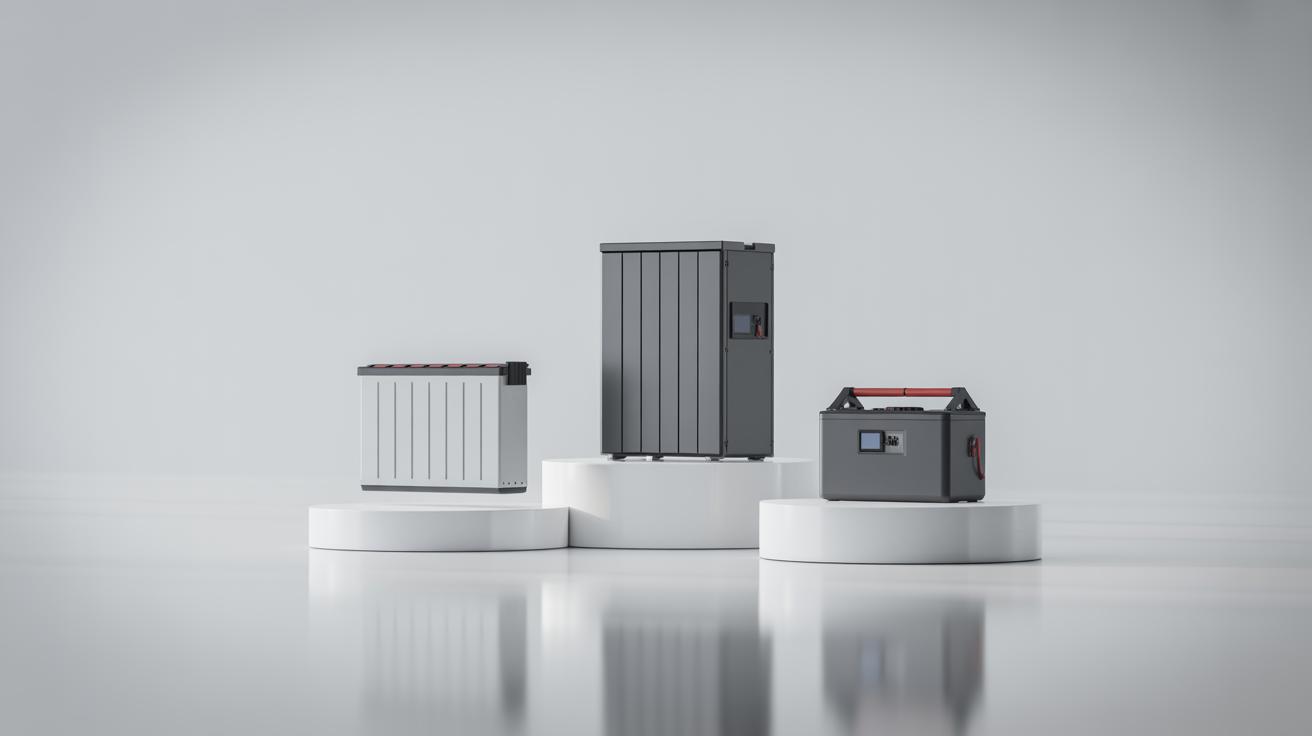
Modular battery storage is exactly what it sounds like: a system built from individual, stackable battery modules that connect together to scale your energy capacity. Unlike traditional monolithic batteries that come as a single, fixed unit, modular systems use interchangeable blocks, usually powered by lithium-ion chemistry, most commonly lithium iron phosphate (LiFePO4) cells.
Each module is a self-contained package housing battery cells, a Battery Management System (BMS) to monitor voltage and temperature, communication interfaces for talking to other modules and inverters, and safety features like fuses and thermal controls. The magic happens when you link modules together using standardized plug-and-play ports, forming a larger battery bank without any complex rewiring.
Inside each module, the chemistry is straightforward: during charging, lithium ions migrate from the cathode to the anode, storing energy. When you draw power, the process reverses, ions flow back, releasing electrons to power your home or business. A central or master BMS oversees the entire array, balancing charge levels across modules and ensuring safe, optimized performance. If one module starts to drift in voltage or temperature, the BMS can isolate or rebalance it, preventing cascading failures.
What sets modular systems apart is their intelligence and modularity. You're not just stacking dumb batteries, you're building a smart energy network that adapts in real time. Companies like Humless have pioneered this approach since 2010, integrating robust BMS technology with UL-certified LiFePO4 cells to deliver systems that are as reliable as they are flexible.
Key Benefits of Modular Battery Energy Storage Systems
Why are homeowners, installers, and businesses flocking to modular battery storage? Because the benefits go way beyond just "plug and play."
Longevity is a big one. Quality modular systems, especially those using LiFePO4 chemistry, deliver over 6,000 charge cycles with proper maintenance, translating to 15+ years of reliable service. That's a long-term investment that pays dividends in energy savings and resilience.
Easy maintenance is another game-changer. With a traditional battery, a single cell failure can mean replacing the entire unit. Modular systems let you swap out individual modules without taking the whole system offline. It's like replacing a bad spark plug instead of buying a new engine.
Cost efficiency makes modular storage accessible. Instead of dropping $13,600 on a full 20 kWh system upfront, you can start with one or two modules at around $3,200 per 5 kWh block and expand incrementally as your budget and energy needs grow. This pay-as-you-scale approach reduces financial barriers and spreads out capital investment.
Redundancy adds peace of mind. If one module develops an issue, the others keep running. Your backup power doesn't vanish because of a single point of failure, a critical feature for off-grid properties or homes relying on battery backup during outages.
Future-proofing is built into the design. As battery technology evolves, many modular systems let you mix older and newer modules using DC-DC optimizers or advanced BMS controllers, protecting your initial investment and keeping you on the cutting edge without starting from scratch.
Scalability: Start Small and Expand as Your Energy Needs Grow
One of the most compelling reasons to go modular is scalability. You can start with just one or two modules, say, 3.2 to 5 kWh each, covering essential loads like your fridge, lights, and internet during a power outage. Then, as you add more solar panels, purchase an EV, or simply want longer backup runtime, you add more modules up to the manufacturer's limits (often 3-5+ modules per tower, depending on the system).
Expansion is remarkably fast. For example, Sungrow documented adding a module to an existing residential stack in just 33 minutes by remotely matching charge states before physical connection. No downtime, no electrician for a full day, just plug, sync, and go.
If you need even more capacity, you can deploy multiple battery towers or cabinets, each managed by additional controllers that communicate with your central inverter or energy management system. This approach scales from a few kilowatt-hours for a small cabin to hundreds of kilowatt-hours for a commercial facility or microgrid.
For homeowners, this means you're never stuck. Start with what you need today, and let your system grow organically with your household's energy journey. Solar installers love this, too, it simplifies quoting, reduces upfront customer costs, and opens the door to future upsell opportunities as clients see the value firsthand.
Flexibility for Grid-Tied, Off-Grid, and Hybrid Applications
Modular battery storage isn't a one-trick pony. These systems excel in three distinct deployment modes: grid-tied, off-grid, and hybrid.
Grid-tied setups use batteries to stabilize home energy, arbitrage time-of-use rates (charge when power is cheap, discharge when it's expensive), and provide backup during outages. Advanced systems can even participate in grid services like voltage regulation or demand response programs, turning your battery into a revenue-generating asset.
Off-grid applications are where modular storage really shines. Remote properties, cabins, and homesteads that can't connect to utility power rely entirely on batteries paired with solar, wind, or generators. Modular systems give these users the ability to scale storage as they add more renewable generation or as their energy needs change seasonally.
Hybrid configurations blend the best of both worlds, coupling batteries with solar arrays, wind turbines, backup generators, and even EV chargers. Modern stackable inverters, like those from SigEnergy or integrated platforms from Humless, coordinate all these sources seamlessly, optimizing when to charge, discharge, export to the grid, or hold reserves.
Whether you're a suburban homeowner hedging against blackouts, a rural property owner living off the land, or a business smoothing out peak demand charges, modular battery storage adapts to your exact use case without forcing compromises.
Choosing the Right Modular Battery Storage System for Your Needs
Not all modular battery systems are created equal, so how do you pick the right one?
Start by assessing your capacity needs. Calculate your daily energy consumption and how many hours of backup you want. A typical home uses 20-30 kWh per day, but essential loads (fridge, lights, well pump) might only need 5-10 kWh for overnight backup. Don't oversize initially, modular systems let you add capacity later.
Next, check tower or stack limits. Some manufacturers cap expansion at 3 modules per stack: others allow 5 or more. If you anticipate needing significant capacity, confirm the system can scale without requiring multiple separate towers (which add cost and complexity).
Cell chemistry matters. LiFePO4 (lithium iron phosphate) is the gold standard for safety, longevity, and thermal stability. It's less prone to thermal runaway than other lithium chemistries and handles thousands of cycles. Humless systems, for example, exclusively use UL-certified LiFePO4 cells for maximum safety and reliability.
BMS sophistication varies widely. Look for systems with cell-level monitoring, automatic balancing, and remote diagnostics. A robust BMS prevents problems before they start and makes troubleshooting a breeze.
Compatibility is crucial. Ensure your chosen battery modules work with your existing or planned inverter, charge controllers, and energy management software. Some brands offer tightly integrated ecosystems: others use open protocols for mix-and-match flexibility.
Finally, consider weight and form factor. Lightweight modules are easier to handle during installation and expansion. If you're installing in a basement or second story, a 50-pound module beats a 200-pound monolith every time.
Compare warranties, cycle ratings, and real-world user reviews. And don't skip support, having 24/7 technical assistance (like Humless offers) can save you hours of frustration and downtime.
Installation and Integration with Solar, Wind, and Grid Power
One of the biggest advantages of modular battery storage is installation simplicity, especially if you're working with a professional installer. Most systems are designed with plug-and-play connectors, so adding a module doesn't require rewiring your entire electrical panel or inverter.
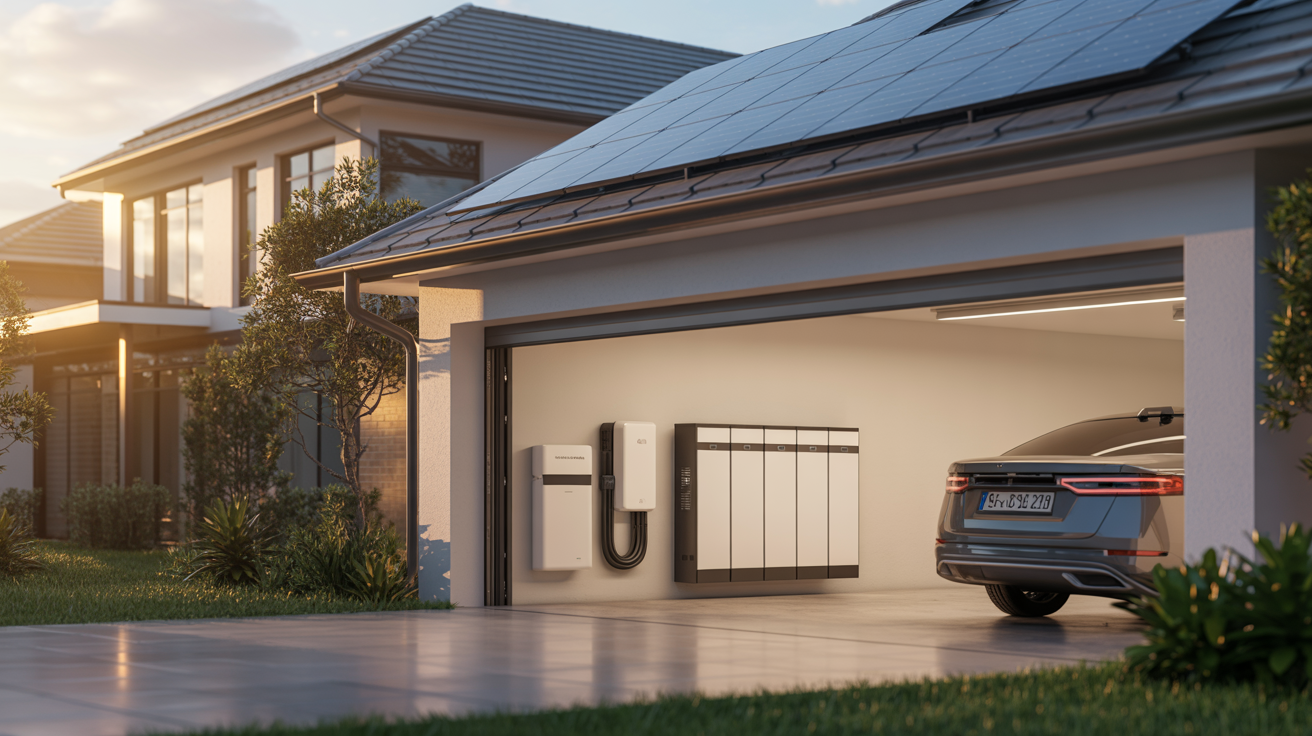
For new installations, your solar installer or electrician will mount the initial modules (often in a garage, utility room, or outdoor enclosure), connect them to your inverter or hybrid charge controller, and configure the BMS settings. From there, the system charges from excess solar or wind generation, stores energy, and discharges during evening peaks or grid outages.
When you're ready to expand, the process is straightforward: match the new module's state of charge to the existing array (many systems do this automatically or via an app), physically connect the module using the standardized ports, and let the BMS recognize and integrate it. No service calls, no downtime.
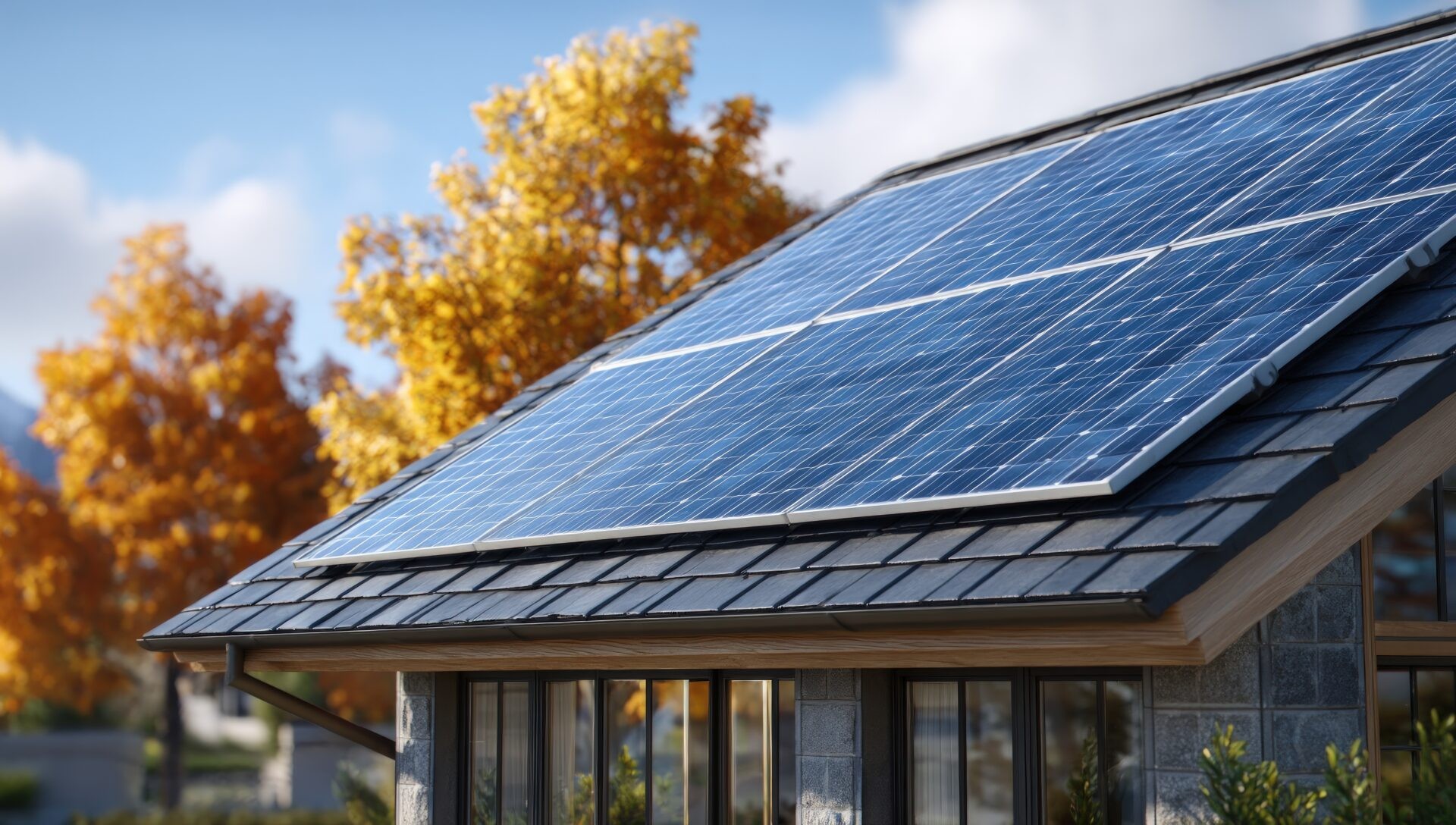
Integration with solar is seamless. During sunny days, your solar array feeds the home's immediate loads, charges the battery modules, and (if grid-tied) exports surplus to the utility. At night or during clouds, the batteries take over, delivering stored solar energy and maximizing self-consumption.
Wind power works similarly, any excess generation goes to the batteries for later use, smoothing the intermittent nature of wind.
Grid integration lets you arbitrage energy costs or provide backup. In areas with time-of-use rates, charge batteries overnight at low rates and discharge during expensive peak hours. During outages, a transfer switch or hybrid inverter isolates your home and runs critical loads from the battery.
Generator backup adds another layer. Modular systems can accept charging from a backup generator, extending runtime and reducing generator fuel consumption by cycling it on only when batteries dip below a threshold.
The result? A resilient, intelligent energy ecosystem that adapts to multiple sources and keeps your home or business powered no matter what.
Real-World Applications: Who Benefits Most from Modular Storage?
Modular battery storage isn't just theory, it's already transforming how people and organizations manage energy.
Households expanding solar are a natural fit. A family installs a 5 kW solar array and starts with 10 kWh of battery storage. A year later, they add an EV and another 5 kW of panels, so they drop in two more battery modules to match. No wasted investment, no rip-and-replace.
Off-grid property owners rely on modular storage for energy independence. A remote cabin might start with a single module and a small solar array, then scale up as the owners spend more time on-site or add appliances. The flexibility to expand without overhauling the entire system is a game-changer for off-grid living.
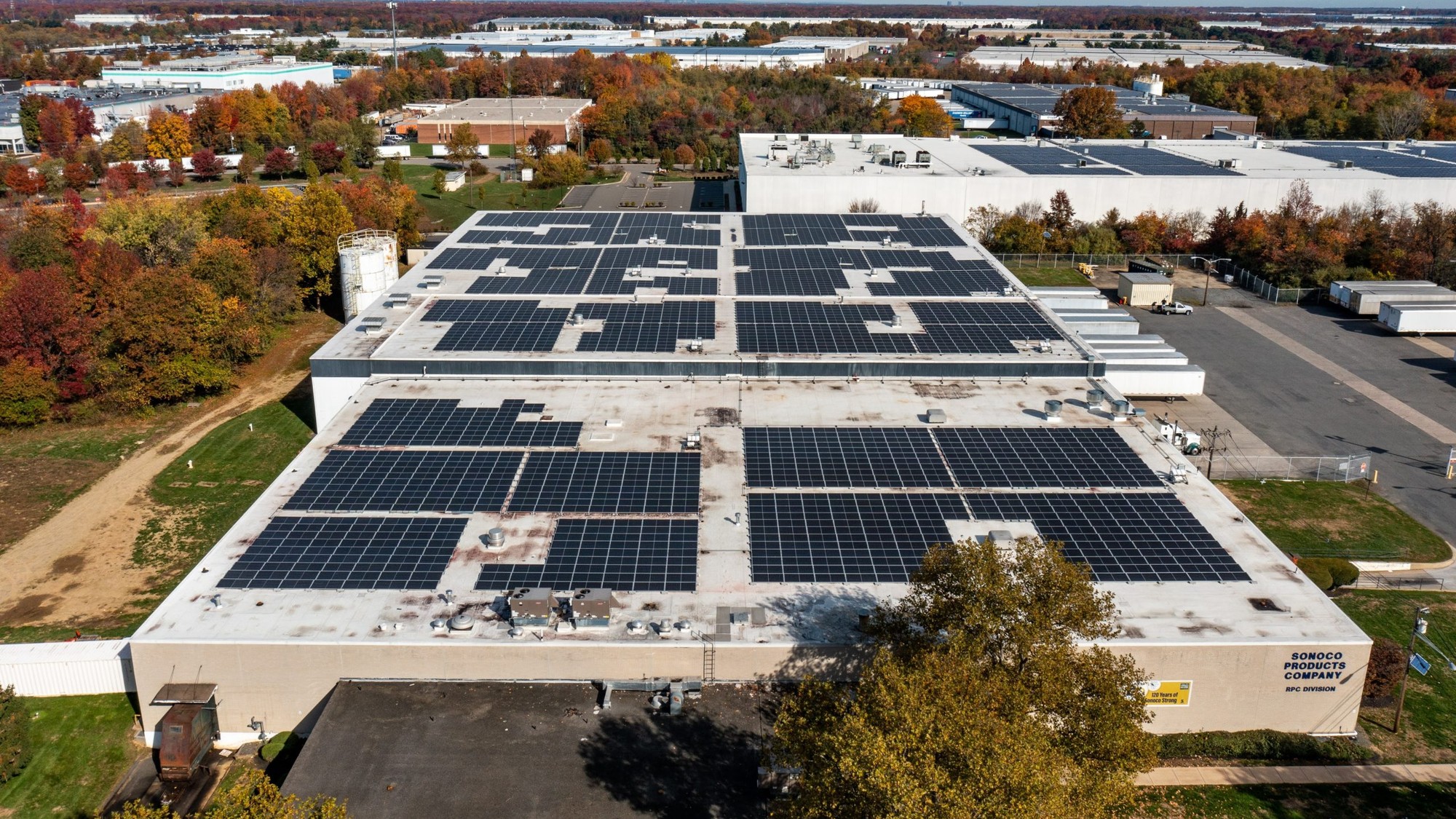
Businesses use modular storage for peak shaving and demand charge reduction. A retail store or warehouse can install a modest battery bank, monitor energy usage patterns, and add capacity strategically to cut monthly utility bills. Commercial systems can scale into the megawatt range with modular blocks, making them cost-effective for everything from small businesses to industrial facilities.
Grid operators and utilities are deploying modular storage for renewables integration and grid stabilization. Projects like Form Energy's multi-megawatt installations use modular architectures to balance supply and demand, store excess wind and solar, and provide ancillary services like frequency regulation.
Solar installers and integrators benefit, too. Modular systems simplify quoting, reduce upfront customer objections, and create ongoing revenue streams through future expansions and service contracts.
Whether you're a homeowner seeking resilience, a business cutting costs, or a community building a microgrid, modular battery storage delivers the scalability, flexibility, and reliability needed to take control of your energy future. And with proven solutions from pioneers like Humless, backed by 15+ years of innovation and 24/7 support, you're not just buying a battery: you're investing in true energy independence.
Frequently Asked Questions About Modular Battery Storage
What is modular battery storage and how does it work?
Modular battery storage uses stackable lithium-ion (LiFePO4) modules that connect via plug-and-play ports to scale capacity. Each module contains battery cells, a Battery Management System (BMS) for monitoring voltage and temperature, and safety features. A central BMS balances all modules, ensuring safe, optimized performance across the entire array.
Can I start small with modular battery storage and add more later?
Yes, that's the core advantage. Start with 1-2 modules (3.2-5 kWh each) and expand incrementally as your energy needs grow, up to manufacturer limits (typically 3-5+ modules per tower). Expansion takes as little as 33 minutes with no downtime or full rewiring needed.
How long do modular battery storage systems last?
Quality modular systems using LiFePO4 chemistry deliver over 6,000 charge cycles with proper maintenance, translating to 15+ years of reliable service. This longevity, combined with the ability to replace individual modules without system downtime, makes modular storage a durable long-term investment.
What are the main cost benefits of modular battery storage?
Modular systems reduce upfront costs through incremental expansion. Instead of spending $13,600 on a complete 20 kWh system, you can start with one 5 kWh module at around $3,200 and add more as your budget and needs grow, spreading out capital investment over time.
Can modular battery storage work with solar and grid power?
Yes, modular systems excel in grid-tied, off-grid, and hybrid applications. They charge from excess solar or wind generation, store energy, and discharge during peaks or outages. Modern stackable inverters seamlessly coordinate solar, wind, grid connection, and backup generators for flexible energy management.
What should I look for when choosing a modular battery storage system?
Assess your capacity needs, tower expansion limits, cell chemistry (LiFePO4 is the gold standard), BMS sophistication with cell-level monitoring, and compatibility with your inverter. Also consider module weight, warranties, cycle ratings, and access to 24/7 technical support for reliable long-term performance.