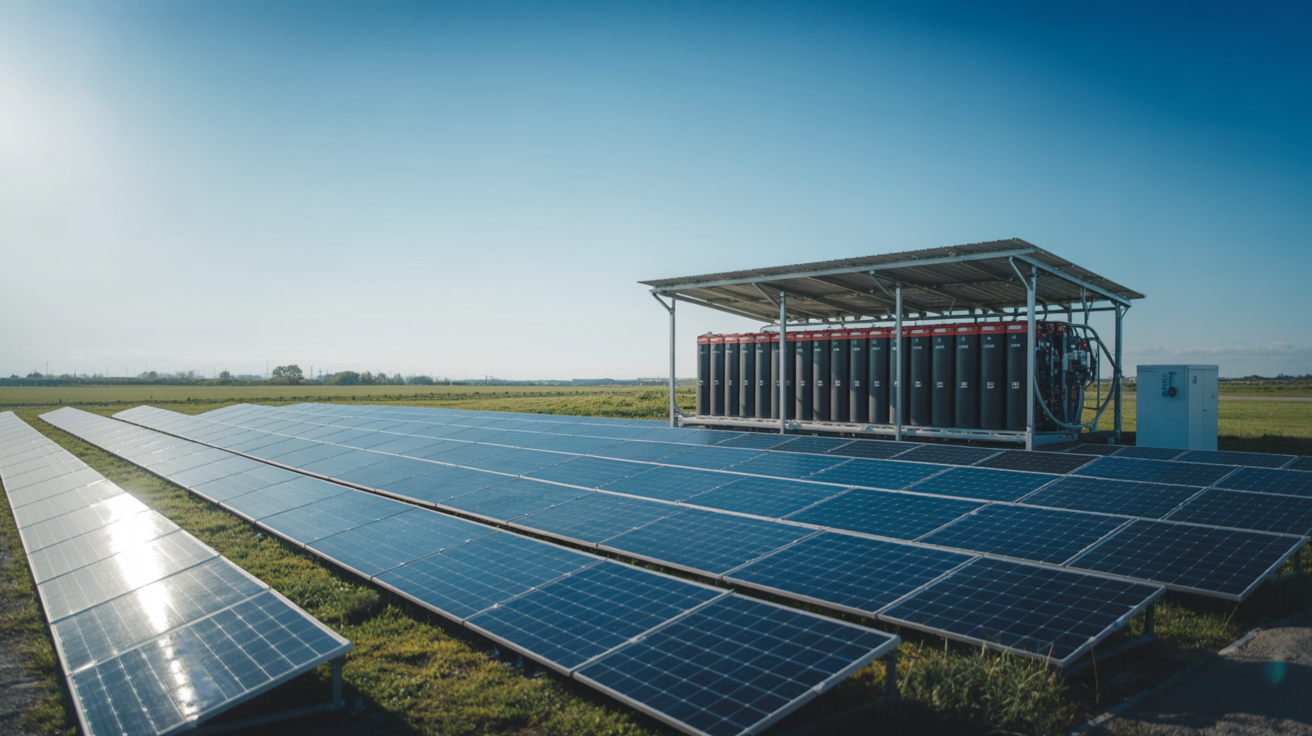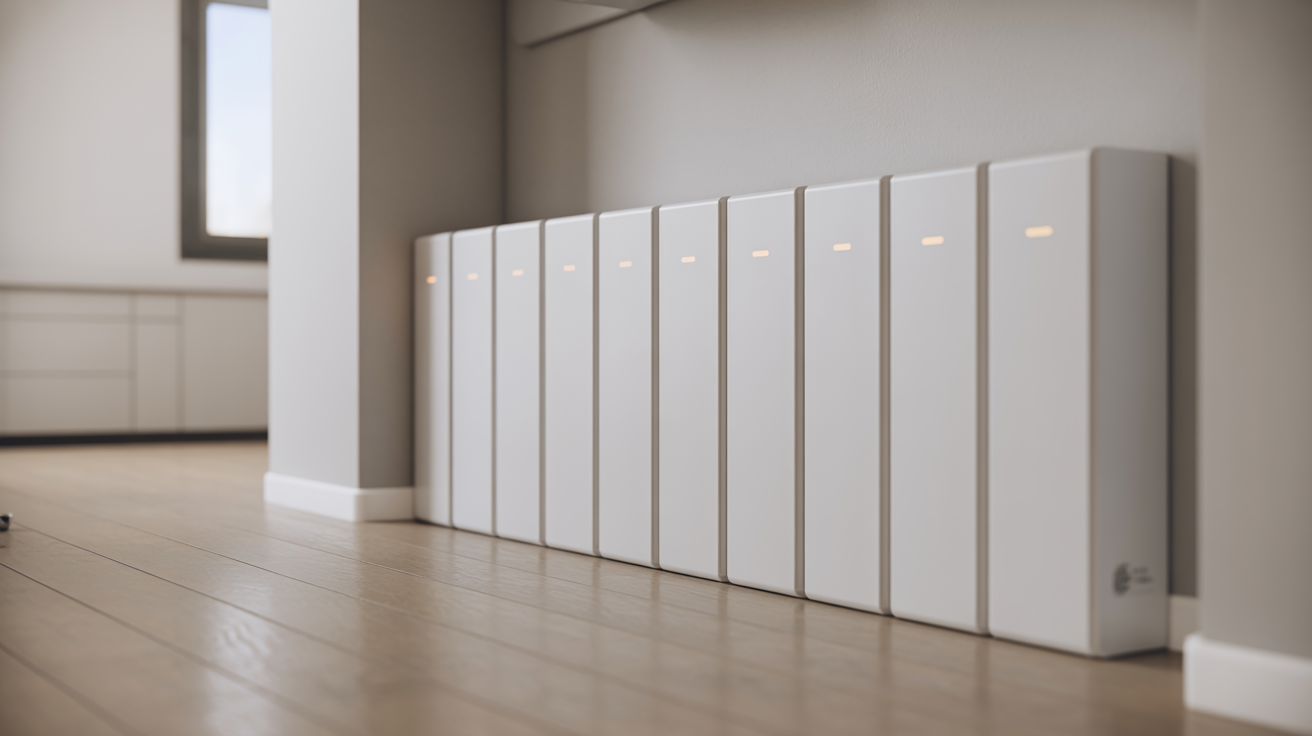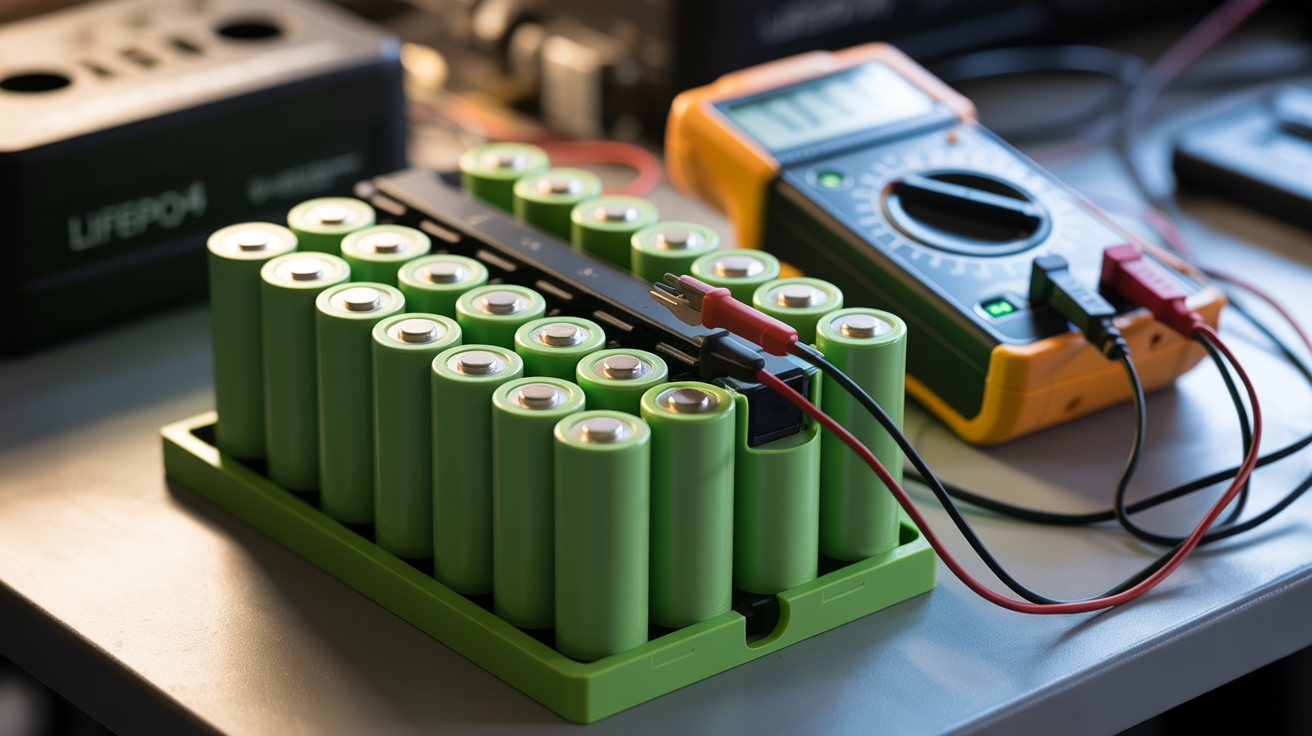

When you're miles from the nearest hookup and your morning coffee depends on stored battery power, you quickly learn that not all RV batteries are created equal. If you've ever dealt with the weight, maintenance, and limited capacity of traditional lead-acid batteries, the jump to a 400Ah lithium battery can feel like upgrading from a flip phone to a smartphone. A 400Ah lithium RV battery, typically a 12V LiFePO₄ unit, delivers high capacity, exceptional cycle life, and remarkably low maintenance, making it a game-changer for anyone serious about off-grid travel or extended boondocking adventures.
Key Takeaways
- A 400Ah lithium battery for RV delivers 320–400Ah of usable capacity compared to just 200Ah from equivalent lead-acid batteries, effectively doubling your off-grid runtime without adding weight.
- LiFePO₄ batteries last 8–12+ years and handle 3,000–5,000+ charge cycles, meaning you'll replace lead-acid batteries multiple times while your 400Ah lithium unit keeps powering your RV.
- A quality 400Ah lithium RV battery weighs just 90–110 pounds versus 400–500 pounds for lead-acid, making a critical difference for staying under GVWR and improving vehicle handling.
- Look for UL certifications, robust Battery Management Systems with Bluetooth monitoring, 3,000–4,000+ cycle life ratings, and 5–10 year warranties when selecting your 400Ah battery.
- A 400Ah lithium battery provides 4.3 kWh of usable energy, supporting typical RV loads for 2–3 days, while heavier continuous loads like air conditioners require pairing with solar arrays or generators.
- Installation requires compatible charging equipment (lithium-profile converters and solar controllers), proper cable sizing with 300–400A fusing, and low-temperature charging protection for winter camping.
Why Choose a 400Ah Lithium RV Battery Over Traditional Options
The difference between lithium and traditional lead-acid batteries isn't just incremental, it's transformative. While conventional flooded or AGM batteries have served RVers for decades, they come with limitations that become frustrating once you spend more than a weekend off-grid.
Dramatically more usable energy sits at the top of the list. Lead-acid batteries can typically discharge only 50% of their rated capacity without risking damage and shortened lifespan. That means a 400Ah lead-acid bank realistically gives you just 200Ah of usable power. A lithium rv battery 400ah, on the other hand, can safely discharge 80–100% of its capacity, delivering a full 320–400Ah of usable energy in the same package. You essentially double your runtime without adding a single pound.
Lifespan is where lithium truly pulls ahead. Lead-acid batteries typically manage 300–500 charge cycles before performance drops off sharply, that's maybe two to three years of regular use. Lithium iron phosphate (LiFePO₄) batteries routinely deliver 3,000–5,000+ cycles, translating to 8–12 years or more of reliable service. Over a decade, you'll replace lead-acid batteries multiple times while your lithium unit keeps going.
Then there's weight and footprint. LiFePO₄ chemistry packs three to four times the energy density of lead-acid. A single 400Ah lithium battery can weigh as little as 90–110 pounds, compared to 400–500 pounds for an equivalent lead-acid bank. That weight savings matters when you're trying to stay under your RV's GVWR or simply want better handling on mountain roads.
Finally, charging speed and voltage stability make day-to-day life easier. Lithium batteries accept charge current much faster, often topping off in a few hours rather than the all-day slog of lead-acid. They also hold a steady voltage throughout discharge, so your lights don't dim and your inverter runs more efficiently right down to the last few percent of charge.
Key Features to Look for in a Lithium RV Battery 400Ah
Not all 400Ah lithium batteries are built the same. When you're investing in a battery that could power your home-on-wheels for the next decade, a few core specifications separate the exceptional from the adequate.
Energy rating gives you the bottom line on stored power. A 12V 400Ah battery holds roughly 4.8–5.1 kWh of energy (voltage × amp-hours ÷ 1000). That's your fuel tank. With 90% usable depth of discharge, you're looking at around 4.3 kWh of practical energy, enough to run moderate loads for days or heavy appliances for hours.
Cycle life should be at least 3,000–4,000 cycles at 80% depth of discharge. Premium units from manufacturers like Humless push 5,000–6,000 cycles, which means more years of service and a lower cost-per-cycle over the battery's lifetime. Check whether the manufacturer publishes real test data, not just marketing claims.
A robust built-in Battery Management System (BMS) is non-negotiable. The BMS protects against overvoltage, undervoltage, overcurrent, short circuits, and temperature extremes. It's the brain that keeps individual cells balanced and prevents the catastrophic failures you occasionally hear about with poorly designed lithium packs. Look for units with BMS monitoring accessible via Bluetooth or an app, being able to see real-time voltage, current, and cell balance on your phone is incredibly useful for troubleshooting.
Charge and discharge current ratings determine what you can actually power. A quality 400Ah battery should handle at least 200–400A continuous discharge, with surge capability up to 600A or more for starting heavy loads like air conditioners or induction cooktops. On the charge side, faster is generally better, but make sure your solar controller or shore-power charger can supply what the battery accepts (often 100–200A).
Finally, pay attention to temperature range and cold-weather protection. Many lithium batteries include low-temperature cutoff that prevents charging below freezing (which can damage cells), but still allow discharge. If you camp in winter, consider models with integrated heaters or plan to insulate and heat your battery compartment.
Battery Chemistry and Safety Certifications
LiFePO₄ (lithium iron phosphate) is the gold standard for RV applications. Unlike other lithium chemistries (NMC, NCA), LiFePO₄ offers outstanding thermal stability and an extremely low risk of thermal runaway or fire. The chemistry is inherently safer, which is why it's become the dominant choice for residential energy storage and mobile power systems.
Safety certifications matter. Look for UL 1973, UL 9540, CE, UN38.3, IEC 62619, or equivalent marks depending on your region. These aren't just bureaucratic checkboxes, they indicate the battery has passed rigorous third-party testing for electrical safety, thermal abuse, vibration, and short-circuit conditions. Humless products, for instance, carry UL certifications and are backed by comprehensive warranties, giving you confidence the battery won't become a liability on a long trip.
A strong warranty, typically 5–10 years or a guaranteed cycle count, is your insurance policy. Read the fine print to understand what's covered and any conditions (like operating temperature limits) that might void coverage.
How Much Power Does a 400Ah Battery Provide for Your RV?
Numbers on a spec sheet only become meaningful when you translate them into real-world runtime. A 12V 400Ah lithium battery stores approximately 4.8 kWh of energy. With 90% depth of discharge (a safe, typical figure for LiFePO₄), you have about 4.3 kWh of usable power before you should recharge.
Let's break that down with everyday RV loads:
- 1,000W appliance (microwave, rice cooker, small space heater): roughly 3–4 hours of runtime.
- 500W load (laptop, TV, LED lights, water pump, phone chargers combined): around 7–8 hours.
- 100W continuous draw (refrigerator on DC, LED lighting, fans): upwards of 40 hours or more.
Of course, real life is messier. Inverter efficiency (usually 85–95%) eats a few percentage points. Voltage drop in cables, startup surges from motors, and duty cycles (appliances that cycle on/off) all affect actual runtime. A 12V compressor fridge might average 40W over 24 hours even though it draws 60W when the compressor runs, because it's only on about two-thirds of the time.
For a typical couple boondocking in moderate weather, a 400Ah lithium battery can comfortably support:
- Refrigerator (40W average)
- LED lighting (20W evening use)
- Water pump (intermittent, ~10W average)
- Laptops and phones (30W combined)
- Occasional microwave or coffee maker use
…for two to three days without recharging, assuming around 1.5–2 kWh daily consumption. Add a modest solar array (400–600W), and you can often break even or stay topped off indefinitely in sunny conditions.
If you run an air conditioner (1,200–1,800W), expect the battery to last only a few hours under continuous load. That's where many RVers stack two 400Ah batteries in parallel for 800Ah total capacity, or pair their lithium bank with a generator for heavy-load periods.
Installation and Integration with Your RV Electrical System
Swapping a 400Ah lithium battery into your RV isn't quite plug-and-play, but it's far simpler than many people fear, especially if you plan ahead and verify compatibility.
Start by confirming physical dimensions and weight. Measure your existing battery compartment (length, width, height) and compare against the new battery's specs. Many 400Ah lithium units are Group 8D size or slightly larger. While they're much lighter than equivalent lead-acid, you still want secure mounting to prevent movement during travel. Use battery hold-downs or straps rated for the weight.
Charger and converter settings are critical. Most RV converters and inverter/chargers designed for lead-acid use absorption voltages around 14.4–14.8V and float around 13.2–13.6V. LiFePO₄ batteries prefer a narrower range: typically 14.2–14.6V absorption and 13.6V float (or no float at all). Check your converter's manual, many modern units (Progressive Dynamics, WFCO, Victron) offer selectable lithium profiles or firmware updates. If yours doesn't, you may need to replace the converter or use an external lithium-compatible charger.
For solar integration, ensure your charge controller supports lithium profiles. MPPT controllers from Victron, Renogy, and Morningstar have preset LiFePO₄ settings. Program the correct voltage setpoints and temperature compensation (or disable temp comp if your battery has internal heating).
Cable sizing and fusing can't be an afterthought. A 400Ah battery can deliver hundreds of amps in a short-circuit scenario. Use appropriately thick cables (often 2/0 or 4/0 AWG for inverter connections) with a properly rated fuse or circuit breaker at the battery positive terminal, usually 300–400A depending on your inverter and loads. A main battery disconnect switch is also smart for safety and storage.
Finally, low-temperature considerations: if you camp in freezing weather, remember that most lithium batteries should not be charged below 32°F (0°C). Many batteries include internal cutoff to prevent this, but you can also add a battery heater pad or insulate the compartment and use waste heat from the RV. Discharge (using stored power) works fine even well below freezing.
Humless energy storage systems, for example, are designed with robust BMS and integration guides that simplify setup, whether you're working with solar, generator, or shore power.
Maintenance and Lifespan: What to Expect from Your 400Ah Lithium Battery
One of the biggest practical advantages of lithium RV batteries is how little attention they demand. Forget the days of checking water levels, cleaning corrosion off terminals, and performing equalization charges.
Maintenance is minimal. LiFePO₄ batteries are sealed, require no watering, and have extremely low self-discharge, typically 2–3% per month. You can leave your RV parked for weeks or even months, and the battery will still hold most of its charge. Many experienced RVers simply top off the battery every few months during storage and call it good.
Expected lifespan for a quality 400Ah lithium battery ranges from 8–12+ years under typical use, translating to 4,000–6,000+ cycles at 80% depth of discharge. Even if you fully cycle the battery every single day (which is rare), you're looking at over a decade of service. More realistically, with partial daily cycling and occasional full discharge, many users see 12–15 years before capacity drops below 80% of original.
For long-term storage, manufacturers typically recommend maintaining a state of charge around 50–70%. This minimizes calendar aging and keeps the BMS and cells in optimal condition. If you're winterizing your RV, a quick top-off to 60% and disconnecting the battery is usually sufficient.
The total cost of ownership often surprises people. Yes, a 400Ah lithium battery costs $1,200–$2,500 upfront, several times the price of a lead-acid equivalent. But when you factor in the lifespan (one lithium battery vs. three to five lead-acid replacements), the maintenance saved, and the performance benefits, lithium usually wins on a ten-year cost basis. You also avoid the disposal hassles and environmental impact of constantly replacing heavy lead-acid banks.
Systems from companies like Humless come with industry-leading warranties (often 10 years) and proven track records since 2010, giving you confidence that your investment will deliver reliable power year after year. With 24/7 support and UL-certified components, you're not gambling on an emerging technology, you're buying mature, tested energy storage that simply works.
Conclusion
A 400Ah LiFePO₄ RV battery offers the trifecta RVers crave: high usable capacity, exceptional longevity, and hassle-free operation. Whether you're chasing sunsets in the desert or weathering storms off-grid, the combination of lightweight design, fast charging, and years of dependable service makes lithium the smart choice for serious travelers. Pair it with a properly configured solar and charging system, and you'll enjoy true energy independence on the road.
Frequently Asked Questions About 400Ah Lithium RV Batteries
How much usable energy does a 400Ah lithium RV battery actually provide?
A 12V 400Ah lithium battery stores approximately 4.8–5.1 kWh of energy. At a safe 90% depth of discharge, you get around 4.3 kWh of usable power—enough to run moderate loads for days or heavy appliances for several hours.
What makes a 400Ah lithium RV battery better than lead-acid?
Lithium batteries deliver 80–100% usable capacity versus only 50% for lead-acid, last 3,000–5,000+ cycles (8–12+ years vs. 2–3 years), weigh 90–110 pounds instead of 400–500 pounds, and charge faster with steady voltage throughout discharge.
What key features should I look for in a quality 400Ah lithium battery for my RV?
Prioritize LiFePO₄ chemistry, cycle life of 3,000–4,000+ at 80% depth of discharge, a robust built-in BMS with Bluetooth monitoring, 200–400A continuous discharge rating, and safety certifications like UL 1973, UL 9540, or CE. Also check temperature range and cold-weather protection.
Can I really run my RV for days on a 400Ah lithium battery alone?
Yes, with moderate loads. A 4.3 kWh usable battery supports a fridge (40W), lights (20W), water pump, and electronics for two to three days without recharging. Heavy loads like air conditioners drain it in a few hours; most users pair two batteries or add solar for extended independence.
What charger and converter settings do I need for a 400Ah lithium RV battery?
LiFePO₄ batteries require 14.2–14.6V absorption and 13.6V float, different from lead-acid's 14.4–14.8V absorption. Many modern converters (Victron, Progressive Dynamics) have selectable lithium profiles. Verify your charger supports LiFePO₄ or upgrade to a lithium-compatible model.
How long do 400Ah lithium RV batteries actually last, and what's the real cost of ownership?
Quality lithium batteries deliver 8–12+ years and 4,000–6,000+ cycles before capacity drops below 80%. While upfront cost is $1,200–$2,500, you save money long-term versus replacing lead-acid three to five times. Factor in zero maintenance and better performance; lithium usually wins on a ten-year timeline.