Whether you're boondocking in the desert or camping at a national park with strict noise ordinances, the right RV generator inverter can make or break your off-grid experience. Unlike traditional open-frame generators that sound like a lawn mower at full throttle, modern inverter generators deliver clean, stable power quietly enough for conversation, and your neighbors won't hate you for it. From ultra-portable 2000-watt units to high-capacity models that can run multiple appliances at once, we've rounded up the seven best inverter generators for RV living in 2026, including a game-changing battery energy storage alternative that eliminates fuel, fumes, and noise altogether.
Key Takeaways
- The Honda EU2200i is the gold standard RV generator inverter, combining whisper-quiet operation (48–57 dB), excellent fuel economy, and legendary reliability in a portable 47-pound package.
- Quiet inverter generators like the Yamaha EF2000iSv2 and Westinghouse iGen4500 are essential for campgrounds with strict noise ordinances, operating as quietly as 51.5–52 dB while delivering clean power to sensitive electronics.
- Dual-fuel and high-output RV generator inverter models from Champion and Westinghouse provide flexibility for extended trips and larger RVs, with some units delivering 18+ hours of runtime and powering multiple appliances simultaneously.
- Budget-conscious RVers can get reliable performance from the WEN 56380i at under $600, proving an RV generator inverter doesn't require premium pricing to deliver clean sine-wave power and essential features like TT-30R outlets.
- Humless Battery Energy Storage Systems offer a silent, emission-free alternative to traditional fuel-based generators, using LiFePO4 batteries charged by solar panels for true energy independence without noise, fumes, or maintenance.
- Modern RV generator inverter technology features smart throttling, parallel-capable expansion, and mobile app monitoring, allowing you to optimize fuel efficiency and manage power output for extended boondocking adventures.
1. Honda EU2200i: The Gold Standard for Quiet, Fuel-Efficient RV Power
The Honda EU2200i has earned its reputation as the best inverter generator for RV use thanks to its whisper-quiet operation, legendary reliability, and impressive fuel economy. With a maximum output of 2200 watts and a rated continuous output of 1800 watts, it handles essentials like air conditioning units in smaller RVs, microwaves, laptops, and lighting without breaking a sweat.
At just 47.4 pounds dry weight (46.5 pounds in some configurations), it's light enough for solo travelers to move around camp without throwing out their back. The EU2200i delivers 8.1 hours of runtime at quarter load, meaning you can run low-draw appliances through the night on a single tank. Its noise level ranges from 48 to 57 dB depending on load, quieter than normal conversation, making it ideal for campgrounds with noise restrictions.
Honda's advanced inverter technology produces clean sine-wave power that's safe for sensitive electronics, and the Eco-Throttle system automatically adjusts engine speed to match demand, saving fuel and reducing wear. You can also parallel two EU2200i units for up to 4400 watts if your RV needs more juice. It's pricier than budget options, but the combination of build quality, dealer support, and resale value makes it the gold standard in the RV community.
2. Yamaha EF2000iSv2: Whisper-Quiet Performance with Long Runtime
If silence is your top priority, the Yamaha EF2000iSv2 stands out as one of the quietest portable inverter generators on the market. With a noise level as low as 51.5 dB at quarter load, it's barely louder than a refrigerator hum, perfect for serene campgrounds where you want to hear birds, not engines.
Yamaha built the EF2000iSv2 with their renowned four-stroke engine and inverter technology, delivering 2000 watts of surge power and 1600 watts continuous. That's enough to power a 13,500 BTU air conditioner on eco mode, charge batteries, and run a coffee maker without tripping breakers. The generator's fuel tank holds 1.1 gallons and provides up to 10.5 hours of runtime at quarter load, one of the longest runtimes in its class.
Weighing around 44 pounds, it's slightly lighter than the Honda EU2200i, and the built-in handle makes short moves around camp easy. Yamaha includes Smart Throttle technology, which adjusts engine speed based on electrical load, maximizing fuel efficiency and minimizing noise. It's also parallel-capable with a second unit for doubled output. The EF2000iSv2 costs slightly less than the Honda and comes with Yamaha's three-year warranty, offering excellent value for RVers who prize quiet, dependable power.
3. Champion 3400-Watt Dual Fuel Inverter Generator: Versatile Fuel Options for Extended Trips
For RVers who want maximum flexibility, the Champion 3400-Watt Dual Fuel Inverter Generator runs on both gasoline and propane, letting you choose whichever fuel is cheaper or more convenient at the moment. With 3400 starting watts and 3100 running watts on gasoline (slightly less on propane), this unit powers larger RV air conditioners, refrigerators, microwaves, and multiple devices simultaneously.
The dual-fuel capability is a game-changer for extended boondocking trips. Propane is easier to store long-term than gasoline, doesn't gum up carburetors, and burns cleaner. On a full 20-pound propane tank, you'll get around 14.5 hours at quarter load: switch to gasoline and you'll see about 7.5 hours on the 3.4-gallon tank. The generator weighs roughly 95 pounds, so it's heavier than the Honda or Yamaha, but still manageable with the included wheel kit and fold-down handle.
Champion's Dual Fuel technology and electric start (with a backup recoil) make operation hassle-free. Noise levels sit around 59 dB at quarter load, not the quietest, but reasonable for most campgrounds. The built-in RV-ready outlet (TT-30R) eliminates the need for adapters, and you can parallel two units if you need even more power. Champion backs it with a three-year warranty and free lifetime technical support, making it a solid mid-range choice for versatile, high-output RV power.
4. WEN 56380i Super Quiet RV-Ready Generator: Budget-Friendly Reliability
The WEN 56380i proves you don't have to spend thousands of dollars to get a capable RV inverter generator. With 3800 surge watts and 3400 running watts, it delivers enough clean power to run a 15,000 BTU air conditioner, charge house batteries, and keep appliances humming, all while staying under $600 in most markets.
Even though its budget-friendly price, the 56380i doesn't skimp on features. It includes an RV-ready TT-30R receptacle, USB ports for phone charging, and an electric start for convenience. The inverter technology produces pure sine wave power that's safe for laptops, TVs, and sensitive electronics. At quarter load, the generator runs for up to 8.5 hours on its 2.2-gallon fuel tank, and noise levels hover around 57 dB, quiet enough for most campgrounds.
Weighing about 99 pounds with built-in wheels and a telescoping handle, it's portable enough for solo setup. WEN includes fuel shutoff for easy maintenance and overload protection to safeguard your gear. While it may not have the brand cachet or resale value of Honda or Yamaha, the WEN 56380i offers exceptional value for RVers on a budget who need reliable, clean power without compromise. It's backed by a two-year warranty and a responsive customer service team.
5. Westinghouse iGen4500: High Output Power for Larger RVs and Multiple Appliances
When your RV is more like a rolling apartment and you need serious wattage, the Westinghouse iGen4500 steps up with 4500 peak watts and 3700 running watts, enough to power dual air conditioners, a residential refrigerator, and entertainment systems all at once. This makes it ideal for Class A motorhomes or fifth wheels with heavy electrical loads.
The iGen4500 features electric push-button start, telescoping handle, and all-terrain wheels, so moving 98 pounds of generator around camp is surprisingly easy. It runs on a 3.4-gallon fuel tank and delivers up to 18 hours at quarter load in Eco Mode, one of the longest runtimes in the high-output inverter class. Noise levels stay around 52 dB at quarter load, which is remarkably quiet given the power output.
Westinghouse includes an integrated Bluetooth module that connects to a mobile app, letting you monitor runtime, output, and maintenance reminders from your phone. The RV-ready TT-30R outlet, multiple 120V household outlets, and USB ports give you plenty of connectivity. It produces clean sine wave power safe for all electronics, and you can parallel two units for up to 9000 watts if needed. The iGen4500 is covered by a three-year warranty and offers premium features at a competitive price point for RVers who won't compromise on power or convenience.
6. Generac GP3000i: Compact Design with PowerRush Technology
The Generac GP3000i combines portability with smart engineering, delivering 3000 starting watts and 2300 running watts in a package that weighs just 59 pounds. Its standout feature is Generac's PowerRush technology, which provides up to 50% more starting capacity, allowing you to start power-hungry appliances like air conditioners and refrigerators that would normally require a larger generator.
This makes the GP3000i punch well above its weight class. You get a 1.2-gallon fuel tank that provides up to 6.5 hours of runtime at 25% load, not the longest, but reasonable for daytime use or evening power. Noise levels measure around 57 dB, quiet enough for most RV parks and campgrounds. The True Power inverter technology produces clean, stable electricity safe for laptops, phones, and medical devices.
Generac built the GP3000i with an intuitive control panel featuring LED status lights, USB outlets, and standard 120V receptacles. The compact frame and integrated handle make it easy to toss in your RV storage bay, and the generator can be paralleled with a second unit for 4600 watts. It's a smart middle ground between ultra-light 2000-watt units and heavier 3500+ watt models, offering PowerRush starting boost that maximizes versatility without adding bulk. Generac backs it with a two-year warranty.
7. Humless Battery Energy Storage Systems: The Silent, Emission-Free Alternative to Traditional RV Generators
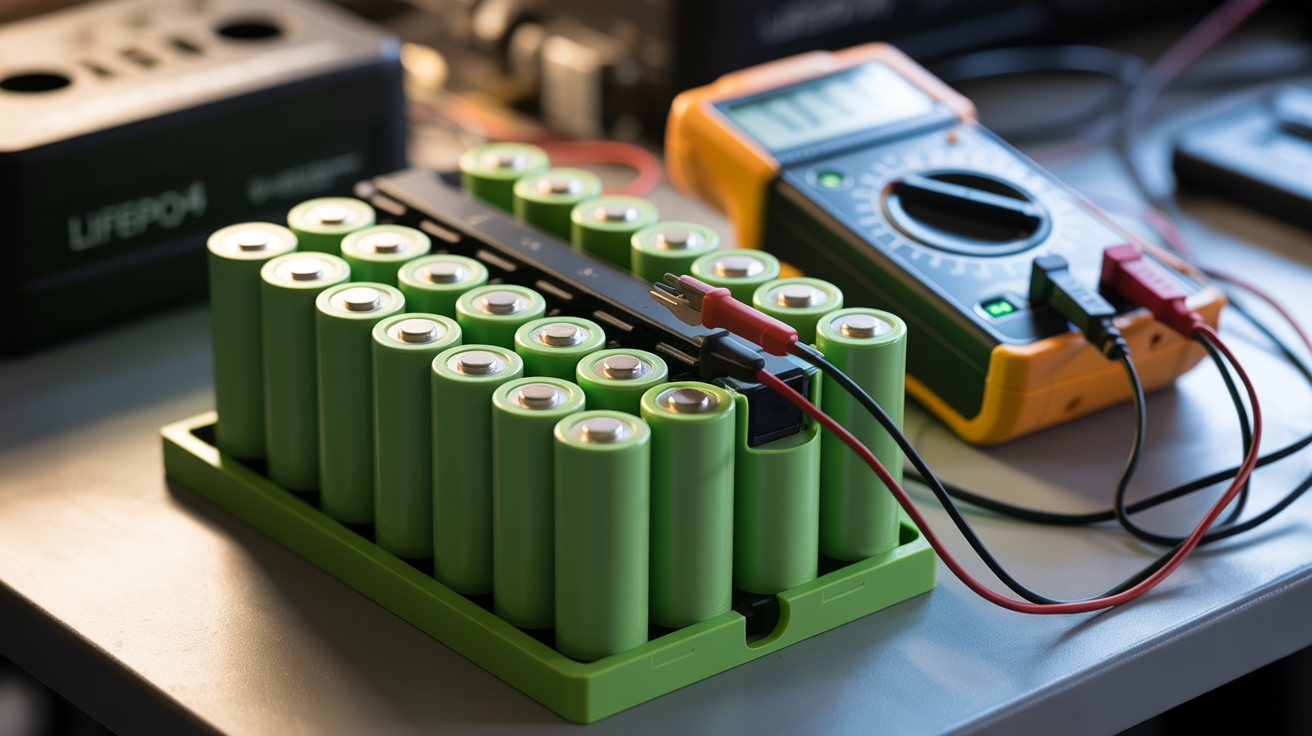
If you're ready to leave gasoline generators behind entirely, Humless Battery Energy Storage Systems represent the future of RV power. Instead of combustion engines, Humless BESS units use UL-certified LiFePO4 batteries to store energy from solar panels, shore power, or even a traditional generator, then deliver it silently and emission-free whenever you need it.
For RV owners seeking energy independence, Humless systems eliminate the noise, fumes, maintenance, and fuel costs of conventional generators. You'll never wake up at 3 a.m. to refuel, never worry about campground quiet hours, and never deal with carburetor cleaning or oil changes. Humless units integrate seamlessly with solar arrays, letting you recharge from the sun during the day and run appliances, air conditioning, and electronics all night long. With 15+ years of proven reliability and 24/7 support, Humless has been a pioneer in residential and off-grid energy storage since 2010.
Humless BESS are scalable, start with one unit and expand capacity as your needs grow. They're also lighter and more compact than carrying extra fuel cans and a noisy generator. For homeowners, off-grid property owners, and businesses looking for reliable backup power, Humless systems offer the same seamless integration and control. If your goal is true energy independence, fewer moving parts, and zero emissions on the road, Humless Battery Energy Storage Systems are the best alternative to every generator on this list.
Frequently Asked Questions About RV Generator Inverters
What is the best RV generator inverter for quiet camping?
The Honda EU2200i is widely regarded as the best RV generator inverter for quiet operation, producing just 48–57 dB depending on load—quieter than normal conversation. The Yamaha EF2000iSv2 is equally impressive at 51.5 dB, making both excellent choices for noise-sensitive campgrounds.
How many watts do I need for my RV generator inverter?
Most RVs need 2000–3000 watts for basic appliances and air conditioning. Smaller units like the Honda EU2200i (1800W rated) handle essentials, while larger RVs with dual AC units require 3400+ watts. Consider your largest appliance's startup wattage when choosing.
Can an RV generator inverter safely power sensitive electronics?
Yes. Modern RV generator inverters produce clean sine-wave power that's safe for laptops, phones, TVs, and medical devices. All top models, including Honda, Yamaha, and Westinghouse units, feature inverter technology designed specifically to protect sensitive electronics.
What are the benefits of dual-fuel RV generators?
Dual-fuel RV generators like the Champion 3400-Watt run on both gasoline and propane, offering flexibility for extended trips. Propane stores longer without degrading, burns cleaner, and is easier to refill. You can choose whichever fuel is cheaper or more available at your location.
How long will an RV generator inverter run on a single tank?
Runtime varies by model and load. The Honda EU2200i runs 8.1 hours at quarter load, while larger units like the Westinghouse iGen4500 deliver up to 18 hours in Eco Mode. Dual-fuel models extend runtime significantly, especially on propane tanks.
What is a battery energy storage system for RVs, and how does it differ from a traditional generator?
Battery energy storage systems like Humless BESS eliminate fuel, emissions, and noise by using LiFePO4 batteries charged from solar panels or shore power. Unlike gas generators, they require no maintenance, produce zero emissions, and operate silently—ideal for full-time RV living or eco-conscious travelers.