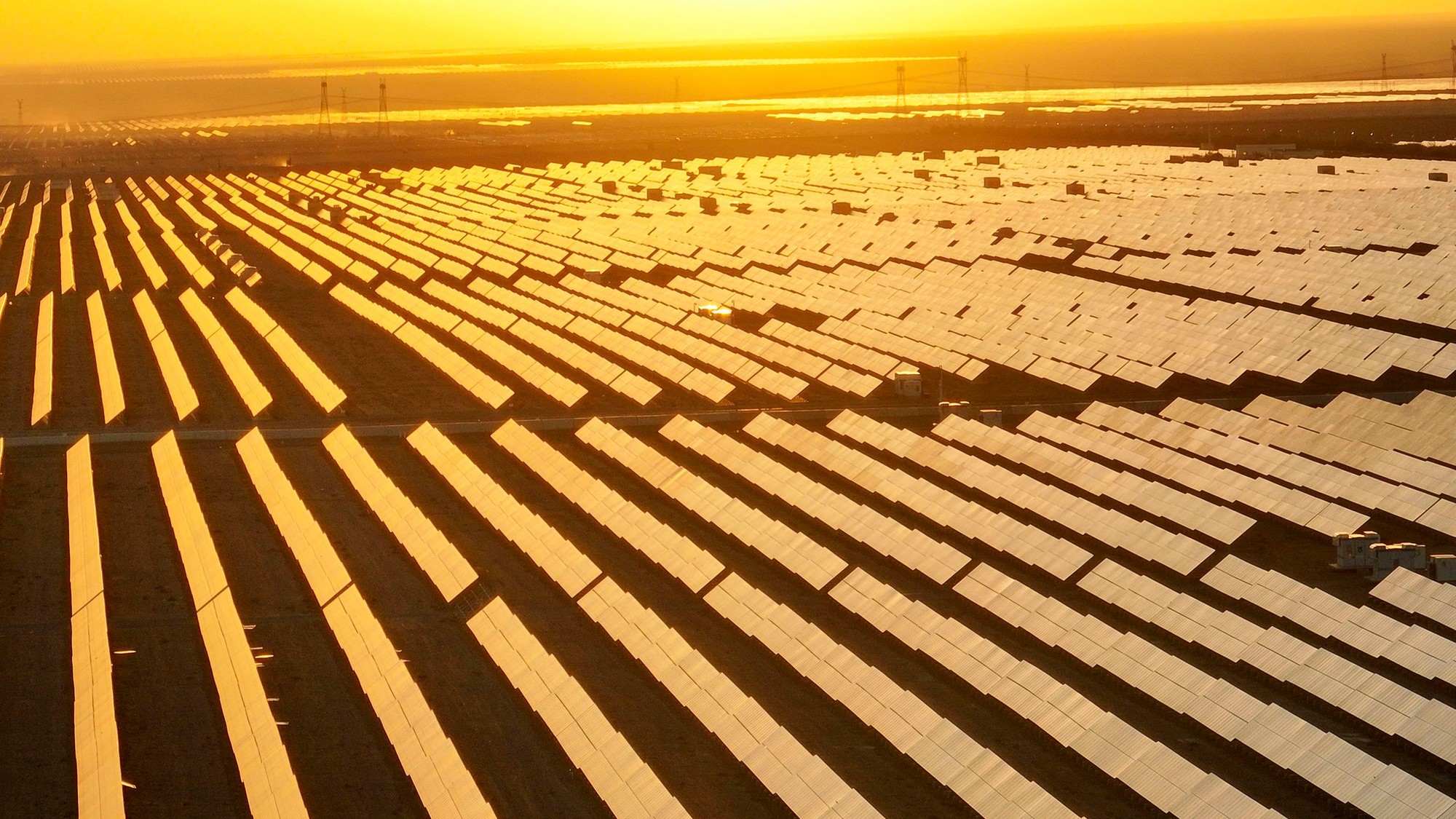
Solar energy is one of the most practical, scalable, and future-ready ways to generate electricity in 2026. It turns abundant sunlight into usable power for homes, businesses, farms, remote sites, and critical infrastructure. Whether you are trying to lower utility bills, gain backup power, or build long-term energy independence, solar is no longer an emerging idea—it is a proven energy strategy with real financial and performance benefits.
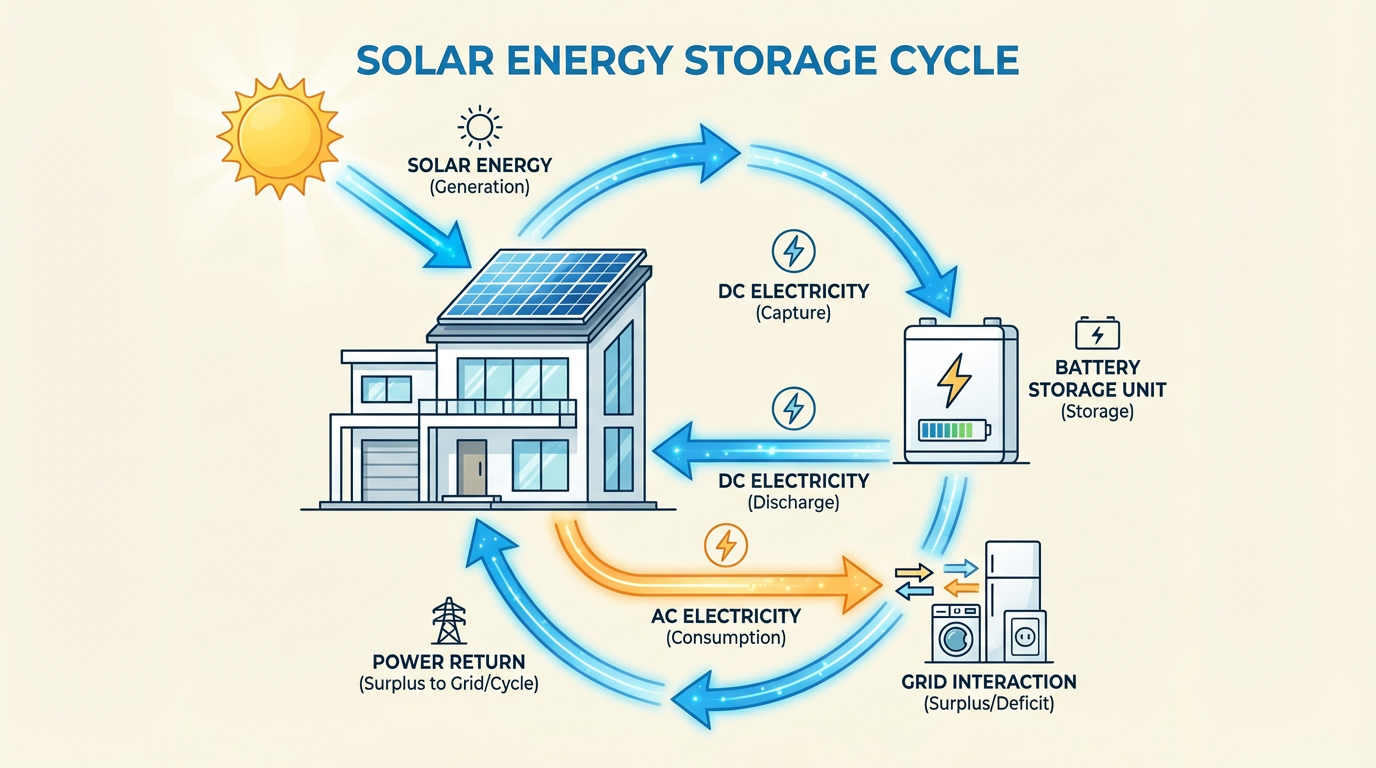
At its core, solar is simple: sunlight hits a solar panel, the panel generates direct current electricity, and an inverter converts that electricity into the alternating current your appliances and equipment need. The details, however, matter. Panel efficiency, inverter performance, roof orientation, battery storage, utility rates, and local incentives all influence how much value a system delivers. That is why companies like Humless, a Battery Energy Storage company since 2010, focus not only on generation but also on storage, resilience, and system design that actually works in the real world.
Key Takeaways
- Solar energy is the conversion of sunlight into electricity, most commonly through photovoltaic panels.
- A solar system works by generating DC power, converting it through an inverter, and delivering AC power to your home or business.
- Real-world solar output depends on panel efficiency, sunlight hours, temperature, shading, inverter quality, and system design.
- Battery storage is the key to using solar power after sunset and maintaining backup power during outages.
- In 2026, the 30% federal ITC tax credit can significantly reduce the cost of eligible solar and battery projects.
- Humless solutions, including the Humless Universal 6kW BESS and 5kWh LiFePO4 Battery, are designed to support resilient, UL-focused energy systems with a 10-year warranty.
What Is Solar Energy?
Solar energy is the radiant energy produced by the sun. Every hour, the sun sends more energy toward Earth than humanity uses in a year, which is why solar remains one of the most compelling clean energy sources available. For practical use, solar energy is captured and converted into electricity or heat. In modern power systems, the most common technology is photovoltaics, often shortened to PV.
PV systems convert sunlight directly into electricity using semiconductor materials, usually silicon. When photons from sunlight strike the PV cells, they excite electrons and create an electrical current. That current can power lights, appliances, machines, telecom equipment, pumps, and battery systems. Solar thermal systems also exist, but in residential and commercial power applications, PV dominates because it is modular, reliable, and easier to integrate with batteries and inverters.
What makes solar especially important in 2026 is its flexibility. A small rooftop array may offset part of a household’s utility bill, while a larger system with battery storage can provide energy resilience during outages or support off-grid operations. Utility-scale solar farms can feed large amounts of clean electricity into the grid. In every case, the principle is the same: turn free sunlight into usable power with minimal fuel cost and low ongoing maintenance.
Solar energy is also one of the most transparent energy technologies. Once installed, the fuel is free, operating costs are relatively low, and performance can be measured in real time. That makes it easy to understand both the environmental and financial impact of a system. For many customers, the biggest benefit is not just lower bills, but greater control over where their electricity comes from and how reliably it is available.
How Solar Panels Turn Sunlight Into Electricity
The heart of a solar system is the photovoltaic cell. Each cell is typically made from silicon layers engineered to create an electric field. When sunlight hits the cell, the photons transfer energy to electrons in the silicon, freeing them to move. That movement produces direct current, or DC electricity. Individual cells are wired together into modules, and modules are assembled into panels that make up an array.
Under standard test conditions, solar irradiance is measured at 1,000 watts per square meter, cell temperature is 25°C, and air mass is 1.5. These conditions are useful for comparison, but real-world performance is different. A panel rated at 400 watts under laboratory conditions will usually produce less than that much power most of the day because of temperature rise, angle of the sun, dirt, wiring losses, and weather variation. In many climates, a realistic system loss of 10% to 25% is normal.
Panel efficiency is another key number. Most high-quality residential panels in 2026 fall in the range of about 19% to 23% efficiency, with premium models occasionally pushing higher. Efficiency is not the same as total output; it simply describes how much incoming sunlight becomes electricity. Higher-efficiency panels can produce more power in limited roof space, which is why they are often preferred on smaller roofs or in premium applications.
Once DC electricity is generated, it must be converted into AC electricity for standard equipment. This is where the inverter comes in. String inverters, microinverters, and hybrid inverters all perform this function, but in different ways. Modern inverters often achieve efficiencies in the 96% to 99% range, and many include maximum power point tracking, or MPPT, which continually adjusts operating conditions to harvest the most energy possible from each panel or string.
Temperature also matters. Solar panels generally lose performance as they get hotter. A common temperature coefficient is around -0.3% to -0.5% per degree Celsius above 25°C, meaning a hot rooftop can reduce output more than many first-time buyers expect. That is one reason system design, airflow, panel spacing, and location matter so much. Good engineering can often add more value than a slightly larger panel count installed poorly.
The Main Components of a Solar Power System
A complete solar energy system is more than a panel on a roof. It is a coordinated set of components designed to generate, convert, monitor, and sometimes store power. Understanding each part helps you choose the right system and avoid costly mismatches.
- Solar panels: Capture sunlight and generate DC electricity.
- Inverter: Converts DC power into usable AC power.
- Mounting hardware: Secures panels to the roof, ground rack, or other structure.
- Combiner boxes and disconnects: Organize circuits and provide safety shutoff points.
- Battery storage: Stores excess solar energy for night use or backup power.
- Charge controller or hybrid inverter: Manages battery charging and energy flow in integrated systems.
- Monitoring software: Tracks energy production, consumption, and system health.
For systems that include storage, the battery is often the most important component after the panels themselves. A battery determines whether solar energy is available only when the sun is shining or also after sunset and during utility outages. Modern LiFePO4 batteries are especially popular because they offer strong cycle life, excellent thermal stability, and practical depth-of-discharge performance. In many cases, a quality LiFePO4 battery can deliver thousands of cycles, making it a durable backbone for home and business energy systems.
Humless has focused on this segment for years because storage is what turns solar from a daytime generation asset into a real resilience strategy. The Humless Universal 6kW BESS and the 5kWh LiFePO4 Battery are examples of how storage can be integrated into a dependable energy architecture. Designed with safety, performance, and compatibility in mind, these systems support customers who want more than just bill reduction—they want control, continuity, and confidence.
Safety matters just as much as capacity. When evaluating components, it is wise to look for UL-focused product design and properly engineered integration. UL certification helps validate safety standards for electrical and battery systems, which is especially important in homes, commercial facilities, and mission-critical installations. A well-designed system should also include proper breakers, disconnects, clear labeling, and installation practices that reduce risk over the life of the equipment.
Solar System Types: Grid-Tied, Hybrid, and Off-Grid
Not every solar system is built the same way. The right design depends on your goals, location, utility rules, and whether you need backup power. In 2026, the three most common configurations are grid-tied, hybrid, and off-grid systems.
Grid-tied solar is the simplest and most common configuration. The solar array connects to the utility grid, and the inverter synchronizes with the grid’s voltage and frequency. During the day, the home or building uses solar power first, and any excess may be exported to the grid depending on local net metering or buyback rules. Grid-tied systems are efficient and cost-effective, but they usually shut down during outages for safety unless they include backup capabilities.
Hybrid solar adds battery storage and can provide backup power when the grid goes down. This is where a battery energy storage system becomes especially valuable. During normal operation, the system may use solar power, charge the battery, and interact with the utility grid. During an outage, it can isolate from the grid and continue serving selected loads or, in some cases, the whole property. Hybrid systems offer an excellent balance of savings and resilience.
Off-grid solar operates independently from the utility. These systems are common in remote homes, cabins, telecom sites, water pumping stations, and emergency installations. Because there is no grid to rely on, off-grid systems require careful sizing and usually include batteries, charge controllers, and often backup generation. They are highly effective when properly designed, but they must be engineered conservatively to account for cloudy periods, winter sun variation, and seasonal load changes.
For many users, hybrid systems are the best fit in 2026. Solar alone reduces energy costs, but solar plus storage also protects against outages, time-of-use rate spikes, and grid instability. If your loads are critical or your utility rates are high, storage can dramatically improve the economics of solar over time. That is why many customers choose a system that includes a robust battery platform such as the Humless Universal 6kW BESS paired with the 5kWh LiFePO4 Battery, especially when they want backup power that is practical, quiet, and low maintenance.
How to Size a Solar System in 2026
System sizing is where a lot of solar projects succeed or fail. A system that is too small will underperform and disappoint. A system that is too large may tie up budget without delivering a proportional return. The right answer depends on your energy use, solar resource, available space, and whether you want backup power.
One of the simplest ways to estimate solar production is to use annual generation per installed kilowatt. In many U.S. locations, a well-sited residential PV system can produce roughly 1,200 to 1,700 kilowatt-hours per year for each installed kW. Sunnier regions can do even better, while shaded or northern locations may be lower. For example, a 10 kW array in a strong solar market may generate 14,000 to 17,000 kWh annually, enough to offset a large portion of an average home’s electricity use.
To size a system, start with your monthly usage from utility bills. If your home uses 900 kWh per month, your annual usage is about 10,800 kWh. If your site produces 1,500 kWh per kW per year, a rough starting point would be about 7.2 kW of solar capacity. That estimate should then be refined based on roof orientation, shading, inverter architecture, local weather, and whether you want to offset 100% or only part of your consumption.
Battery sizing requires a different calculation. You need to consider the number of critical loads you want to back up and for how long. A 5kWh battery can support a 500-watt load for about 10 hours, or a 1,000-watt load for about 5 hours, before losses and depth-of-discharge limits are considered. In a real system, usable energy is slightly less than nameplate capacity because batteries are typically not discharged to zero. Still, a 5kWh LiFePO4 battery is a very practical size for essential loads, communications, lighting, refrigeration, routers, and small appliances.
For larger backup needs, a modular battery energy storage system can expand runtime and output. The Humless Universal 6kW BESS is designed to serve customers who need meaningful power delivery in a compact footprint. A 6kW output level can support many household and light commercial loads simultaneously, though actual runtime depends entirely on total load and battery capacity. The best way to size correctly is to list your critical circuits, note their watts or amps, and estimate how long each must remain powered during an outage.
It is also wise to think beyond today’s usage. Many people plan solar for 10 to 25 years, so the system should account for future EV charging, heat pumps, shop equipment, or business expansion. Good sizing is not just about meeting current demand; it is about building a flexible platform that can grow with your needs.
Why Battery Storage Matters More Than Ever
Solar without storage is useful, but solar with storage is transformative. The biggest limitation of solar power is not technology—it is timing. The sun does not always shine when electricity is needed most. Battery storage solves that problem by shifting midday energy into the evening, overnight, or outage periods.
From an economic standpoint, batteries help customers use more of their own generation instead of exporting it at a lower rate. In places with time-of-use pricing, a battery can also help reduce expensive peak-period consumption. That means solar can save money not only by producing power, but also by strategically displacing expensive grid electricity. In practical terms, storage increases the value of every kilowatt-hour your solar array produces.
From a resilience standpoint, batteries are even more important. Weather events, wildfires, utility maintenance, equipment failures, and grid instability can all interrupt service. A battery-backed system can keep essential circuits running when the utility goes down. For homeowners, that may mean refrigeration, lighting, communications, and medical equipment. For businesses, it may mean point-of-sale systems, network hardware, security systems, or process controls.
Humless has spent years focusing on the storage side of this equation. Founded in 2010, Humless has built its reputation around battery energy storage systems that are practical and field-tested. Glenn Jakins, Founder and CTO, brings more than 15 years of experience and has been involved in over 15,000 deployments. That kind of experience matters because storage is not just about battery chemistry; it is about integration, reliability, and real-world use cases.
The chemistry matters too. LiFePO4, or lithium iron phosphate, has become a leading battery technology for energy storage because it offers strong cycle life, good thermal stability, and dependable performance under frequent cycling. Compared with older battery chemistries, it is generally better suited to solar applications where the battery may charge daily and discharge nightly. This is one reason the 5kWh LiFePO4 Battery is such a practical building block for modern systems.
When comparing battery products, look for more than capacity. Review cycle life, usable depth of discharge, operating temperature, integration quality, and safety documentation. Also ask about warranty length. A 10-year warranty is an important indicator that the manufacturer expects the product to perform over the long term and stands behind the system. Pair that with UL-focused safety design, and you have a much stronger foundation for a resilient energy project.
Solar Economics, Incentives, and the 2026 Outlook
The economics of solar in 2026 are shaped by equipment prices, utility rates, financing, and incentives. The good news is that solar and storage remain attractive in many markets because electricity prices continue to rise in numerous regions while technology costs and installation practices have become more mature.
One of the most important incentives is the 30% federal Investment Tax Credit, often referred to as the ITC. For qualifying projects, including eligible battery storage installations, this credit can substantially reduce the net cost of a solar-plus-storage system. A 30% credit on a $20,000 eligible project is a $6,000 tax credit, which can materially improve payback and cash flow. As always, customers should confirm eligibility with a qualified tax professional, but the ITC remains a major reason 2026 is still a strong year to invest in solar and storage.
To understand payback, you have to evaluate your utility bill, your export credit rate, and how much of your solar generation you consume on-site versus send back to the grid. Self-consumption usually creates the highest value. If your utility pays very little for exported energy, batteries can often improve project economics by keeping more power on-site. If your local rates include expensive evening peaks, batteries can be even more compelling.
System quality also affects long-term economics. A cheaper system that underperforms or requires premature replacement can be more expensive over 10 to 20 years than a higher-quality system with better uptime and a longer warranty. That is why product selection matters. UL certification, strong engineering, reliable inverter compatibility, and a 10-year warranty all contribute to lower lifetime cost, not just lower upfront cost.
Humless systems are built with this lifecycle mindset. Customers looking for a dependable solar-plus-storage package often want the peace of mind that comes from a product family designed for real deployment, not just lab testing. The combination of the Humless Universal 6kW BESS, the 5kWh LiFePO4 Battery, and a company culture shaped by long-term field experience is especially relevant as demand for backup power and energy independence continues to grow.
Looking ahead, solar will continue to benefit from better panel efficiency, smarter software, more capable batteries, and broader electrification trends such as EV charging and heat pump adoption. In 2026, the smartest systems are not just generation systems—they are energy management systems. The best installations produce power, store power, protect critical loads, and adapt to changing needs over time.
Frequently Asked Questions
How long do solar panels last?
Most quality solar panels are designed to last 25 years or more. Many continue producing usable power well beyond that period, although output gradually declines over time. A typical degradation rate is around 0.3% to 0.8% per year, meaning a panel may still operate at roughly 80% to 90% of original output after two decades, depending on quality and conditions.
Can solar power work during a blackout?
Standard grid-tied solar systems usually shut down during a blackout for safety reasons. To keep power on, the system needs battery storage and the proper inverter architecture. A hybrid system with backup capability can run critical loads during outages, which is one of the main reasons many customers choose a battery-backed solution.
Is the 30% federal tax credit available in 2026?
Yes, qualifying solar and battery storage projects can still be eligible for the 30% federal ITC in 2026. Eligibility depends on the system and the taxpayer’s situation, so it is best to confirm details with a tax professional. For many projects, the credit meaningfully improves the return on investment.
Why choose LiFePO4 batteries for solar storage?
LiFePO4 batteries are popular because they offer strong cycle life, good thermal stability, and reliable performance under frequent charging and discharging. They are well suited to solar applications, where a battery may cycle every day for years. This is why products like the Humless 5kWh LiFePO4 Battery are practical choices for modern energy storage systems.
If you are evaluating solar for your home, business, or critical infrastructure, the next step is to get a system designed around your actual loads, backup requirements, and budget. Humless has been helping customers build resilient energy solutions since 2010, and our team can help you compare options, understand incentives, and select the right storage architecture for your needs.
Contact Humless today for a consultation and learn how the Humless Universal 6kW BESS, 5kWh LiFePO4 Battery, and our UL-focused, warranty-backed storage solutions can help you build a smarter solar energy system in 2026.