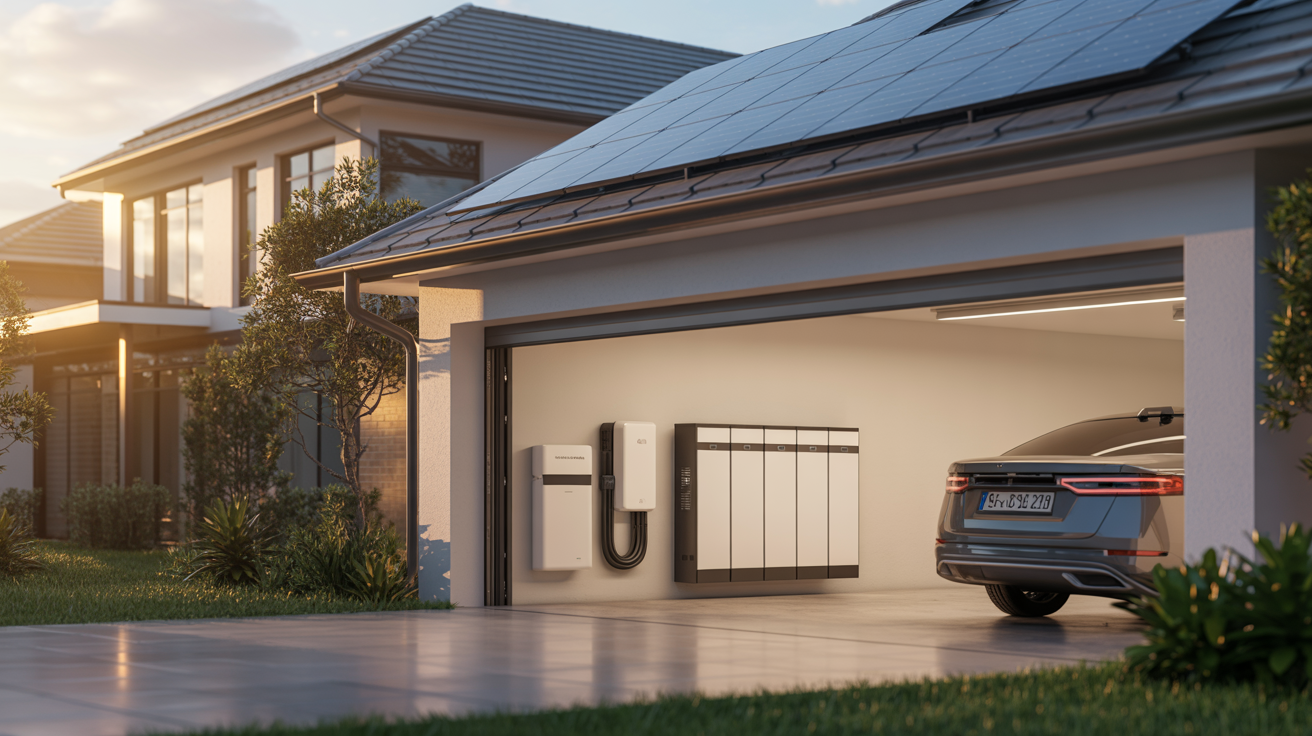
Solar panels on your roof are great, until the sun goes down. That's when most homes flip back to grid power, missing out on the clean energy they just generated. A solar energy storage system changes that equation entirely. By capturing excess electricity during the day and releasing it when you need it most, storage transforms solar from a daytime-only resource into a 24/7 power solution. Whether you're chasing lower bills, blackout protection, or true energy independence, understanding how storage works, and which system fits your needs, is the key to maximizing your solar investment in 2026.
Key Takeaways
- A solar energy storage system captures excess electricity generated by your panels during the day and releases it at night or during outages, transforming solar into a 24/7 power solution.
- Lithium-ion battery systems, particularly LiFePO4 technology, are the industry standard for residential solar installations, offering high efficiency (85–95%), long cycle life (4,000+ cycles), and superior reliability.
- Solar energy storage enables significant bill savings through load shifting and peak shaving, especially when paired with time-of-use electricity rates offered by many utilities.
- A properly configured solar-plus-storage system provides backup power during grid outages, protecting critical loads and offering peace of mind in areas prone to storms or infrastructure issues.
- System sizing requires careful analysis of your daily load profile, capacity needs (kWh), and power rating (kW) to balance upfront costs against long-term ROI and energy independence goals.
- Federal tax credits, state incentives, and utility rebates can significantly reduce the upfront cost of solar energy storage systems, which typically range from $5,000 to $10,000 per unit.
What Is a Solar Energy Storage System?
A solar energy storage system captures electricity generated by your solar panels and stores it for later use. Instead of sending all that excess power back to the grid or letting it go to waste, the system banks it, so you can draw on it at night, during cloudy weather, or when the grid goes down.
Most residential and commercial setups use battery energy storage systems (BESS) paired with photovoltaic (PV) panels. These batteries charge during peak sunlight hours and discharge when solar production drops or household demand spikes. The result? You use more of your own clean energy and rely less on utility power.
While batteries dominate the residential market, other storage types exist. Thermal storage captures heat for later use, often in concentrating solar power plants. Mechanical storage, like pumped hydro or flywheels, stores energy through physical movement. But for homeowners, off-grid property owners, and small businesses, lithium-ion battery systems are the go-to solution for pairing with rooftop solar.
How Solar Energy Storage Systems Work
The process is straightforward. During the day, your solar panels generate DC electricity. That power flows to an inverter (or hybrid inverter), which converts it to AC electricity your home can use. If you're producing more than you're consuming, the excess gets routed to your battery instead of the grid.
Once the battery is fully charged, any additional surplus can be exported to the grid (if you're grid-tied) or curtailed (if you're off-grid). When the sun sets or clouds roll in, your system automatically switches to battery power. The stored electricity discharges to meet your load, keeping lights on and appliances running without pulling from the utility.
This seamless handoff is managed by the system's control logic, often built into the inverter or a dedicated energy management system. You can configure priority rules: some homeowners want backup reserves held for outages, while others prefer to cycle the battery daily to offset evening peak rates. Modern systems like those from Humless let you monitor and adjust these settings in real time, giving you full control over when and how your stored energy gets used.
Types of Solar Energy Storage Systems
Not all storage systems are created equal. Here's a breakdown of the most common options:
Lithium-Ion Batteries
The industry standard for solar PV systems. Lithium-ion, and especially LiFePO4 (lithium iron phosphate), batteries offer high energy density, long cycle life, and excellent efficiency. They're lighter, more compact, and safer than older chemistries. Humless BESS units, for example, use UL-certified LiFePO4 cells designed to deliver thousands of cycles with minimal degradation.
Lead-Acid Batteries
Older technology, still used in some off-grid setups. Lead-acid batteries are cheaper upfront but have shorter lifespans, lower depth-of-discharge limits, and require more maintenance. They're bulkier and less efficient, making them less attractive for modern solar installations.
Thermal Storage
Stores energy as heat rather than electricity. Common in large-scale concentrating solar power (CSP) plants, thermal storage uses molten salt or other materials to hold heat for electricity generation later. Not practical for residential use.
Mechanical Storage
Includes pumped hydro, compressed air, and flywheels. These systems store energy through physical processes, water elevation, air pressure, or rotational momentum. They're used at utility scale but aren't feasible for homes or small businesses.
For most solar installers and homeowners, lithium-ion battery systems strike the best balance of cost, performance, and reliability.
Key Benefits of Solar Energy Storage
Backup Power During Outages
When the grid fails, a properly configured solar-plus-storage system keeps critical loads running. Refrigerators, medical equipment, communications, whatever you designate, stays online. That peace of mind is especially valuable in areas prone to storms, wildfires, or aging infrastructure.
Higher Energy Independence
Storage lets you use more of the electricity you generate. Instead of exporting cheap midday solar to the utility and buying expensive evening power back, you consume your own energy around the clock. For off-grid property owners, a robust BESS is the backbone of true energy independence.
Lower Electricity Bills
By shifting consumption away from peak hours (when rates are highest) and reducing grid draws, storage can slash monthly bills. If your utility offers time-of-use pricing, you can charge batteries when rates are low and discharge when they spike, a practice called load shifting or peak shaving.
Improved Grid Stability
On a larger scale, distributed storage smooths out the intermittency of solar generation. Batteries absorb excess production and release power during high-demand periods, reducing strain on the grid and supporting renewable integration. Businesses with commercial BESS installations can even participate in demand-response programs, earning revenue for grid services.
Environmental Impact
More self-consumption means less reliance on fossil-fuel peaker plants. Every kilowatt-hour you pull from your battery instead of the grid is a small win for cleaner air and lower carbon emissions.
Choosing the Right Solar Energy Storage System for Your Needs
Start by defining your goal. Are you looking for backup power during outages, bill savings through time-of-use arbitrage, or full off-grid operation? Your answer shapes everything else.
Capacity and Power Rating
Capacity (measured in kilowatt-hours, kWh) tells you how much energy the battery can store. Power rating (measured in kilowatts, kW) tells you how fast it can deliver that energy. A 10 kWh battery with a 5 kW inverter can run 5,000 watts of load for two hours, or 2,500 watts for four. Match these specs to your household consumption and backup priorities.
Efficiency and Round-Trip Loss
No battery is 100% efficient. Round-trip efficiency, the ratio of energy you get out versus what you put in, typically ranges from 85% to 95% for lithium-ion systems. Higher efficiency means more usable energy and faster ROI.
Lifespan, Cycles, and Warranty
Battery life is measured in charge cycles. A quality LiFePO4 system can deliver 4,000–6,000 cycles (or more) before capacity drops below 80%. Look for warranties that guarantee performance over 10+ years. Humless units, for instance, are built for longevity and backed by comprehensive support.
Cost and ROI
Home battery systems generally run between $5,000 and $10,000 per unit, including hardware and installation. Factor in federal tax credits, state incentives, and utility rebates, these can significantly reduce upfront costs. Calculate payback time based on energy savings, avoided outage costs, and long-term reliability.
Off-Grid vs. Grid-Tied
Off-grid systems need larger capacity and robust backup to cover multi-day cloudy stretches. Grid-tied setups can be smaller, relying on the utility as a fallback. Hybrid systems offer the best of both worlds, staying connected but ready to island during outages.
Installation and Integration Considerations
Co-Located vs. Separate Deployment
Solar and storage can be installed together or added separately. If you're retrofitting storage to an existing solar array, ensure your inverter is compatible, or plan to upgrade to a hybrid inverter that manages both PV and battery.
Inverter Compatibility
Some systems use a single hybrid inverter: others pair a solar inverter with a separate battery inverter. Hybrid models streamline wiring and control but may limit future expandability. Modular systems offer more flexibility, especially if you want to add capacity later.
Battery Sizing and Load Support
Right-sizing your battery is critical. Oversizing wastes money: undersizing leaves you short during outages or peak periods. Work with an experienced solar installer to model your daily load profile, seasonal variations, and backup priorities. Tools like consumption monitors and utility bill analysis help pinpoint the sweet spot.
Electrical and Physical Placement
Batteries need climate-controlled, ventilated spaces, garages, basements, or outdoor enclosures with proper thermal management. They should be close to your main panel to minimize wire runs and voltage drop. Local codes may dictate clearances, fire ratings, and permitting.
Permitting, Incentives, and Utility Interconnection
Most jurisdictions require permits for battery installations. Your installer will handle this, but be aware that inspections and utility approvals can add weeks to the timeline. Check for state and federal incentives, like the Investment Tax Credit (ITC), which covers solar-plus-storage systems. Some utilities offer rebates or special rates for storage-equipped customers.
Professional Support and Ongoing Monitoring
Choose a provider that offers 24/7 support and remote monitoring. Humless, for example, has been pioneering energy storage since 2010 and provides round-the-clock assistance to ensure your system runs smoothly for years.
Conclusion
Solar energy storage transforms sunlight from an intermittent resource into a reliable, controllable power supply. Whether you're a homeowner chasing energy independence, a business protecting critical operations, or an off-grid pioneer building resilience, the right BESS makes all the difference. As technology advances and costs continue to fall, 2026 is an ideal time to invest in storage that pays dividends in savings, security, and sustainability.
Frequently Asked Questions About Solar Energy Storage Systems
What is a solar energy storage system and how does it work?
A solar energy storage system captures excess electricity generated by your solar panels during the day and stores it for later use. During peak sunlight, power flows through an inverter to your home; surplus energy charges a battery instead of being sent to the grid. When the sun sets or production drops, the battery discharges to power your home without pulling from utility lines.
What types of solar energy storage systems are available?
Lithium-ion batteries, particularly LiFePO4, are the industry standard for residential and commercial solar systems, offering high efficiency and long lifespan. Lead-acid batteries are older, cheaper alternatives but have shorter lifespans and higher maintenance needs. Thermal storage (using molten salt) and mechanical storage (pumped hydro, flywheels) exist for utility-scale applications but aren't practical for homes.
How much does a solar energy storage system cost?
A typical home battery system costs between $5,000 and $10,000 per unit, including hardware and installation. Federal tax credits, state incentives, and utility rebates can significantly reduce upfront costs. Lifespan and warranty (often 10+ years for quality systems) affect long-term ROI when calculating energy savings.
Can a solar storage system keep my home powered during a blackout?
Yes. A properly configured solar-plus-storage system provides backup power during grid outages by automatically switching to battery power. You can designate critical loads like refrigerators, medical equipment, and communications to stay online. Off-grid systems require larger capacity to cover extended cloudy periods without grid support.
How can solar energy storage help reduce my electricity bills?
Storage enables load shifting and peak shaving. By charging your battery during low-rate hours and discharging during peak-rate periods, you avoid expensive utility power. You also use more of your own clean solar energy instead of exporting cheap midday power and buying expensive evening electricity back from the grid.
What should I consider when choosing a solar energy storage system?
Define your primary goal: backup power, bill savings, or off-grid operation. Compare capacity (kWh), power rating (kW), round-trip efficiency (85–95% for lithium-ion), lifespan cycles (4,000–6,000+ for LiFePO4), warranty length, and total cost. Work with an installer to right-size the system based on your daily load profile and seasonal energy needs.