Power outages don't have to mean sitting in the dark. With a solar battery backup system, you can keep your home running through storms, blackouts, and grid failures, while slashing your electricity bills at the same time. More homeowners are discovering that pairing solar panels with battery storage isn't just about backup power anymore: it's about taking control of your energy future. Whether you're aiming for true off-grid independence or simply want peace of mind when the grid goes down, understanding how solar battery backup works is the first step toward real energy security.
What Is a Solar Battery Backup System and How Does It Work?
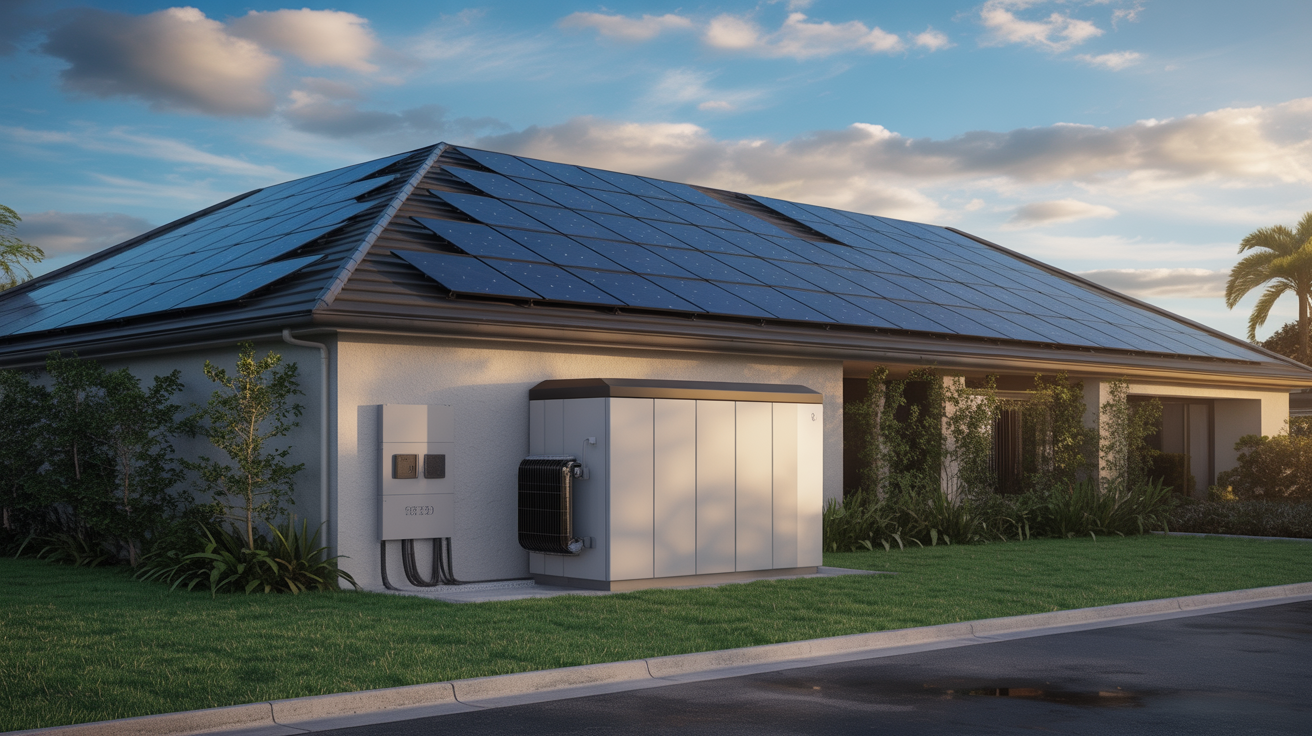
A solar battery backup system stores electricity generated by your solar panels in rechargeable batteries, giving you power whenever you need it, day or night, grid up or down. Think of it as your home's energy reservoir.
Here's how it works in a typical grid-tied setup: Your solar panels produce electricity during daylight hours. That power flows first to your home's immediate loads (lights, appliances, devices). If there's excess energy after meeting your current demand, it charges your battery. Once the battery's full, any remaining surplus exports back to the utility grid. When the sun sets or production drops, your home draws from the battery instead of immediately pulling from the grid. During a grid outage, the system automatically "islands", it disconnects from the utility and runs your home entirely on battery power, keeping critical circuits alive.
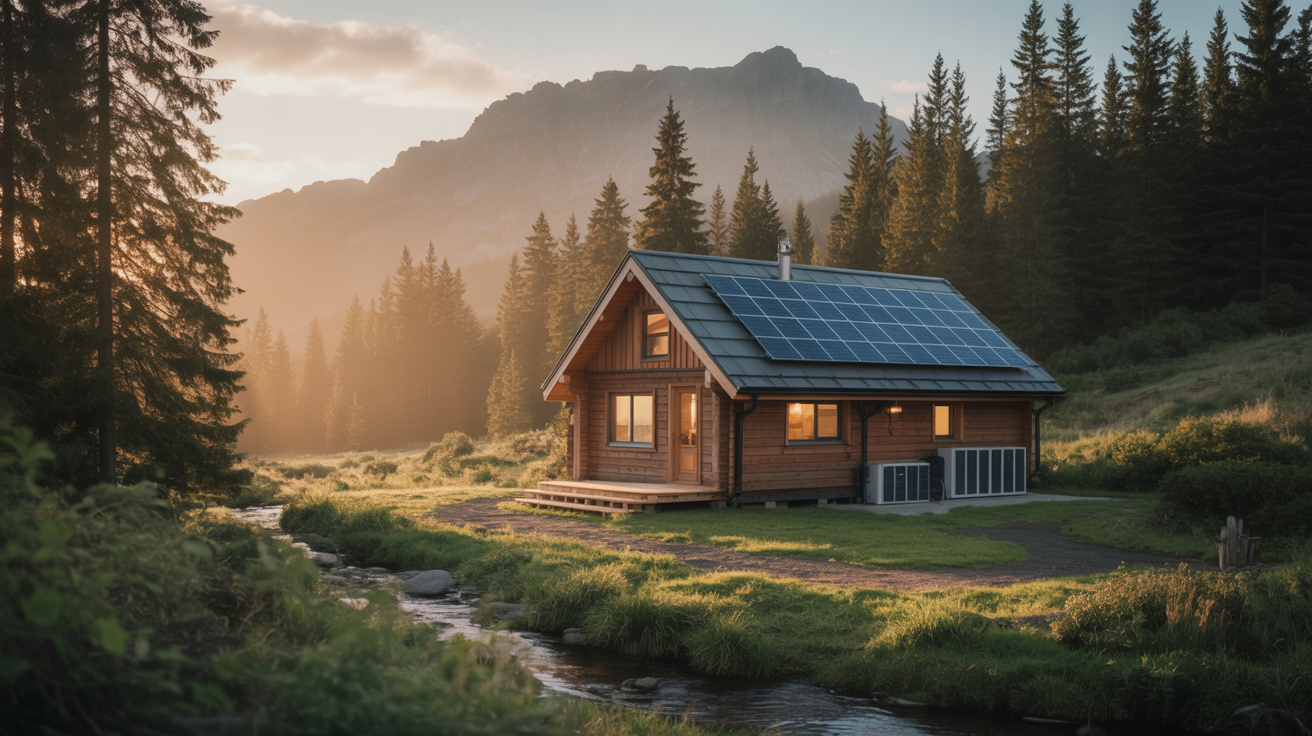
In an off-grid configuration, the battery becomes the heart of your system. Solar panels charge it throughout the day, and the battery supplies all your power needs 24/7. Many off-grid setups also integrate a backup generator to recharge batteries during extended cloudy weather.
Modern battery systems pair with an inverter (often a hybrid solar inverter) that manages power flow, converts DC battery electricity to AC for household use, and handles the automatic switchover during outages. Advanced systems from companies like Humless seamlessly integrate solar, grid, wind, and generator sources, giving you maximum flexibility and reliability. The result? You're no longer at the mercy of the utility company or weather-related blackouts.
Key Benefits of Home Battery Backup Solar Systems
Adding battery storage to your solar setup delivers advantages that go way beyond just keeping the lights on during an outage. Let's break down the two biggest wins.
Energy Independence and Grid Security
Battery backup transforms your home into a self-sufficient power hub. When storms knock out the grid, or when utilities carry out rolling blackouts, you keep running. Your refrigerator stays cold, your sump pump keeps the basement dry, and your medical devices remain powered. No scrambling for extension cords or rationing flashlight batteries.
Beyond outage protection, batteries reduce your dependence on an aging grid infrastructure. In off-grid or hybrid setups, you're largely insulated from utility failures, rate hikes, and supply disruptions. Batteries also support emerging neighborhood microgrids, where multiple homes can share stored energy and collectively reduce strain on distribution networks. With 15+ years of proven reliability, systems like Humless BESS offer 24/7 support to ensure you stay powered when it matters most.
Cost Savings and Time-of-Use Optimization
If your utility uses time-of-use (TOU) rates, charging more for electricity during peak evening hours, battery storage becomes a money-saving machine. You charge your battery when solar is abundant or grid rates are low (midday or overnight), then discharge that stored power during expensive peak periods. Instead of buying high-priced grid electricity at 6 PM, you're using your own banked solar energy.
Under new net billing tariffs like California's NEM 3.0, utilities pay far less for exported solar than they charge for imported grid power. A battery lets you maximize self-consumption: rather than exporting surplus midday solar for pennies, you store it and use it yourself in the evening, avoiding those high retail rates. Typical installed costs run $5,000–$10,000 per battery unit or about $700–$1,400 per kWh of capacity. A common 13.5 kWh system averages around $15,000 before federal tax credits and local incentives, often paying for itself in 7–12 years through bill savings and backup value.
Bottom line: batteries turn your solar investment into a financial powerhouse, cutting your monthly bills while giving you resilience against outages and rate volatility.
Choosing the Right Solar Battery Backup for Your Home
Not all battery systems are created equal. Picking the right one means matching capacity, power, and technology to your specific needs and budget.
Battery Capacity and Power Output Requirements
Capacity (measured in kilowatt-hours, kWh) tells you how much energy the battery can store, essentially, how long it'll keep your home running. Power (measured in kilowatts, kW) tells you how many devices you can run simultaneously.
For example, a 10 kWh battery with 5 kW of continuous power can deliver 5,000 watts at once for about two hours. If you only draw 2 kW, it'll last roughly five hours. If you try to pull 6 kW, the system will either limit you or shut down.
Sizing for outage backup only? Calculate your critical loads: refrigerator (150–400 W), LED lights (60–100 W), Wi-Fi and devices (50–200 W), furnace blower or sump pump (500–1,500 W). A modest 5–10 kWh battery with 3–5 kW output handles essentials for 12–24 hours.
Daily bill optimization or near-off-grid living? You'll want 10–20+ kWh and 7–10 kW to cover evening usage and shoulder multiple high-draw appliances (AC, dryer, electric range). Off-grid setups often stack multiple batteries for days of autonomy.
Don't forget usable capacity: most lithium batteries allow 90–100% depth-of-discharge, but older lead-acid systems only 50%, so a 10 kWh lead-acid battery really gives you 5 kWh.
Also consider warranty and cycles: look for systems rated for 4,000–6,000+ cycles (10–15 years of daily use) with strong manufacturer support. Humless systems, backed by UL certification and a decade-plus track record, offer confidence that your investment will last.
LiFePO4 vs. Other Battery Technologies
Battery chemistry matters, a lot.
LiFePO4 (lithium iron phosphate, or LFP) batteries are the gold standard for home energy storage. They deliver exceptional cycle life (often 4,000–8,000+ cycles), excellent thermal stability and safety, and near-100% usable capacity with minimal maintenance. They charge and discharge efficiently, perform well across temperature ranges, and don't suffer from thermal runaway issues that plague some lithium-ion chemistries. Humless BESS systems leverage LiFePO4 technology to provide long-lasting, safe, and reliable energy storage.
Other lithium-ion chemistries (like NMC, nickel manganese cobalt) offer slightly higher energy density, squeezing more capacity into a smaller footprint. But they're generally less thermally stable, require more robust cooling and safety systems, and may have shorter lifespans.
Lead-acid batteries (flooded, AGM, sealed) cost less upfront but come with trade-offs: they're heavy, offer lower round-trip efficiency (70–80% vs. 90–95% for lithium), need regular maintenance (topping off water in flooded types), and deliver shorter cycle lives (500–1,500 cycles). They also have limited depth-of-discharge, so you end up needing more capacity to get the same usable energy.
For most homeowners, LiFePO4 is the smart long-term choice: lower total cost of ownership, minimal hassle, and superior performance. If budget is tight and you're comfortable with maintenance, lead-acid can work for smaller or backup-only systems, but lithium quickly pays for itself in reliability and lifespan.
Frequently Asked Questions About Solar Battery Backup for Home
What is a solar battery backup system and how does it work?
A solar battery backup system stores electricity from your solar panels in rechargeable batteries for use day or night. In grid-tied setups, solar powers your home first, charges the battery second, then exports excess to the grid. During outages, the system automatically disconnects and runs entirely on battery power. In off-grid configurations, the battery is your primary energy source, charged throughout the day.
How much does a solar battery backup system cost?
Typical installed costs range from $700–$1,400 per kWh of capacity. A common 13.5 kWh system averages around $15,000 before federal tax credits and local incentives. Most systems pay for themselves in 7–12 years through bill savings and backup value, making them a sound long-term investment.
What size solar battery backup do I need for my home?
Size depends on your goals. For outage backup only, calculate critical loads (refrigerator, lights, Wi-Fi) and aim for 5–10 kWh with 3–5 kW output. For daily bill optimization or near-off-grid living, choose 10–20+ kWh with 7–10 kW. Off-grid setups often require multiple batteries for days of autonomy. Consider your local climate and usage patterns.
Is LiFePO4 or lead-acid better for home solar battery backup?
LiFePO4 (lithium iron phosphate) is the gold standard for home energy storage, offering 4,000–8,000+ cycles, excellent safety, minimal maintenance, and 90–100% usable capacity. Lead-acid costs less upfront but is heavier, less efficient (70–80% vs. 90–95%), requires maintenance, and delivers shorter life. For most homeowners, LiFePO4 provides superior long-term value.
Can a solar battery backup save money on electricity bills?
Yes, especially under time-of-use (TOU) or net billing tariffs. You charge your battery when solar production is high or grid rates are low, then discharge during expensive peak hours. Instead of buying high-priced evening grid power, you use your stored solar energy. This self-consumption strategy significantly reduces monthly bills.
How long will a solar battery backup keep my home running during an outage?
Runtime depends on capacity and your power draw. A 10 kWh battery with 5 kW continuous power lasts about 2 hours at maximum output or 5 hours at 2 kW draw. For critical loads only (refrigerator, lights, Wi-Fi, sump pump), a 5–10 kWh system typically provides 12–24 hours of backup power. Larger systems offer extended autonomy.