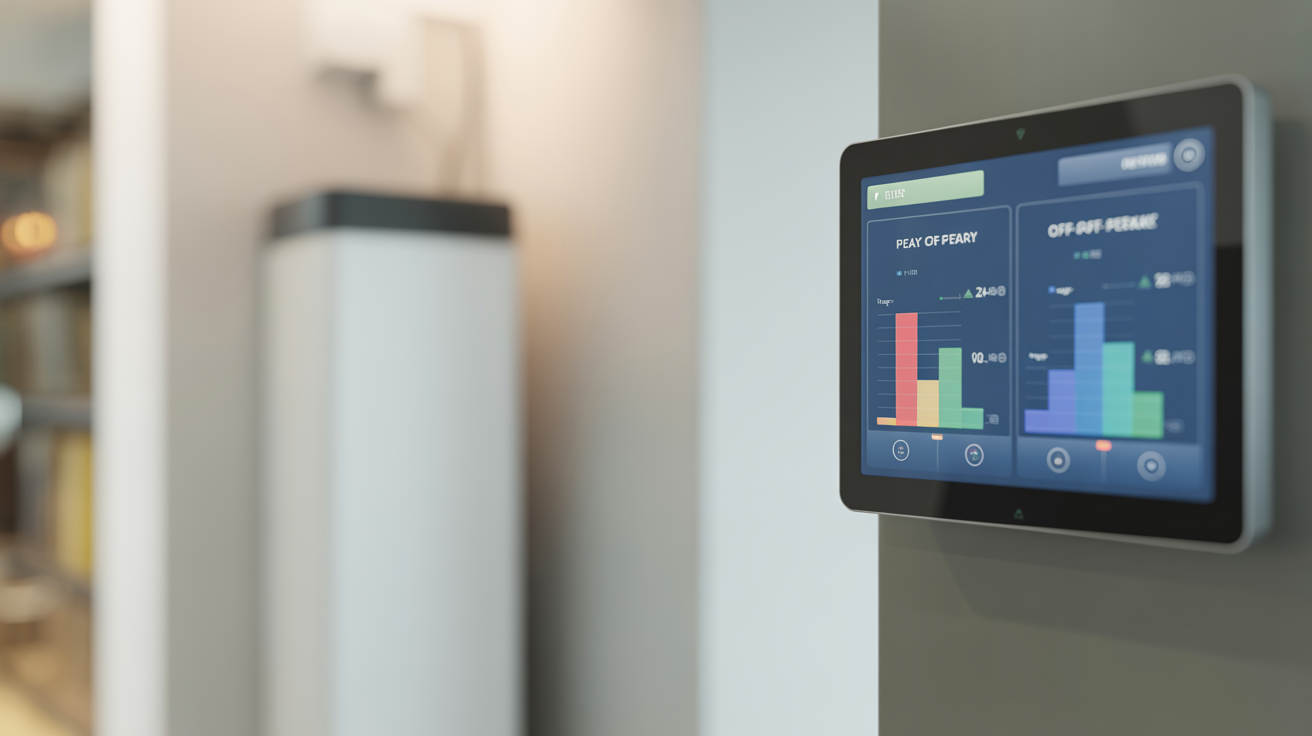
You've probably noticed how energy costs keep climbing, and grid reliability isn't what it used to be. Whether you're a homeowner tired of blackouts or a business owner watching profits drain through peak-hour electricity bills, there's a solution that's been quietly revolutionizing energy management since 2010: Battery Energy Storage Systems (BESS). These aren't your average backup batteries. A modern BESS captures energy when it's cheap or plentiful, think midday solar or off-peak grid power, and delivers it exactly when you need it most. In this guide, we'll break down how these systems work, why they're becoming essential for homes and businesses in 2026, and how they can give you real control over your energy independence.
Key Takeaways
- A BESS system captures and stores electricity from solar, wind, or the grid during low-cost or abundant periods, then releases it during peak demand, potentially reducing energy bills by 20–40% for businesses.
- Modern BESS systems work through coordinated components including lithium-ion battery modules, a bidirectional inverter (PCS), and an Energy Management System that automatically optimizes when to charge and discharge based on rates and grid conditions.
- BESS provides immediate backup power during blackouts, automatically isolating your home or business to keep essential systems running without interruption.
- Battery Energy Storage Systems smooth out costly demand charge spikes and enable peak shaving, delivering significant savings for both residential and commercial properties throughout the year.
- BESS systems integrate seamlessly with renewable energy sources like solar panels, creating true energy independence while supporting grid stability through sub-second frequency response capabilities.
- A quality BESS backed by proven field experience offers 15+ years of service life and thousands of charge cycles, making it a long-term investment in energy control, cost savings, and environmental benefits.
What Is a BESS System and How Does It Work?
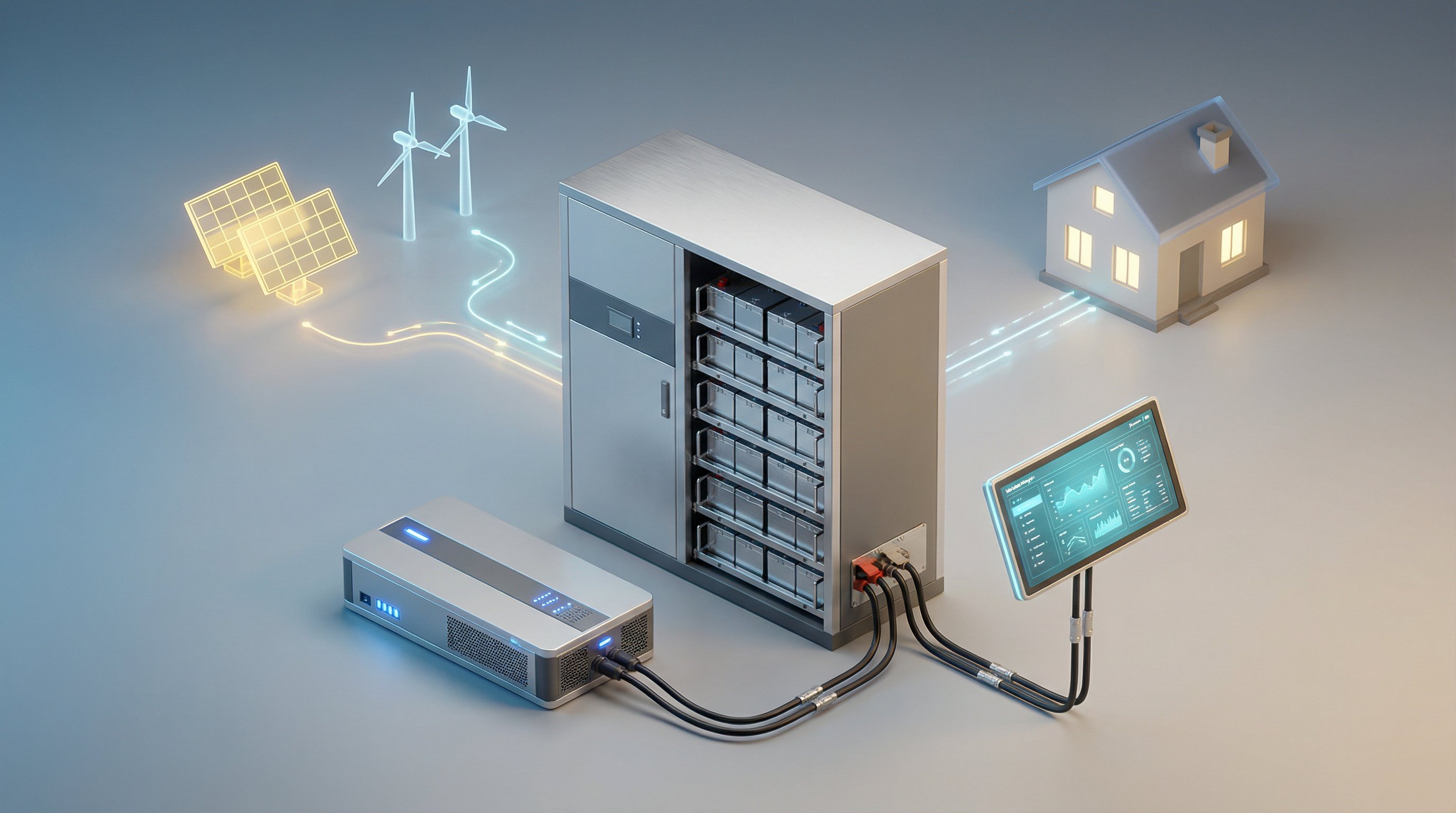
A Battery Energy Storage System, BESS for short, is essentially a sophisticated rechargeable battery setup that captures electricity from sources like solar panels, wind turbines, or the utility grid, then stores it for later use. Think of it as your energy piggy bank: you deposit power when it's abundant or cheap, and withdraw it during peak demand, outages, or when renewable sources aren't producing.
But here's where it gets interesting. Unlike the simple battery in your car, a BESS is a coordinated system of multiple components working together to maximize efficiency, safety, and performance.
The Core Components That Make It Tick
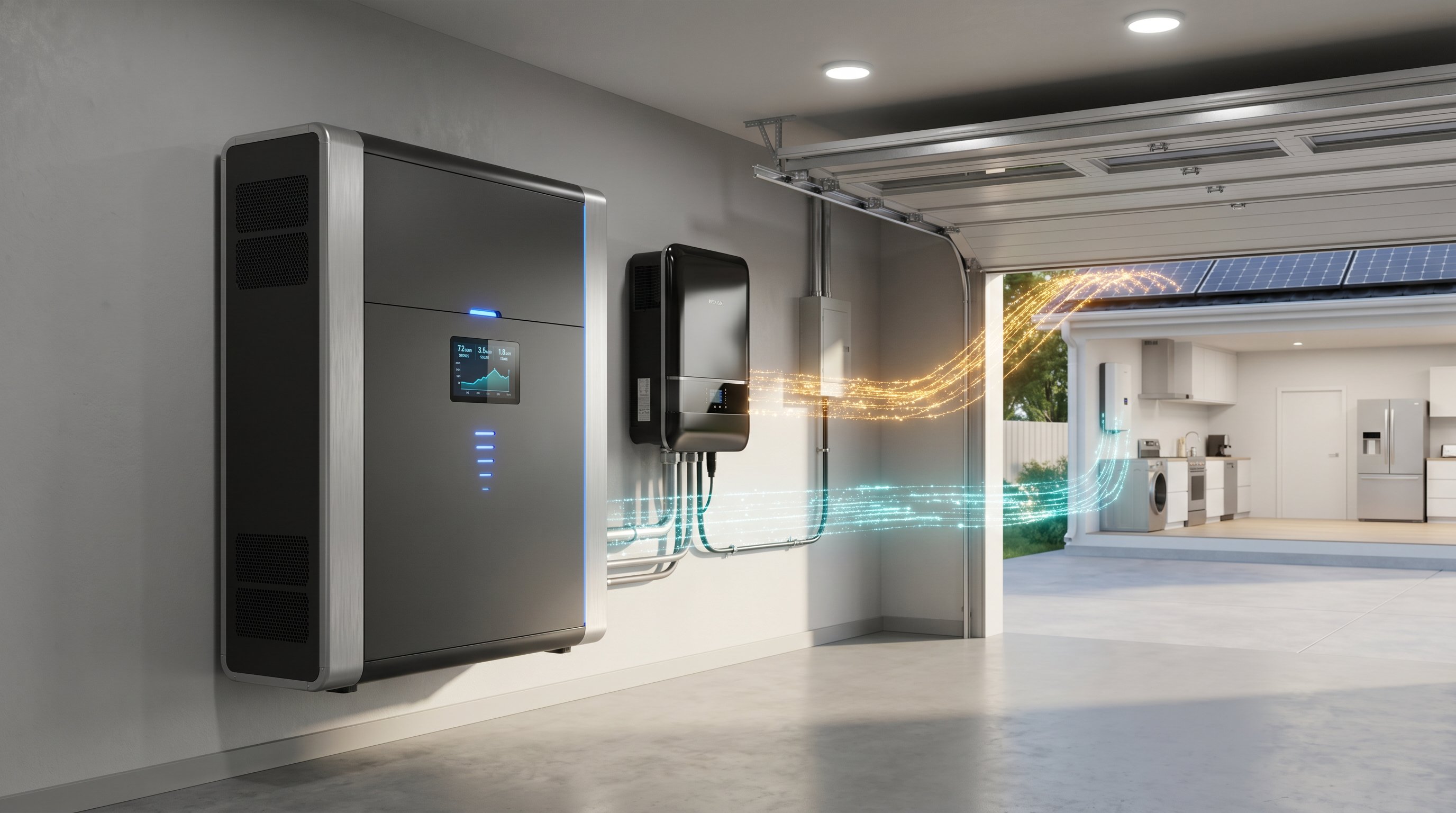
At the heart of every BESS are battery modules, typically lithium-ion cells (often the safer LiFePO4 chemistry) arranged in racks or cabinets to scale up storage capacity. These cells hold the direct current (DC) electricity that's been harvested from your energy sources.
Next comes the Power Conversion System (PCS) or bidirectional inverter. This is the translator between your DC batteries and the alternating current (AC) electricity that powers your home or business. When charging, it converts AC from the grid or generator into DC for storage. When discharging, it flips that process, sending AC power to your loads or back to the grid if you're selling surplus energy.
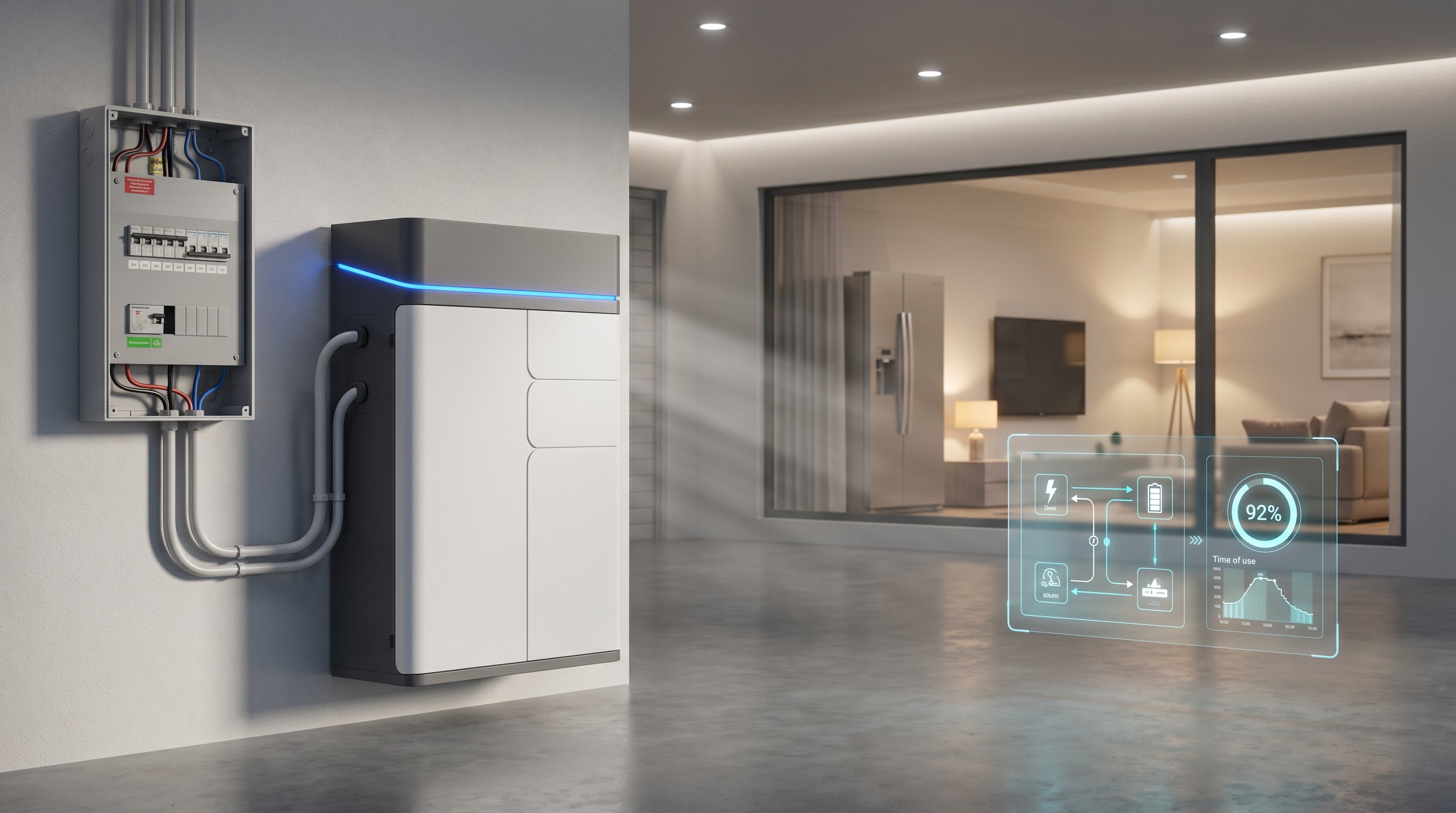
Then there's the brain of the operation: the Energy Management System (EMS) and Battery Management System (BMS). The EMS decides when to charge, when to discharge, and how to optimize your energy flows based on time-of-use rates, weather forecasts, or grid signals. Meanwhile, the BMS monitors each cell's state of charge, temperature, and health, shutting things down if anything looks unsafe.
Finally, thermal management and enclosure systems keep everything at the right temperature (batteries hate extreme heat or cold) and protect components from the elements. Companies like Humless have been perfecting these integrated systems since 2010, ensuring reliability through thousands of charge cycles.
The Charge-Discharge Dance
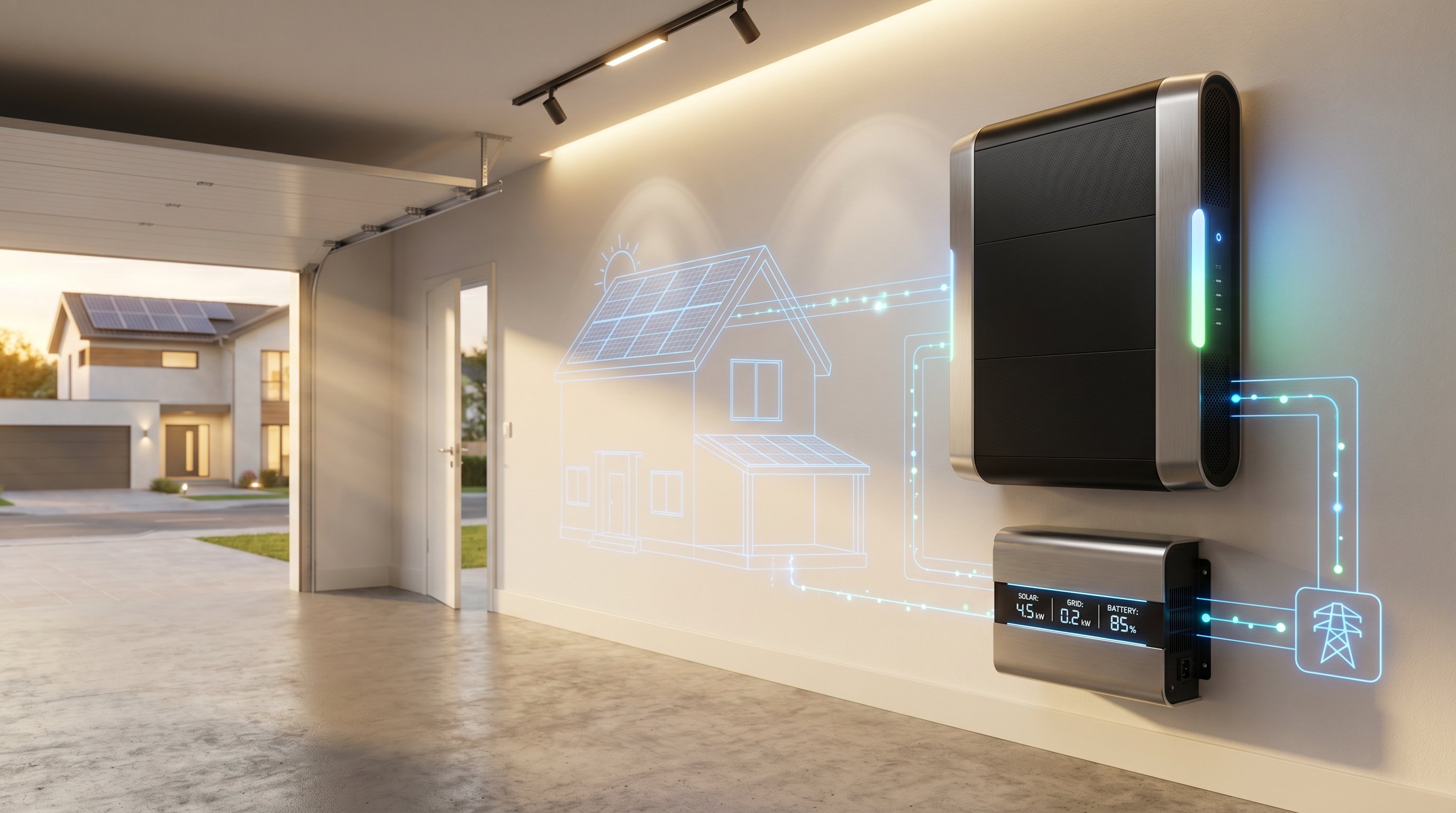
Here's how it works in practice. During the day, your solar panels generate more electricity than you're using. That surplus DC power flows into the battery modules, topping them up. When the sun sets and your panels go dark, the BESS kicks in, the inverter converts stored DC back to AC, seamlessly powering your lights, appliances, and HVAC without you noticing the switch.
If there's a grid outage, the system detects it in milliseconds and isolates your home, running entirely off stored energy. For businesses, this means no downtime, no lost revenue, and no scrambling for backup generators.
The EMS constantly juggles priorities: Should we charge from cheap nighttime grid power? Discharge during expensive peak hours? Reserve capacity for storm forecasts? That's all handled automatically, often with sub-second response times for grid-balancing services.
Key Benefits of Installing a BESS System for Your Home or Business
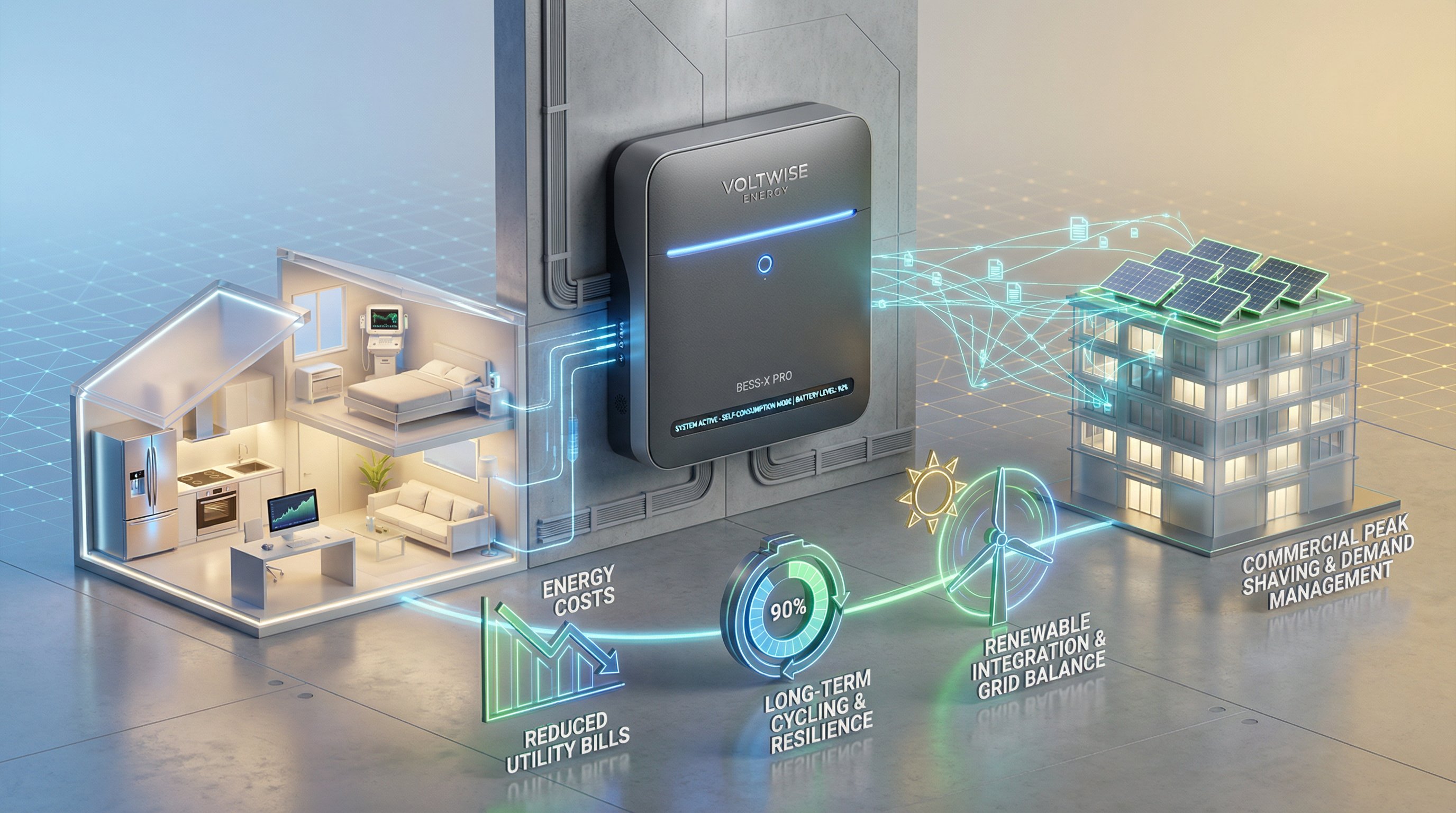
So why are BESS systems becoming essential infrastructure in 2026? Because they solve multiple problems at once, and often pay for themselves faster than you'd expect.
Slash Your Energy Bills with Peak Shaving
If you've looked at your utility bill lately, you've seen how time-of-use rates punish you for using power during peak hours (usually late afternoon and evening). A BESS lets you store electricity when rates are low, say, overnight or during midday solar overproduction, then discharge that cheap energy during expensive peak periods.
For businesses, this is even more crucial. Commercial rate structures often include demand charges based on your highest power draw in a billing period. One surge can cost you hundreds of dollars. A BESS smooths out those spikes, dramatically cutting monthly costs. Some businesses report 20–40% reductions in electricity expenses after installing properly sized systems.
True Energy Independence and Backup Power
Remember the last time your power went out? For homeowners seeking energy independence, a BESS paired with solar means you're not at the grid's mercy. You generate, store, and use your own power, living off-grid or staying connected as a backup plan.
During blackouts, while your neighbors scramble for flashlights, your home keeps running. Refrigerators stay cold, medical devices stay powered, home offices stay online. Humless systems, for instance, integrate seamlessly with solar, grid, wind, and generator sources, giving you multiple pathways to energy security with 24/7 support backing you up.
For off-grid property owners, this isn't a luxury, it's the foundation of daily life. Modern BESS technology has made remote living not just possible, but comfortable and reliable.
Balance Renewables and Stabilize the Grid
Solar and wind power are fantastic, when the sun shines and the wind blows. But energy demand doesn't wait for ideal weather. A BESS bridges that gap, storing excess renewable generation and releasing it when production dips.
This isn't just personal convenience: it's grid-scale infrastructure. BESS systems provide frequency response and voltage regulation in sub-second timeframes, preventing brownouts and blackouts. As more homes and businesses add storage, they collectively create a more resilient, flexible grid that can handle the transition to renewable energy.
Flexibility to Fit Any Setup
Whether you're grid-tied, off-grid, or somewhere in between, BESS systems adapt. Solar installers appreciate how easily modern systems integrate with existing PV arrays. Businesses love the scalability, start with one battery cabinet, add more as needs grow.
You can configure a BESS for pure backup power, daily cycling for cost savings, or even revenue generation through grid services programs. The modular design of systems from pioneers like Humless means you're not locked into a one-size-fits-all solution.
Environmental and Long-Term Value
Let's not forget: every kilowatt-hour stored from solar or wind is one less burned from fossil fuels. BESS accelerates the clean energy transition by making renewables reliable 24/7.
And with UL-certified LiFePO4 batteries offering thousands of charge cycles and 15+ years of service life, the long-term value proposition is compelling. You're not just buying a battery, you're investing in decades of energy control, cost savings, and peace of mind.
Conclusion
Battery Energy Storage Systems aren't future tech, they're here, proven, and transforming how homes and businesses think about energy. From cutting bills through intelligent peak shaving to keeping the lights on during outages, BESS offers genuine control and independence. As energy costs rise and grid challenges multiply, investing in a quality system, backed by pioneers with 15+ years of field experience like Humless, isn't just smart. It's essential.
Frequently Asked Questions About Battery Energy Storage Systems
What is a BESS system and how does it work?
A Battery Energy Storage System (BESS) captures electricity from solar panels, wind turbines, or the grid and stores it in rechargeable batteries. When you need power, a bidirectional inverter converts stored DC electricity into AC power for your home or business, while an energy management system optimizes charging and discharging based on demand and energy costs.
How can a BESS system reduce my electricity bills?
BESS systems use peak shaving to store energy during low-cost off-peak hours, then discharge that cheaper electricity during expensive peak periods. Businesses benefit especially, as BESS prevents demand charge spikes that can cost hundreds monthly. Users typically see 20–40% reductions in electricity expenses with properly sized systems.
What happens to my home during a power outage with a BESS?
During a grid outage, your BESS system detects the disruption in milliseconds and automatically isolates your home to run entirely on stored energy. Refrigerators stay cold, medical devices remain powered, and your home office continues operating seamlessly until grid power is restored.
Can a BESS system work with solar panels and renewable energy?
Yes, BESS systems integrate seamlessly with solar, wind, and generator sources. They store excess renewable generation during peak production and release it when the sun isn't shining or wind isn't blowing, making renewables reliable 24/7 and reducing reliance on fossil fuels.
How long do BESS batteries last and what's their lifespan?
Modern BESS systems use UL-certified lithium-ion batteries (often LiFePO4 chemistry) that last 15+ years with thousands of charge cycles. The long service life makes them a reliable long-term investment for energy independence and cost savings across decades.
Is a BESS system scalable if my energy needs grow?
Yes, BESS systems feature modular design, allowing you to start with one battery cabinet and add more as your needs grow. This flexibility works whether you're grid-tied, off-grid, or using the system for backup power, daily cycling, or grid services revenue generation.