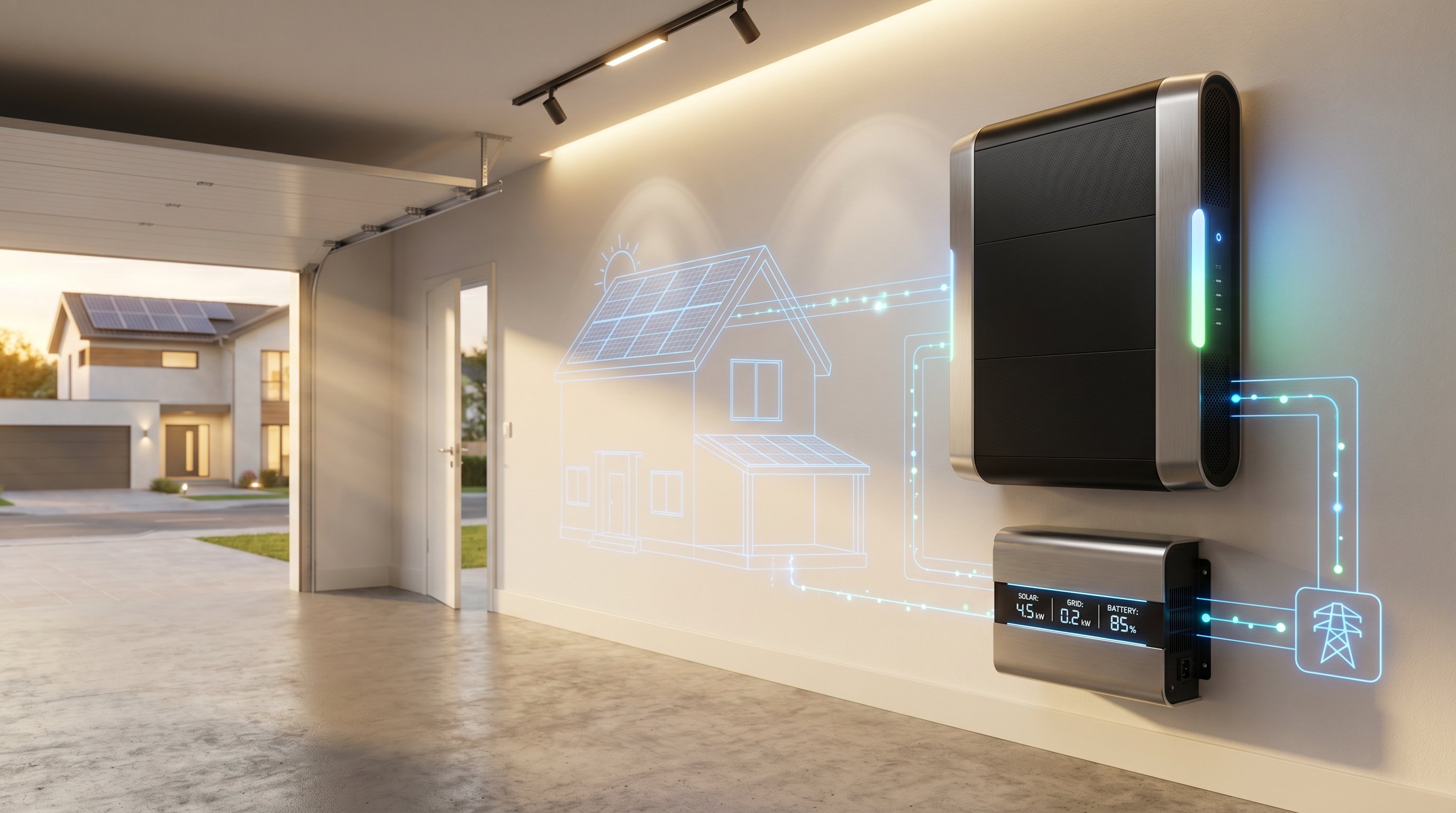
Power outages don't care about your schedule. Neither do utility companies when they hike rates during peak hours. But what if you could store electricity like water in a tank, charging up when it's cheap or abundant, then tapping into it exactly when you need it?
That's the promise of home battery power storage, and it's no longer a futuristic concept. With solar adoption climbing and grid reliability under strain, more homeowners are taking control of their energy future. Whether you're chasing energy independence, protecting against blackouts, or simply trimming your electric bill, modern battery storage systems offer a compelling path forward. Let's break down how these systems work, what they deliver, and how to choose the right one for your home.
Key Takeaways
- Home battery power storage systems store excess electricity from solar panels or the grid, releasing it during peak hours or outages to increase energy independence and reduce utility costs.
- Lithium Iron Phosphate (LFP) chemistry is the gold standard for residential home battery storage due to superior safety, longer lifespan (6,000+ cycles), and lower risk of thermal runaway compared to other lithium-ion options.
- Home batteries enable significant cost savings through peak shaving, with users reporting electric bill reductions of 30% or more by charging during off-peak, low-cost hours and discharging during expensive peak demand periods.
- When selecting a home battery system, prioritize capacity (measured in kWh), backup capability for blackout protection, warranty coverage (minimum 10 years), and app-based monitoring for real-time energy optimization.
- Integration with solar panels, grid connection, and backup generators creates a smart energy ecosystem where batteries automatically route power from the cheapest or cleanest source, maximizing both savings and reliability.
- Federal tax credits (30% for systems paired with solar) and state rebates continue to drive down home battery storage costs, with quality systems now ranging from $7,000–$15,000+ installed.
What Is Home Battery Power Storage and How Does It Work?
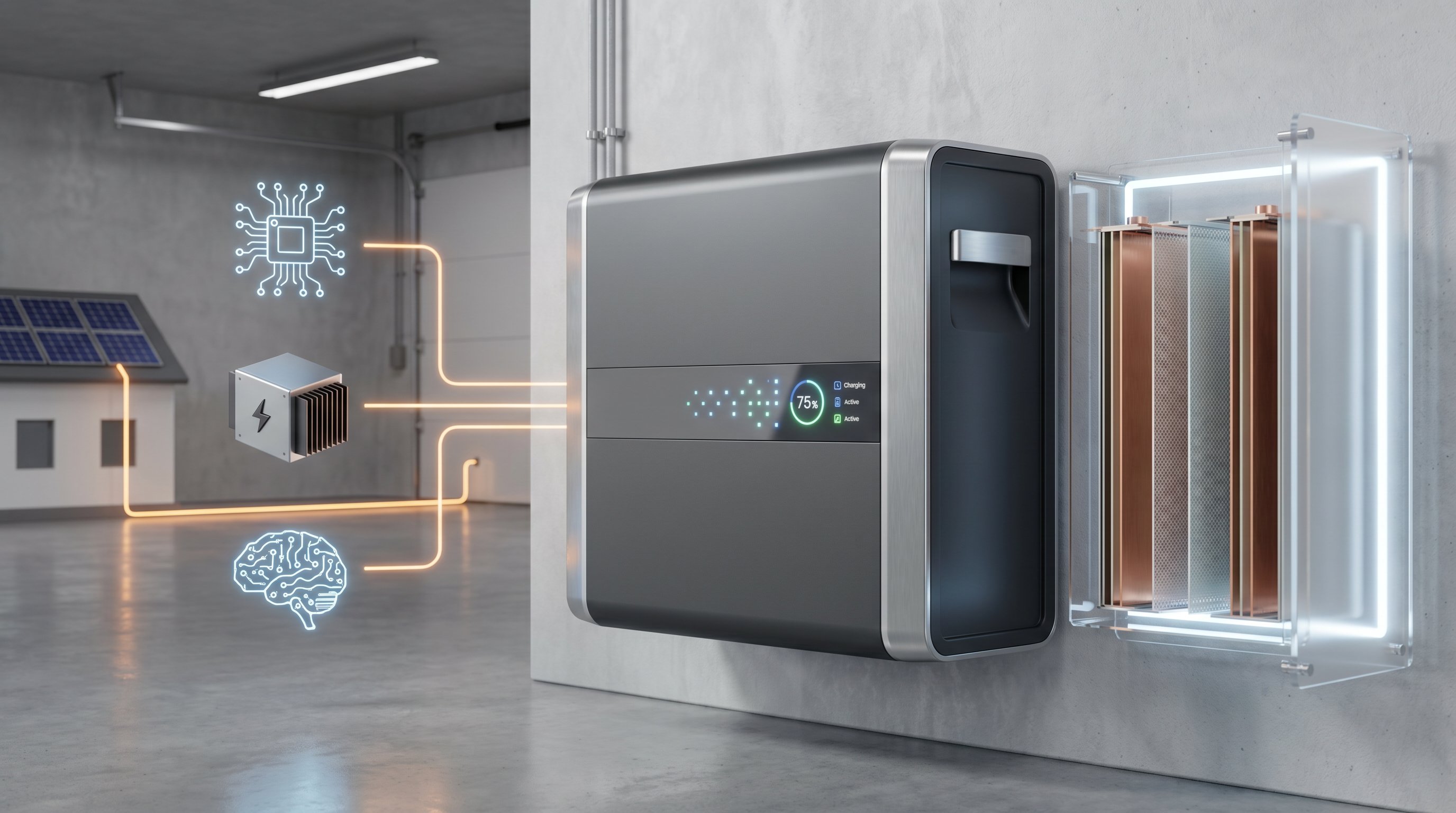
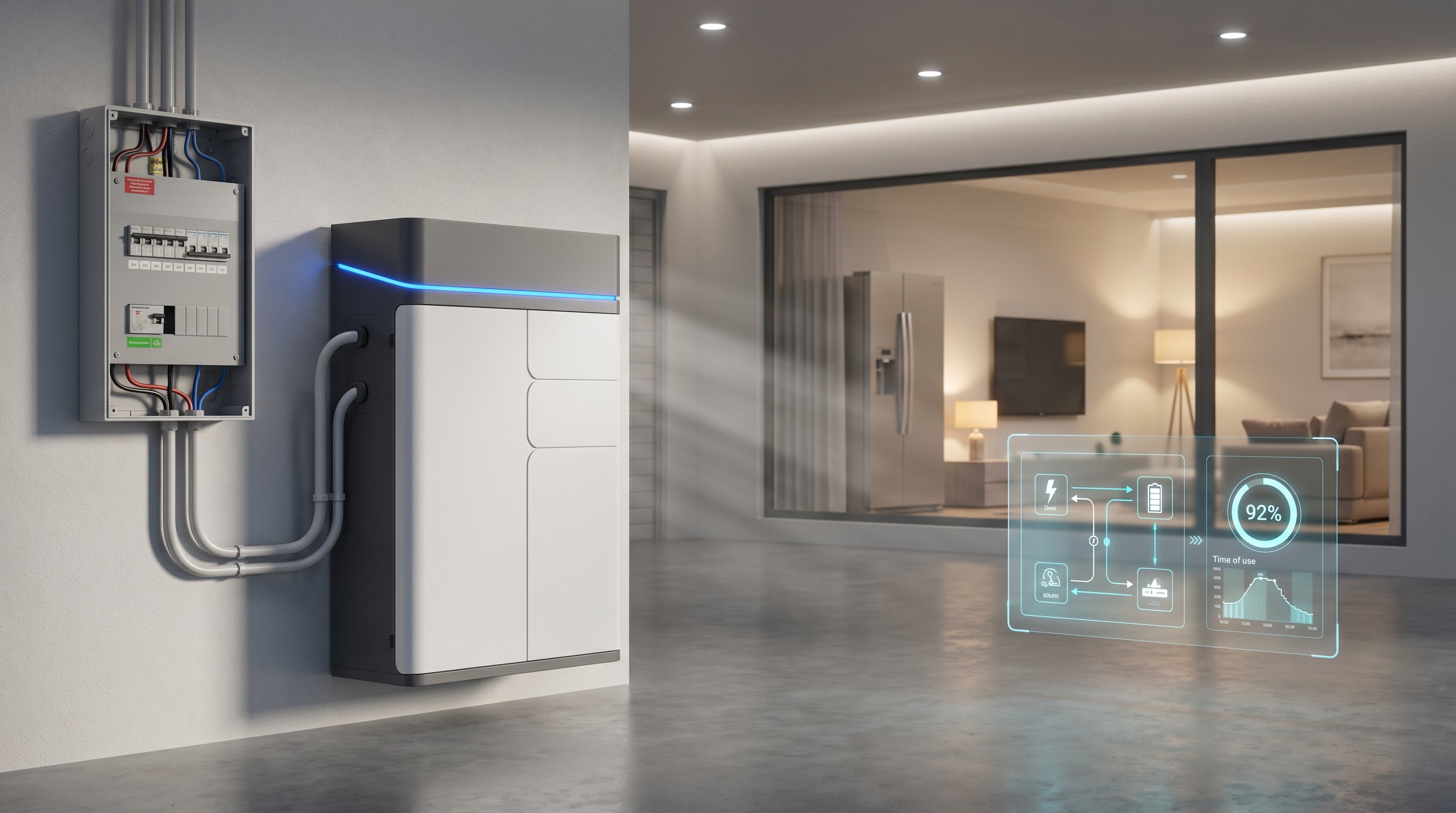
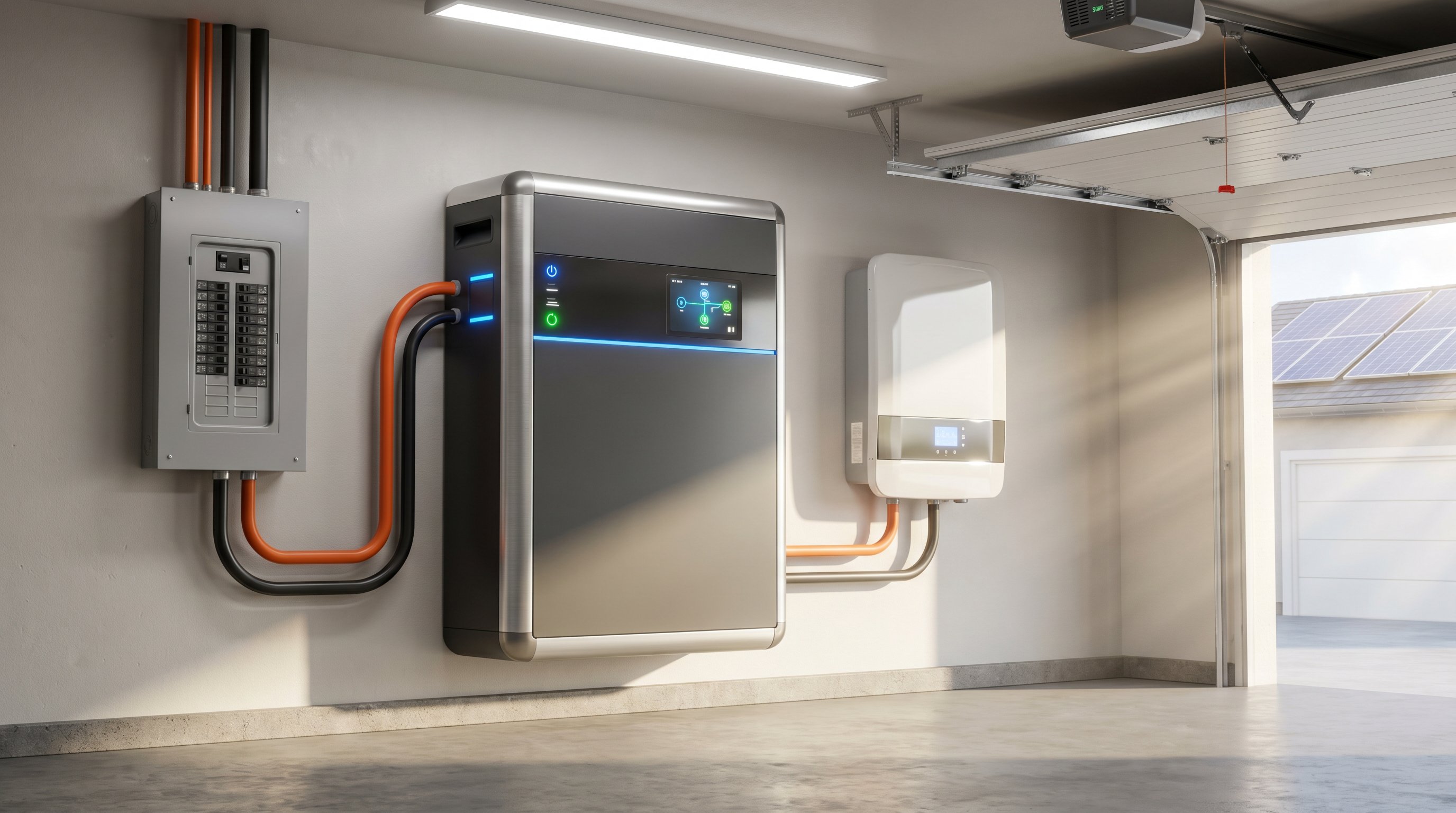
At its core, home battery power storage is a large, stationary rechargeable battery system, usually lithium-ion, that sits in your garage, basement, or outside. It stores excess electricity generated by your solar panels or drawn from the grid when rates are low, then releases that power when you need it most.
Think of it as a buffer between your home and the outside world. Instead of sending surplus solar energy back to the grid for pennies on the dollar (or letting it go to waste), you bank it. Then, when the sun sets or the power goes out, you're covered.
Here's how the process flows:
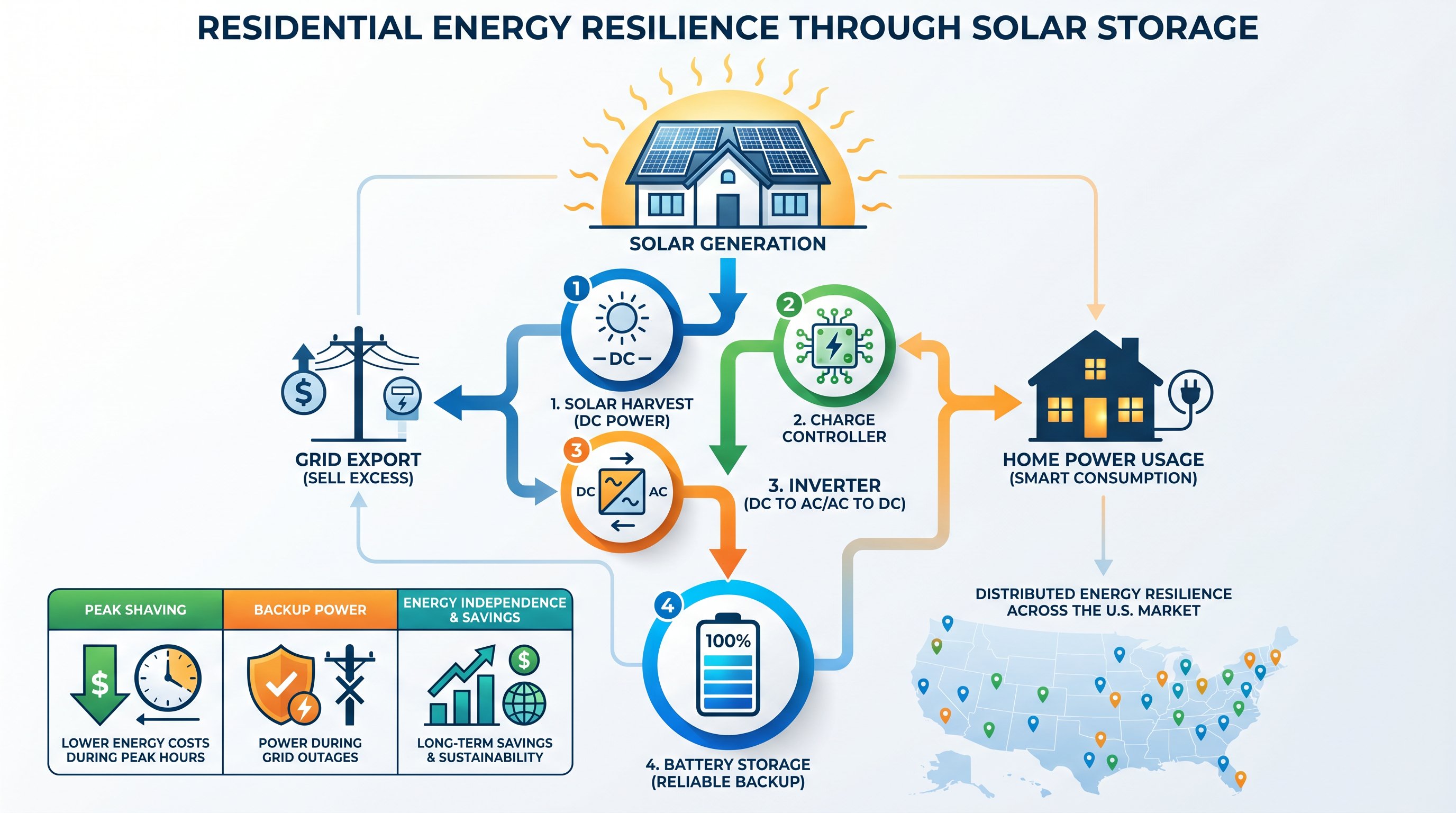
- Charging: The battery charges with DC electricity directly from solar panels or AC power from the grid (which gets converted to DC). If you've got a sunny afternoon and your panels are cranking out more juice than your home consumes, that excess flows into the battery.
- Storage: Inside, lithium-ion cells, often Lithium Iron Phosphate (LiFePO4) for added safety and longevity, hold that energy chemically until you're ready to use it.
- Discharge: When your home needs power, say, during evening hours or a blackout, the stored DC electricity is converted back to AC via an inverter, seamlessly powering your lights, fridge, and everything else.
Key components include:
- Battery modules: The physical cells where energy is stored.
- Battery Management System (BMS): Monitors voltage, temperature, and charge levels to prevent overheating or overcharging.
- Power Conversion System (PCS/Inverter): Handles the DC-to-AC conversion for household use.
- Energy Management System (EMS): The brain of the operation, optimizing when to charge, discharge, or pull from the grid based on your usage patterns and rate schedules.
During an outage, many systems can automatically isolate your home from the grid, forming what's called a microgrid. This keeps your critical loads running without a hitch, no manual switchover required.
Key Benefits of Installing a Home Battery Storage System
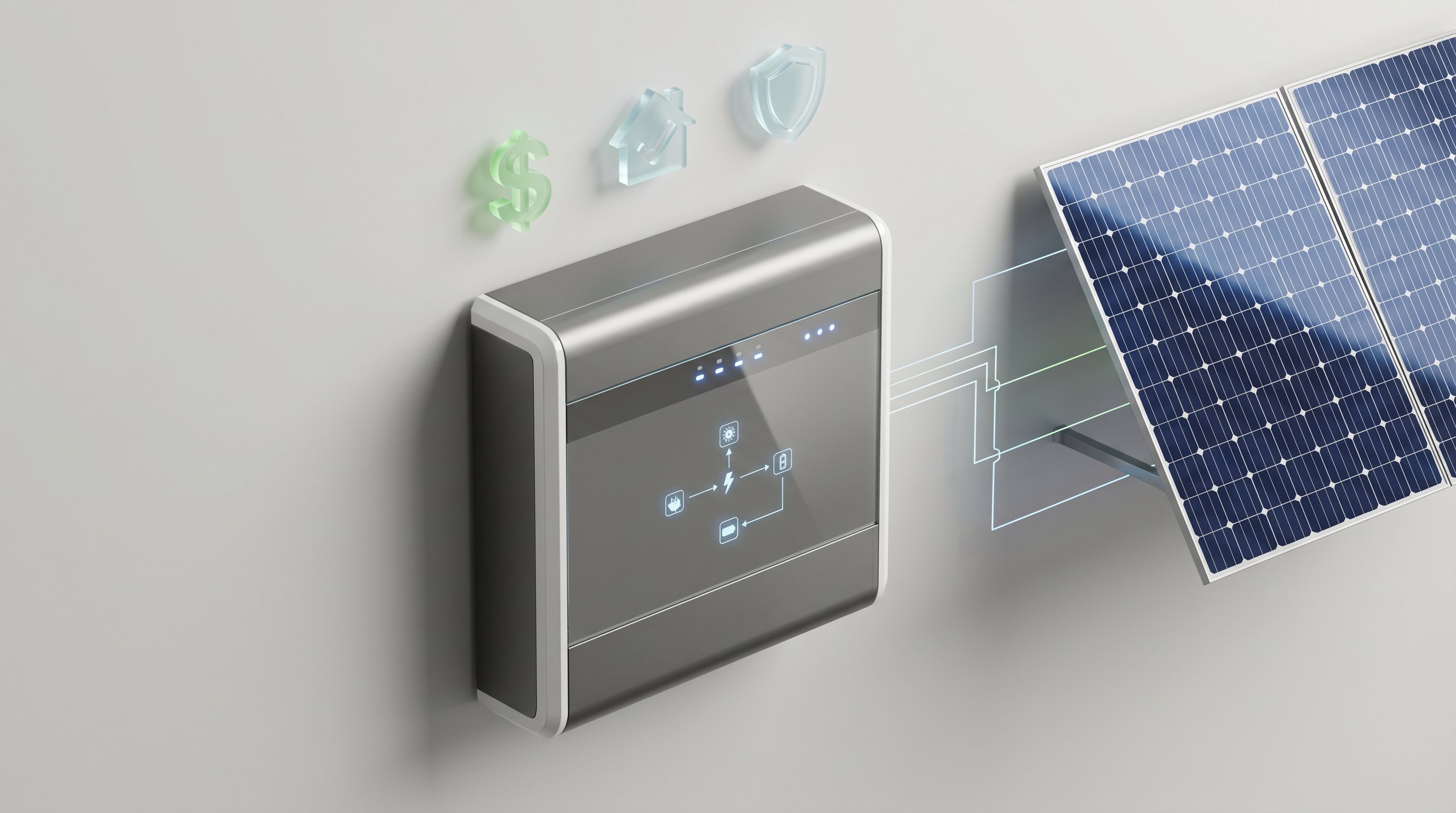
Why are homeowners rushing to install these systems? The benefits go well beyond just having a backup plan.
Energy Independence and Backup Power
Blackouts are becoming more frequent, whether from aging infrastructure, extreme weather, or grid overload. A home battery provides peace of mind by keeping your essentials, refrigerator, medical devices, internet router, lights, online when the grid goes dark.
But it's more than emergency prep. When paired with solar panels, a battery system enables true energy independence. You're not just reducing reliance on the utility: you're creating a self-sustaining loop where your roof generates power, your battery stores it, and your home consumes it. Off-grid living becomes genuinely feasible, especially for rural or remote properties where grid access is spotty or nonexistent.
Companies like Humless have pioneered this space since 2010, offering systems designed to integrate seamlessly with solar, wind, and even generator sources, giving you complete control over your energy ecosystem.
Cost Savings and Peak Shaving
Utility rates aren't flat. In many regions, electricity costs spike during peak demand hours (typically late afternoon and evening). If you're on a time-of-use (TOU) rate plan, running your AC or doing laundry at 6 p.m. can cost two or three times what it would at midnight.
Home batteries solve this through peak shaving. Your system stores cheap electricity during off-peak hours or captures excess solar generation during the day, then discharges that stored power during expensive peak periods. You're essentially buying low and using high, without changing your lifestyle.
Over time, these savings add up. Some users report cutting their electric bills by 30% or more, depending on local rate structures and solar output. And if your utility offers incentives or net metering credits, the economics get even better.
Types of Home Battery Storage Technologies
Not all batteries are created equal. The technology you choose will impact performance, safety, lifespan, and cost.
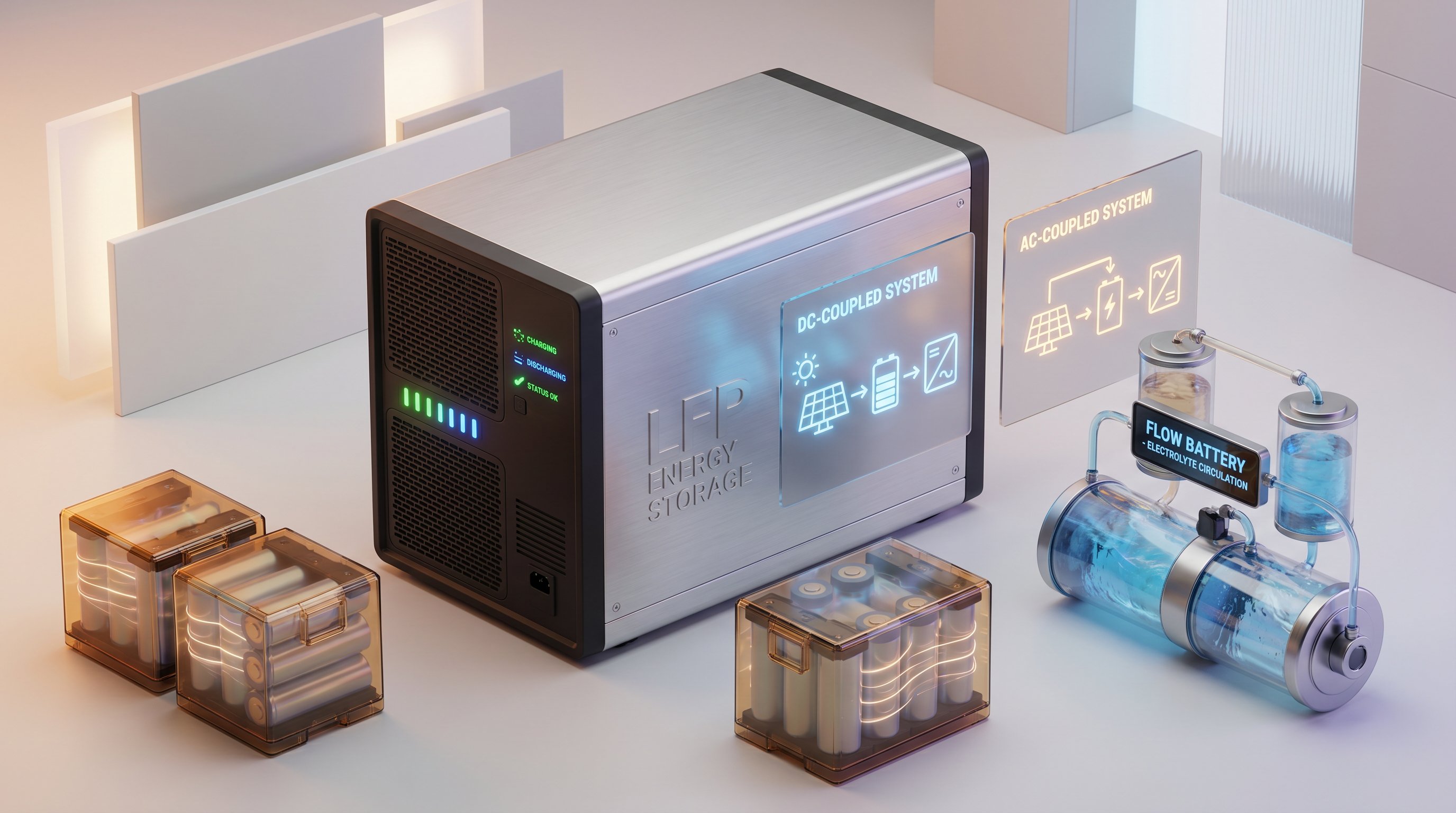
Lithium-ion dominates the residential market, and for good reason. It's energy-dense, efficient, and well-proven in everything from EVs to grid-scale installations. Within this category, Lithium Iron Phosphate (LFP or LiFePO4) has emerged as the gold standard for home use. LFP batteries are inherently safer, they're less prone to thermal runaway (aka catching fire), and they offer longer cycle life, often 6,000+ charge/discharge cycles. Humless systems, for instance, use UL-certified LiFePO4 chemistry backed by rigorous safety testing and 24/7 support.
Other lithium-ion chemistries (like NMC, nickel manganese cobalt) are lighter and slightly more energy-dense but can be less stable and have shorter lifespans.
Flow batteries are an emerging alternative, using liquid electrolytes stored in external tanks. They're scalable and can last decades, but they're bulkier, more expensive, and still relatively rare in residential settings.
Beyond chemistry, the architecture matters too:
- DC-coupled systems connect solar panels directly to the battery, minimizing conversion losses and maximizing efficiency. They're ideal for new solar+storage installs.
- AC-coupled systems are easier to retrofit into existing solar setups since they plug into your home's AC wiring. They're more flexible but slightly less efficient due to extra conversion steps.
Your choice depends on whether you're building from scratch or adding storage to an existing solar array.
What to Consider When Choosing a Home Battery System
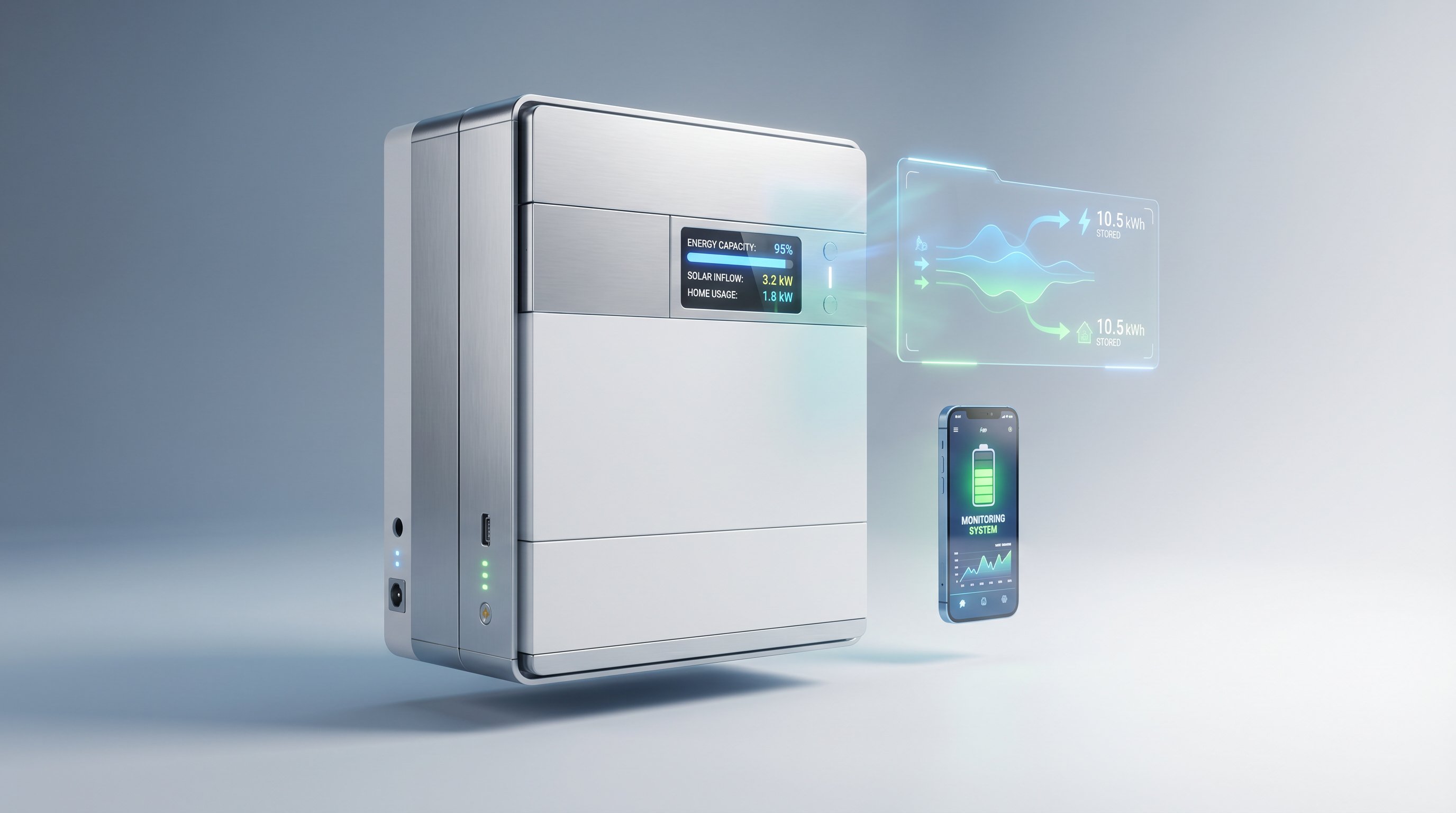
Picking the right system isn't just about kilowatt-hours. You've got to match the battery to your home's needs, budget, and future plans.
Capacity and scalability: Battery capacity is measured in kilowatt-hours (kWh). A typical home uses 25–30 kWh per day, but that varies widely. A 10 kWh battery might cover essentials during an outage, but if you want whole-home backup or multi-day autonomy, you'll need more. Look for systems that are stackable or modular, Humless, for example, offers scalable configurations so you can start small and expand as your needs grow.
Backup vs. non-backup: Not all batteries are set up to provide backup power during outages. Some are designed purely for energy arbitrage (charging and discharging to save money). If blackout protection is a priority, make sure the system includes an automatic transfer switch or built-in islanding capability. This often requires extra wiring and an inverter upgrade, which adds cost.
Cost and incentives: Prices have dropped, but a quality home battery system still runs $7,000–$15,000+ installed, depending on capacity and features. Federal tax credits (like the Investment Tax Credit) can cover 30% of the cost if paired with solar. State and utility rebates may sweeten the deal further. Run the numbers carefully, financing options and long-term savings should factor into your decision.
App integration and monitoring: Modern systems come with smartphone apps that let you track energy flow in real time, set charging/discharging schedules, and receive alerts. This level of control is essential for optimizing performance and catching issues early.
Warranty and support: Look for at least a 10-year warranty covering both capacity retention and performance. Companies with proven track records, like Humless, with over 15 years in the energy storage game, offer not just warranties but ongoing 24/7 support and firmware updates.
Finally, consider installation: work with certified installers familiar with your chosen brand and local permitting requirements. A botched install can void warranties and create safety hazards.
Integration with Solar, Grid, and Backup Power Sources
The real magic happens when your battery doesn't operate in isolation, it orchestrates energy from multiple sources to keep your home running efficiently and reliably.
Solar pairing is the most common setup. During sunny days, your panels generate more electricity than you use. Instead of exporting it to the grid at low rates, your battery soaks it up. Come evening, when your panels go quiet and electricity rates climb, the battery discharges to cover your load. You maximize self-consumption and minimize dependence on the utility.
Grid connection offers flexibility. Even without solar, you can charge your battery overnight when rates are rock-bottom, then use that stored power during expensive peak hours. Some utilities offer special TOU plans that make this strategy incredibly lucrative. And if your battery runs low, the grid is always there as a backstop.
Backup generators integrate smoothly too. If you're in an area with frequent or prolonged outages, pairing a battery with a propane or natural gas generator gives you the best of both worlds: instant, silent power from the battery for short interruptions, and the generator kicking in for extended blackouts to recharge the battery and sustain loads.
Wind and other renewables can also feed into advanced battery systems. Humless BESS units, for instance, are designed to accept input from solar, wind, grid, and generators simultaneously, with intelligent energy management that prioritizes the cheapest or cleanest source at any given moment.
Most systems use apps or onboard software to automate these decisions. You set your priorities, maybe "always use solar first, then battery, grid only as last resort", and the EMS handles the rest. Some platforms even integrate with smart home devices, letting you shed non-critical loads during a power event or schedule EV charging around cheap electricity windows.
By 2023, 13% of new U.S. solar installations included battery storage, and that figure's climbing fast as costs fall and grid concerns grow. The future isn't just solar, it's smart, integrated energy ecosystems where batteries play traffic cop, routing power to where it's needed most, when it's needed most.
Home battery power storage isn't a luxury anymore, it's a practical tool for resilience, savings, and independence. Whether you're protecting your family from the next blackout, slashing your electric bill, or going fully off-grid, the right system can transform how you power your life. With proven technologies, falling costs, and companies like Humless pushing the envelope on reliability and integration, there's never been a better time to take control of your energy future.
Frequently Asked Questions About Home Battery Power Storage
What is home battery power storage and how does it work?
Home battery power storage uses large, stationary rechargeable batteries (typically lithium-ion) that store excess electricity from solar panels or the grid. The system charges with DC electricity, stores it chemically in battery modules, then converts it back to AC via an inverter for household use when needed.
How much can I save on my electric bill with a home battery system?
Home batteries enable peak shaving by storing cheap off-peak electricity or excess solar generation, then discharging during expensive peak hours. Users report cutting electric bills by 30% or more, depending on local rate structures and solar output, especially with time-of-use rate plans.
Can a home battery system provide backup power during blackouts?
Yes, when properly configured with an automatic transfer switch or islanding capability, home batteries automatically isolate your home from the grid during outages, forming a microgrid that keeps critical loads like lights, refrigeration, and medical devices running seamlessly without manual intervention.
What's the difference between lithium-ion and other battery technologies for home use?
Lithium-ion, particularly Lithium Iron Phosphate (LFP), dominates residential use due to superior safety, longer cycle life (6,000+ cycles), and lower thermal runaway risk. Flow batteries are emerging alternatives offering decades of lifespan but are bulkier and more expensive, making them less common for homes.
How do I know what size home battery I need for my home?
Typical homes use 25–30 kWh daily. A 10 kWh battery covers essentials during outages, but whole-home backup requires more capacity. Choose stackable, modular systems so you can start small and expand. Consider your outage duration needs and whether you're pairing with solar for maximum self-consumption.
What's the typical cost of installing a home battery storage system?
Quality home battery systems cost $7,000–$15,000+ installed, depending on capacity and features. Federal tax credits (30% Investment Tax Credit) and state rebates can significantly reduce costs. Prices have dropped considerably, and long-term energy savings typically offset the initial investment over time.