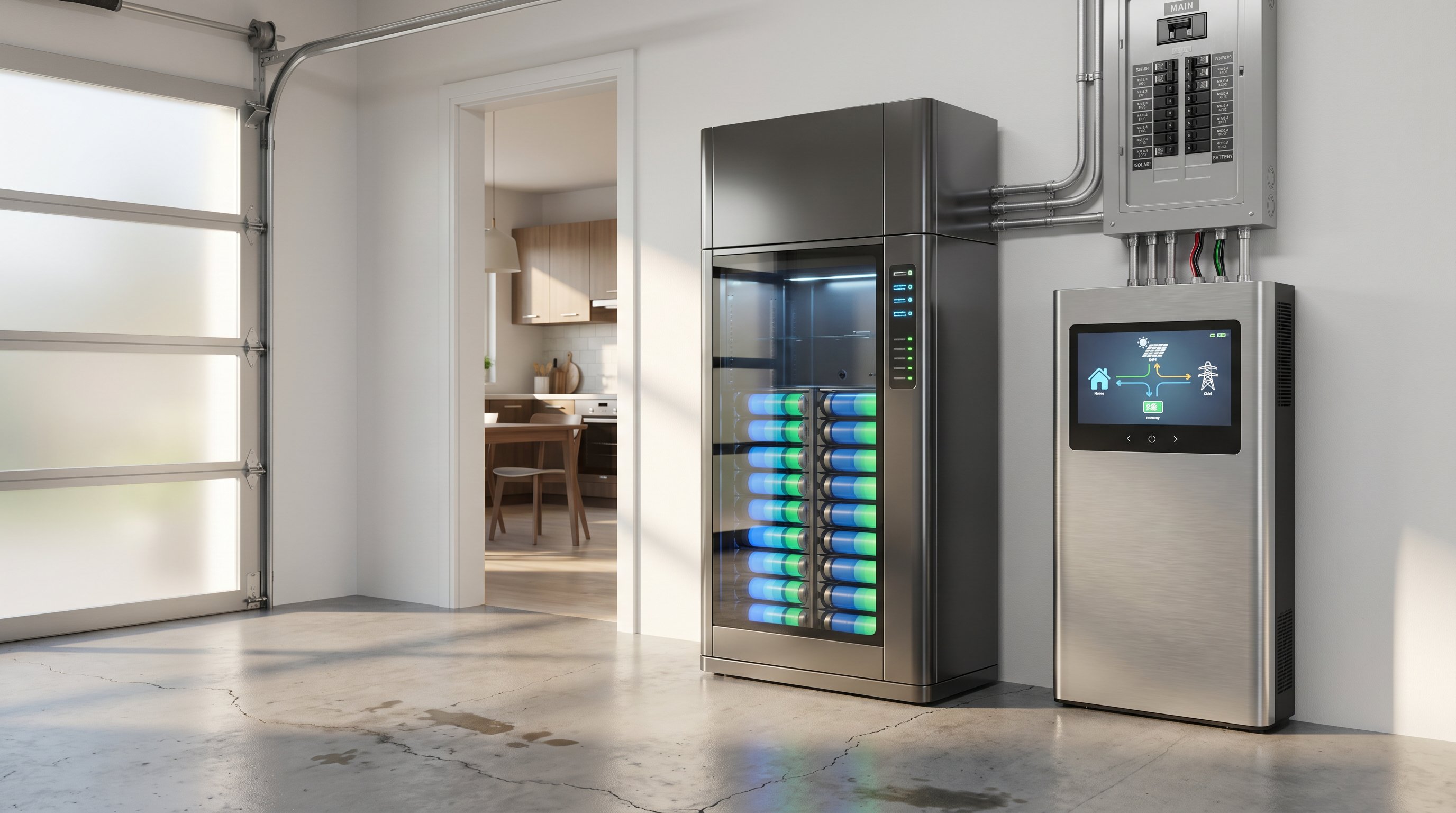
Power outages don't care about your schedule. Whether it's a summer storm knocking out the grid for hours or a winter freeze threatening your home's heating system, losing electricity is more than an inconvenience, it's a disruption to daily life. That's where home battery storage systems come in, offering a reliable safety net that keeps your lights on, your appliances running, and your peace of mind intact. Unlike noisy, maintenance-heavy generators, modern battery systems work silently in the background, storing energy from solar panels or the grid and delivering it exactly when you need it. In 2026, with energy independence becoming a priority for more homeowners and battery technology advancing rapidly, understanding how these systems work and what to look for can help you make a smart investment that pays dividends for years to come.
Key Takeaways
- Home battery storage systems provide silent, low-maintenance backup power during grid outages and enable energy independence by storing electricity from solar panels or the grid for later use.
- Peak shaving strategies allow homeowners to store cheap off-peak electricity and use it during high-rate peak demand windows, potentially slashing electric bills significantly when combined with time-of-use rate plans.
- LiFePO4 (lithium iron phosphate) chemistry is the gold standard for residential home battery storage systems, offering superior thermal stability, safety, longevity, and 6,000+ charge cycles with 10-12 year warranties.
- Scalable modular designs let you start with smaller 5 kWh units and expand to 20-40+ kWh configurations as your energy needs grow, supporting everything from essential appliances to whole-home loads including HVAC and EV chargers.
- Smart battery management systems with real-time monitoring apps enable circuit prioritization, automated backup switching, and scheduled charging during lowest-cost rate windows, maximizing both savings and reliability.
- Federal tax credits, state rebates, and utility programs can substantially reduce the upfront cost of a typical 13.5 kWh system, making the return on investment clearer when factoring in years of avoided peak-rate charges.
What Is a Home Battery Storage System?
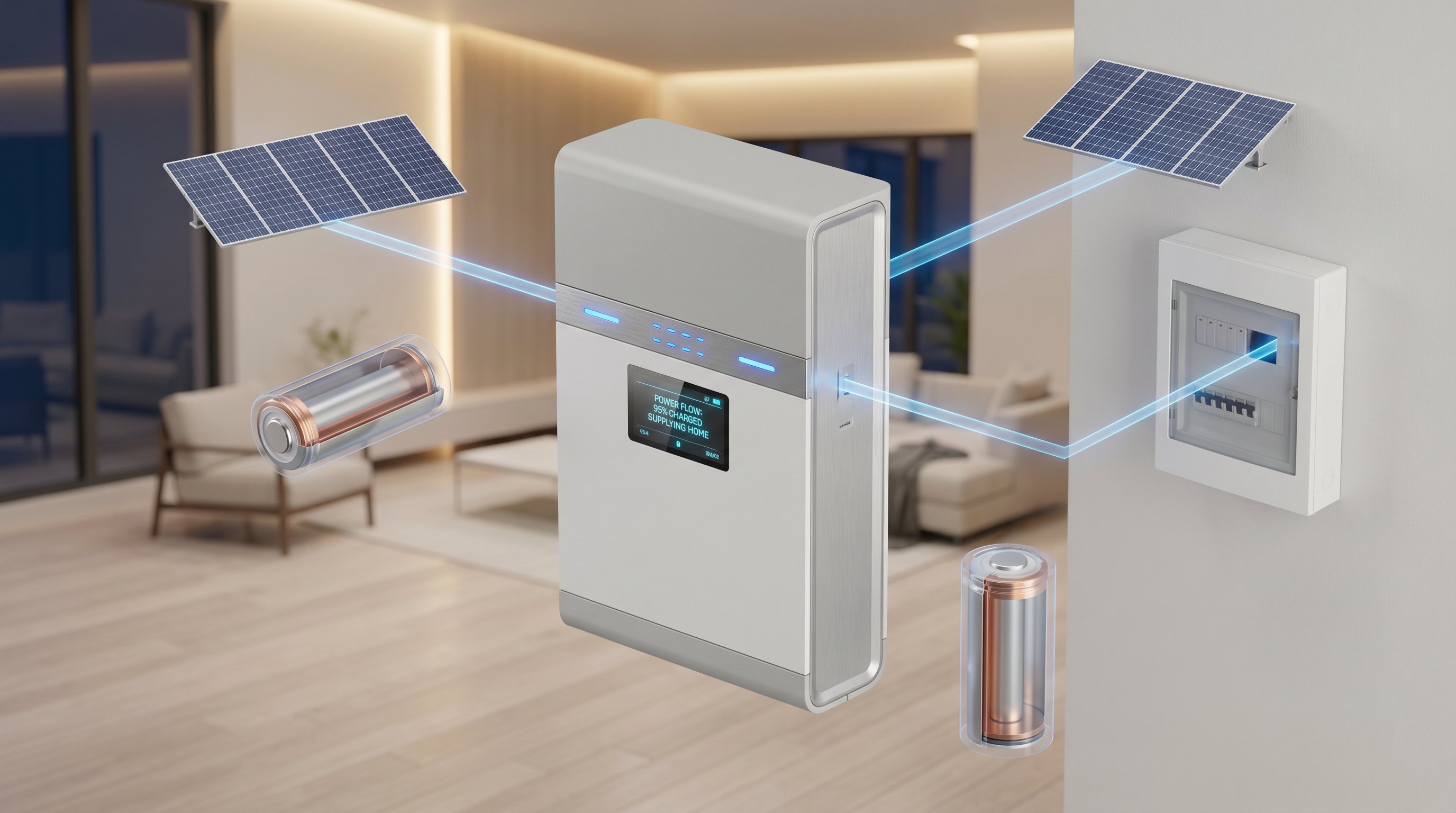
At its core, a home battery storage system is a rechargeable power reservoir that captures electricity, whether generated by rooftop solar panels or pulled from the utility grid, and stores it in high-capacity batteries for later use. Think of it as a giant rechargeable battery bank for your house, but far more sophisticated.
Unlike traditional backup generators that kick in with noise, fumes, and ongoing fuel costs, battery storage systems operate silently and require virtually no maintenance. They're designed to power your essential appliances during outages or supply electricity during peak demand periods when grid rates spike. The system sits between your energy source (solar array or utility connection) and your home's electrical panel, intelligently managing when to store power and when to release it.
These systems range widely in capacity. A modest 5 kWh unit might keep your refrigerator, lights, and Wi-Fi running during a brief outage, while larger 20-40+ kWh configurations can support whole-home loads, including energy-hungry appliances like air conditioners and electric vehicle chargers, for extended periods. As energy storage technology matures, homeowners are discovering that battery systems aren't just backup plans: they're pathways to genuine energy independence and cost control.
How Home Battery Storage Systems Work
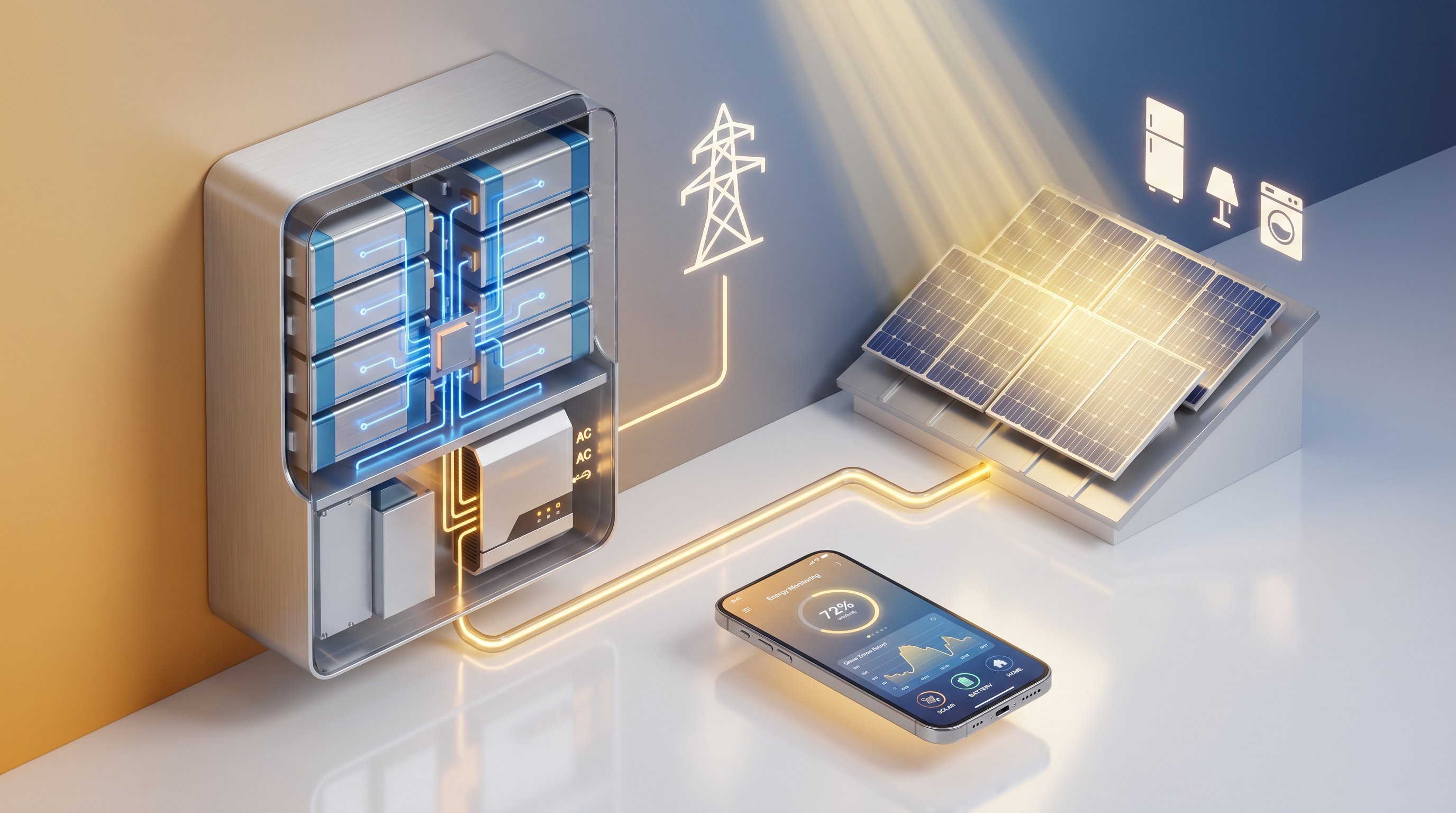
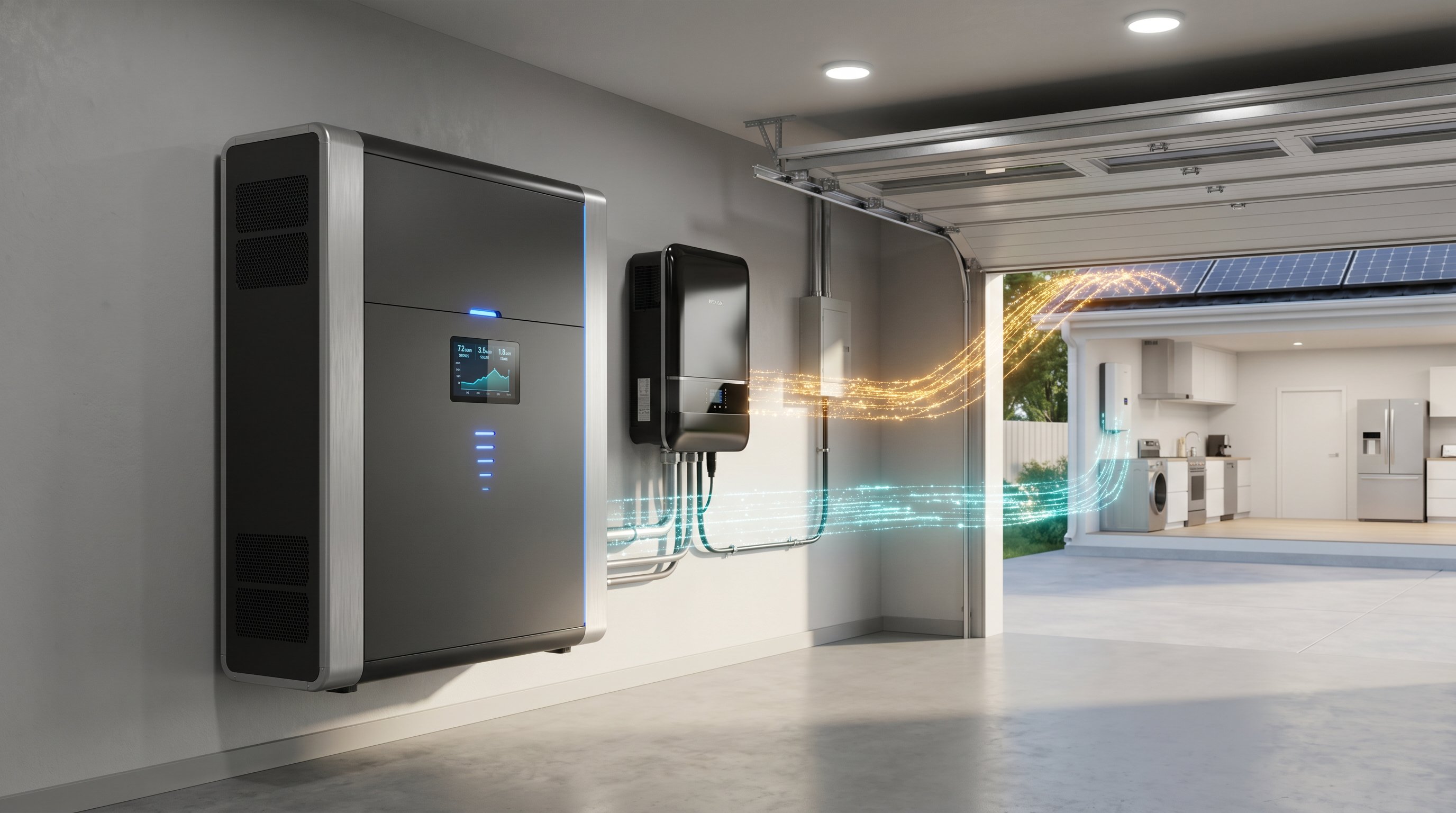
The mechanics behind home battery storage aren't as complex as you might think. Every system includes three core components: an energy input source, the battery storage unit itself, and an inverter to convert stored direct current (DC) power into the alternating current (AC) that your home appliances use.
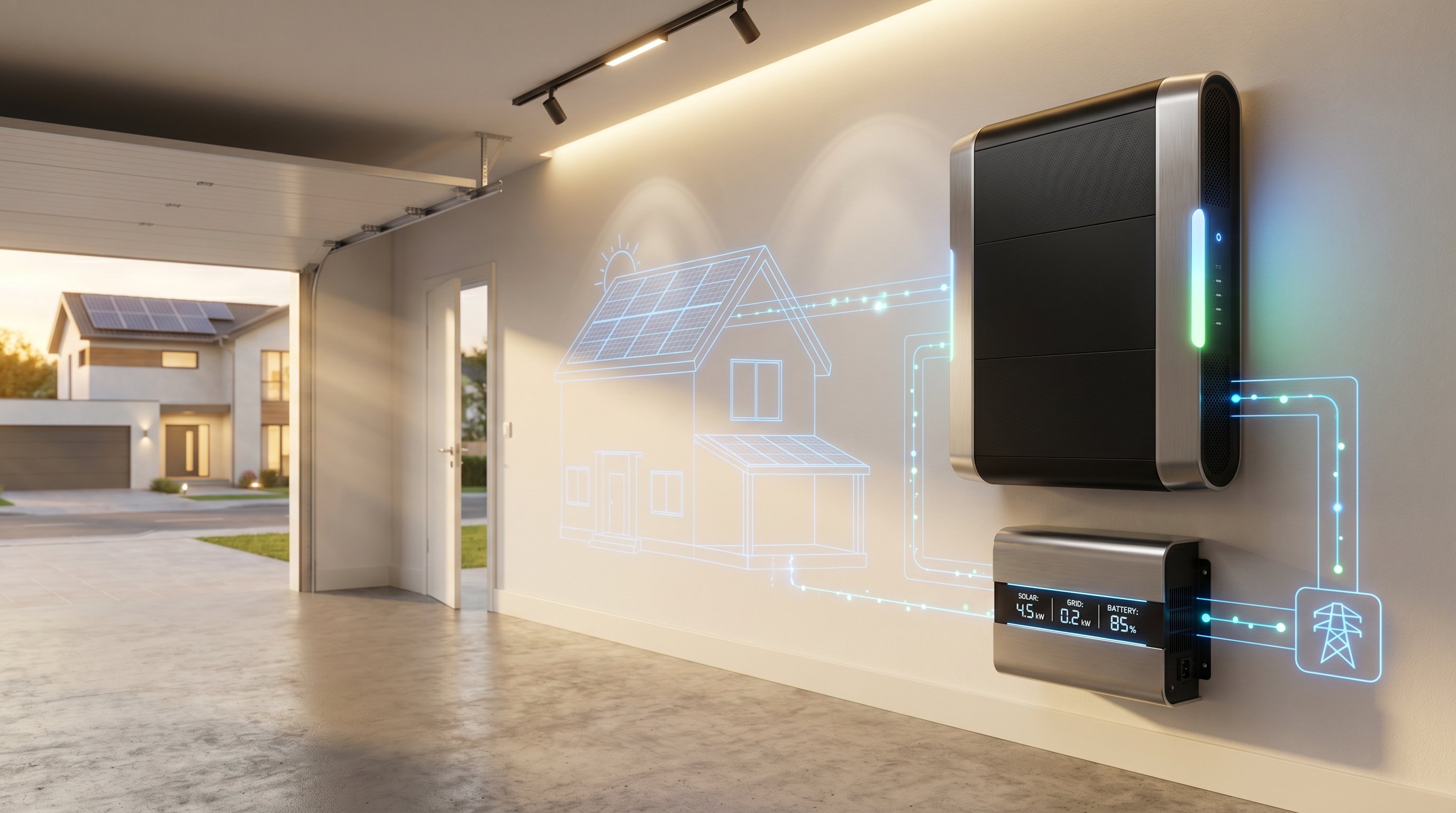
Here's how the cycle plays out: During the day, your solar panels generate electricity. Any power your home doesn't immediately consume flows into the battery storage unit, charging it up for later. If you don't have solar, the system can charge from the grid during off-peak hours when electricity rates are lowest. Once the batteries reach capacity, excess energy either feeds back to the grid (if you're in a net metering arrangement) or simply stops charging.
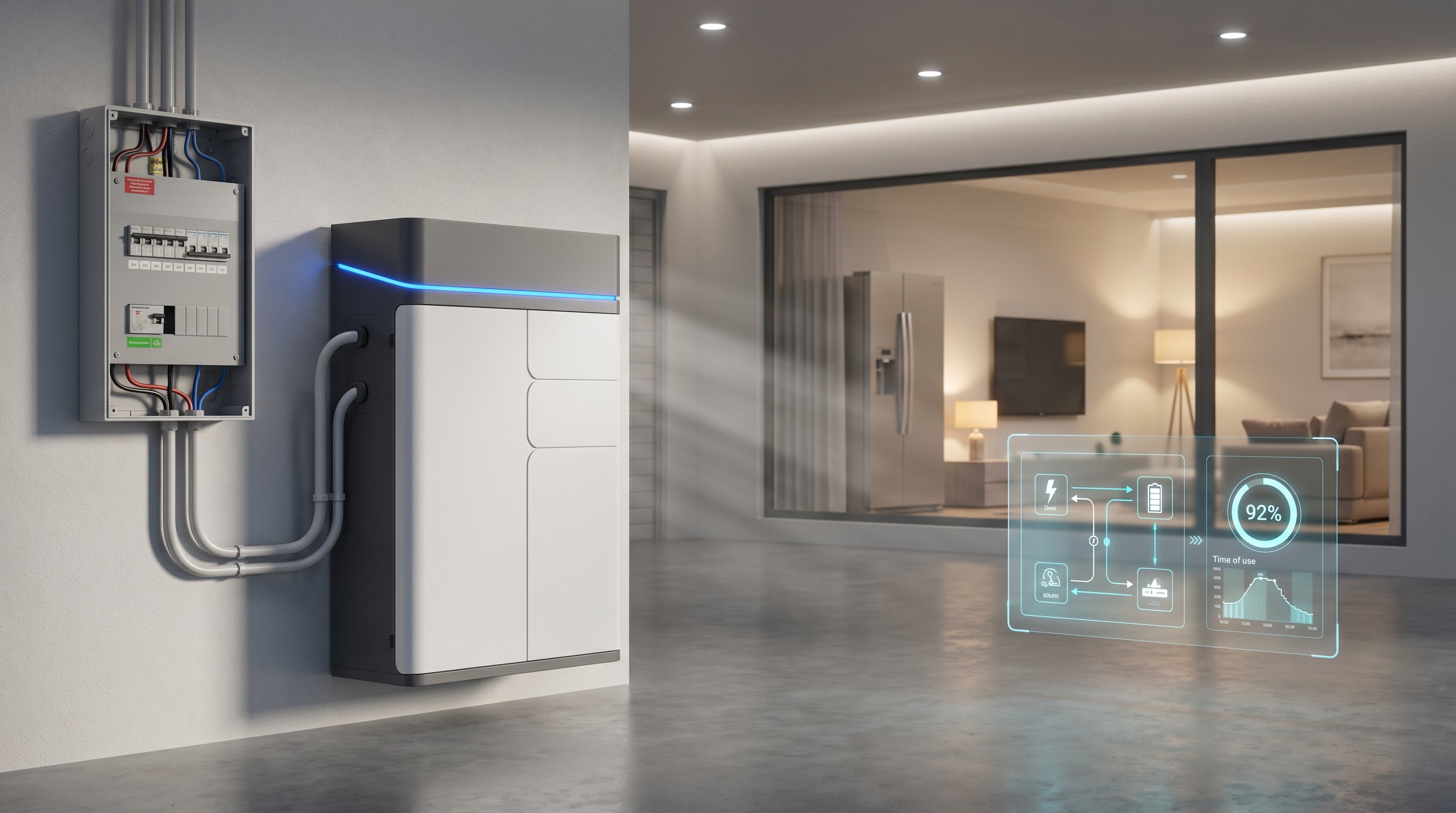
When the sun sets or a power outage hits, the system seamlessly switches roles. The inverter draws DC power from the batteries, converts it to AC, and supplies your home instantly, often so quickly you won't even notice the transition. Advanced battery management systems (BMS) monitor cell health, balance charging across battery modules, and optimize performance to extend lifespan.
Modern systems integrate smart monitoring apps that let you track energy production, consumption, and battery status in real time. You can prioritize which circuits get power during an outage, schedule charging during the cheapest rate windows, and even automate backup modes when storms approach. It's energy management that fits into your pocket.
Key Benefits of Installing a Home Battery Storage System
Energy Independence and Backup Power
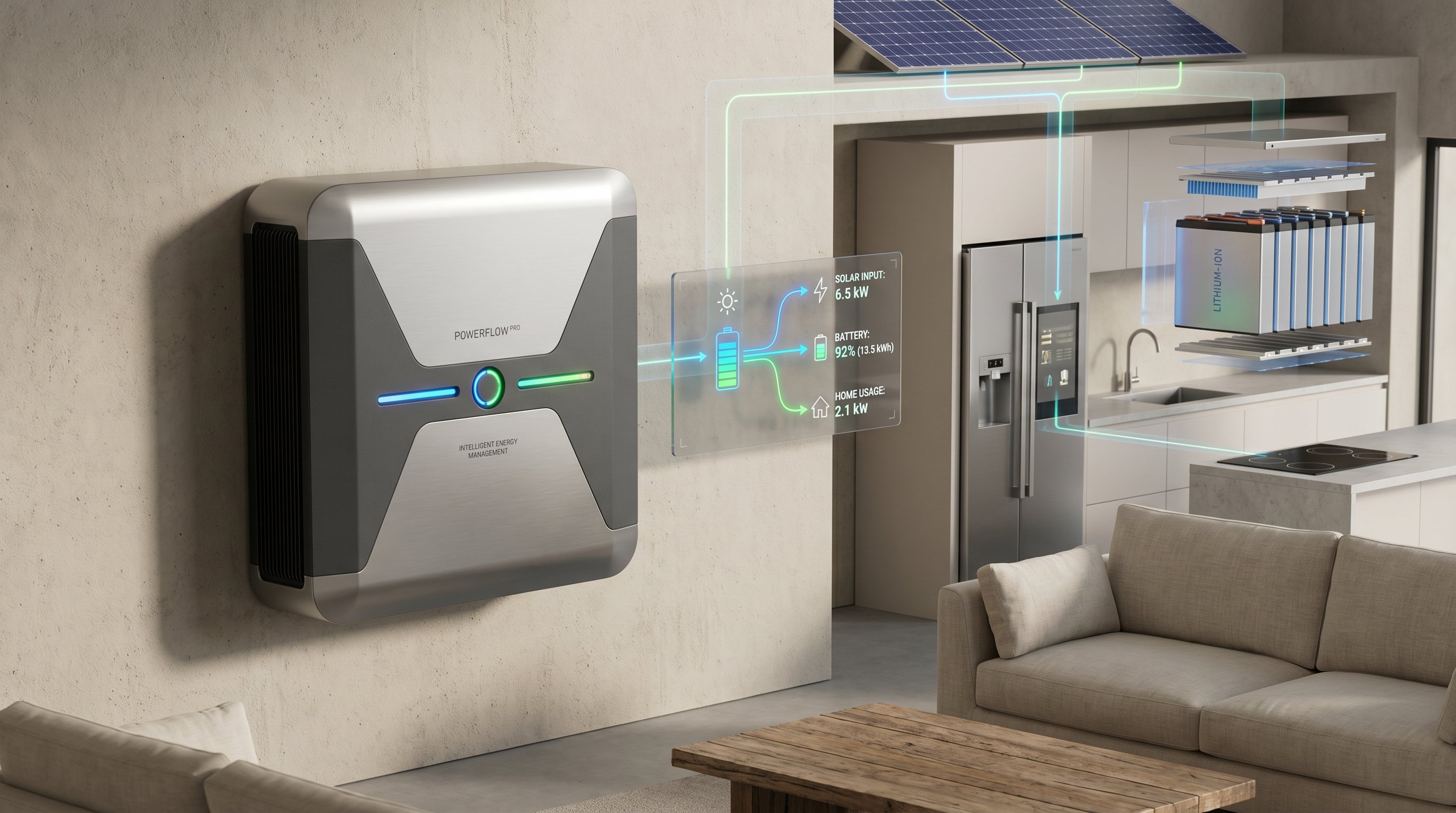
The most compelling reason homeowners invest in battery storage is freedom, freedom from grid dependence, from unexpected outages, and from the anxiety that comes with both. A properly sized battery system transforms your home into a self-sufficient power hub. For off-grid property owners, this isn't a luxury: it's essential infrastructure.
Whole-home backup is now achievable with systems offering 20-40+ kWh capacity, enough to run full household loads including HVAC, refrigeration, and electronics for days without grid support. Modular designs let you scale from compact 5 kWh units up to 48 kWh configurations, matching your household's specific needs and budget. Companies like Humless have pioneered scalable systems that grow with you, stacking additional battery modules as energy demands increase.
Reliability extends to extreme conditions, too. Quality systems operate in frigid climates, some units feature self-heating technology that functions down to -4°F, ensuring your backup power doesn't fail when you need it most. Whether you're weathering a multi-day blizzard or a summer heatwave that strains the grid, battery storage keeps critical systems online.
Cost Savings and Peak Shaving
Beyond backup power, home battery systems deliver tangible financial benefits through a strategy called peak shaving. The concept is simple: store inexpensive electricity (whether from your solar array's excess production or from the grid during off-peak hours) and use it during peak demand windows when utility rates spike.
If you're on a time-of-use (TOU) rate plan, this can slash your electric bill significantly. Instead of paying premium rates for evening power, you tap your stored energy reserves. Over time, these savings add up. A typical 13.5 kWh battery system costs around $15,000 before incentives, but federal tax credits, state rebates, and utility programs can reduce that substantially. Factor in years of avoided peak-rate charges and backup power value, and the return on investment becomes clear.
For solar-equipped homes, battery storage maximizes your panels' value. Rather than selling excess daytime generation back to the utility at low rates, you bank it for your own evening use, capturing 100% of the value your solar system produces.
Choosing the Right Battery Technology: LiFePO4 vs. Other Options
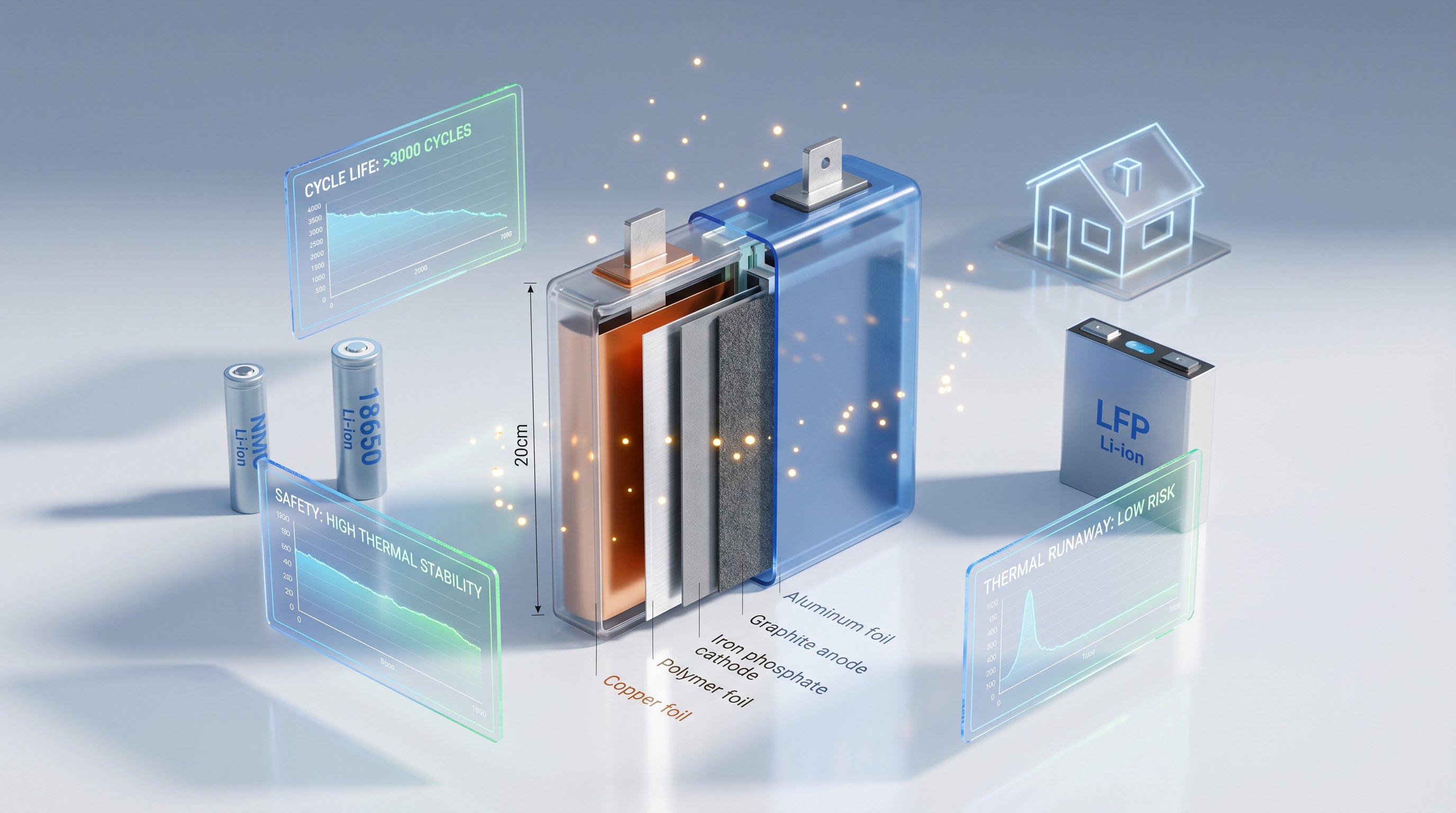
Battery chemistry matters, a lot. Not all lithium batteries are created equal, and the chemistry you choose impacts safety, lifespan, efficiency, and peace of mind.
Lithium iron phosphate (LiFePO4 or LFP) has emerged as the gold standard for residential energy storage. While other lithium-ion chemistries (like nickel manganese cobalt, common in EVs and laptops) offer high energy density, LiFePO4 prioritizes the characteristics that matter most for home use: thermal stability, safety, and longevity.
LFP batteries don't suffer from the thermal runaway risks associated with other lithium-ion types. They're inherently stable, even under stress or damage, making them ideal for installation inside or adjacent to living spaces. This chemistry also delivers impressive cycle life, with manufacturers routinely offering 10-12 year warranties and real-world performance often exceeding 6,000 charge cycles.
Leading brands like EG4, BigBattery, Enphase, and Humless have standardized on LiFePO4 for their home systems, and for good reason. The technology has matured to the point where it balances cost, performance, and reliability better than alternatives. If you're comparing systems, ask about battery chemistry upfront, LiFePO4 should be at the top of your shortlist.
Other chemistries have their place (lead-acid remains an ultra-budget option, albeit with shorter lifespan and maintenance needs), but for a home battery storage system you'll depend on for years, LiFePO4's proven track record makes it the smart choice in 2026.
Essential Features to Look for in a Home Battery Storage System
Shopping for a battery storage system can feel overwhelming, but focusing on a handful of critical features will steer you toward the right solution.
Scalability and modularity top the list. Your energy needs today might not match your needs in five years, maybe you'll add an EV, expand your home, or install more solar capacity. Systems built with stackable 5-16 kWh modules let you start small and grow over time without replacing your entire setup. Humless and similar manufacturers design their systems with this flexibility in mind, making expansion straightforward and cost-effective.
Durability and environmental resilience matter, especially if your battery will live in a garage, basement, or outdoor enclosure. Look for IP65-67 ingress protection ratings that guard against dust and moisture. Built-in heating elements ensure operation in freezing temperatures, while vibration resistance and robust enclosures protect against physical stress.
Smart technology integration transforms a battery from a passive storage box into an active energy management tool. A quality battery management system (BMS) balances cell charging, prevents overcharge/discharge, and monitors health in real time. Companion apps should offer intuitive monitoring, remote control, and automated backup switching when the grid fails.
Power output capacity determines what you can actually run during an outage. Systems offering 200A continuous output at 120/240V can handle heavy loads, think well pumps, HVAC systems, and multiple appliances simultaneously. Understand your household's peak demand and choose a system that meets or exceeds it.
Finally, don't overlook warranty and certifications. A 10-12 year warranty signals manufacturer confidence, while UL listing ensures the system meets rigorous safety standards. These aren't just checkboxes, they're your assurance that the system is built to last and safe to install in your home.
With battery storage technology advancing rapidly and costs trending downward, 2026 is an excellent time to invest in energy independence. Whether you're motivated by backup power security, cost savings, environmental benefits, or all three, a well-chosen home battery storage system delivers reliability when it matters most, and savings that compound year after year.
Frequently Asked Questions About Home Battery Storage Systems
What is a home battery storage system and how does it work?
A home battery storage system captures electricity from solar panels or the grid and stores it in high-capacity batteries for later use. It includes three core components: an energy input source, the battery storage unit, and an inverter that converts DC power to AC electricity your appliances can use. The system seamlessly switches between storing power and supplying it during outages or peak demand periods.
What are the main benefits of installing a home battery storage system?
Home battery systems offer energy independence and reliable backup power during outages, with scalable designs supporting 5-48 kWh capacity for extended whole-home protection. They also reduce electricity costs through peak shaving—storing inexpensive power and using it during expensive peak hours. Federal tax credits and state rebates can significantly reduce the typical $15,000 cost.
Why is LiFePO4 the best battery chemistry for home storage?
LiFePO4 (lithium iron phosphate) offers superior thermal stability and safety, avoiding runaway risks of other lithium-ion types. It delivers impressive 10-12 year warranties and 6,000+ real-world charge cycles. Leading brands like EG4, BigBattery, and Enphase standardize on LFP because it balances cost, performance, and long-term reliability better than alternatives.
Can a home battery storage system work in cold climates?
Yes, quality systems operate reliably in freezing temperatures. Many units feature self-heating technology that functions down to -4°F, ensuring backup power works when you need it most during winter storms or extreme weather conditions.
How do I choose the right home battery storage system size for my home?
Determine your household's peak power demand and desired backup duration. Modest 5 kWh units maintain essentials like refrigeration and lighting; larger 20-40+ kWh systems support whole-home loads including HVAC and EV chargers. Look for scalable, modular designs with stackable 5-16 kWh units that grow with your needs without replacing the entire setup.
What key features should I prioritize when shopping for a home battery storage system?
Prioritize scalability for future growth, IP65-67 durability ratings for environmental protection, smart battery management systems (BMS) with real-time monitoring apps, continuous power output of at least 200A at 120/240V for heavy loads, and 10-12 year warranties with UL certifications ensuring safety and manufacturer confidence.