Power outages don't follow a schedule. Whether it's a passing storm or a prolonged grid failure, losing electricity means more than just dark rooms, it's spoiled food, disabled medical equipment, and hours of discomfort. Home battery backup systems have evolved from niche technology to a practical solution for energy independence, especially as grid reliability faces increasing strain. These rechargeable powerhouses store electricity from solar panels, the grid, or generators, then deliver it exactly when you need it most. With lithium battery costs dropping and solar adoption climbing, 2026 is shaping up as the year homeowners take control of their energy future.
Key Takeaways
- Home battery backup systems provide instant, silent protection during power outages by automatically switching from grid power to stored energy in milliseconds, ensuring critical appliances and medical devices stay operational.
- Battery backup systems paired with solar panels enable near-total energy independence, allowing homeowners to store excess daytime production for evening use and eliminate reliance on expensive utility peak rates.
- LiFePO4 lithium-ion chemistry dominates residential home battery backup systems due to superior safety, longevity (6,000+ charge cycles), and minimal maintenance compared to lead-acid alternatives.
- Time-of-use rate arbitrage—charging during off-peak overnight hours and discharging during expensive peak hours—can generate significant monthly cost savings without requiring solar panels.
- Smart controls and mobile app connectivity give homeowners real-time monitoring and circuit prioritization capabilities, while integrated charging options from solar, grid, generators, and EV vehicle-to-load technology maximize system flexibility.
- Professional installation with licensed electricians ensures proper electrical panel integration, code compliance, and automatic transfer switches that seamlessly failover within milliseconds during grid failures.
What Are Home Battery Backup Systems and How Do They Work?
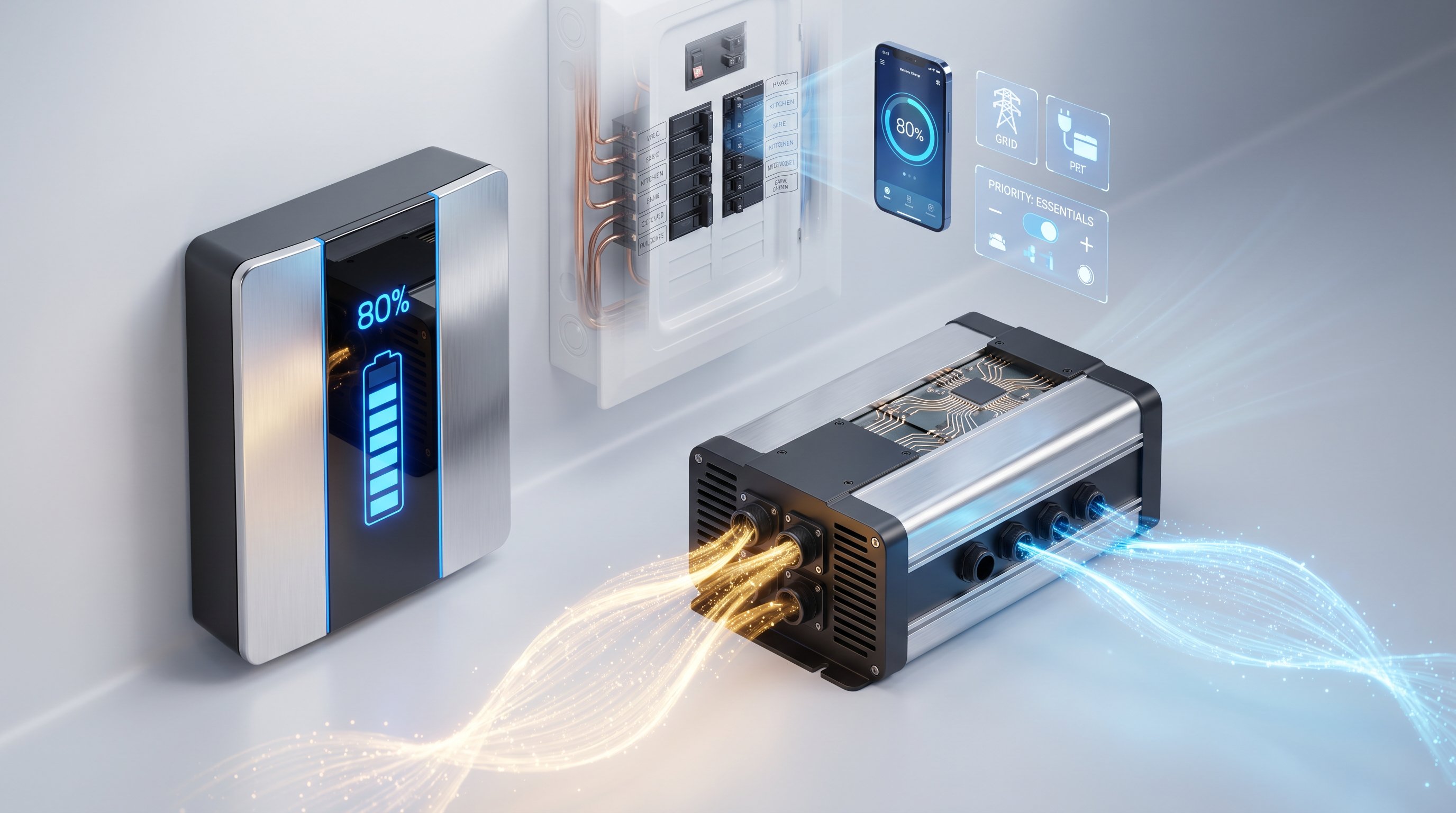
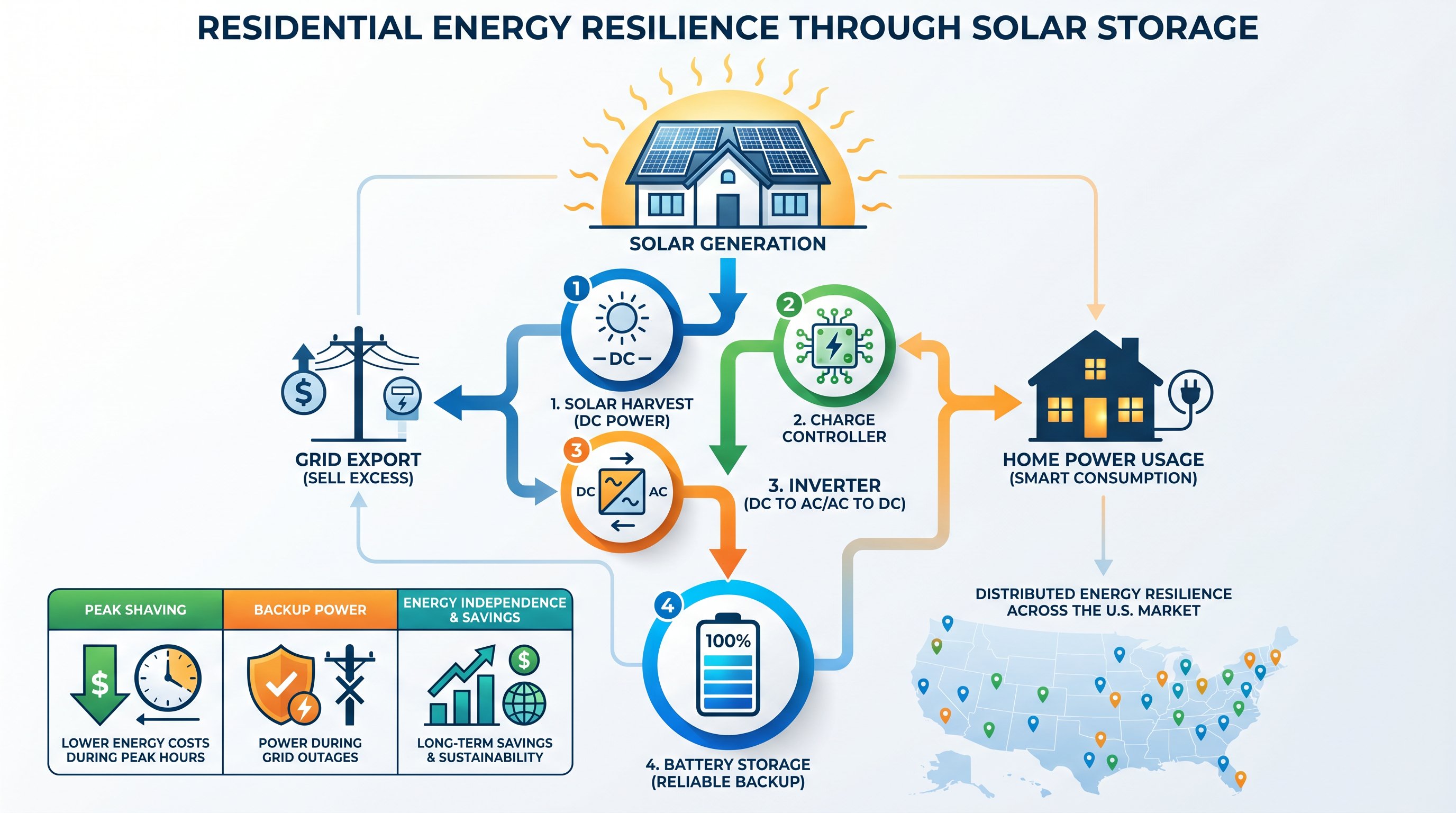
At their core, home battery backup systems are large-scale rechargeable batteries, typically lithium-ion, connected directly to your home's electrical panel. They store electricity pulled from the grid during off-peak hours, excess energy generated by solar panels, or power from backup generators. When the grid goes down or electricity rates spike, the system automatically switches over to supply your home with stored energy.
The magic happens through an inverter, a critical component that converts the battery's stored DC (direct current) electricity into AC (alternating current) that your appliances can use. Modern systems complete this transition in milliseconds, so seamlessly that you won't even notice your lights flickering when an outage hits. Depending on your setup, the battery can power essential circuits, think refrigerator, lights, and medical devices, or your entire home if you've sized the system accordingly.
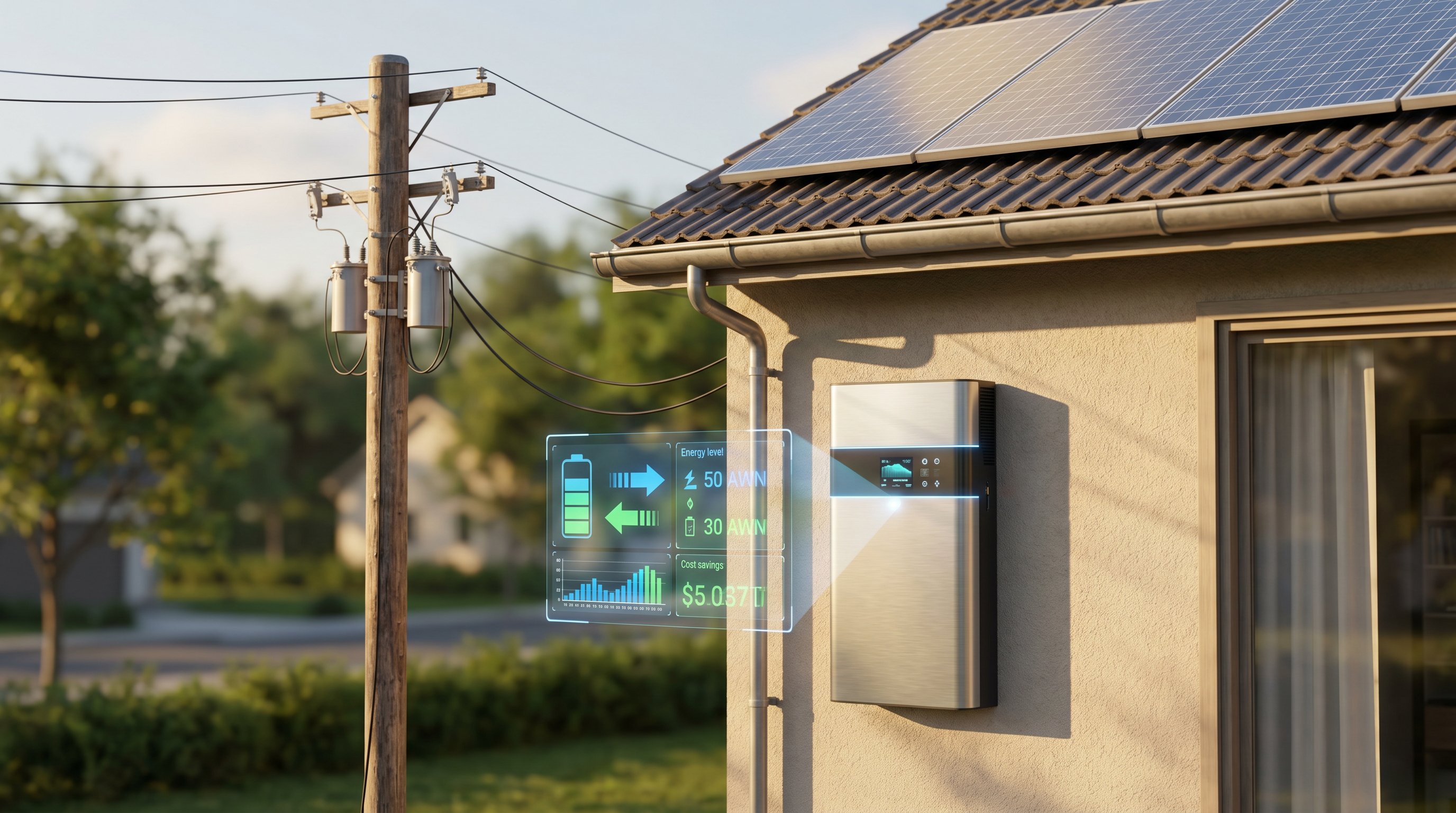
Recharging is equally flexible. If you've got solar panels, excess daytime production flows into the battery instead of back to the grid. No solar? The system can draw from the grid during low-rate periods (usually overnight) and discharge during expensive peak hours, a strategy called time-of-use arbitrage. Some homeowners even connect generators or tap into their EV's vehicle-to-load (V2L) capability to top up the battery. Smartphone apps let you monitor charge levels, adjust settings, and prioritize which circuits get power first, putting you firmly in the driver's seat of your home's energy flow.
Key Benefits of Installing Battery Backup Systems for Homes
Protection Against Power Outages and Grid Failures
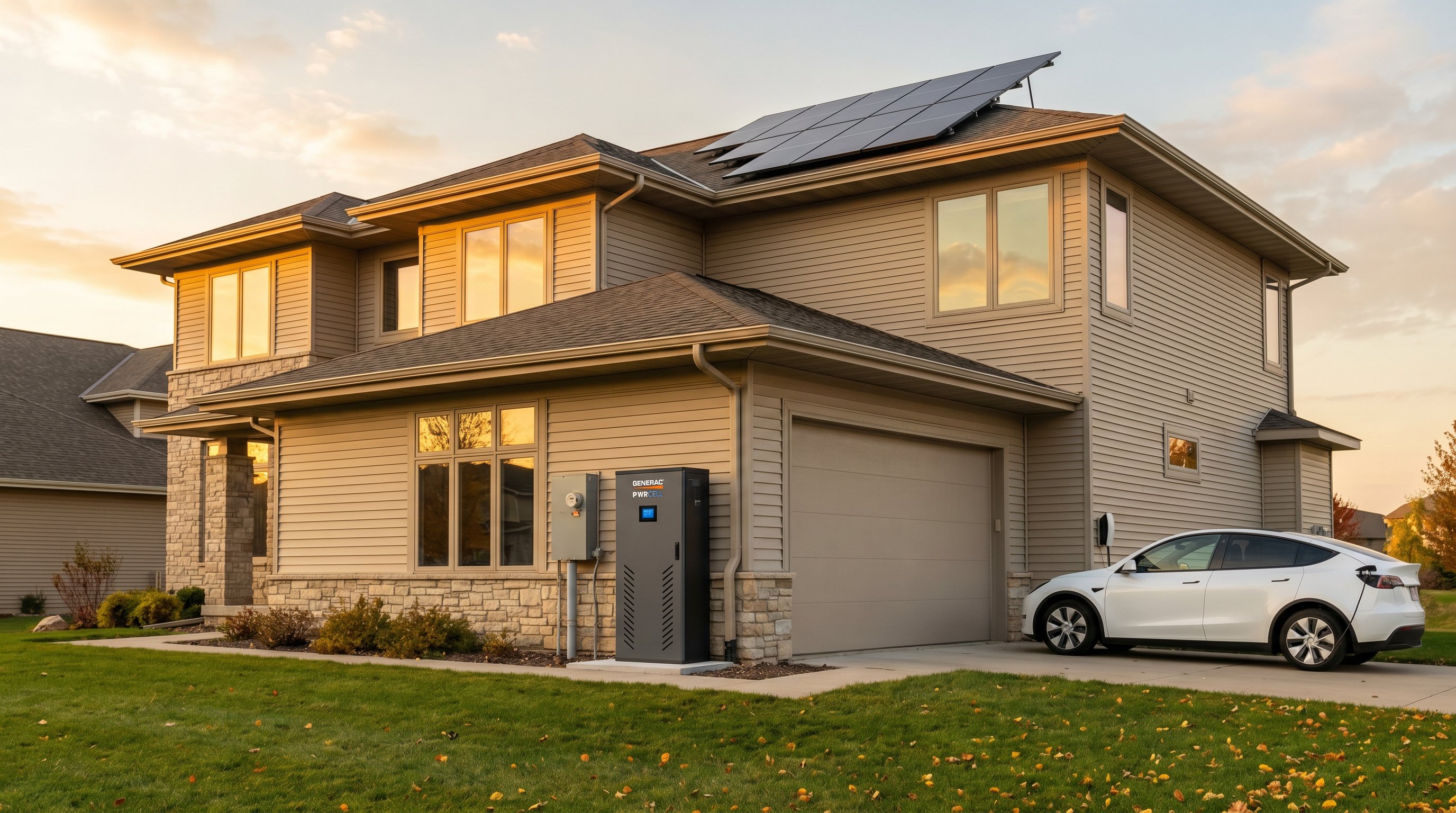
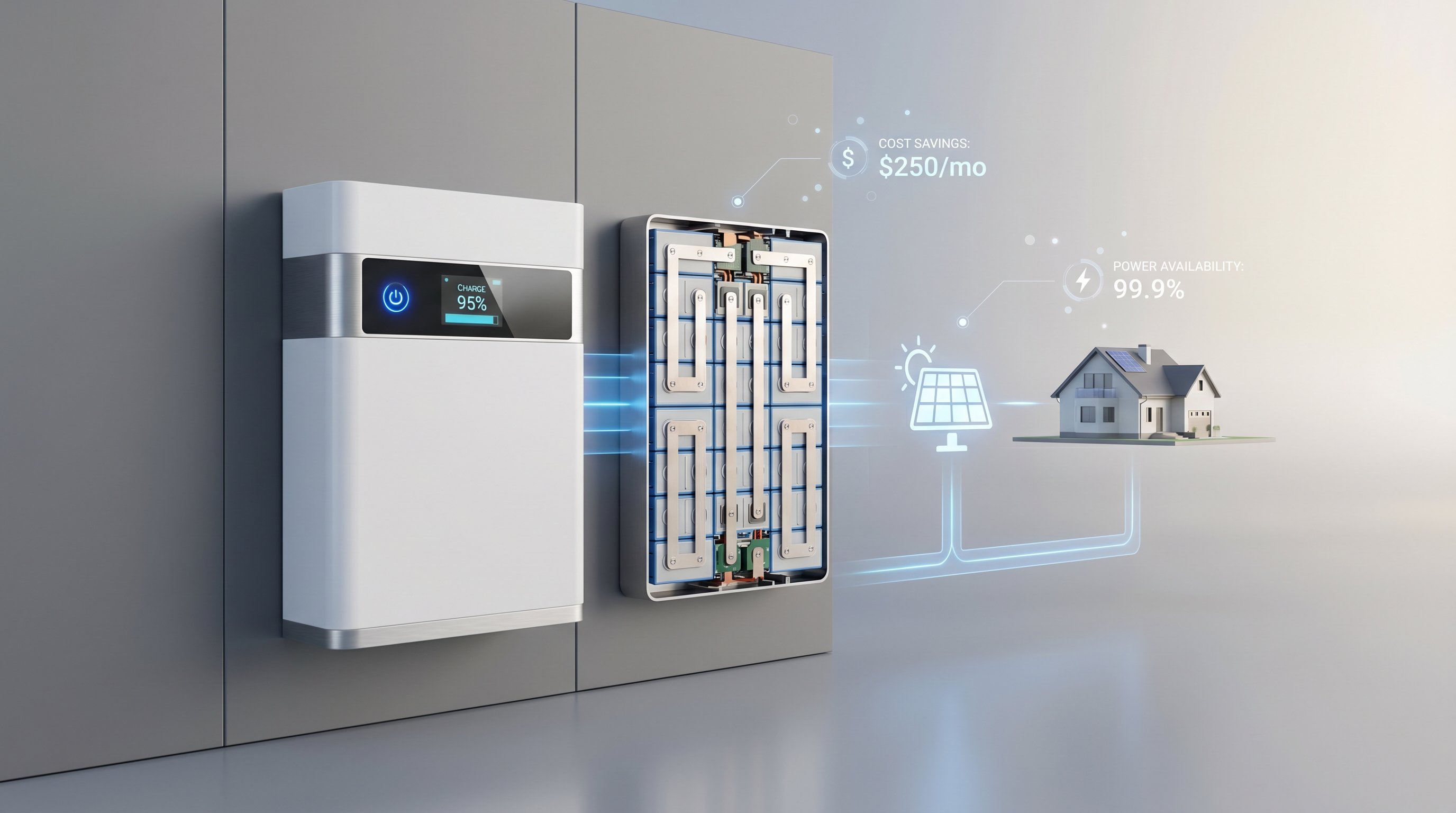
For homeowners in weather-prone regions, hurricane corridors, wildfire zones, or areas with aging grid infrastructure, battery backup systems deliver peace of mind that a traditional generator just can't match. Unlike noisy, fuel-dependent generators that require manual startup, battery systems kick in instantly and silently. Your HVAC keeps running, your fridge stays cold, and anyone relying on medical equipment like CPAP machines or oxygen concentrators won't skip a beat.
This isn't just about convenience. The frequency and duration of outages have been climbing. A reliable battery backup transforms a multi-day blackout from a crisis into a manageable inconvenience, especially when paired with solar panels that can recharge the battery even while the grid's down. Companies like Humless have built their reputation on systems that integrate seamlessly with multiple power sources, ensuring you're never left in the dark.
Energy Independence and Cost Savings
Beyond outage protection, battery backup systems for homes unlock serious cost savings and energy autonomy. If your utility uses time-of-use rates, charging more during peak afternoon and evening hours, you can store cheap nighttime electricity and use it when rates climb. Over months and years, that arbitrage adds up.
Pair a battery with solar panels, and you're looking at near-total energy independence. Instead of selling excess solar back to the utility at low rates, you store it for your own evening use. Some regions even offer incentive programs that pay homeowners to discharge their batteries during grid stress events, turning your system into a revenue generator. Off-grid property owners, in particular, find battery systems indispensable, eliminating reliance on expensive and polluting diesel generators. The upfront investment pays dividends in lower bills, greater resilience, and the satisfaction of controlling your own energy destiny.
Types of Home Battery Backup Systems: Which Is Right for You?
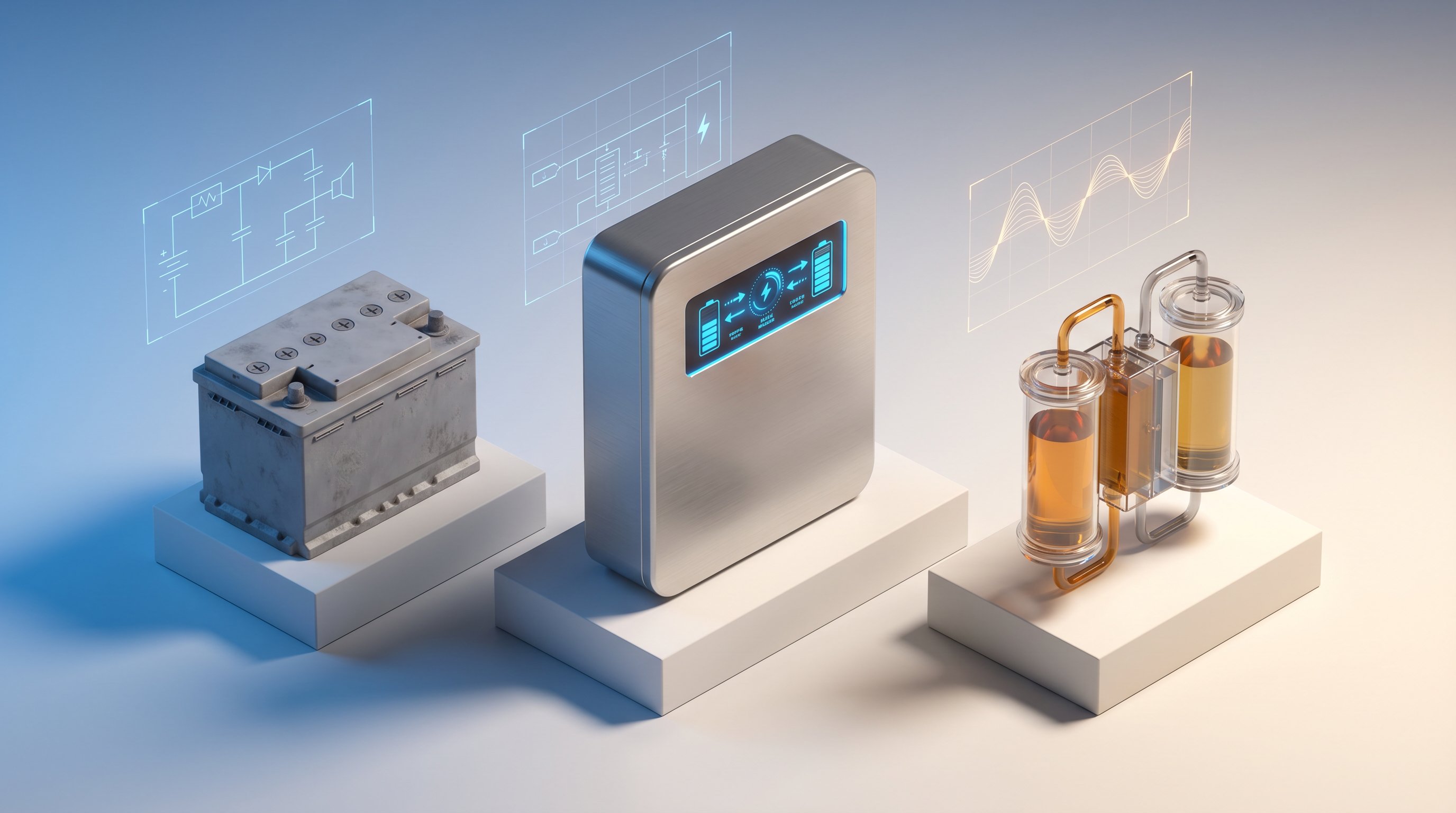
Not all battery backup systems are created equal. The chemistry, configuration, and coupling method all influence performance, cost, and longevity.
| Type | Key Characteristics |
|---|---|
| Lithium-Ion (LiFePO4) | High energy density, minimal maintenance, thousands of charge cycles: dominates residential market and EV applications. |
| Lead-Acid | Lower upfront cost but shorter lifespan (3–5 years), requires regular maintenance and ventilation. |
| Flow Batteries | Scalable capacity using liquid electrolytes, exceptionally long lifespan: still emerging and pricier than lithium. |
Within lithium-ion, LiFePO4 (lithium iron phosphate) chemistry stands out for safety and longevity, resisting thermal runaway and delivering over 6,000 cycles in many cases. It's the chemistry of choice for companies like Humless, whose systems are designed for off-grid reliability and decades of service.
You'll also encounter AC-coupled versus DC-coupled systems. AC-coupled batteries connect after the solar inverter, making them retrofit-friendly for homes with existing solar. DC-coupled systems tie directly into the solar array before conversion, offering higher efficiency and better performance but typically requiring installation alongside new solar. Finally, consider whole-home versus partial backup configurations. Whole-home systems cost more and need larger battery banks, but they power everything. Partial backup targets essential circuits, trimming both cost and battery size while still covering your must-haves during an outage.
Essential Features to Look for When Choosing a Battery Backup System
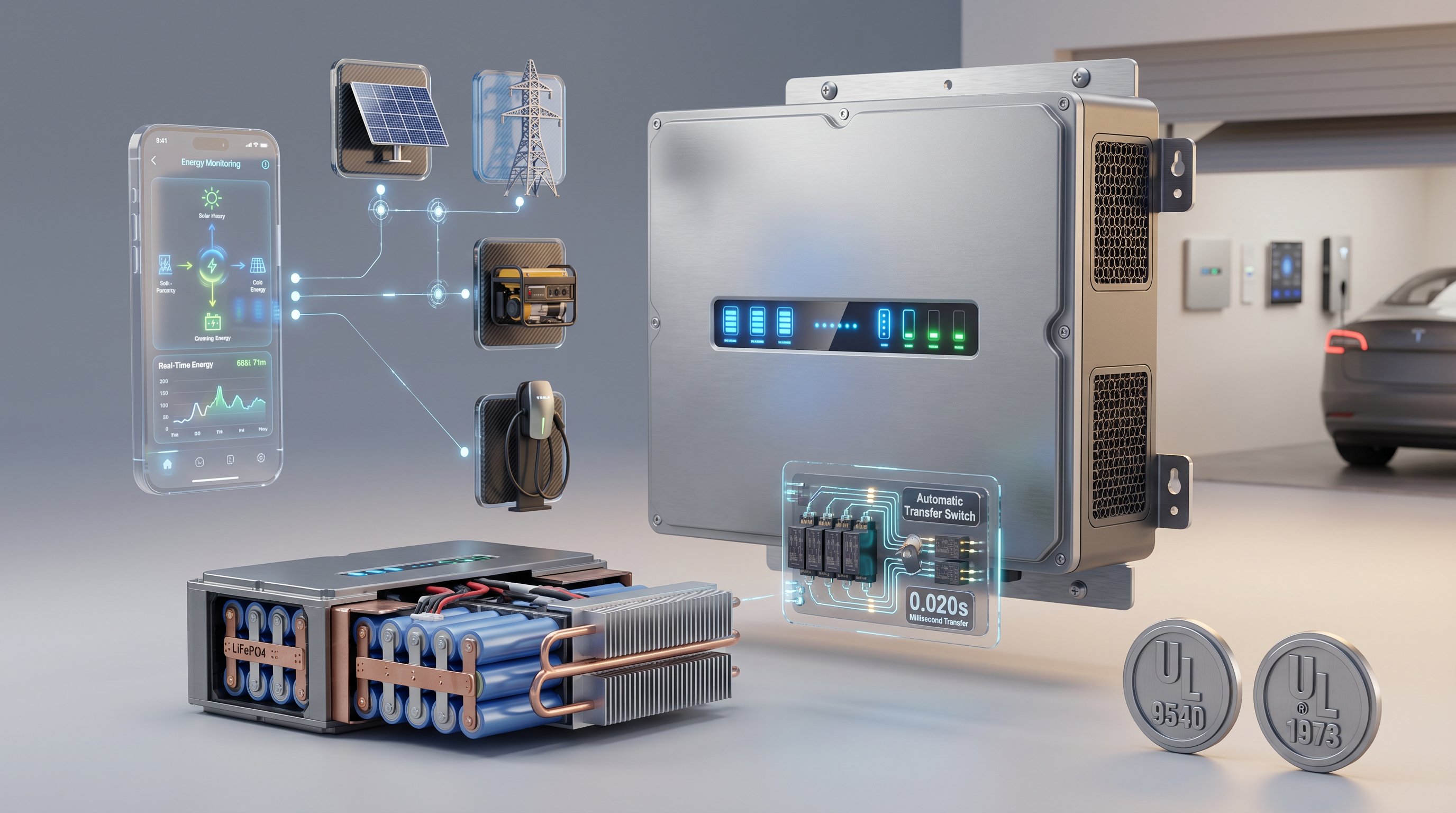
Choosing the right battery backup system means looking beyond capacity specs to features that ensure safety, flexibility, and long-term value.
Weatherproofing and installation flexibility matter, especially if you're mounting outdoors. Look for IP65-rated enclosures that resist dust and water, plus options for wall or ground mounting to fit your space. Integration capabilities are equally critical, can the system pull from solar, grid, generator, and even your EV? The more sources it handles, the more resilient your setup.
Smart controls and app connectivity put real-time monitoring and circuit prioritization at your fingertips. You should be able to set charging windows, track energy flows, and adjust backup priorities from your phone. An automatic transfer switch is non-negotiable for seamless failover during outages, cutting switchover time to milliseconds.
On the battery side, LiFePO4 chemistry offers the best blend of safety, cycle life, and temperature tolerance. Avoid systems that lack thermal management or don't disclose their battery chemistry. Certifications like UL 9540 and UL 1973 signal that the system has passed rigorous safety testing, critical when you're installing a large energy storage device in your home. Finally, check the warranty. Quality systems come with 10-year warranties and guaranteed cycle counts, reflecting the manufacturer's confidence in longevity. Humless, for instance, backs its battery energy storage systems with comprehensive support and proven reliability dating back to 2010, giving installers and homeowners alike confidence in their investment.
Installation and Integration with Solar, Grid, and Generator Sources
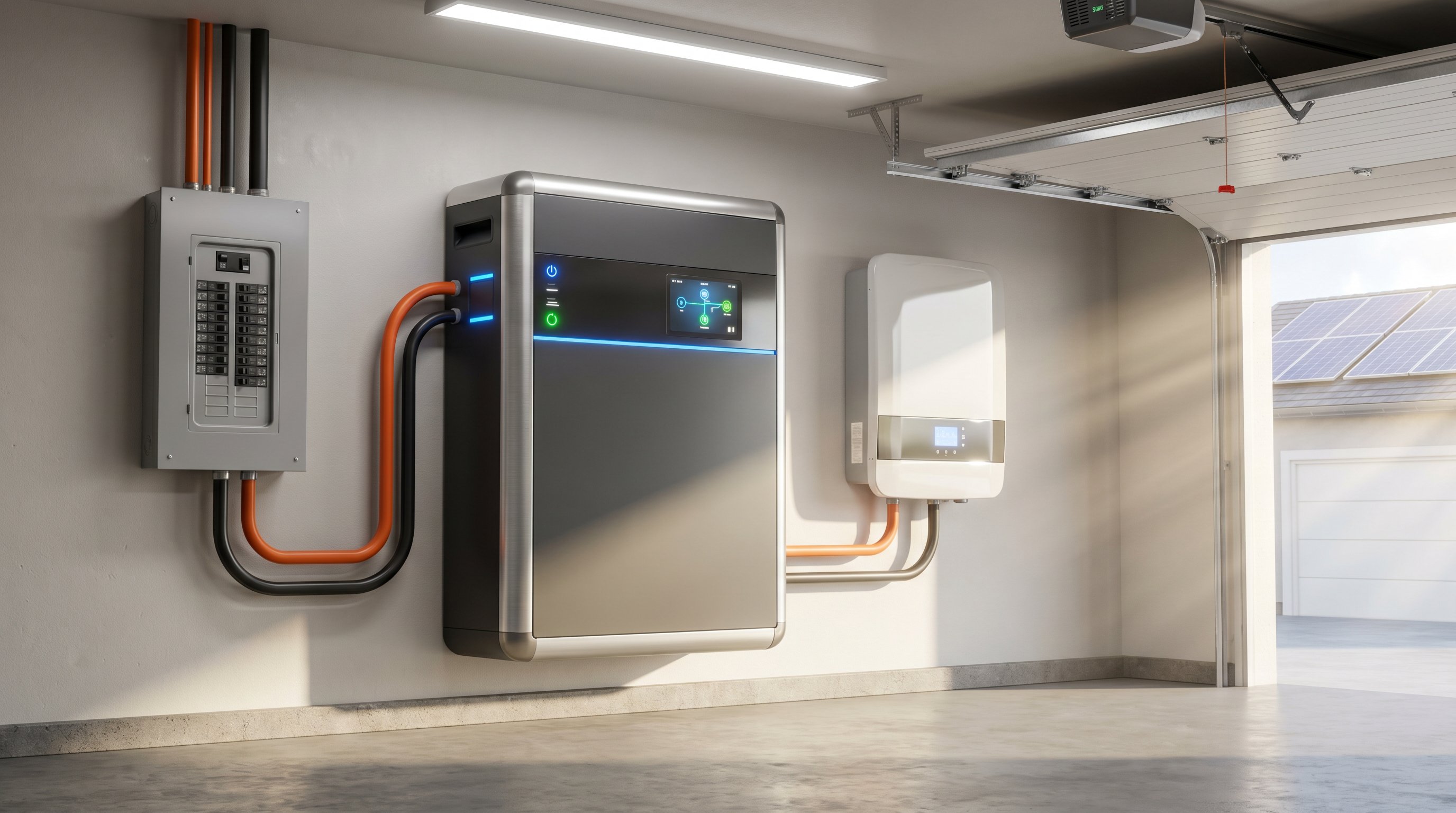
Installing a home battery backup system isn't a DIY weekend project, it involves mounting heavy equipment, wiring into your electrical panel, configuring inverters, and ensuring safe grid isolation. Licensed electricians and certified installers handle permitting, compliance with local codes, and proper grounding to prevent safety hazards. Expect the process to take one to three days depending on system complexity and whether you're integrating solar or generators.
Solar integration is where battery systems truly shine. In a DC-coupled setup, solar energy flows directly into the battery before conversion, maximizing efficiency and enabling off-grid operation even during outages. AC-coupled configurations work with existing solar inverters, making them ideal for retrofits. Either way, the battery captures excess daytime solar production and dispatches it during evening peaks or grid failures.
Grid charging allows the battery to pull inexpensive electricity during off-peak hours, then supply it during rate spikes, perfect for time-of-use optimization even without solar. Generator integration is especially valuable for off-grid or rural properties. Advanced controllers, like those in Humless systems, coordinate battery and generator operation to minimize fuel consumption: the generator runs only to top up the battery, then shuts off, letting the silent battery handle loads.
Some cutting-edge setups even integrate EV vehicle-to-load tech, using your electric vehicle as a mobile power source to charge the home battery. Once installed, maintenance is minimal, keep the unit clean, ensure firmware updates are applied, and check connections annually. The result? A flexible, multi-source energy ecosystem that adapts to outages, rate changes, and your evolving energy needs with minimal hassle and maximum control.
Frequently Asked Questions About Home Battery Backup Systems
What is a home battery backup system and how does it work?
A home battery backup system is a large rechargeable battery (typically lithium-ion) connected to your electrical panel that stores electricity from solar panels, the grid, or generators. An inverter converts stored DC power to AC electricity for your appliances, switching automatically to battery power during outages in milliseconds without noticeable interruption.
How much money can I save with a home battery backup system?
Savings depend on your utility rates and setup. With time-of-use rates, you can charge during cheap off-peak hours and use power during expensive peak times. Paired with solar panels, you store excess daytime energy for evening use instead of selling it back at low rates, potentially saving thousands annually.
What's the difference between AC-coupled and DC-coupled battery systems?
AC-coupled systems connect after your solar inverter, making them retrofit-friendly for existing solar installations. DC-coupled systems connect directly to the solar array for higher efficiency but require installation alongside new solar. Both can integrate with grids, generators, and EVs for flexible charging.
How long do home battery backup systems last?
Lithium-ion LiFePO4 batteries, the industry standard, deliver over 6,000 charge cycles and 10+ year warranties from quality manufacturers. Lead-acid alternatives last only 3–5 years with higher maintenance. Flow batteries offer exceptional longevity but cost more and remain less common in residential applications.
Can a home battery backup system power my whole house during an outage?
Yes, if sized appropriately. Whole-home systems power all circuits and require larger battery banks and higher upfront costs. Alternatively, partial backup configurations protect essential circuits like your refrigerator, lights, and medical devices at lower cost, turning extended blackouts into manageable inconveniences.
What certifications and features should I look for when choosing a battery backup system?
Prioritize UL 9540 and UL 1973 safety certifications, IP65 weatherproofing, LiFePO4 chemistry, app-based controls for circuit prioritization, automatic transfer switches for seamless failover, and 10-year warranties. Ensure the system integrates with solar, generators, grid, and potentially your EV for maximum flexibility.