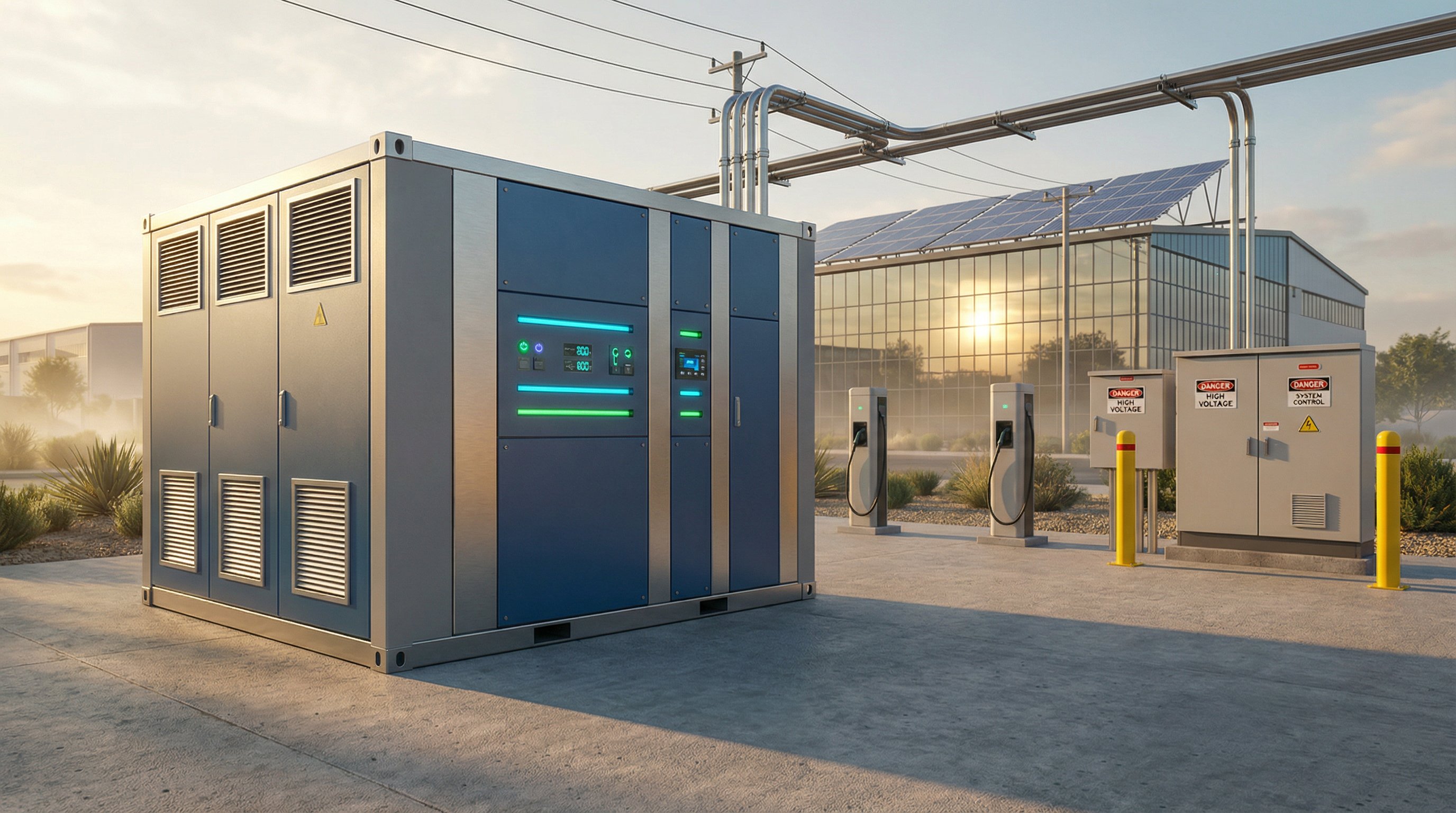
Energy costs are unpredictable. Grid failures are increasingly common. And businesses that rely on constant uptime can't afford either. Commercial battery storage has emerged as the practical solution, allowing companies to store electricity when it's cheap or abundant, then deploy it when prices spike or the grid goes dark. Unlike residential systems that might power a few appliances, or utility-scale installations serving entire regions, commercial battery energy storage systems (BESS) sit right on-site at warehouses, data centers, manufacturing plants, and retail facilities, giving businesses direct control over their energy destiny. With costs dropping and capabilities expanding in 2026, now's the time to understand how commercial battery storage actually works and why it's becoming essential for resilient, cost-conscious operations.
Key Takeaways
- Commercial battery storage enables businesses to capture low-cost electricity during off-peak hours or peak solar production, then deploy it strategically to reduce demand charges and energy bills.
- Advanced commercial BESS systems respond to grid failures in milliseconds—far faster than backup generators—providing instant, silent backup power for mission-critical operations like data centers and hospitals.
- Installed costs for commercial battery energy storage systems have dropped to $280–$580 per kWh, making payback periods as short as 5–7 years with available tax incentives.
- Scalable battery storage systems optimize facility operations by seamlessly shifting between grid, solar, wind, and stored power, while enabling businesses to participate in virtual power plant programs for additional revenue.
- Commercial battery storage directly supports decarbonization goals and ESG commitments, with capital costs projected to fall another 36.5–52% by 2035, positioning early adopters ahead of regulatory and market shifts.
What Is Commercial Battery Storage and How Does It Work?
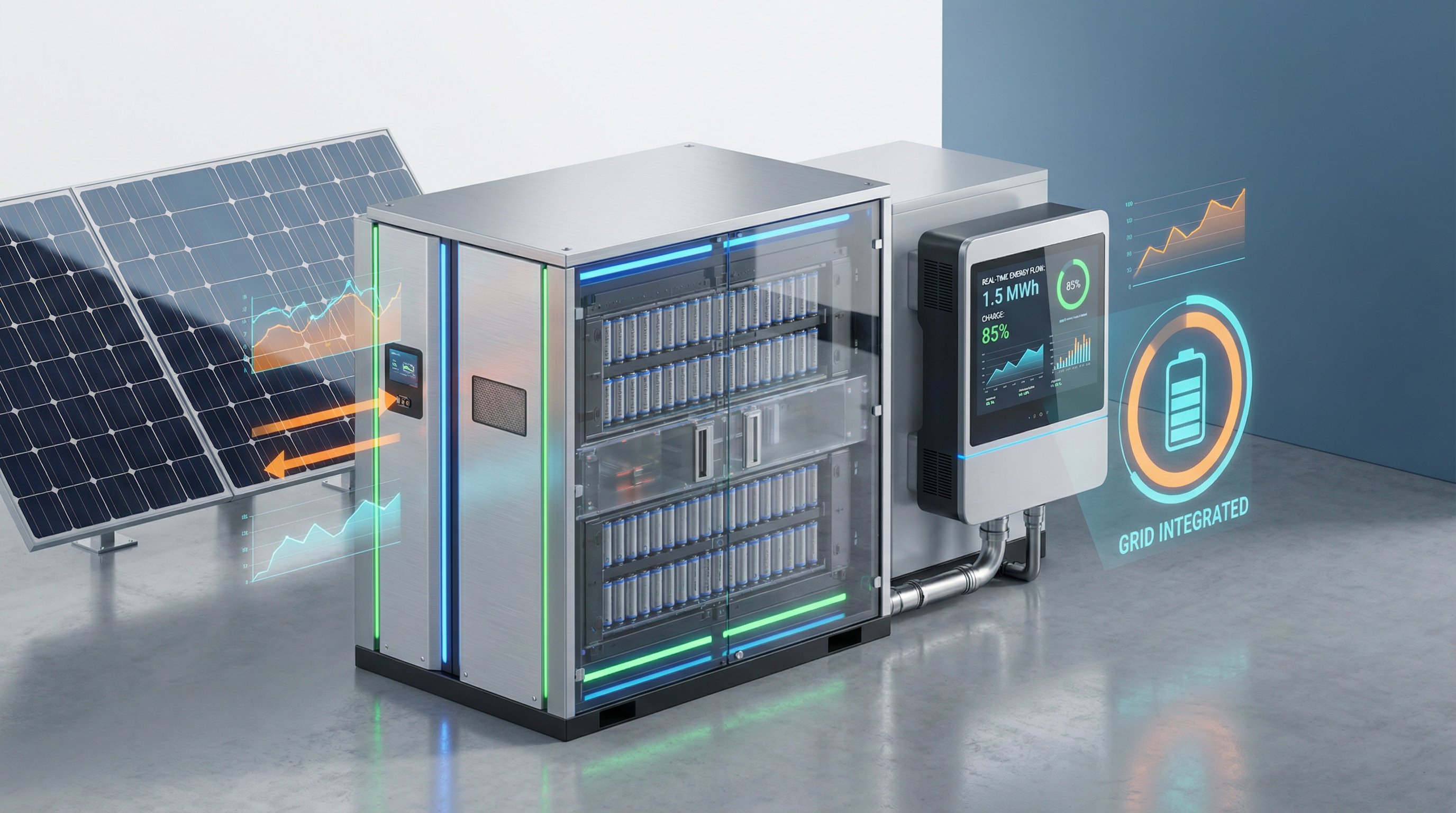
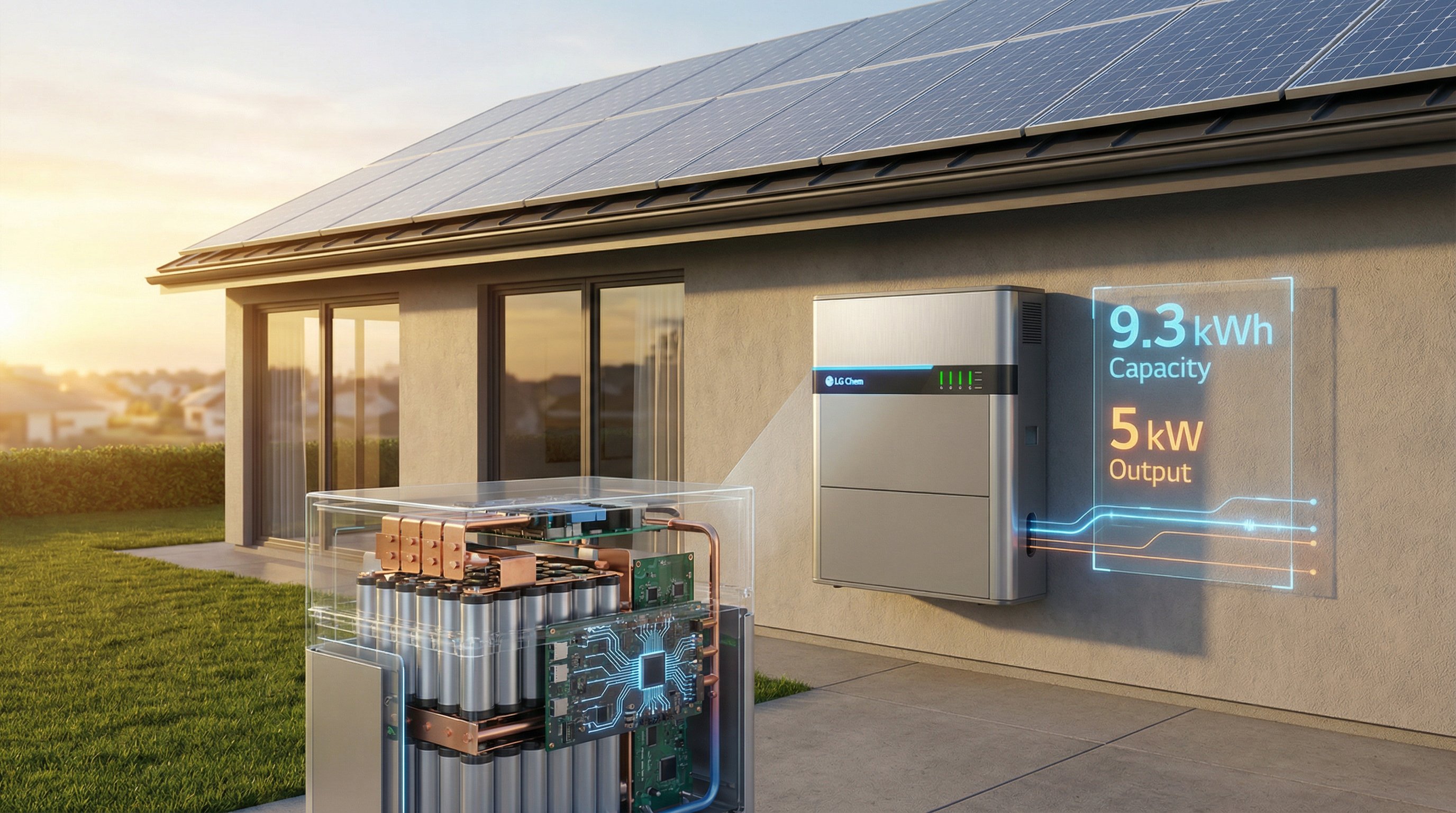
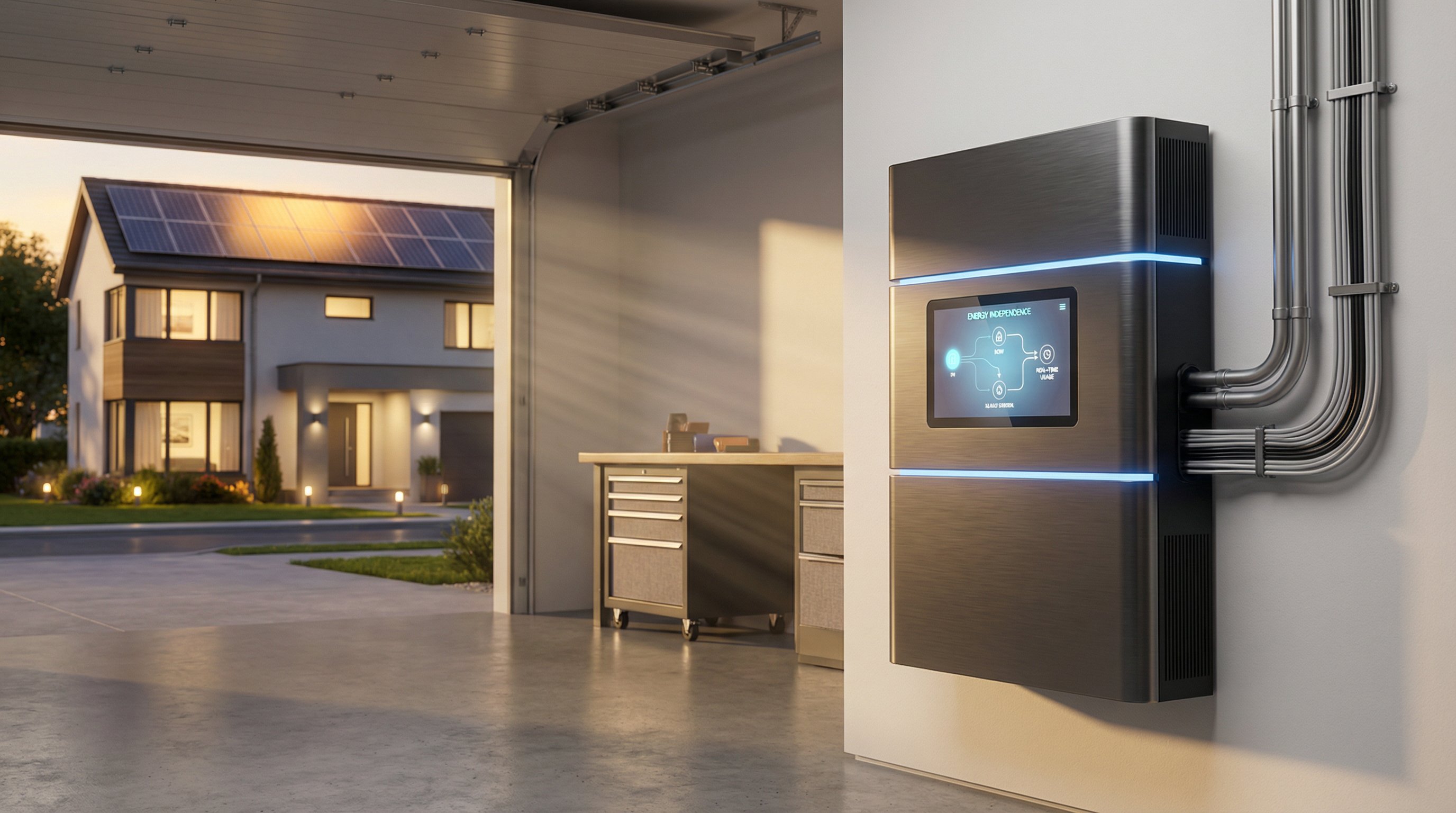
At its core, commercial battery storage is a high-capacity Battery Energy Storage System designed specifically for business and industrial use. These aren't the compact home backup units you see in garages, commercial BESS typically range from 200 kilowatt-hours (kWh) up to multiple megawatt-hours (MWh), installed directly on commercial properties like office buildings, cold storage facilities, hospitals, and manufacturing plants.
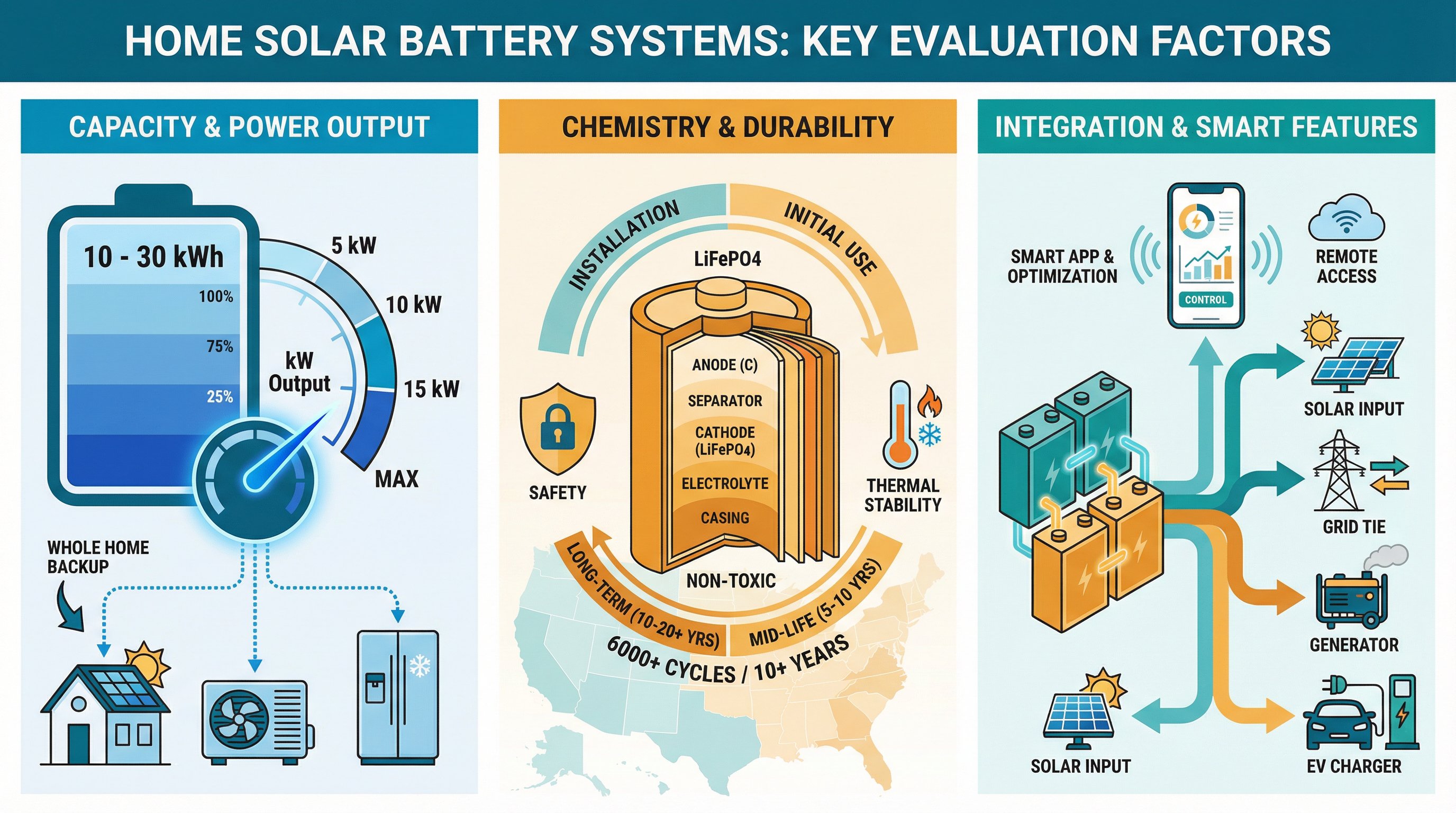
Most commercial systems rely on lithium-ion battery chemistries, primarily Lithium Iron Phosphate (LFP) or Nickel Manganese Cobalt (NMC). LFP has become especially popular in recent years because of its thermal stability, long cycle life, and safer chemistry, critical factors when you're storing massive amounts of energy near people and operations. NMC offers higher energy density, making it attractive when space is at a premium, though it typically comes with higher costs and slightly more thermal management requirements.
Charging: Capturing Energy When It's Abundant or Cheap
Commercial battery systems charge by drawing electricity from one or more sources: the grid, on-site solar arrays, wind turbines, or backup generators. The key is capturing energy when it's either abundant (like midday solar production) or inexpensive (during off-peak utility hours, often late night or early morning).
Once electricity enters the system, it flows through an inverter that converts AC power from the grid or generator into DC power, which the batteries can store. Battery modules are organized into racks or containers, each monitored by a Battery Management System (BMS) that tracks voltage, temperature, and state of charge across individual cells. This prevents overcharging, manages heat, and ensures safe, efficient storage with minimal self-discharge, meaning the energy you store today will still be there weeks later if needed.
Discharging: Delivering Power Exactly When You Need It
The magic happens during discharge. When demand spikes, grid rates climb, or an outage occurs, the system's intelligent control software signals the inverter to convert stored DC power back into AC electricity and feed it directly into the building's electrical panel or microgrid. This happens instantly and seamlessly, occupants often don't even notice the switchover.
Commercial BESS can operate in several modes:
- Grid-tied: The system stays connected to the utility, automatically discharging during peak rate periods to cut demand charges and energy costs, then recharging when rates drop.
- Hybrid: Combines grid power with on-site renewables (usually solar) and the battery, optimizing which source to use at any given moment based on cost, availability, and demand.
- Standalone (islanded): In critical applications or off-grid sites, the battery can power the entire facility independently, paired with solar or generators for continuous operation without utility connection.
No manual intervention is required. Modern systems use predictive algorithms and real-time data to make split-second decisions about when to charge, when to discharge, and how much energy to hold in reserve for backup. For businesses with variable loads, like data centers that see traffic spikes or cold storage facilities cycling compressors, this level of automation is essential.
Companies like Humless have been pioneering these integrated BESS solutions since 2010, offering systems that seamlessly blend solar, grid, wind, and generator inputs with intelligent battery storage, backed by UL certification and 24/7 support. The result is a plug-and-play energy ecosystem that adapts to your operations in real time, not the other way around.
Key Benefits of Commercial Battery Storage Systems for Businesses
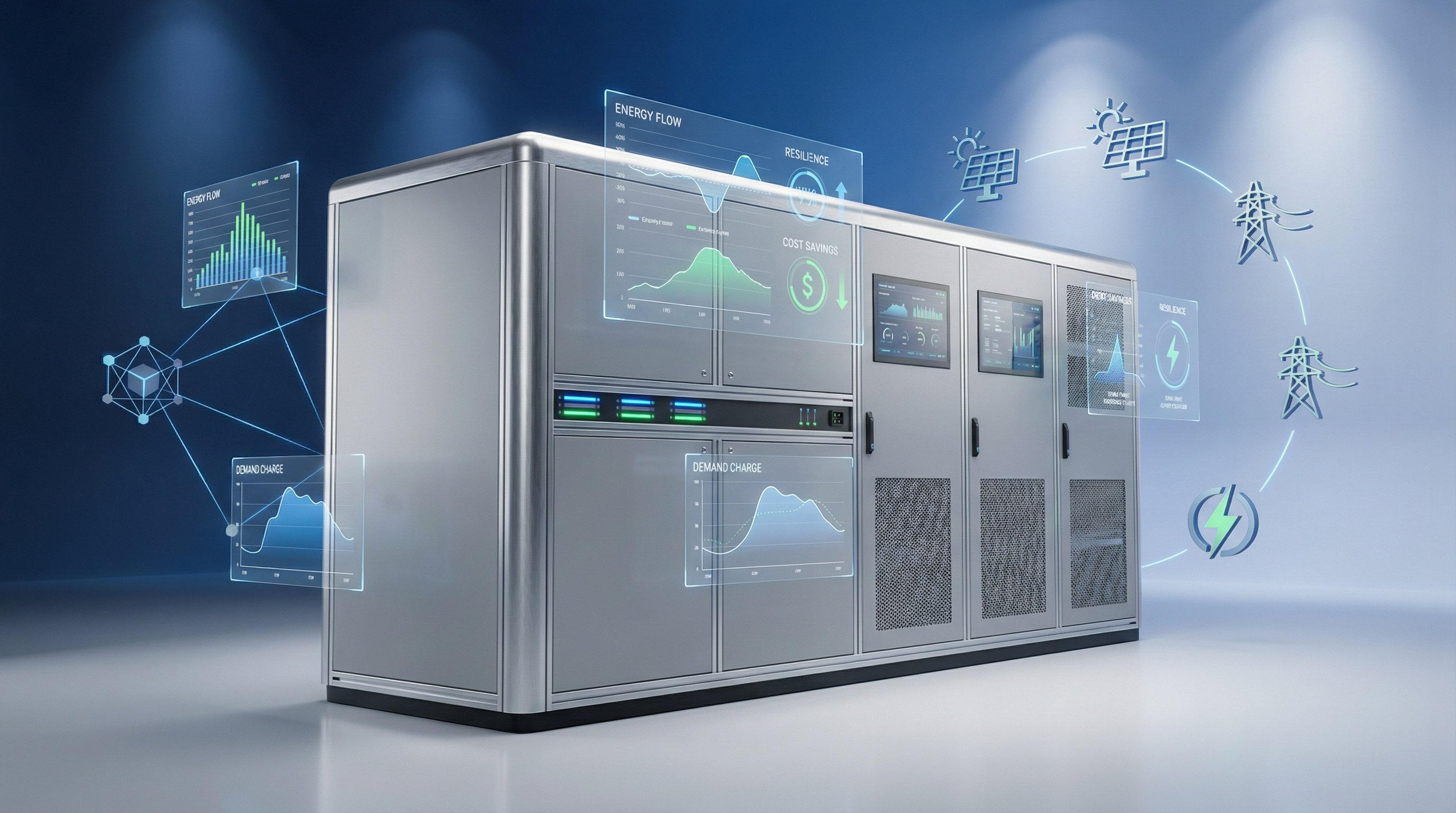
The business case for commercial battery storage isn't theoretical, it's playing out in balance sheets, operational dashboards, and sustainability reports across industries. Here's how these systems deliver measurable value.
Cost Savings: Slashing Demand Charges and Energy Bills
Most commercial utility rates include demand charges, fees based on your peak power draw during a billing period, not just total energy consumed. A single high-demand event, even lasting just 15 minutes, can lock in elevated charges for an entire month. Battery storage lets you "peak shave" by discharging stored power during those spikes, flattening your demand profile and dramatically reducing charges.
Beyond demand management, businesses use storage for time-of-use arbitrage: charging batteries when electricity is cheap (off-peak or during solar overproduction) and discharging when rates are high. The economics have never been better. Installed costs for commercial BESS dropped to roughly $280–$580 per kWh in 2025, down from around $450/kWh for a 100 kWh system just three years earlier. As battery prices continue to fall and utility rates climb, payback periods are shrinking, many businesses now see ROI within five to seven years, sometimes faster with available incentives like the federal Investment Tax Credit (ITC) for solar-plus-storage projects.
Reliability and Resilience: Keeping the Lights On When the Grid Fails
Downtime isn't just inconvenient, it's expensive. For data centers, hospitals, food processing plants, and other mission-critical operations, even a brief outage can mean lost revenue, spoiled inventory, or compromised safety. Commercial battery storage provides immediate, automatic backup power the moment grid voltage drops, bridging the gap until generators kick in or utility service is restored.
Unlike diesel generators that require seconds to start and ramp up, battery systems respond in milliseconds, ensuring zero interruption to sensitive equipment. And unlike generators alone, batteries operate silently, with no emissions, no fuel logistics, and far less maintenance. Many businesses are now deploying hybrid backup strategies: batteries for instant response and ride-through, paired with generators for extended outages. This combination delivers both speed and endurance.
Efficiency, Flexibility, and Scalability
Commercial BESS doesn't just store energy, it optimizes how your facility uses it. Advanced energy management systems continuously analyze loads, generation sources, and rate structures to minimize waste and maximize efficiency. If your solar array is producing more than you need at noon, the battery captures that surplus instead of sending it back to the grid at low export rates. If a cloud passes or the sun sets, the battery seamlessly fills the gap.
Scalability is another major advantage. Start with a system sized for current needs, then add capacity as your business grows or energy requirements change. Modular designs make expansion straightforward without replacing existing infrastructure.
Some forward-thinking businesses are even monetizing their storage by participating in virtual power plant (VPP) programs. Utilities or aggregators pay you to discharge your battery during grid stress events, turning your storage asset into a revenue stream while supporting grid stability.
Sustainability and Corporate Responsibility
Energy storage is a cornerstone of decarbonization strategies. By enabling higher penetration of on-site solar and wind, batteries help businesses reduce reliance on fossil-fuel generation and lower their carbon footprint. This isn't just good PR, it's increasingly necessary for meeting corporate sustainability goals, satisfying ESG (Environmental, Social, Governance) criteria, and staying competitive in markets where customers and investors demand climate action.
The economics keep improving, too. Capital expenditure (CAPEX) for commercial battery systems is projected to drop another 36.5–52% by 2035, making clean, stored energy more accessible across industries and geographies. Companies adopting storage now are positioning themselves ahead of regulatory shifts, carbon pricing, and growing pressure to demonstrate environmental leadership.
Humless BESS solutions, with their LiFePO4 chemistry and integration capabilities, exemplify this shift, offering businesses reliable, scalable, and sustainable energy storage that aligns operational resilience with environmental responsibility.
Conclusion
Commercial battery storage isn't a futuristic concept, it's a proven, practical tool that's reshaping how businesses manage energy, control costs, and ensure continuity. As prices fall and capabilities expand, the question isn't whether to adopt storage, but when and how to integrate it into your operations. Whether you're looking to cut demand charges, safeguard against outages, or advance sustainability goals, battery energy storage systems deliver tangible ROI and long-term resilience in an increasingly unpredictable energy landscape.
Frequently Asked Questions About Commercial Battery Storage
What is commercial battery storage and how does it work?
Commercial battery storage is a high-capacity Battery Energy Storage System (BESS) that stores electricity from the grid, solar, or generators and releases it on-demand. These systems, typically ranging from 200 kWh to multiple MWh, use lithium-ion batteries (LFP or NMC) with intelligent inverters and Battery Management Systems to charge when energy is cheap or abundant, then discharge instantly during peak demand, outages, or grid stress.
How much does commercial battery storage cost?
As of 2025, installed commercial battery storage costs approximately $280–$580 per kWh, down from around $450/kWh just three years earlier. With falling prices, scalable designs, and federal incentives like the Investment Tax Credit (ITC), many businesses now achieve ROI within five to seven years.
What are the main benefits of commercial battery storage for businesses?
Commercial battery storage delivers cost savings through peak shaving and demand charge reduction, instant backup power ensuring zero downtime, seamless integration with solar and renewables, and scalability to match growing operations. It also enhances sustainability by enabling higher renewable penetration and reducing fossil-fuel reliance.
Can commercial battery storage work during a power outage?
Yes. Commercial BESS provides immediate, automatic backup in milliseconds when grid voltage drops, unlike diesel generators that take seconds to start. Batteries bridge the gap until generators kick in or service is restored, ensuring zero interruption for mission-critical facilities like data centers and hospitals.
How can commercial battery storage reduce energy costs?
Commercial battery storage reduces costs in two ways: peak shaving (discharging during demand spikes to reduce demand charges) and time-of-use arbitrage (storing cheap off-peak energy and using it during expensive peak hours). Businesses can also monetize storage by participating in virtual power plant programs.
What battery chemistry is best for commercial battery storage systems?
Lithium Iron Phosphate (LFP) is increasingly popular due to its thermal stability, long cycle life, and safe chemistry, ideal for on-site installations. Nickel Manganese Cobalt (NMC) offers higher energy density for space-constrained facilities but typically costs more and requires additional thermal management.