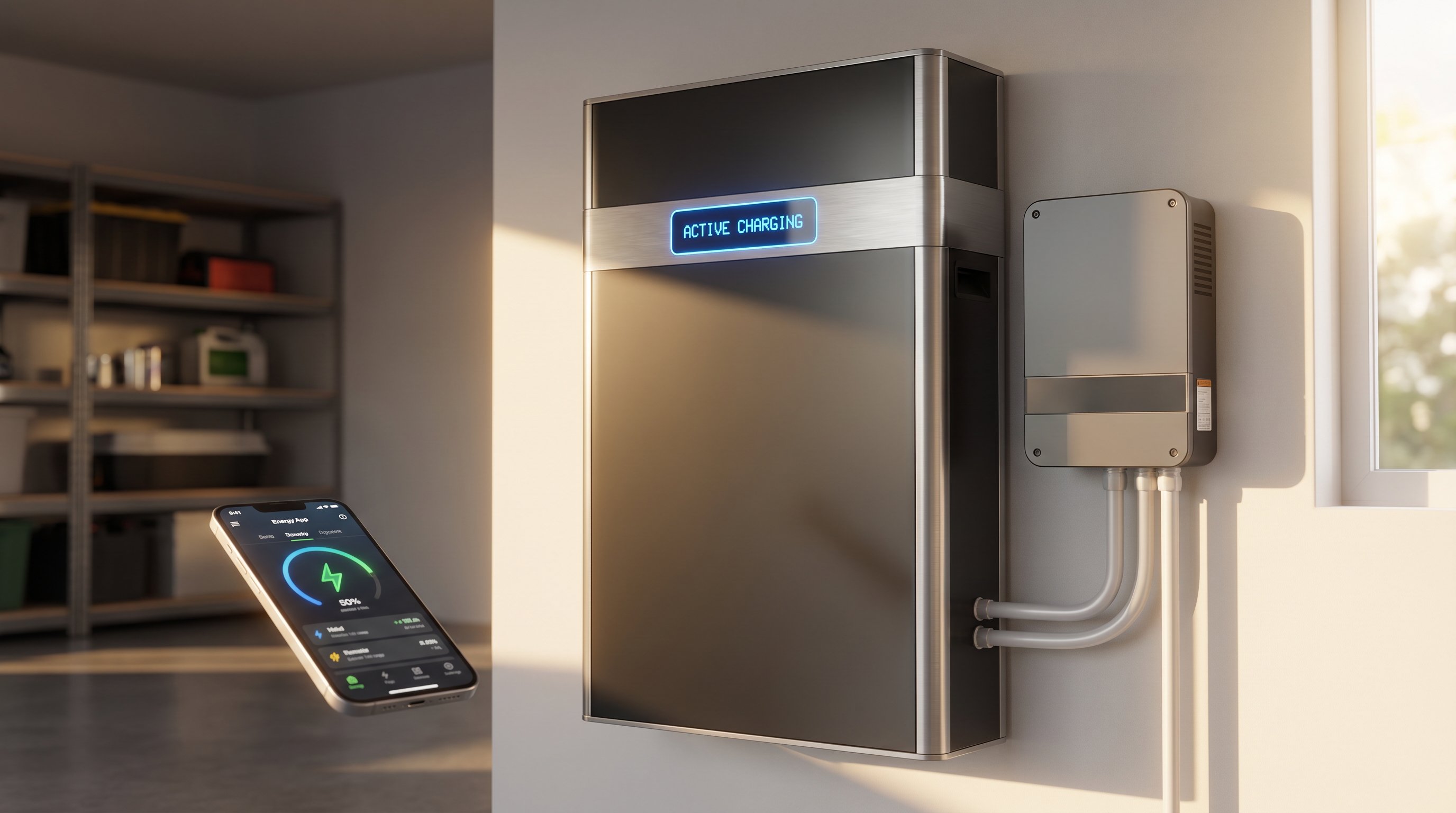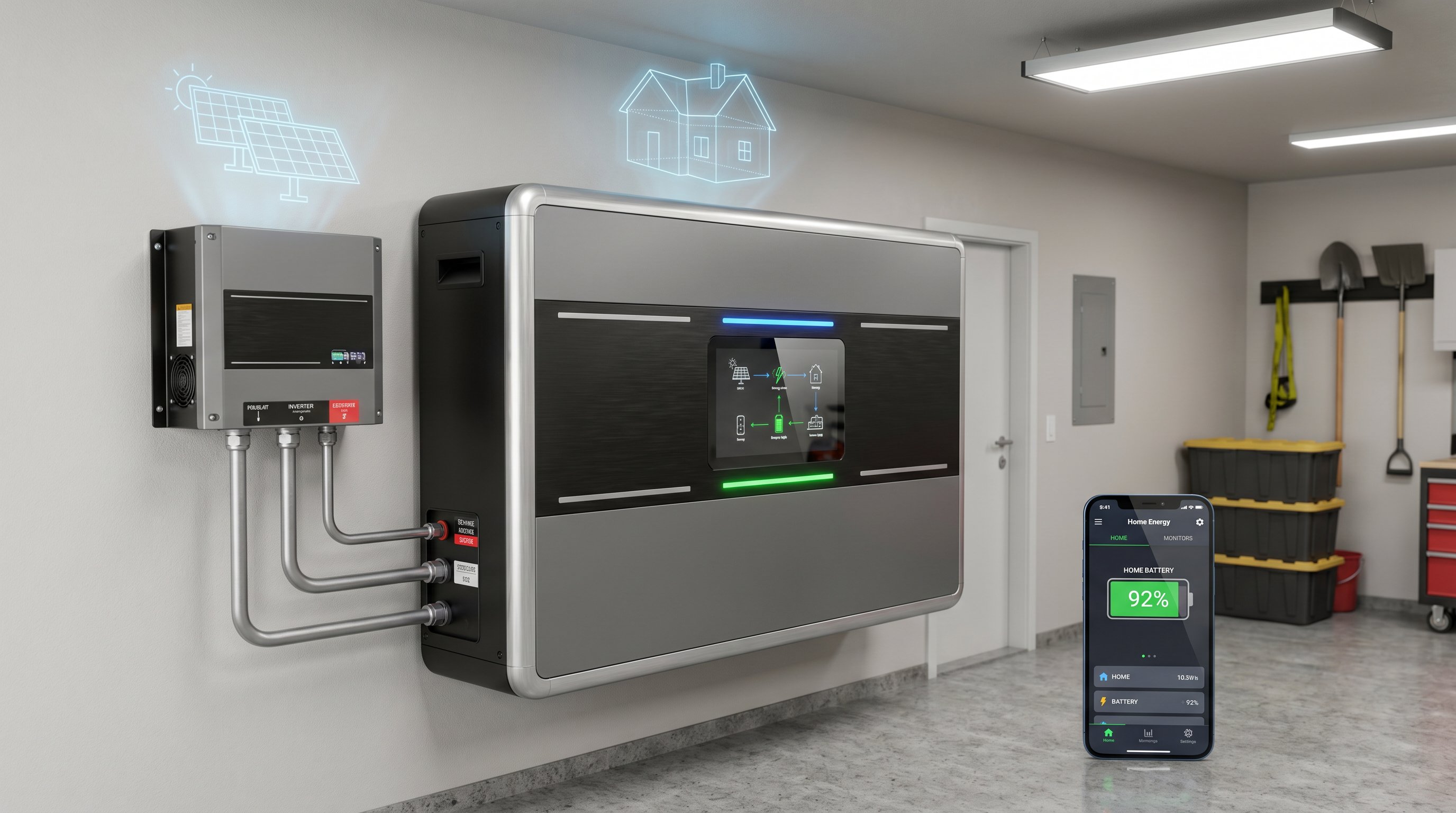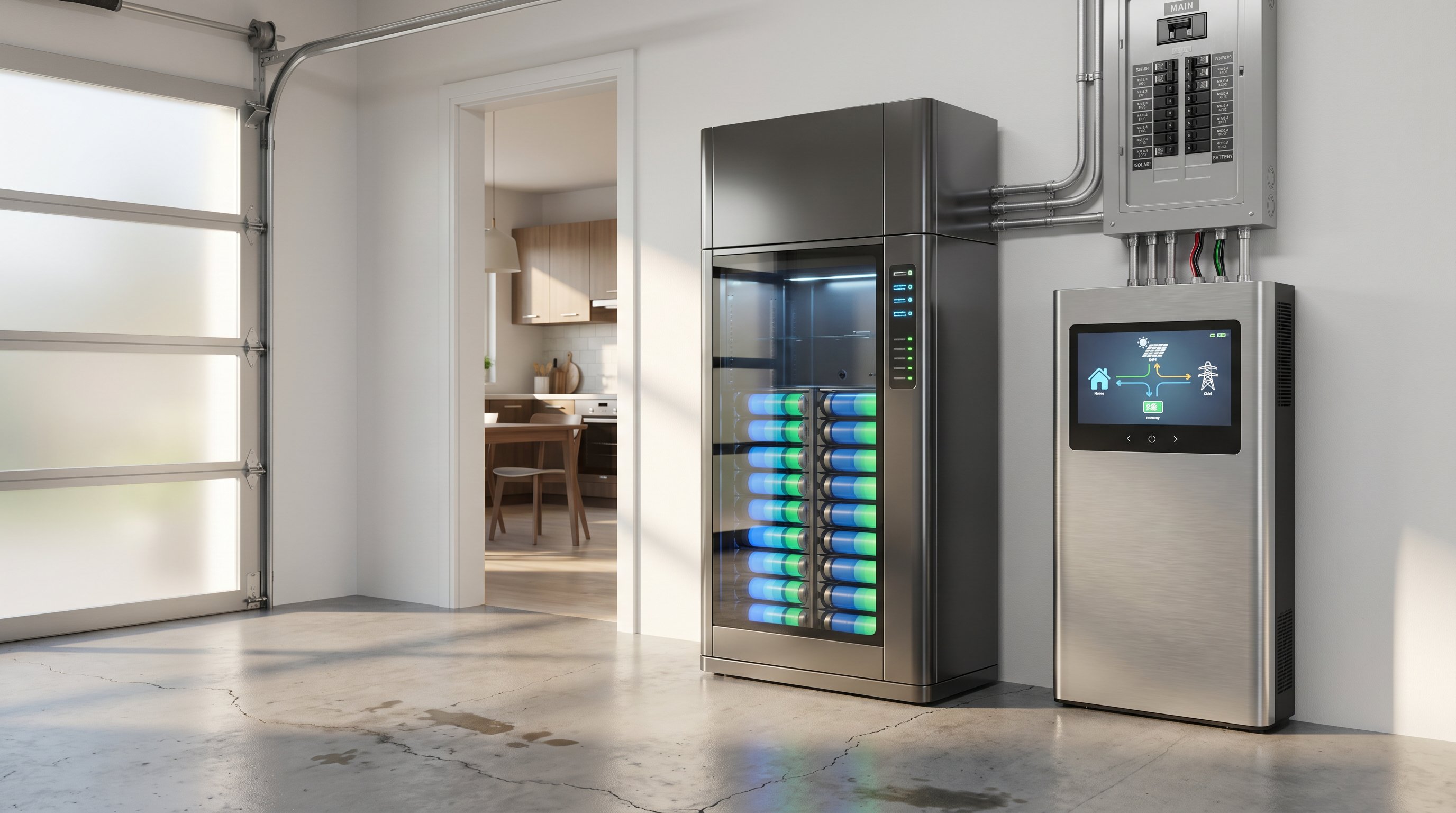
Finding the best solar battery backup system for your home isn't just about picking the biggest battery, it's about matching capacity, chemistry, and integration to your unique energy needs. With advancements in LiFePO4 technology and expandable systems, homeowners can now achieve true energy independence while protecting against outages and rising utility costs. The EG4 PowerPro WallMount has emerged as the standout choice for most residential applications, delivering 14.3 kWh capacity, 10 kW continuous output, and a weatherproof IP65 design that handles whole-home backup with reliability. But how do you determine what's right for your specific situation? Let's break down the three critical factors that separate exceptional systems from mediocre ones.
Key Takeaways
- Battery capacity and power output must align with your home's energy demands—a typical home needs 10–15 kWh with 5–10 kW continuous output to handle critical loads overnight and recharge via solar during the day.
- LiFePO4 technology is the gold standard for solar battery backup systems, delivering 6,000+ charge cycles and 10–15 years of service life—far superior to older NMC lithium-ion chemistries that degrade faster in temperature extremes.
- The EG4 PowerPro WallMount stands out as the top choice for most homes, offering 14.3 kWh capacity, 10 kW continuous output, and an IP65 weatherproof design for reliable whole-home backup during outages.
- Multi-source charging integration—combining solar, grid, and generator inputs—creates a flexible energy ecosystem that optimizes costs through time-of-use charging and extends backup runtime during extended outages.
- Modular and expandable systems future-proof your investment by allowing you to add capacity and access firmware updates as your energy needs grow or new utility incentives emerge.
- Real-time smartphone monitoring and smart load-shedding features maximize backup runtime by automatically managing non-essential circuits during outages, giving you visibility and control over your energy independence.
1. Battery Capacity and Power Output: Matching Your Home's Energy Needs
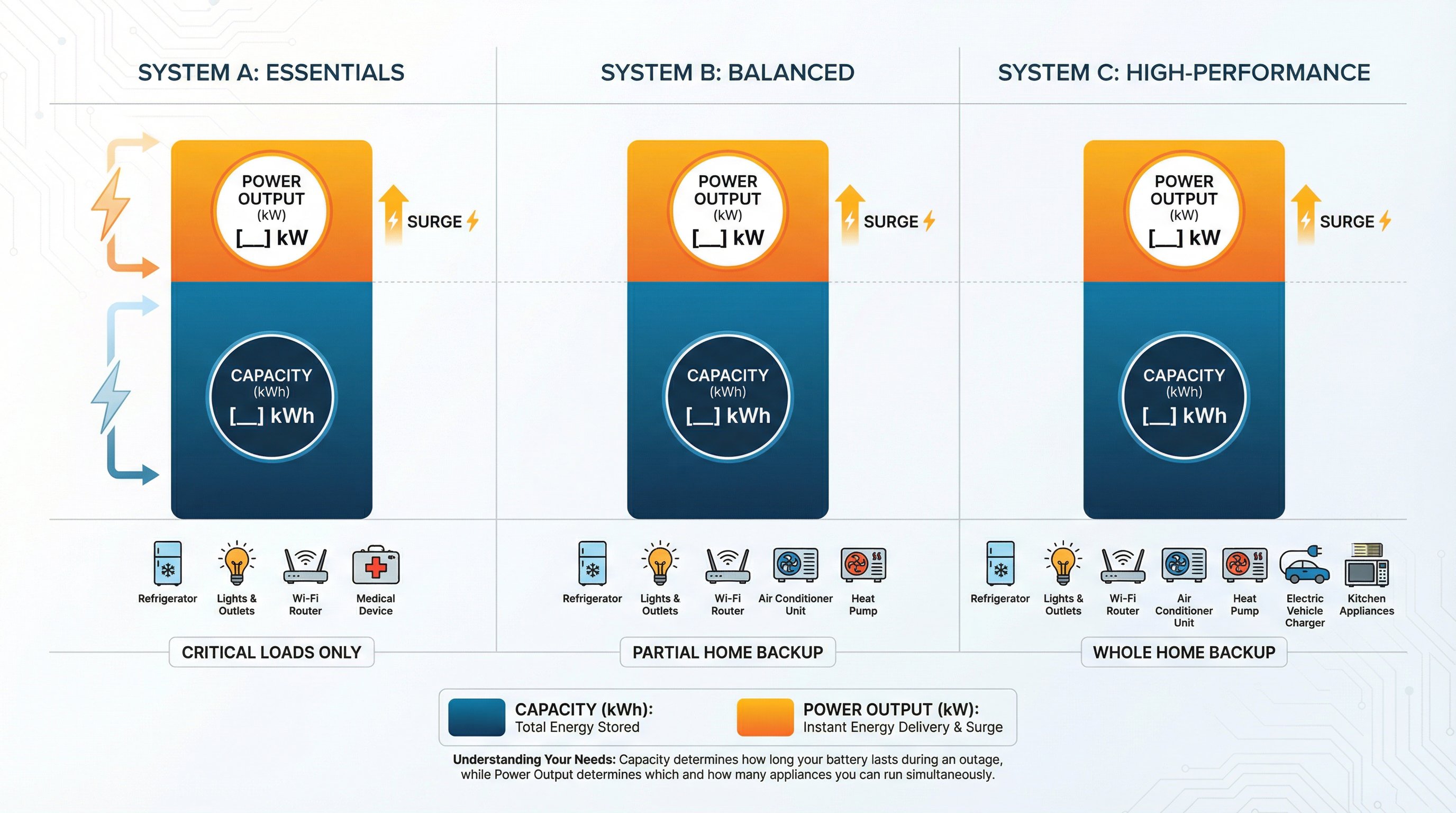
Think of battery capacity as your fuel tank and power output as your engine. You need both working in harmony to keep your home running smoothly during grid failures or peak-demand periods.
Understanding Capacity vs. Power
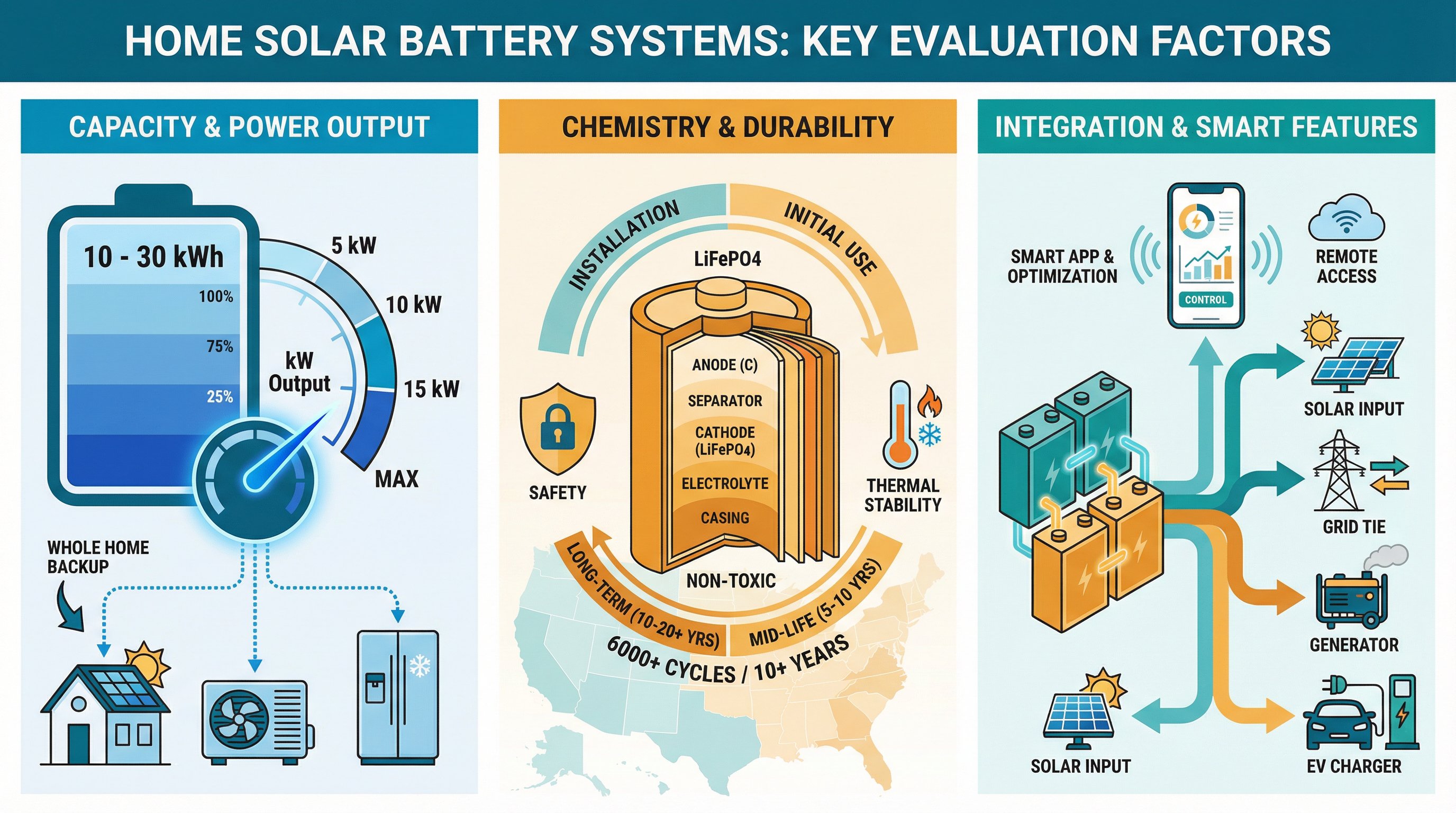
Battery capacity, measured in kilowatt-hours (kWh), tells you how much total energy the system stores. Most home battery backup systems range from 5 kWh for essentials-only backup to 20+ kWh for whole-home coverage. Power output, measured in kilowatts (kW), determines how many appliances you can run simultaneously. A system with high capacity but low output might keep your lights on for days but struggle to start your air conditioner.
The EG4 PowerPro WallMount strikes an impressive balance with 14.3 kWh usable energy and 10 kW continuous output (15 kW surge capacity). This configuration handles energy-intensive loads like HVAC systems, refrigerators, well pumps, and electric ranges without breaking a sweat. During extended outages, it provides 12-24 hours of backup for typical households, depending on usage patterns.
Tesla Powerwall 3 offers comparable specs with 13.5 kWh capacity and 11.5 kW continuous output, plus an integrated hybrid inverter that simplifies installation. For homeowners with larger properties or higher energy demands, the EcoFlow OCEAN Pro scales up to 80 kWh with 24 kW output, ideal for running multiple zones or charging electric vehicles during outages.
Sizing Your System Correctly
To determine your needs, calculate your home's peak demand (typically 5-10 kW for average homes) and daily energy consumption. A 10-15 kWh battery suits most residential applications, covering critical loads overnight and recharging via solar during the day. Properties with electric heating, multiple refrigeration units, or home offices may require 20+ kWh for comfortable autonomy.
Don't overlook surge capacity, the brief power spike needed when motors and compressors start. Quality systems like the EG4 PowerPro handle 150% surge capacity, preventing nuisance shutdowns when your AC kicks on. Check your appliance nameplates and work with certified installers to avoid undersizing, which leads to frustration and additional expense down the line.
2. Battery Chemistry and Lifespan: Why LiFePO4 Technology Leads the Market
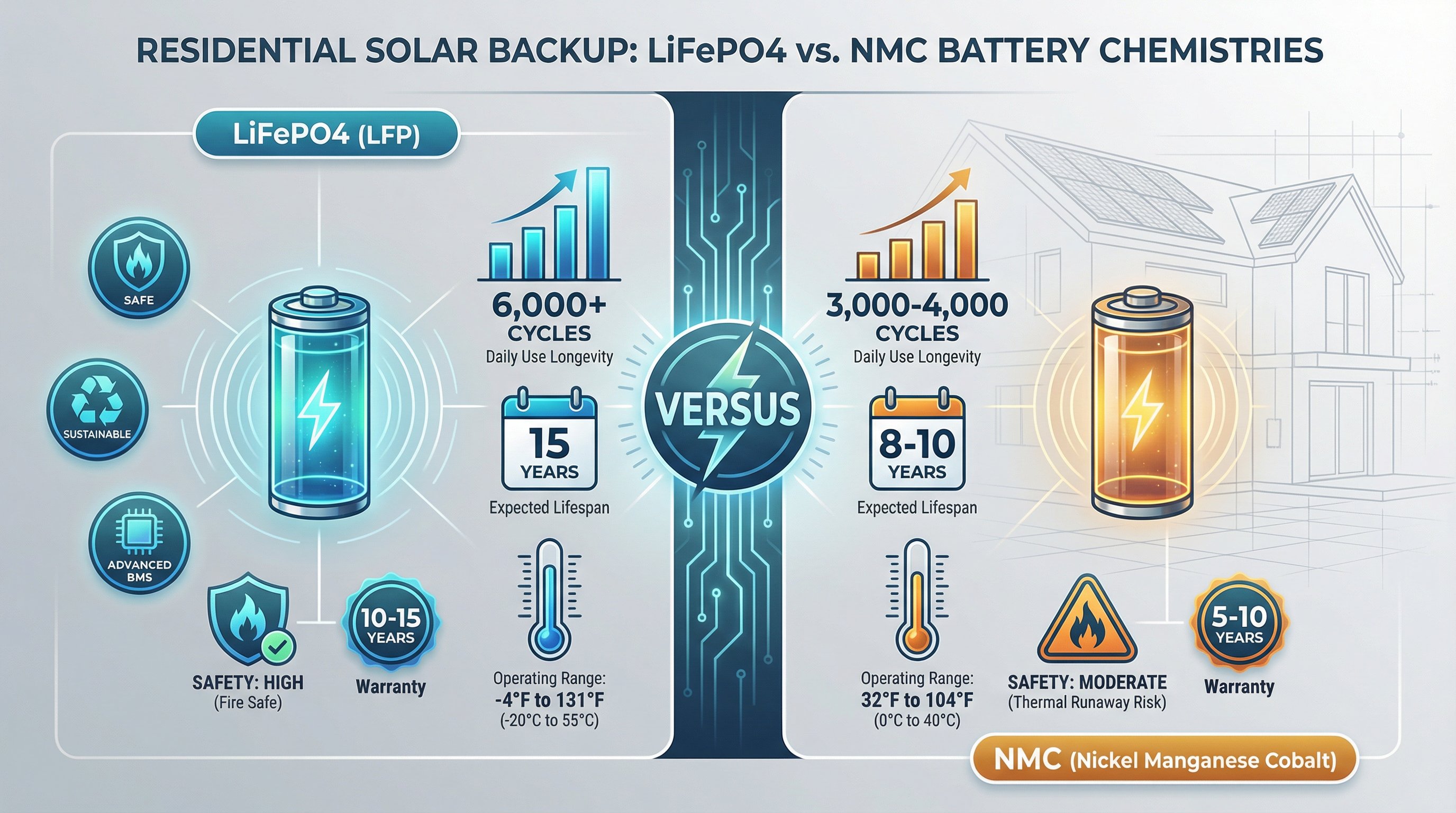
Not all lithium batteries are created equal. The chemistry powering your solar battery backup system directly impacts safety, longevity, and long-term value, and LiFePO4 has essentially become the gold standard for residential energy storage.
The LiFePO4 Advantage
Lithium iron phosphate (LiFePO4) batteries outperform older NMC (nickel manganese cobalt) lithium-ion cells in nearly every metric that matters for home use. They're inherently safer, with superior thermal stability that virtually eliminates thermal runaway risks. You won't find the same fire hazards that plagued early lithium battery installations.
More importantly for your wallet, LiFePO4 technology delivers 10-15 years of service life with 6,000+ charge cycles at 80% depth of discharge. That translates to cycling your battery daily for 16+ years before capacity drops to 80% of original, far outlasting the 3,000-4,000 cycles typical of NMC chemistries. The EG4 PowerPro and BigBattery HUSKY both leverage Tier 1 LiFePO4 cells paired with advanced battery management systems (BMS) that monitor temperature, voltage, and current in real-time to maximize reliability and lifespan.
SonnenCore+ takes durability and sustainability even further, using responsibly sourced materials and modular design that simplifies eventual recycling. FranklinWH backs its 15 kWh LiFePO4 systems with industry-leading 15-year warranties, reflecting manufacturer confidence in the technology.
Warranty and Real-World Performance
When evaluating battery chemistry, scrutinize warranty terms. Top-tier LiFePO4 systems typically include 10-15 year coverage with throughput guarantees (measured in megawatt-hours). A strong warranty signals quality cells and robust BMS protection.
Consider operating temperature ranges too, LiFePO4 batteries function reliably from -4°F to 131°F, whereas NMC cells degrade faster in temperature extremes. For installations in garages, outdoor enclosures, or areas with wide temperature swings, this thermal tolerance matters significantly. The IP65 weatherproof rating on systems like the EG4 PowerPro means you can mount them outside without compromising performance or longevity, expanding installation flexibility.
3. Integration Capabilities and System Expandability: Future-Proofing Your Energy Independence
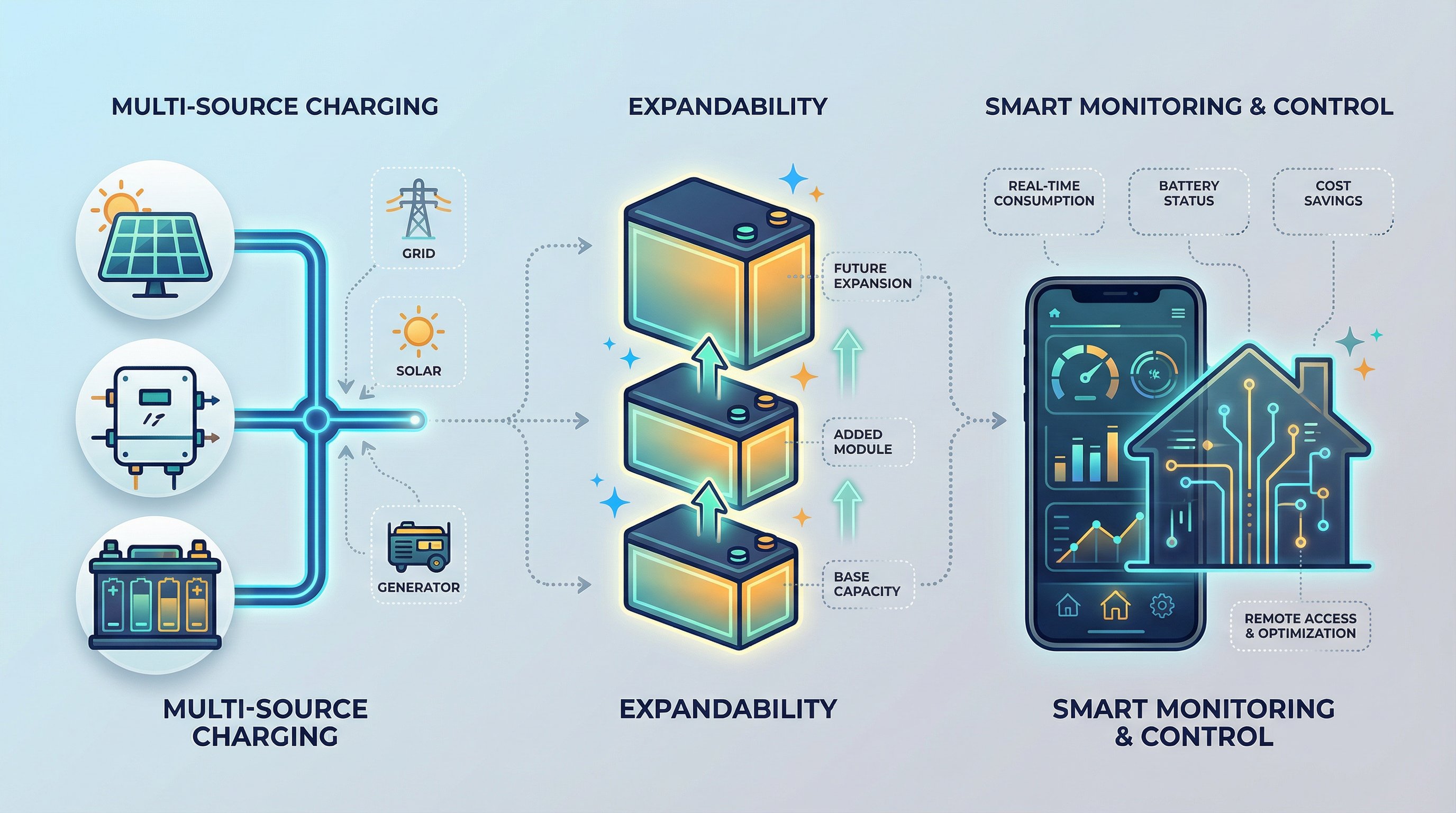
The best solar battery backup system doesn't just work today, it adapts as your energy needs evolve. Integration with solar inverters, grid connections, backup generators, and even EV chargers determines whether you're building a flexible energy ecosystem or painting yourself into a corner.
Multi-Source Charging and Compatibility
Leading systems play well with multiple energy sources simultaneously. The EG4 PowerPro WallMount integrates seamlessly with most major solar inverter brands, Schneider, SMA, Sol-Ark, and others, while also accepting grid and generator inputs. This flexibility means you can charge from solar during the day, top off from the grid during off-peak hours (time-of-use optimization), and fall back to a generator during extended cloudy periods.
BLUETTI AC500 + B300S modular systems take multi-source charging further with AI-driven energy management that predicts usage patterns and optimizes charging schedules. Generac PWRcell, designed for whole-home integration, scales from 9 kWh to 225 kWh in 3 kWh increments, making it ideal for phased installations where you start small and expand as budget allows.
For homeowners already invested in Enphase microinverter ecosystems, the Enphase IQ Battery 5P (20 kWh capacity, 15 kW output) offers plug-and-play integration with built-in smart controls accessible via mobile app. This tight integration eliminates compatibility headaches and streamlines monitoring across your entire solar and storage setup.
Expandability and Smart Features
Future energy demands rarely shrink, they grow. Maybe you'll add an electric vehicle, expand your home office, or install a pool. Modular systems let you add capacity without replacing your entire investment. The EG4 PowerPro supports parallel configurations, and EcoFlow OCEAN Pro can chain multiple units for capacity that rivals small commercial installations.
Smart monitoring and control shouldn't be afterthoughts. Modern battery energy storage systems offer real-time monitoring via smartphone apps, showing charge levels, power flow, solar production, and grid status at a glance. Advanced systems like those from Humless integrate with home energy management platforms, automatically load-shedding non-essential circuits during outages to extend backup runtime.
Look for systems with firmware update capabilities, a feature that extends system relevance as grid technologies and energy programs evolve. Whether it's virtual power plant participation, demand response programs, or new utility incentives, updatable firmware ensures you can take advantage without costly hardware replacements.
Conclusion
Choosing the best solar battery backup system comes down to matching capacity and output to your home's demands, prioritizing proven LiFePO4 chemistry for longevity and safety, and ensuring integration flexibility for future expansion. For balanced performance, value, and reliability, the EG4 PowerPro WallMount delivers exceptional whole-home backup out of the box. If you need premium scalability or ecosystem-specific integration, consider EcoFlow OCEAN Pro or Enphase IQ Battery 5P. Work with certified installers to assess your site-specific requirements and tap into available incentives, your path to energy independence starts with informed decisions today.
Frequently Asked Questions About Solar Battery Backup Systems
What is the best solar battery backup system for a typical home?
The EG4 PowerPro WallMount is the standout choice for most homes, offering 14.3 kWh capacity, 10 kW continuous output, and IP65 weatherproof design for reliable whole-home backup. It balances performance, affordability, and expandability for average residential needs.
How much battery capacity do I need for my home?
Most homes benefit from 10-15 kWh capacity, covering typical peak demands of 5-10 kW. Calculate your daily energy consumption and peak load; homes with electric heating, multiple refrigeration units, or home offices may require 20+ kWh for comfortable autonomy.
Why is LiFePO4 technology better for solar battery backup systems?
LiFePO4 (lithium iron phosphate) batteries deliver 10-15 years of service with 6,000+ charge cycles at 80% depth of discharge. They're inherently safer with superior thermal stability, operate reliably from -4°F to 131°F, and far outlast older NMC lithium-ion chemistries.
Can I expand my solar battery backup system later?
Yes, modern systems like EG4 PowerPro and EcoFlow OCEAN Pro support modular expansion. You can start with a smaller capacity and add units as your energy needs grow, avoiding costly replacements while future-proofing your energy independence investment.
How long will a solar battery backup system last during a power outage?
The EG4 PowerPro WallMount provides 12-24 hours of backup for typical households, depending on usage patterns. Actual runtime depends on your daily energy consumption, peak loads, and how many appliances you run simultaneously during the outage.
What other energy sources can a solar battery backup system integrate with?
Top systems like EG4 PowerPro integrate with solar inverters, grid connections, backup generators, and EV chargers. This multi-source capability lets you charge from solar during day, utilize time-of-use grid rates, and fall back to generators during extended cloudy periods.