When you're investing in solar panels, choosing the right battery for energy storage can make or break your path to energy independence. The best battery for solar power storage isn't just about capacity, it's about longevity, safety, reliability, and seamless integration with your existing or planned solar setup. With advancements in battery technology accelerating rapidly, 2026 brings proven solutions that deliver thousands of charge cycles, intelligent monitoring, and robust protection systems. Whether you're a homeowner seeking backup power during outages, an off-grid property owner demanding reliability, or a business looking to reduce energy costs, understanding your battery options is essential for maximizing your solar investment and achieving true energy independence.
Key Takeaways
- LiFePO4 batteries are the gold standard for solar power storage, delivering 5,000–15,000 charge cycles with superior safety, durability, and minimal maintenance compared to traditional lead-acid alternatives.
- Quality solar power storage solutions require balancing upfront cost against longevity; investing in reliable battery technology pays dividends through extended lifespan and reduced maintenance over time.
- Integrated Battery Energy Storage Systems (BESS) eliminate compatibility concerns by combining LiFePO4 batteries, inverters, monitoring systems, and smart management in a single, pre-engineered solution.
- LiFePO4 batteries excel in diverse applications including residential backup power, off-grid properties, RV and marine use, and small commercial installations where long-term reliability is essential.
- When selecting a battery energy storage system, prioritize UL certification, real-time monitoring capabilities, scalability, warranty coverage, and manufacturer support to ensure long-term energy independence.
1. LiFePO4 (Lithium Iron Phosphate) Batteries: The Gold Standard for Solar Energy Storage
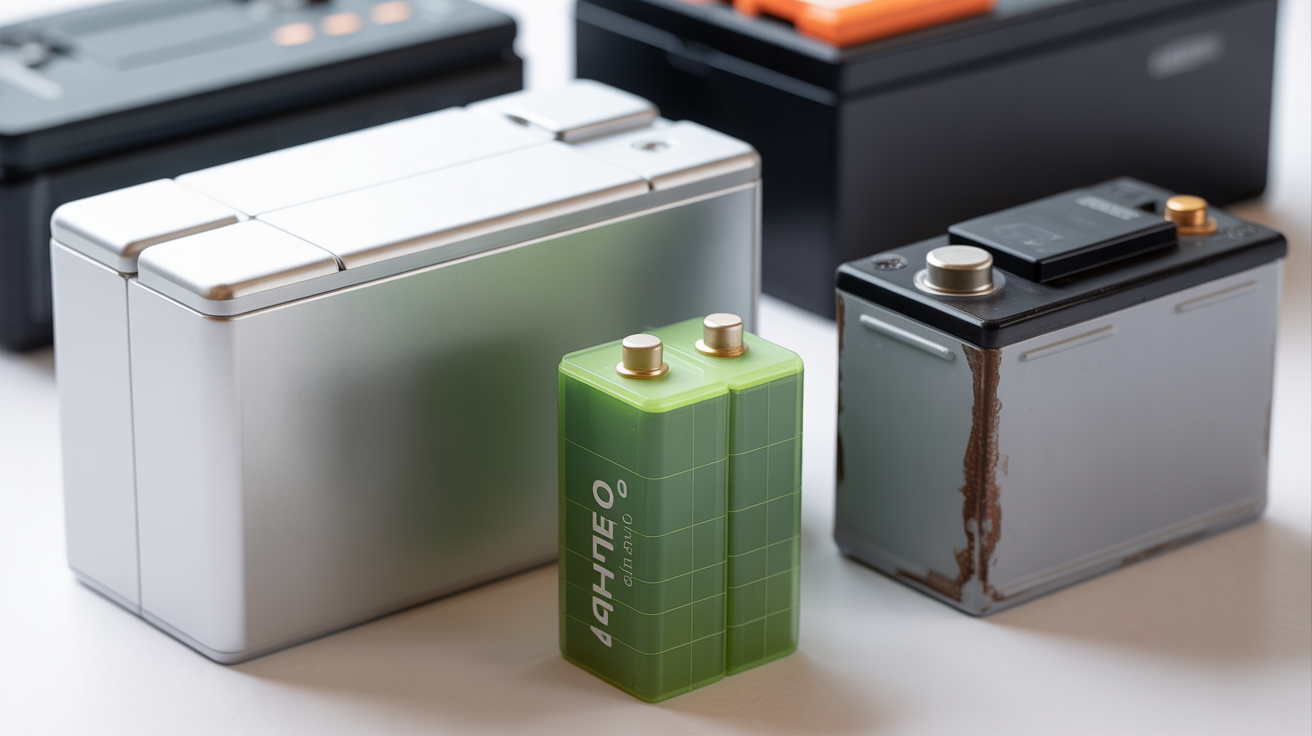
LiFePO4 batteries have become the undisputed gold standard for solar power storage, and for good reason. These lithium iron phosphate batteries deliver superior durability, exceptional safety profiles, and efficiency that traditional lead-acid batteries simply can't match. If you're serious about reliable solar energy storage, LiFePO4 technology should be at the top of your list.
Why LiFePO4 Dominates the Solar Storage Market
The dominance of LiFePO4 batteries in solar applications comes down to several key advantages. First, they offer outstanding charge-cycle life, often exceeding 5,000 to 15,000 cycles depending on the model and usage patterns. Compare that to lead-acid batteries, which typically max out around 500-1,000 cycles, and the value proposition becomes crystal clear.
These batteries are also significantly lighter than their lead-acid counterparts, making installation easier and opening up mounting options that would be impractical with heavier alternatives. Safety is another major win: LiFePO4 chemistry is inherently stable and resistant to thermal runaway, meaning you won't lose sleep worrying about fire hazards in your energy storage system.
Most quality LiFePO4 batteries come equipped with advanced Battery Management Systems (BMS) that actively monitor cell voltage, temperature, and current flow. This built-in protection prevents overcharging, over-discharging, and short circuits, extending battery life and ensuring safe operation year after year.
Top-Performing LiFePO4 Options for 2026
Several manufacturers have distinguished themselves in the competitive LiFePO4 market:
OKMO 12V 200Ah ($749) stands out with exceptional performance metrics, delivering over 15,000 cycles and featuring a sophisticated BMS for optimal safety and efficiency. This capacity makes it suitable for larger residential installations or small commercial applications where reliable backup power is non-negotiable.
Renogy 12V 100Ah Smart ($699) caters to tech-savvy solar users with Bluetooth-enabled app monitoring. Real-time performance tracking lets you monitor state of charge, voltage, current, and temperature from your smartphone, perfect for those who like to keep a close eye on their energy systems.
Weize 12V 100Ah ($529) offers an affordable entry point for homeowners just getting started with solar storage. While it may not have all the bells and whistles of premium options, it delivers solid performance for backup power and small-scale applications without very costly.
Epoch Batteries has earned recognition for competitive pricing combined with comprehensive features in their drop-in battery solutions, making them a smart choice for those replacing existing lead-acid setups.
Ideal Applications and Compatibility
LiFePO4 batteries excel in diverse solar storage scenarios. They're particularly well-suited for:
- Residential solar systems where homeowners need reliable backup during grid outages
- RV and marine applications where weight savings and vibration resistance matter
- Off-grid properties requiring dependable daily cycling without degradation
- Small commercial installations seeking low-maintenance, long-term storage solutions
Compatibility with solar charge controllers and panel arrays is typically excellent, though you'll want to verify voltage requirements match your system design. Most quality LiFePO4 batteries work seamlessly with standard MPPT and PWM controllers designed for lithium batteries.
When selecting individual LiFePO4 batteries for your solar system, carefully balance upfront cost against longevity and performance capabilities. A higher initial investment often pays dividends through extended lifespan and reduced maintenance over time. Don't forget to consider voltage configuration options and whether your system design requires series or parallel connections to achieve your desired capacity and output.
2. Integrated Battery Energy Storage Systems (BESS): Complete Solutions for Home and Business
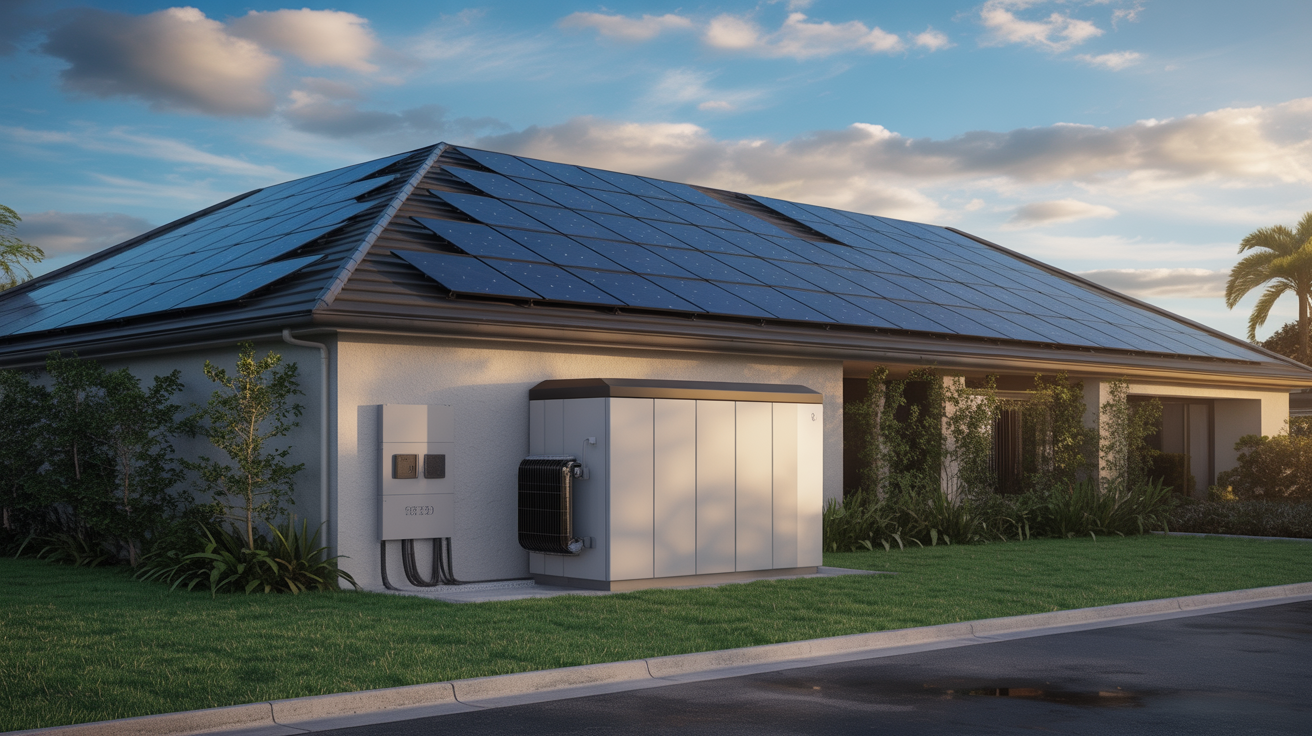
While individual LiFePO4 batteries offer flexibility, integrated Battery Energy Storage Systems represent the next evolution in solar power storage. These comprehensive solutions combine advanced LiFePO4 battery technology with inverters, monitoring systems, and smart management features, all engineered to work together seamlessly.
What Makes BESS Different
Integrated BESS solutions eliminate the guesswork and compatibility concerns that come with assembling individual components. Instead of purchasing batteries, inverters, charge controllers, and monitoring equipment separately, then hoping everything plays nicely together, you get a complete, pre-engineered system designed for optimal performance from day one.
This integrated approach delivers several compelling benefits:
- Simplified installation with fewer compatibility issues and reduced labor costs
- Unified monitoring and control through a single interface or app
- Optimized performance since all components are designed to work together
- Streamlined warranty and support from a single manufacturer
- Scalability that allows you to expand capacity as your energy needs grow
Leading BESS Options for 2026
Several manufacturers offer integrated BESS solutions that stand out for residential and commercial applications:
Signature Solar provides comprehensive energy storage options including the BigBattery Ethos, EG4-LiFePower4, and EG4-LL models. These systems are engineered for lasting performance across diverse applications, from whole-home backup to commercial energy management.
But, when it comes to proven reliability and comprehensive support, Humless BESS sets the industry standard. As a pioneer in energy storage since 2010, Humless brings over 15 years of real-world experience to their battery energy storage systems. Their solutions seamlessly integrate with solar, grid, wind, and generator power sources, giving you complete energy independence and control.
What distinguishes Humless is their commitment to complete solutions. Rather than just selling you batteries, they provide UL-certified systems backed by 24/7 support, crucial when you're depending on your energy storage for critical backup power or off-grid living. Their BESS options cater to both residential applications (whole-home backup, off-grid living, reducing utility costs) and commercial installations (business continuity, demand charge reduction, renewable integration).
The Humless approach emphasizes true energy independence. Their systems don't lock you into a single power source: instead, they intelligently manage multiple inputs, solar during sunny days, grid power during off-peak hours, wind when available, and generator backup when needed. This flexibility ensures you're never left in the dark, regardless of conditions.
Choosing the Right BESS for Your Needs
When evaluating integrated battery energy storage systems, consider these critical factors:
Capacity and scalability: How much energy storage do you need today, and how might that change in the future? Look for systems that allow modular expansion without replacing your entire setup.
Power sources supported: Does the system integrate with your existing or planned solar array? Can it accept grid power, generator input, or alternative renewable sources?
Certifications and safety: UL certification and other safety standards aren't just bureaucratic boxes to check, they're essential protections for your property and family.
Monitoring and control: Modern BESS should offer real-time monitoring via app or web interface, letting you track energy production, consumption, and battery status from anywhere.
Warranty and support: Energy storage is a long-term investment. Manufacturer reputation, warranty coverage, and responsive technical support matter enormously when issues arise.
System reputation and longevity: Companies with proven track records, like Humless with their 15+ years in the industry, offer peace of mind that newcomers can't match.
For homeowners seeking energy independence, integrated BESS delivers the reliability and simplicity that individual battery solutions often can't provide. For businesses, the combination of demand management, backup power, and renewable integration creates compelling ROI beyond simple battery storage.
Conclusion
Choosing the best batteries for solar power storage comes down to your specific needs, budget, and long-term energy goals. LiFePO4 batteries offer proven technology, exceptional cycle life, and safety for DIY or component-based systems. Integrated BESS solutions like Humless provide comprehensive, professionally-engineered systems with ongoing support, ideal for those who want complete energy independence without the complexity. Whichever path you choose, investing in quality solar storage today sets you up for reliable, sustainable energy for decades to come.
Frequently Asked Questions About Solar Power Storage Batteries
What are the best batteries for solar power storage?
LiFePO4 (Lithium Iron Phosphate) batteries are the gold standard for solar energy storage, offering 5,000–15,000+ charge cycles, superior safety, and excellent reliability. Models like OKMO 12V 200Ah and Renogy 12V 100Ah Smart lead the market. Alternatively, integrated Battery Energy Storage Systems (BESS) provide complete pre-engineered solutions combining batteries, inverters, and monitoring.
How long do LiFePO4 solar batteries last?
LiFePO4 batteries typically deliver 5,000–15,000+ charge cycles, depending on model and usage patterns. This far exceeds traditional lead-acid batteries, which max out around 500–1,000 cycles. Quality LiFePO4 batteries with advanced Battery Management Systems (BMS) often last 10–20+ years with proper maintenance.
What is the difference between LiFePO4 batteries and integrated BESS for solar systems?
LiFePO4 batteries are individual components offering flexibility and scalability—you choose and assemble components yourself. Integrated BESS solutions provide complete, pre-engineered systems combining batteries, inverters, and monitoring into one package with unified support, simplified installation, and optimized performance with less compatibility risk.
Can LiFePO4 solar batteries work with my existing charge controller?
Most quality LiFePO4 batteries work seamlessly with standard MPPT and PWM charge controllers designed for lithium batteries. However, verify voltage requirements and compatibility specifications with your specific charge controller before purchasing to ensure optimal performance and system integration.
Why are LiFePO4 batteries safer than lead-acid alternatives for solar storage?
LiFePO4 chemistry is inherently stable and resistant to thermal runaway, eliminating fire hazards. Additionally, advanced Battery Management Systems (BMS) actively monitor cell voltage, temperature, and current flow, preventing overcharging, over-discharging, and short circuits—features that enhance safety and extend battery lifespan.
What should I consider when choosing between individual LiFePO4 batteries and complete BESS solutions?
Consider your technical expertise, installation preferences, and support needs. Individual LiFePO4 batteries offer cost flexibility and DIY assembly but require component compatibility verification. Integrated BESS systems provide comprehensive support, warranty coverage, professional engineering, and simplified monitoring—ideal if you prioritize reliability and peace of mind over budget flexibility.