
Hitting the open road in your RV shouldn't mean sacrificing modern comforts or worrying about the next hookup. Whether you're boondocking in remote wilderness or tailgating for the weekend, a reliable power station transforms your experience from "making do" to living comfortably. Today's best RV power stations blend high-capacity lithium batteries, fast solar charging, and multiple output options, all while keeping you unplugged and energy-independent. We've rounded up seven standout options that cater to full-timers, weekend warriors, and everyone in between, with a focus on LiFePO4 chemistry, safety certifications, and real-world performance on the road.
Key Takeaways
- The best RV power station combines LiFePO4 battery chemistry with high capacity (3,000Wh+) to support multi-day boondocking and run appliances like fridges, air conditioning, and entertainment systems without rationing power.
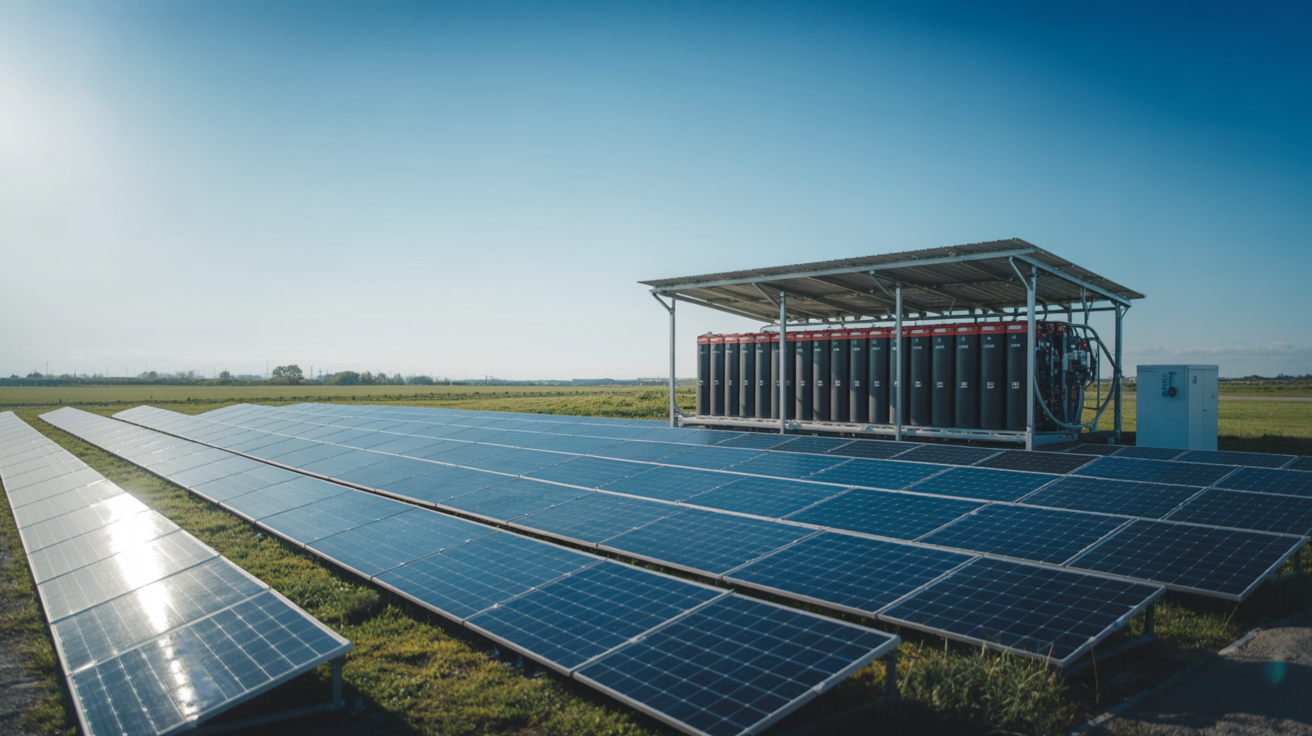
- Solar-ready battery storage with built-in MPPT charge controllers enables RVers to achieve true energy independence by seamlessly integrating with portable or rooftop solar panels for renewable power generation.
- Mid-range portable power stations (1,500–2,500Wh) offer the ideal balance of mobility and capability for weekend campers and van-lifers, delivering 24+ hours of runtime for essential devices while remaining light enough to reposition easily.
- UL safety certifications (UL 9540, UL 1973, and UL 1741) are non-negotiable for RV power systems, protecting against fire risk, thermal runaway, and electrical hazards in confined living spaces.
- Modular and scalable RV power station designs allow you to start small and expand capacity over time, adapting your energy infrastructure as your travel lifestyle and power needs evolve.
1. Humless Sentinel LiFePO4 System: Premium Off-Grid Power for Full-Time RVers
For serious RVers who demand consistent, long-term power without compromise, the Humless Sentinel platform stands out as a modular battery energy storage system purpose-built for off-grid living. Unlike typical portable "stations," the Sentinel is designed to integrate seamlessly into your RV's electrical system, think whole-coach backup rather than a plug-and-play box.
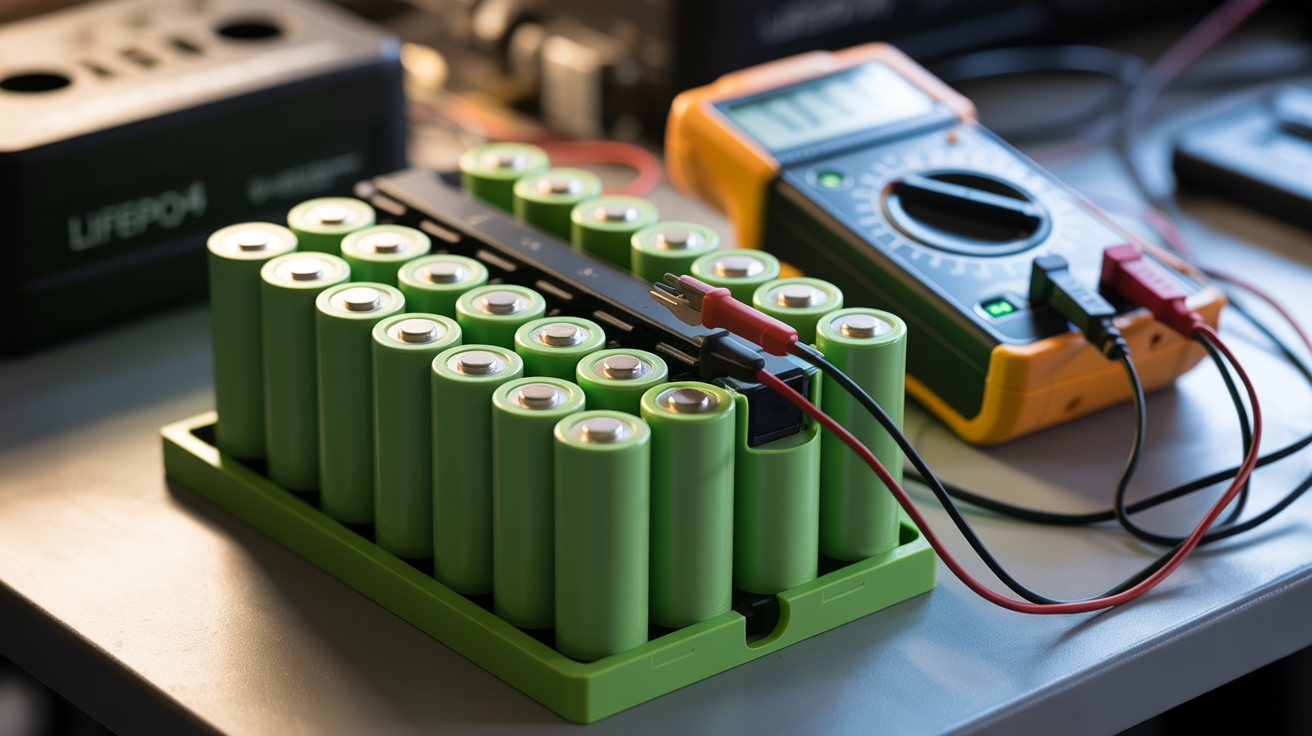
What sets the Sentinel apart is its LiFePO4 (lithium iron phosphate) battery chemistry, offering 3,000+ cycle life at 80% depth of discharge, roughly 3× to 5× longer than conventional lithium-ion cells. That translates into years of reliable service, even under daily cycling. The system pairs a pure sine-wave inverter with overload and short-circuit protection, ensuring clean power for sensitive electronics like laptops, medical devices, and entertainment systems.
Because it's fanless and emits no fumes, you can safely install it inside your RV without worrying about ventilation or noise. It charges from AC shore power, solar panels, wind turbines, or generators, making it ideal for full-timers who move between campsites, public lands, and RV parks. And with Humless's 24/7 support and 15+ years of energy-storage experience backing the platform, you're not just buying hardware, you're investing in peace of mind.
Key Features and Integration Capabilities
- Multi-source charging: AC, DC, solar (MPPT), and wind inputs for maximum flexibility
- Pure sine-wave inverter: Safe for all appliances, from microwaves to CPAP machines
- LiFePO4 chemistry: Safer thermal profile, longer cycle life, and no memory effect
- Modular design: Scale capacity by adding battery modules as your power needs grow
- Indoor-safe operation: No exhaust, low noise, compact footprint
- UL-standard design: Built to UL 1642 battery standards (note: platform not third-party certified, but follows UL design guidelines)
If you're upgrading from a noisy genset or aging AGM bank, the Sentinel represents a generational leap in comfort, capability, and long-term value.
2. High-Capacity Lithium Power Stations: 3000Wh+ for Extended Boondocking
Extended boondocking, staying off-grid for days or weeks, requires serious energy reserves. High-capacity lithium stations in the 3,000Wh-and-up range are purpose-built for this use case, letting you run air conditioning, refrigerators, coffee makers, and entertainment systems without rationing watts.
Humless offers battery modules and outdoor-focused systems that exceed 3,000Wh, including a 5kWh (5,000Wh) battery module designed for both stationary and mobile off-grid applications. These systems typically feature IP65-rated enclosures for dust and water resistance, multiple AC outlets, USB-A/C ports, and 12V DC car sockets, so you can power everything from a blender to a drone charger simultaneously.
What makes these units shine for RVers is their ability to recharge quickly via solar or generator. Many support 1,000W+ solar input, meaning a sunny afternoon can top off your battery bank before sunset. Pair that with a rooftop solar array and an MPPT charge controller, and you've got a self-sustaining energy ecosystem that can keep essentials running for days, or even weeks, between shore-power hookups.
Key benefits include:
- All-day runtime: Power a full-size RV fridge, lights, fans, and devices for 24+ hours on a single charge
- Fast solar recharge: High-wattage input means less downtime waiting for the sun
- Weatherproof build: IP65 or better protection for peace of mind in rain, dust, and extreme temps
- Expandable capacity: Some models support parallel or series stacking for even greater reserves
If you're planning multi-day stays in national forests or BLM land, a 3,000Wh+ system is your ticket to true energy independence without the noise and maintenance of a traditional generator.
3. Mid-Range Portable Systems: Balancing Power and Portability (1500-2500Wh)
Not every RVer needs a whole-coach battery system. Weekend campers, van-lifers, and occasional boondockers often prefer mid-range portable power stations in the 1,500–2,500Wh sweet spot, big enough to run essentials for a couple of days, yet light enough to move in and out of your rig.
These units typically weigh 40–60 pounds and feature a built-in handle or wheels, making them easy to reposition for optimal solar exposure or bring indoors at night. You'll find 1,500W to 2,000W continuous inverters (with 3,000W+ surge ratings) that handle microwaves, electric coolers, and power tools without breaking a sweat.
Most mid-range stations offer:
- Multiple AC outlets (2–4), so you can charge laptops, phones, and cameras simultaneously
- USB-A and USB-C ports, including fast-charge and Power Delivery options
- 12V car sockets and DC barrel jacks for legacy devices and car accessories
- Solar + AC + car charging, giving you flexibility no matter where you park
A 1,500Wh station will typically run a 50W RV fridge for 24+ hours, a laptop for dozens of charges, and LED lights all weekend. Step up to 2,500Wh and you can add a portable air conditioner or electric grill into the mix.
For those who value portability over maximum capacity, think Sprinter vans, teardrop trailers, or truck campers, mid-range lithium stations deliver the perfect balance of juice and mobility. Just make sure to budget for a folding solar panel kit (200–400W) to keep your battery topped off during the day.
4. Solar-Ready Battery Storage: Seamless Integration for Renewable RV Power
One of the biggest game-changers in modern RV power is solar-ready battery storage, systems engineered from the ground up to pair with photovoltaic panels and deliver true renewable energy independence. Humless has long championed this approach, designing battery energy storage systems that accept input from solar, wind, grid, and generator sources in one unified platform.
What does "solar-ready" really mean? At minimum, the power station should include an MPPT (Maximum Power Point Tracking) charge controller built in or easily connected, support a wide voltage range (12V–48V or higher), and handle input wattages that match today's high-efficiency panels. Humless systems, for example, can integrate with major PV inverter brands and are compatible with both portable folding panels and permanent rooftop arrays.
For RVers, this flexibility is golden. You can start with a portable 100W or 200W suitcase panel for weekend trips, then upgrade to a 400W rooftop array when you decide to go full-time. The battery system adapts automatically, harvesting every available watt and storing it for when the sun goes down.
Another advantage: many solar-ready stations support pass-through charging, meaning you can draw power from the battery while it's being charged by solar. That's crucial for running daytime loads, like air conditioning or a work-from-RV laptop setup, without depleting your reserves.
Charging Efficiency and Panel Compatibility
- MPPT vs. PWM: MPPT controllers extract 20–30% more energy from panels, especially in variable light
- Wide voltage acceptance: 12V, 24V, or 48V panels: some systems auto-detect and optimize
- High input wattage: Look for 500W–1,200W+ solar input to minimize recharge time
- Universal connectors: MC4, Anderson, XT60, or proprietary cables, check compatibility before you buy
- Real-time monitoring: App-based dashboards (when available) show solar harvest, battery state, and load in real time
By coupling a solar-ready battery with the right panels, you're not just carrying backup power, you're creating a renewable micro-grid that can keep your RV running indefinitely, no hookups required.
5. UL Certified Safety Standards: Why Certification Matters for RV Applications
When you're living, eating, and sleeping inches away from a high-capacity lithium battery, safety certifications aren't just nice-to-haves, they're non-negotiables. UL (Underwriters Laboratories) standards provide independent, third-party validation that a product has been tested for fire risk, electrical hazards, and system-level failures.
For battery energy storage systems used in RVs, three certifications stand out:
- UL 9540 (Energy Storage Systems): Covers the entire integrated system, battery, inverter, charge controller, and enclosure, for safe operation and installation
- UL 1973 (Batteries for Stationary Applications): Validates individual battery modules for thermal runaway protection, short-circuit resilience, and cycle endurance
- UL 1741 (Inverters & Grid Support): Ensures inverters can safely integrate with solar, generators, and shore power without causing faults or fires
Humless BESS products meet UL 9540, UL 1741, and UL 1973 safety standards, a trifecta that's critical for RV use. Why? Because RVs present unique hazards: confined spaces, vibration during travel, temperature extremes, and often-amateur installations. A UL-certified system has been put through rigorous abuse testing, overcharge, over-discharge, high-temp exposure, impact, and short-circuit scenarios, so you can trust it won't become a liability on the road.
Beyond fire safety, certifications also matter for insurance and resale value. Some RV insurance carriers require UL-listed components for coverage, and a certified battery system can boost your rig's resale appeal to safety-conscious buyers.
Bottom line: don't skimp on safety. A few hundred dollars more for a UL-certified power station can prevent catastrophic failures and give you true peace of mind, mile after mile.
Frequently Asked Questions About the Best RV Power Stations
What is the best RV power station for full-time boondocking?
LiFePO4-based systems like the Humless Sentinel are ideal for full-time RVing due to their 3,000+ cycle life, pure sine-wave inverter, and multi-source charging (AC, solar, wind). Modular design lets you scale capacity as your needs grow, providing years of reliable off-grid power.
How long can a 3000Wh power station run an RV refrigerator?
A 3,000Wh (or higher) lithium power station can run a typical 50W RV refrigerator for 24+ hours on a single charge. High-capacity systems allow you to power essentials like fridges, lights, and fans for extended boondocking without shore power hookups.
What makes LiFePO4 batteries better than lithium-ion for RV use?
LiFePO4 batteries offer 3–5× longer cycle life (3,000+ cycles at 80% depth), safer thermal profiles with no risk of thermal runaway, and no memory effect. This chemistry delivers years of reliable service under daily cycling, making it ideal for RV applications.
Can I safely install a power station inside my RV?
Yes, if it's fanless and emits no fumes—like pure sine-wave LiFePO4 systems. These units are designed for indoor-safe operation without ventilation requirements. Always verify the product is rated for enclosed RV spaces to ensure safety.
Why do RV power stations need UL certification?
UL certifications (9540, 1973, 1741) ensure independent testing for fire risk, electrical hazards, and system failures. RVs present unique hazards—confined spaces, vibration, temperature extremes—making certification critical for safety, insurance coverage, and resale value.
What is a solar-ready power station, and how does it benefit RVers?
Solar-ready stations include built-in MPPT charge controllers and support high solar input wattages (500W–1,200W+), letting you charge from portable panels or rooftop arrays. Pass-through charging allows simultaneous use and solar input, creating energy independence with minimal downtime between charges.