
Finding the best power station for RV living can feel overwhelming, especially when you're choosing between lithium chemistries, wattage ratings, and solar compatibility. Whether you're a full-timer who needs enough juice to run an AC and microwave or a weekend warrior looking to keep phones and laptops charged, the right portable power station transforms your rig into a self-sufficient home on wheels. The sweet spot depends on your use case: premium LiFePO4 systems for extended adventures, expandable high-capacity units that replace traditional house batteries, compact solutions for short trips, and solar-ready, UL-certified models that deliver true off-grid independence. This guide walks you through the top seven categories and picks so you can confidently power every mile of your journey.
Key Takeaways
- The best power station for RV living depends on your use case: premium LiFePO4 systems for extended adventures, expandable units for full-timers, compact solutions for weekend trips, and solar-ready models for true off-grid independence.
- LiFePO4 chemistry delivers 3,000+ charge cycles, stable operation across temperature extremes, and pairs seamlessly with rooftop or portable solar for weeks of boondocking without shore power.
- Full-time RVers typically need 2,000–4,000 Wh of usable capacity and 200–400 W of solar input, which expandable systems can provide by adding battery packs as energy demands grow.
- Look for UL-certified power stations with certified Battery Management Systems, clean sine-wave inverters, and thermal management to protect your RV investment and ensure safe operation of high-draw appliances.
- Built-in MPPT charge controllers extract up to 30% more energy from solar panels compared to basic controllers, enabling 4–6 hour full recharges on LiFePO4 batteries even after running overnight loads.
- Compact lightweight power stations (500–1,000 Wh) work best for weekend warriors, keeping phones and laptops charged without the cost or weight of full house-battery replacement systems.
1. Humless Sentinel 2200: Premium LiFePO4 Power for Extended RV Adventures
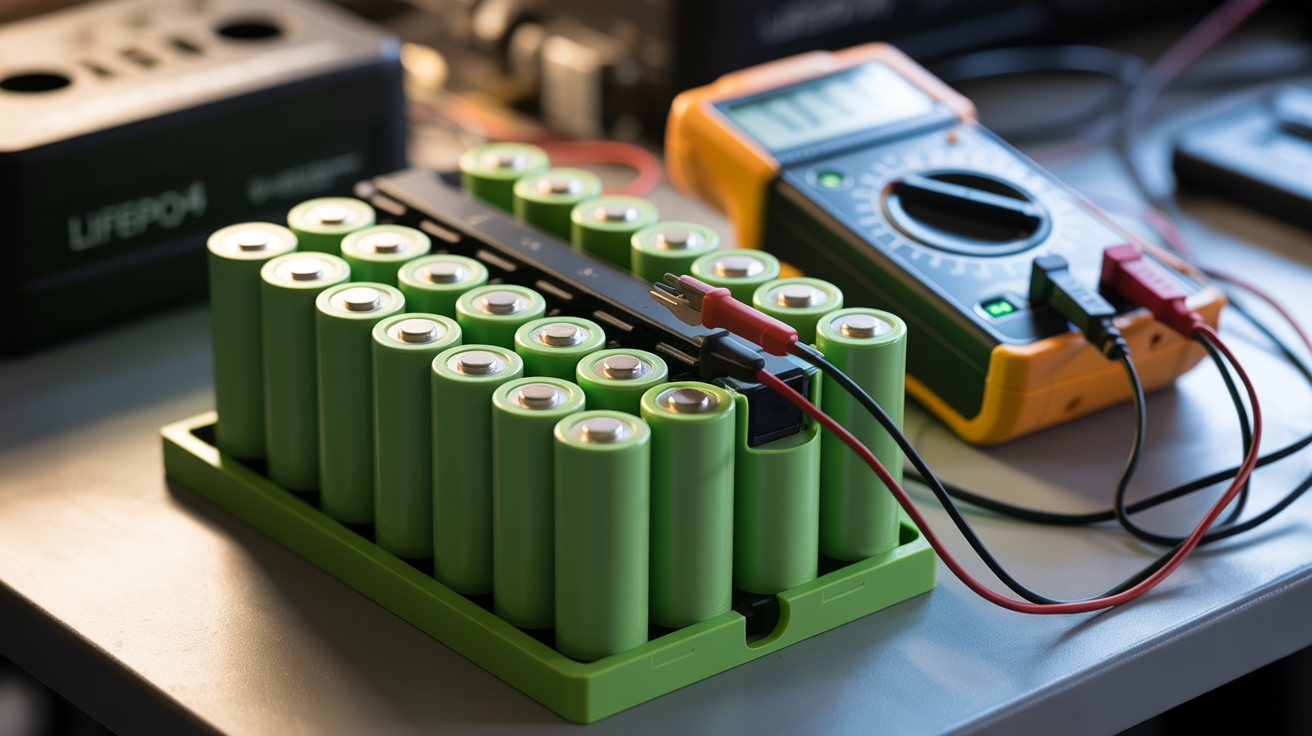
When you're logging serious miles and living full-time on the road, a power station built around LiFePO4 chemistry becomes your best friend. The Humless Sentinel 2200 delivers exactly that, lithium iron phosphate cells rated for 3,000+ charge cycles, stable operation across temperature extremes, and inherently safer chemistry than typical NMC lithium packs.
This unit is purpose-built as a core RV power bank, meaning it'll handle high-draw appliances like microwaves, induction cooktops, and even small air conditioners, provided they fall within its 2,000+ W inverter rating. That kind of capacity makes it ideal for extended travel where shore power isn't guaranteed and you need consistent, reliable energy day after day.
Beyond raw output, the Sentinel 2200 shines when paired with rooftop or portable solar. LiFePO4's long cycle life means you can deeply discharge and recharge daily without worrying about premature degradation, which is critical when you're relying on solar as your primary input.
Key Features and Solar Integration Capabilities
- Battery capacity: 2,000+ Wh onboard storage ensures you can run essential loads overnight and through cloudy days.
- Inverter output: Clean sine-wave, 2,200 W continuous (surge higher) supports sensitive electronics and demanding appliances.
- RV-ready outputs: 30A TT‑30 RV port plus multiple AC outlets, USB‑A, USB‑C, and 12 V DC.
- Multi-source charging: Shore power, alternator (via DC‑to‑DC), and solar, so you're always topped off.
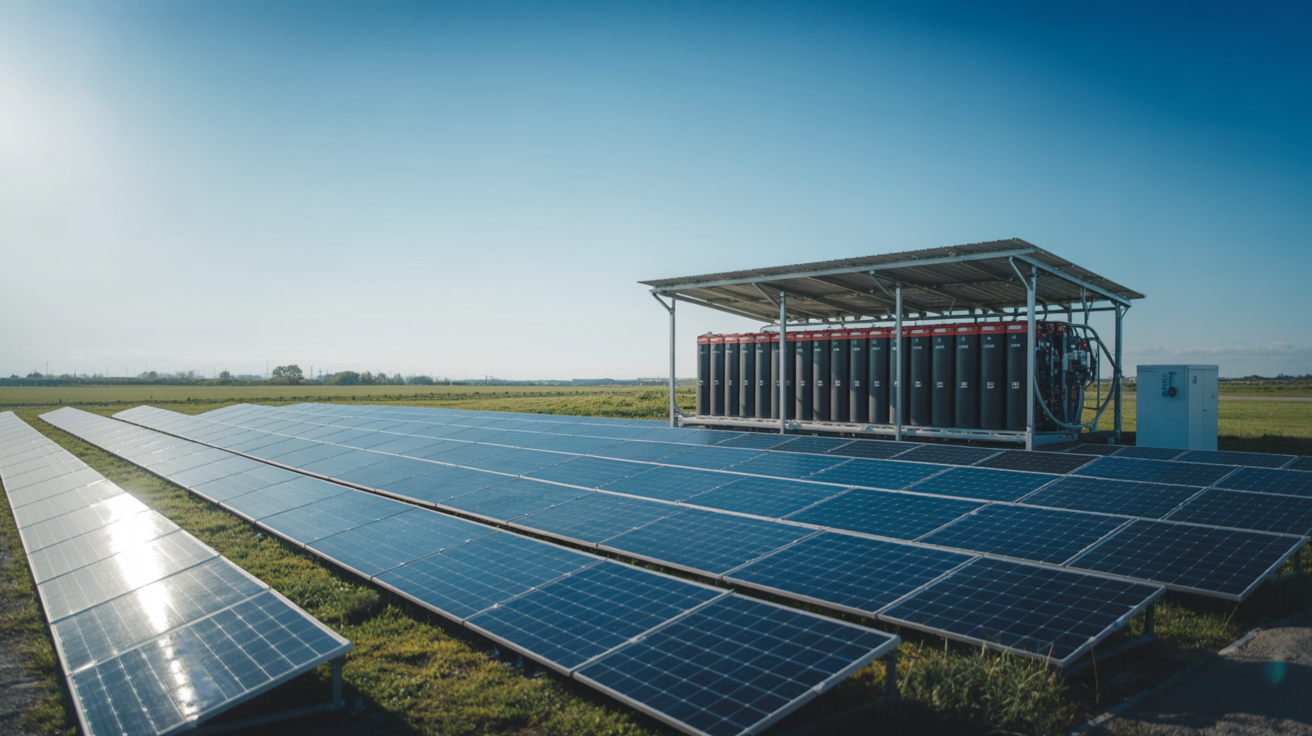
- MPPT solar charge controller: Accepts 600–1,000 W of panels for near-continuous off-grid operation. Pair rooftop rigid panels with portable folding arrays to maximize sun exposure even when you're parked in shade.
For full-time RVers who demand reliability, safety, and the flexibility to boondock for weeks at a time, the Humless Sentinel 2200 is a proven, premium choice backed by 15+ years of energy-storage expertise and 24/7 support.
2. High-Capacity Expandable Systems: Scaling Power for Full-Time RV Living
Full-time RV living means full-time energy demands. You're not just charging a phone and running LED lights, you're powering a refrigerator, laptop workstation, electric cooking, water pumps, and maybe even a washing machine. That's why expandable, high-capacity power stations have become the go-to for modern nomads replacing or augmenting traditional lead-acid house batteries.
Most full-timers need 2,000–4,000 Wh of usable capacity and at least 200–400 W of solar to stay topped off without daily generator runs. Expandable systems let you start with a base unit, say 2,048 Wh, and add external battery packs as your energy profile grows. This modular approach means you're not locked into a single capacity: you scale as needs evolve.
Look for units that include:
- RV TT‑30 plug for seamless integration with your rig's existing wiring.
- 2,000+ W pure sine-wave inverter to handle simultaneous high-draw devices.
- Expansion battery ports that accept proprietary or universal lithium packs, doubling or tripling your runtime.
- Pass-through charging so you can draw power while the unit recharges from solar, shore, or alternator.
Examples in this class, like the Bluetti AC200Max or EcoFlow Delta Pro, combine robust inverters, generous base capacity, and add-on battery compatibility. They're designed to replace the old 200 Ah lead-acid bank with lighter, longer-lasting LiFePO4 technology, freeing up precious cargo weight and interior space. If you're committed to the RV lifestyle year-round, an expandable system offers the flexibility and peace of mind to truly live off-grid.
3. Portable Compact Solutions: Best Power Stations for Weekend Warriors
Not everyone needs a 2,000 W behemoth. If your RV adventures are Friday-to-Sunday affairs with easy access to shore power or your truck's alternator, a compact, lightweight power station (10–25 lb, 500–1,000 Wh) hits the sweet spot of portability and practicality.
These units excel at keeping essentials humming: smartphones, tablets, laptops, LED strip lights, portable fans, and small appliances. They're easy to toss in a truck bed, stow in a cabinet, or carry to a picnic table when you want power outside the rig. And because they're budget-friendly, they're a low-risk first step into portable power before committing to a full house-battery replacement.
Weight, Portability, and Essential Wattage Considerations
Weight & form factor:
- Aim for under 20 lb if you'll be moving the station frequently.
- Integrated handles and rubberized corners protect against drops and vibration on rough roads.
Essential wattage tiers:
- 300–600 W inverter: Perfect for phones, laptops, CPAP machines, lights, and a portable fan. Most weekend needs fall here.
- 1,000+ W inverter: Adds the ability to run a coffee maker, electric kettle, or small microwave, great for morning rituals without firing up the generator.
Charging flexibility:
- AC wall charging (3–5 hours) before you leave home.
- 12 V car/alternator charging during the drive.
- Optional solar input (100–200 W) if you want a taste of off-grid freedom.
Compact stations won't power an air conditioner or replace your house battery, but they deliver convenience, quiet operation, and zero emissions, perfect for national-park campgrounds with generator-hour restrictions. Brands like Jackery Explorer 500, Anker 521, and Goal Zero Yeti 500X are popular in this segment.
4. Solar-Ready Power Stations: Achieving True Off-Grid RV Energy Independence
If your goal is to boondock for weeks at a time, no shore power, no generator noise, you need a solar-ready power station with the specs to match. "Solar compatible" isn't enough: look for units that include a built-in MPPT charge controller, wide solar voltage range (typically 12–60 V or higher), MC4 or Anderson input connectors, and the ability to handle 200–400+ W of solar panels.
MPPT (Maximum Power Point Tracking) is critical because it extracts up to 30% more energy from your panels compared to basic PWM controllers, especially in variable light or high-temperature conditions. Pairing MPPT with a 2,000+ Wh LiFePO4 battery means you can fully recharge in 4–6 peak sun hours, even after running loads all night.
Design your solar setup for flexibility:
- Rooftop rigid panels (100–400 W) stay mounted and trickle-charge whenever the sun's out.
- Portable folding panels (100–200 W) let you park your RV in shade while positioning the array in full sun.
- Combine both to hit 400–600 W total input, slashing recharge time and giving you energy surplus on bright days.
Key features to confirm:
- Wide MPPT voltage window (e.g., 12–150 V) to accommodate various panel configurations, series, parallel, or series-parallel.
- Fast solar recharge rate: Calculate panel wattage ÷ battery capacity: aim for a 4–6 hour full recharge under ideal conditions.
- Pass-through solar + load: Run devices while panels charge the battery simultaneously.
With the right solar-ready station, like the Humless Sentinel or similar UL-certified LiFePO4 systems, you achieve true energy independence: no fuel costs, no noise, no emissions. Just sunlight, storage, and the freedom to stay off-grid as long as the weather cooperates.
5. UL-Certified Safety-First Options: Protecting Your RV Investment
Your RV is your home, and possibly your largest mobile investment. That's why UL certification and robust safety features should be non-negotiable when choosing the best RV power station. UL listing means an independent lab has verified that the cells, battery pack, inverter, and overall system meet rigorous safety and performance standards.
What to look for in a safety-first power station:
- UL-listed lithium cells: Ensures individual battery cells pass flammability, short-circuit, and thermal-runaway tests.
- Certified Battery Management System (BMS): Monitors and balances each cell, preventing over-charge, over-discharge, over-current, over-voltage, and over-temperature conditions.
- UL-certified inverter: Guarantees clean sine-wave output that won't damage sensitive electronics or trip RV circuit breakers.
- Thermal management: Active cooling (fans) or passive heat sinks keep the unit within safe operating temperatures, even under sustained high loads.
- Fire-resistant enclosure: Flame-retardant plastics or metal housings add an extra layer of protection.
When you're running 2,000+ W inverters, large rooftop solar arrays, and charging from your RV's alternator, electrical faults can escalate fast. A UL-certified station with comprehensive BMS protection reduces the risk of fire, protects your RV's wiring and appliances, and gives you peace of mind whether you're boondocking in the desert or plugged into a crowded RV park.
Humless systems, for example, are UL certified and have been field-tested for over 15 years across residential, commercial, and mobile applications, proof that safety and performance can coexist. Don't cut corners on certification: your rig, your family, and your freedom depend on it.
Frequently Asked Questions About RV Power Stations
What is the best power station for full-time RV living?
The best power station for full-time RVs is a premium LiFePO4 system like the Humless Sentinel 2200 with 2,000+ Wh capacity, 2,000+ W inverter, and MPPT solar integration. Pair it with 600–1,000 W of panels for near-continuous off-grid operation. Expandable systems like the Bluetti AC200Max offer flexibility to add batteries as energy demands grow.
How many watts do I need in an RV power station for a microwave and air conditioner?
You need at least a 2,000+ W pure sine-wave inverter to safely run high-draw appliances like microwaves and small air conditioners simultaneously. Pair this with 2,000–4,000 Wh of usable capacity and 200–400 W of solar input to maintain consistent power for extended travel without daily generator use.
What is the difference between LiFePO4 and other lithium battery types for RVs?
LiFePO4 (lithium iron phosphate) offers 3,000+ charge cycles, safer chemistry than NMC lithium, and stable operation across temperature extremes. This makes it ideal for RVs because you can deeply discharge and recharge daily without premature degradation, especially when relying on solar as your primary input source.
Is a portable power station good enough for weekend RV trips?
Yes, compact power stations (10–25 lb, 500–1,000 Wh) are ideal for weekend warriors. A 300–600 W inverter handles phones, laptops, lights, and fans; 1,000+ W adds small appliances like coffee makers. They're budget-friendly, portable, and perfect when shore power or alternator charging is readily available.
Why is UL certification important in an RV power station?
UL certification verifies that cells, battery pack, inverter, and BMS meet rigorous safety standards. This protects your RV's wiring, appliances, and reduces fire risk—critical when running 2,000+ W inverters and large solar arrays. A certified system with over-current, over-voltage, and thermal protection ensures safe, reliable operation.
Can I run my RV air conditioner on a portable power station?
Only with a premium LiFePO4 system rated 2,000+ W, like the Humless Sentinel 2200, and sufficient battery capacity (2,000–4,000 Wh). Small air conditioners demand high instantaneous power; standard compact units won't deliver. Pair with 600+ W solar for sustained operation on extended boondocking trips.