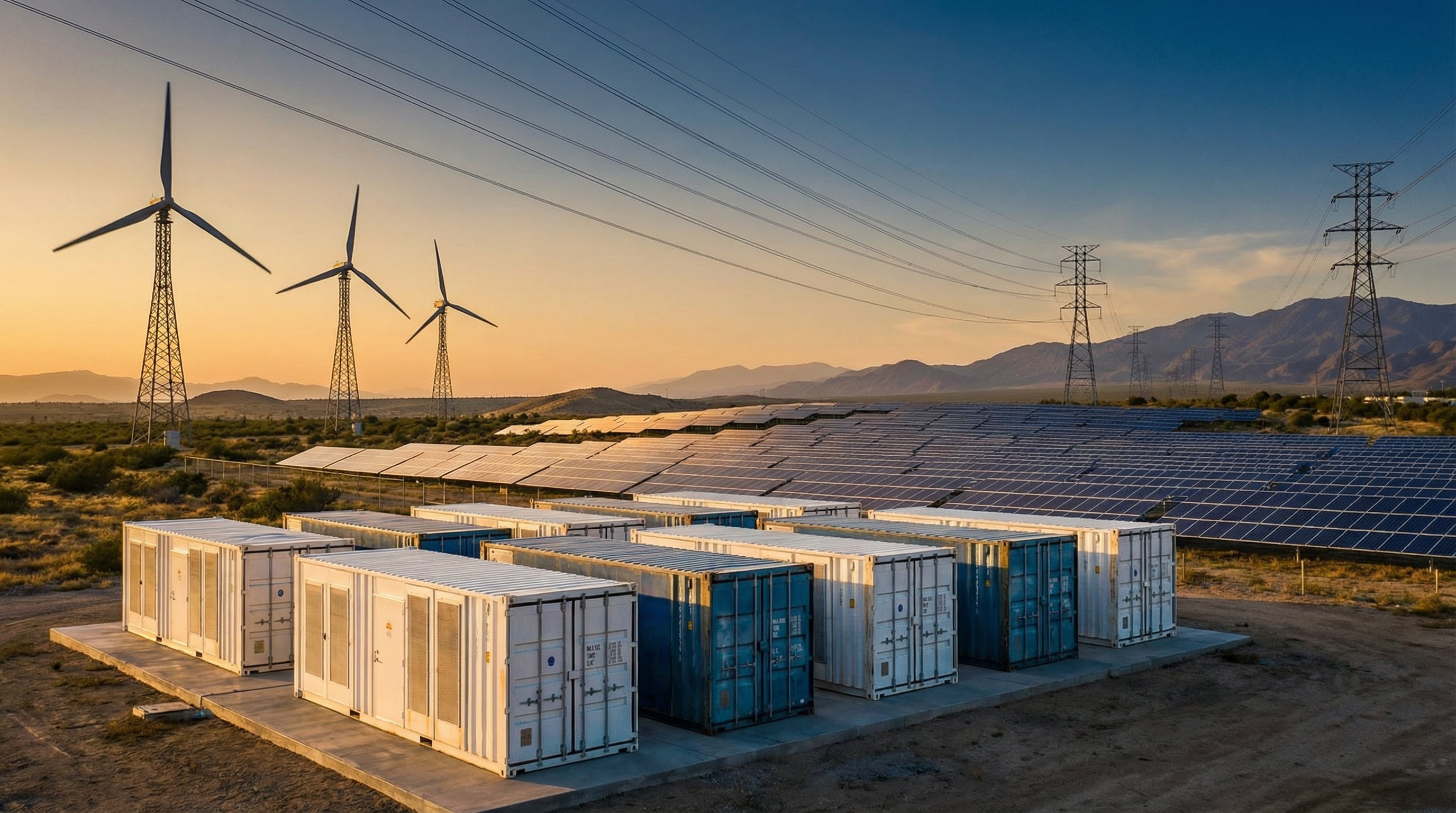
The electric grid is undergoing its most dramatic transformation in a century. As solar panels and wind turbines replace coal plants, a critical challenge emerges: what happens when the sun sets and the wind stops blowing? Grid energy storage is the answer, a technology that's rapidly evolving from niche applications to the backbone of modern power infrastructure. For homeowners, businesses, and off-grid property owners, understanding how these systems work isn't just academic, it's the key to unlocking true energy independence and protection from rising utility costs and blackouts.
Key Takeaways
- Grid energy storage captures excess renewable energy from solar and wind, allowing you to use clean power exactly when needed rather than when nature provides it, transforming the economics of energy independence.
- Lithium-ion batteries (LiFePO4) are the fastest-growing storage technology, offering rapid response times, multiple daily charge-discharge cycles, and seamless integration with solar panels, wind turbines, and grid power.
- Battery energy storage systems enhance grid stability and resilience while reducing reliance on expensive peaker plants, lowering utility costs, and protecting homes and businesses from blackouts during extreme weather events.
- Modern inverters intelligently prioritize power sources based on your preferences—solar first, then battery, then grid—enabling homeowners to shift loads to off-peak hours and potentially earn credits by feeding stored power back to the grid.
- The critical question for property owners is no longer whether energy storage is affordable, but whether you can afford to be without it as storage becomes essential for true energy independence and protection from rising utility costs.
What Is Grid Energy Storage and Why It Matters for Energy Independence
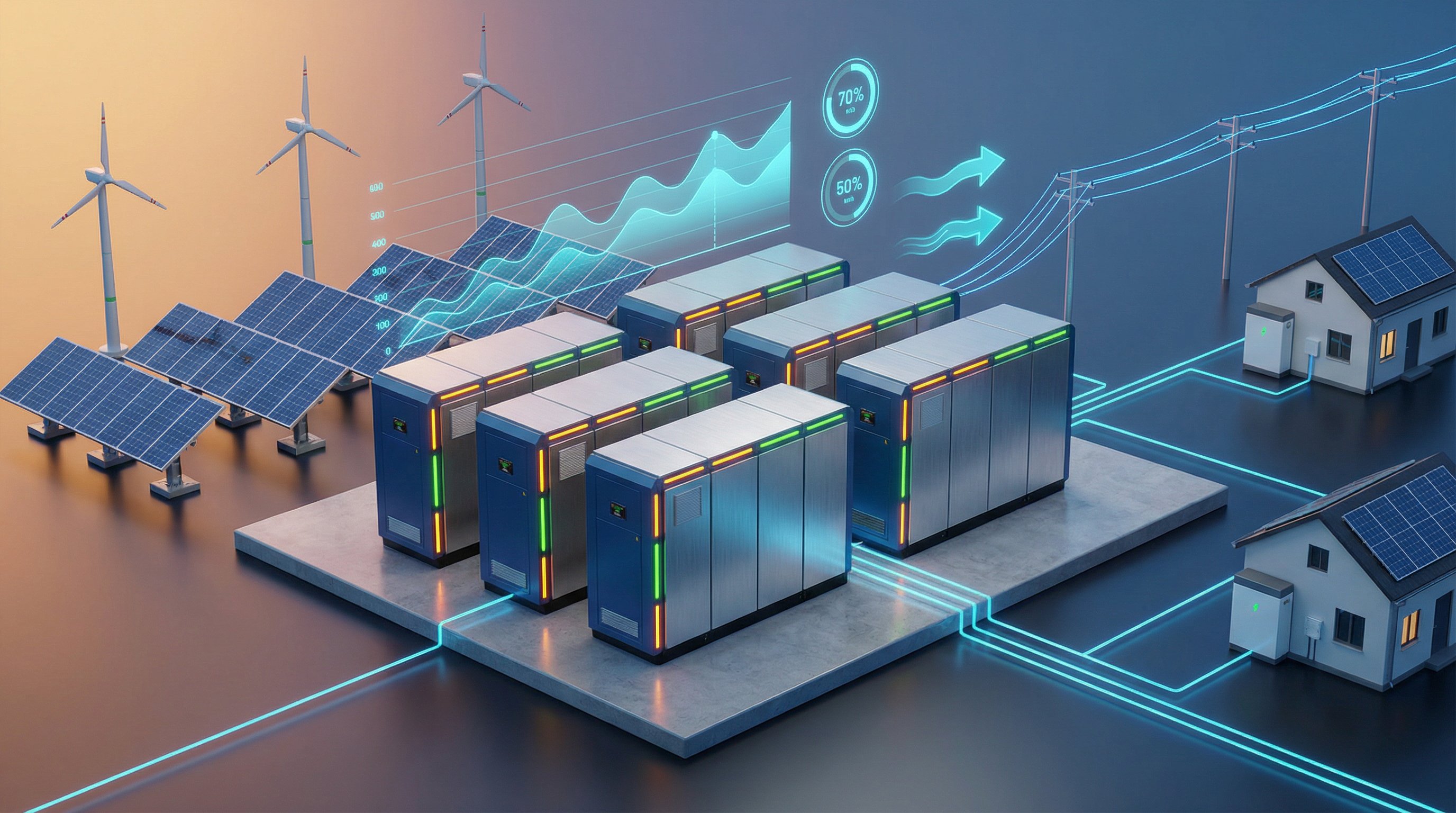
Grid energy storage refers to technologies connected to the electrical power grid that capture and hold energy for later use. Think of it as a massive savings account for electricity, when solar farms produce more power than people need on a sunny afternoon, that excess energy gets stored instead of wasted. Later, when demand spikes during dinner time or on cloudy days, the stored energy flows back to homes and businesses.
The concept isn't entirely new. Pumped-storage hydroelectricity has been doing this for decades by pumping water uphill when electricity is cheap, then releasing it through turbines when power is needed. As of 2023, pumped hydro still represents the largest share of grid storage globally at 181 GW capacity. But the real revolution is happening with battery technology, utility-scale and behind-the-meter batteries have grown to approximately 88 GW combined, and they're expanding faster than any other storage type.
Why does this matter for your energy independence? Because grid energy storage fundamentally changes the economics and reliability of renewable power. Wind and solar are now the cheapest electricity sources available, but they're inherently variable. Storage bridges that gap, allowing you to capture abundant, low-cost renewable energy and use it exactly when you need it, not just when nature provides it.
For homeowners with solar panels, a battery energy storage system transforms your roof from a supplemental power source into a complete energy solution. You're no longer just offsetting daytime usage: you're banking sunshine to power your evenings, protect against outages, and potentially disconnect from the grid entirely. Off-grid property owners already understand this reality, without storage, renewable energy simply isn't viable.
The grid-scale benefits ripple down to individual consumers too. Storage systems reduce grid congestion, lower overall system costs by avoiding expensive peaker plants, and decrease reliance on imported fossil fuels. Countries deploying significant renewable energy with storage are seeing enhanced energy security and lower long-term electricity costs. When utilities can balance supply and demand efficiently, rate volatility decreases and reliability improves.
Companies like Humless have pioneered residential and commercial battery energy storage systems since 2010, focusing on seamless integration with solar, grid, wind, and generator power sources. Their UL-certified LiFePO4 battery systems exemplify how storage technology has matured from experimental to proven, backed by 15+ years of field reliability and round-the-clock support.
Beyond economics, there's a practical reality: grid energy storage enhances resilience. As extreme weather events increase and aging infrastructure struggles, battery systems provide immediate backup power without the noise, fumes, or maintenance headaches of generators. For businesses, this means avoiding costly downtime. For families, it means keeping critical systems running during emergencies.
How Battery Energy Storage Systems Work with Solar, Wind, and Grid Power
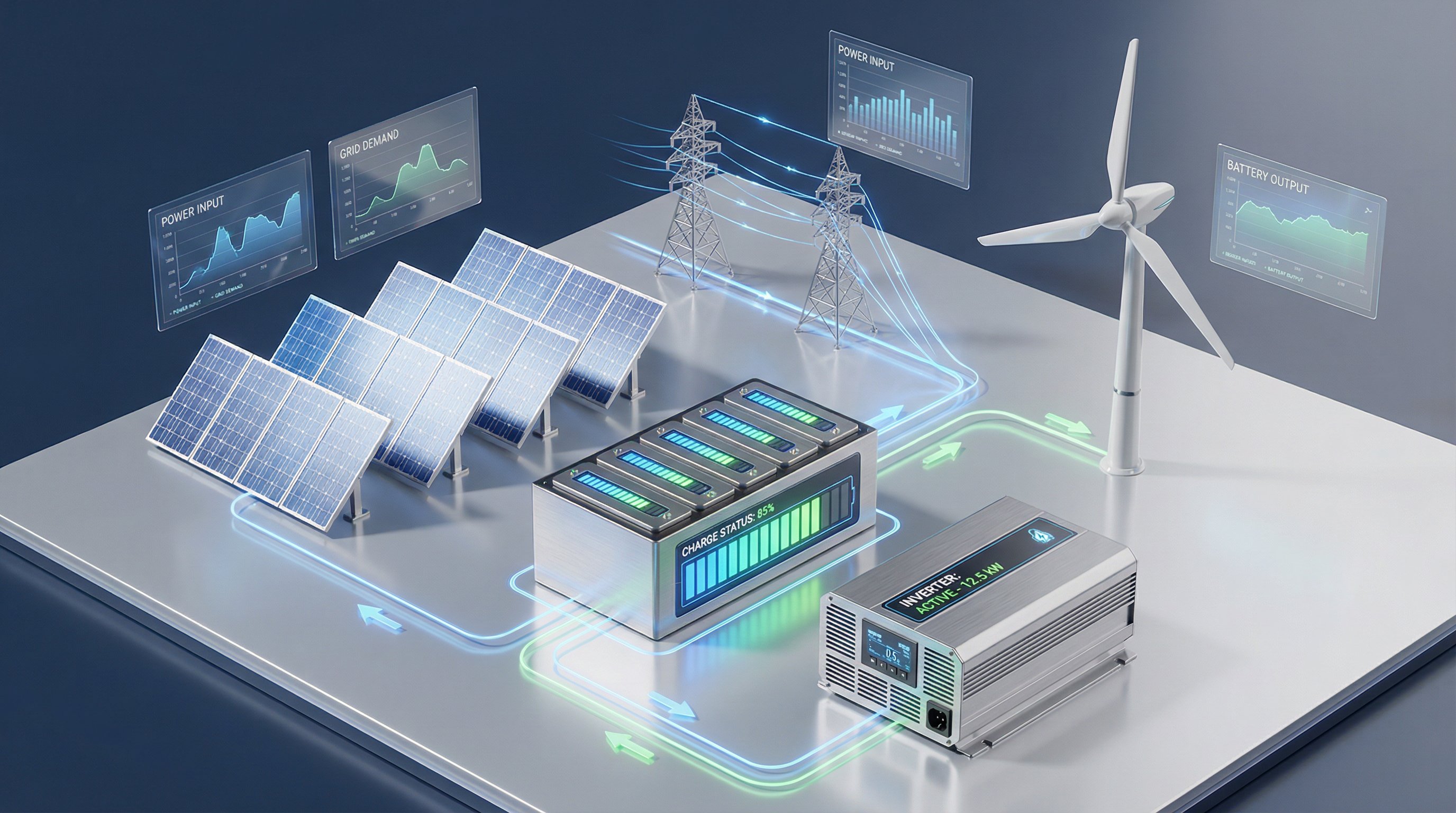
Battery energy storage systems (BESS) operate on a straightforward principle: charge when electricity is abundant and cheap, discharge when it's scarce and expensive. But the engineering behind seamless integration with multiple power sources is sophisticated.
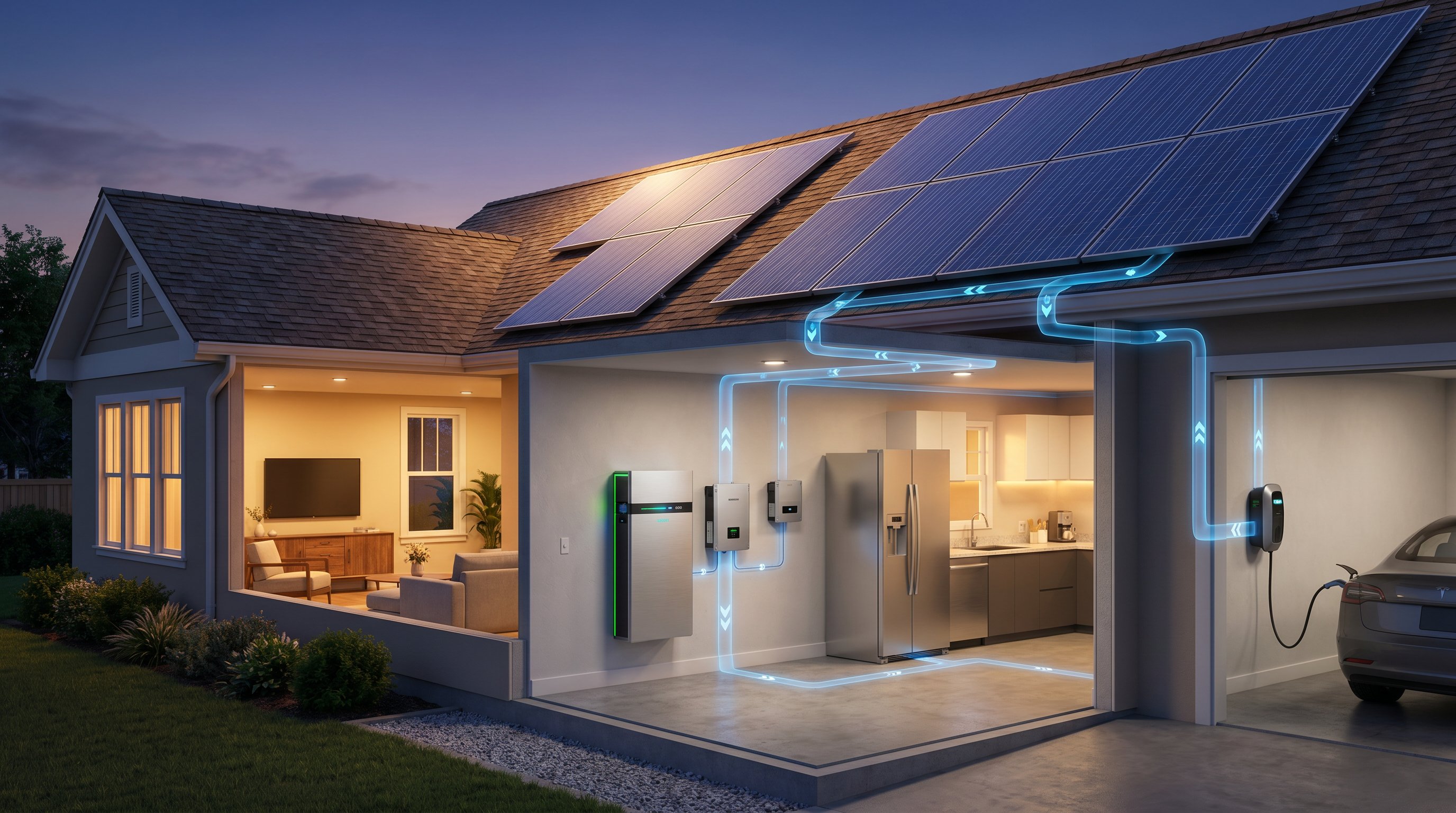
When paired with solar panels, the system monitors production and consumption in real time. During peak sunlight hours, your solar array might generate 8 kW while your home only uses 2 kW. That 6 kW surplus flows into your battery storage instead of back to the grid (though you can configure export if your utility offers favorable rates). As the sun sets and production drops, the battery automatically takes over, drawing from stored energy rather than pulling from the utility.
Lithium-ion batteries, particularly LiFePO4 (lithium iron phosphate) chemistry, dominate the residential and commercial storage market for good reason. They're well-suited for short-duration storage under 8 hours, which covers most household and business needs. They also offer rapid response times, discharging power in milliseconds when needed. This speed makes them invaluable for grid stability applications like frequency regulation, though homeowners benefit more directly from their ability to switch seamlessly between charging and discharging multiple times daily.
For wind integration, the principle is similar but the patterns differ. Wind production often peaks overnight when demand is low, making storage essential for capturing that off-peak generation. A properly configured BESS can harvest nighttime wind energy and deploy it during morning and evening demand spikes. For properties using both solar and wind, battery storage becomes the orchestrator, balancing variable inputs and providing consistent output regardless of weather conditions.
Grid-connected systems add another layer of sophistication. Your battery can charge from the grid during off-peak hours when rates are lowest (if you're on a time-of-use plan), then discharge during expensive peak periods, a practice called load shifting or peak shaving. Some utilities even offer programs where your battery can feed power back to the grid during high-demand events, essentially turning your home into a mini power plant and earning you credits or payments.
The inverter is the critical component that makes all this work. It converts DC power from your batteries and solar panels into AC power your home uses, while also managing the complex dance of charge sources and loads. Modern inverters from systems like Humless incorporate intelligent software that prioritizes power sources based on your preferences, maybe you want solar-first, then battery, then grid as a last resort. Or perhaps you want to keep batteries at 50% reserve for emergencies while using grid power for daily needs.
For medium-duration needs beyond 8 hours, flow batteries and compressed air energy storage provide alternatives, though these remain more common in utility-scale applications. Long-duration storage, days or weeks, requires different technologies like green hydrogen or thermal storage, but these aren't yet practical for most residential or commercial users.
What sets modern battery systems apart is their flexibility. A quality BESS can charge and discharge multiple times per day without degradation, respond instantly to changing conditions, and integrate with generators for extended outages. This versatility is why battery storage is the fastest-growing grid resource, it can perform multiple roles simultaneously: backup power, demand management, renewable integration, and grid services.
For solar installers and integrators, understanding these operational modes is crucial for system design. Sizing storage requires analyzing consumption patterns, renewable production profiles, backup duration requirements, and future expansion plans. A family wanting simple backup might need 10-15 kWh, while a business seeking full energy independence could require 50+ kWh with scalable architecture.
Conclusion
Grid energy storage isn't just changing how utilities manage power, it's redefining what's possible for individuals and businesses seeking energy independence. As battery technology continues advancing and costs decline, the question shifts from "Can I afford storage?" to "Can I afford to be without it?" Whether you're installing your first solar panel or designing a completely off-grid compound, modern battery systems like those from Humless deliver the reliability, flexibility, and control that traditional grid dependence simply can't match.
Frequently Asked Questions About Grid Energy Storage
What is grid energy storage and why does it matter?
Grid energy storage refers to technologies that capture and hold electricity for later use, acting as a savings account for the electrical grid. It enables renewable energy integration, improves grid efficiency, and allows you to store abundant, low-cost energy from solar and wind for use when demand spikes or generation drops, supporting true energy independence.
How do battery energy storage systems work with solar panels?
Battery systems monitor solar production in real time. During peak sunlight, excess solar power that exceeds your home's immediate needs flows into battery storage instead of being wasted. As sunset approaches and production drops, the battery automatically discharges to power your home, allowing seamless energy independence and backup protection.
What types of batteries are best for residential grid energy storage?
Lithium-ion batteries, particularly LiFePO4 chemistry, dominate residential storage due to their efficiency for short-duration needs under 8 hours. They offer rapid response times (milliseconds), charge/discharge multiple times daily without degradation, and integrate seamlessly with solar, wind, and grid power sources.
Can grid energy storage help me reduce electricity costs?
Yes. Battery storage enables load shifting—charging during off-peak hours when rates are lowest, then discharging during expensive peak periods. Some utilities also offer programs where your battery can feed power back to the grid during high-demand events, earning you credits or payments for grid services.
What is the current capacity of grid energy storage globally?
As of 2023, pumped-storage hydroelectricity represents the largest share at 181 GW capacity. Battery technology—both utility-scale and behind-the-meter systems—has reached approximately 88 GW combined and is expanding faster than any other storage type.
How much battery storage capacity do I need for my home?
Storage sizing depends on your consumption patterns, renewable production profiles, and backup duration needs. A family wanting simple backup might need 10-15 kWh, while a business seeking full energy independence could require 50+ kWh with scalable architecture. Professional analysis ensures optimal system design.