Winter storage can make or break your LiFePO4 battery's performance and longevity. While these batteries tolerate cold far better than traditional lead-acid alternatives, they're not invincible, exposure to extreme temperatures, incorrect charge levels, or neglectful storage can shorten lifespan and degrade capacity. If you rely on your battery energy storage system for off-grid living, backup power, or solar integration, proper winter preparation isn't optional. In this guide, you'll learn exactly how to store your LiFePO4 batteries during the cold months, from choosing the right environment to maintaining optimal charge levels and performing essential maintenance checks. Let's protect your investment and ensure your batteries wake up healthy when spring arrives.
Key Takeaways
- Store LiFePO4 batteries at a 50% state of charge for winter storage to minimize internal chemical stress and prevent over-discharge or over-voltage degradation.
- Maintain an optimal temperature range of 15–25°C (59–77°F) for long-term winter storage and avoid direct contact with concrete or metal surfaces that wick heat away.
- Disconnect your battery from all loads, chargers, and inverters before storage, and inspect terminals for corrosion to prevent parasitic drain and BMS malfunctions.
- Perform monthly visual inspections and recharge your LiFePO4 battery back to 50% SOC every three months during winter to prevent dangerous voltage drift.
- Avoid storing batteries near heat sources like engine compartments or water heaters, as temperature fluctuations accelerate degradation just as much as extreme cold.
- Run a full charge and discharge cycle test when spring arrives to confirm your battery's performance and ensure it's ready to reliably power your energy storage system.
Why Proper Winter Storage Matters for LiFePO4 Batteries
LiFePO4 batteries are remarkably resilient compared to their lead-acid cousins, but winter still poses real threats. Below -10°C (14°F), the electrolyte inside your battery can thicken significantly, reducing conductivity and making it difficult, or even dangerous, to charge or discharge. In extreme cases, temperatures dipping below -20°C (-4°F) can cause casing fractures, particularly if the battery is left at very low or very high states of charge.
Another concern is self-discharge. While LiFePO4 batteries naturally lose only about 2–3% of their charge per month in cold conditions, leaving them unchecked for an entire season can push them into critically low voltage ranges. This accelerates degradation, reduces cycle life, and in the worst cases, can trigger protective shutdowns from the battery management system (BMS) that require professional intervention to reset.
Proper storage prevents these issues entirely. By maintaining the right temperature range, state of charge, and periodic maintenance, you'll preserve capacity, avoid irreversible damage, and extend the usable lifespan of your battery energy storage system by years. For homeowners investing in energy independence or businesses relying on backup power, this isn't just good practice, it's essential asset protection.
Optimal Temperature Range and Storage Location
Temperature is the single most important factor when storing LiFePO4 batteries over winter. Understanding the ideal ranges helps you choose the right location and avoid costly mistakes.
For short-term storage (under 30 days), your batteries can safely tolerate a wide range: -20°C to 60°C (-4°F to 140°F). This gives you flexibility if you're temporarily moving equipment or dealing with brief cold snaps. But once you cross into 30–90 days, the acceptable window narrows to -10°C to 35°C (14°F to 95°F). For long-term storage beyond 90 days, aim for 15°C to 35°C (59°F to 95°F), with the sweet spot being 15–25°C (59–77°F). This moderate range minimizes chemical stress inside the cells and keeps self-discharge to an absolute minimum.
Where you place your batteries matters just as much as the temperature. Avoid direct contact with concrete floors or metal surfaces, both can wick away heat and create uneven temperature distribution. Instead, store batteries on wooden pallets, insulated mats, or foam padding. Choose indoor locations that are dry, well-ventilated, and shaded from direct sunlight. Even winter sun through a window can create temperature swings that stress the cells.
Finding the Right Indoor Environment
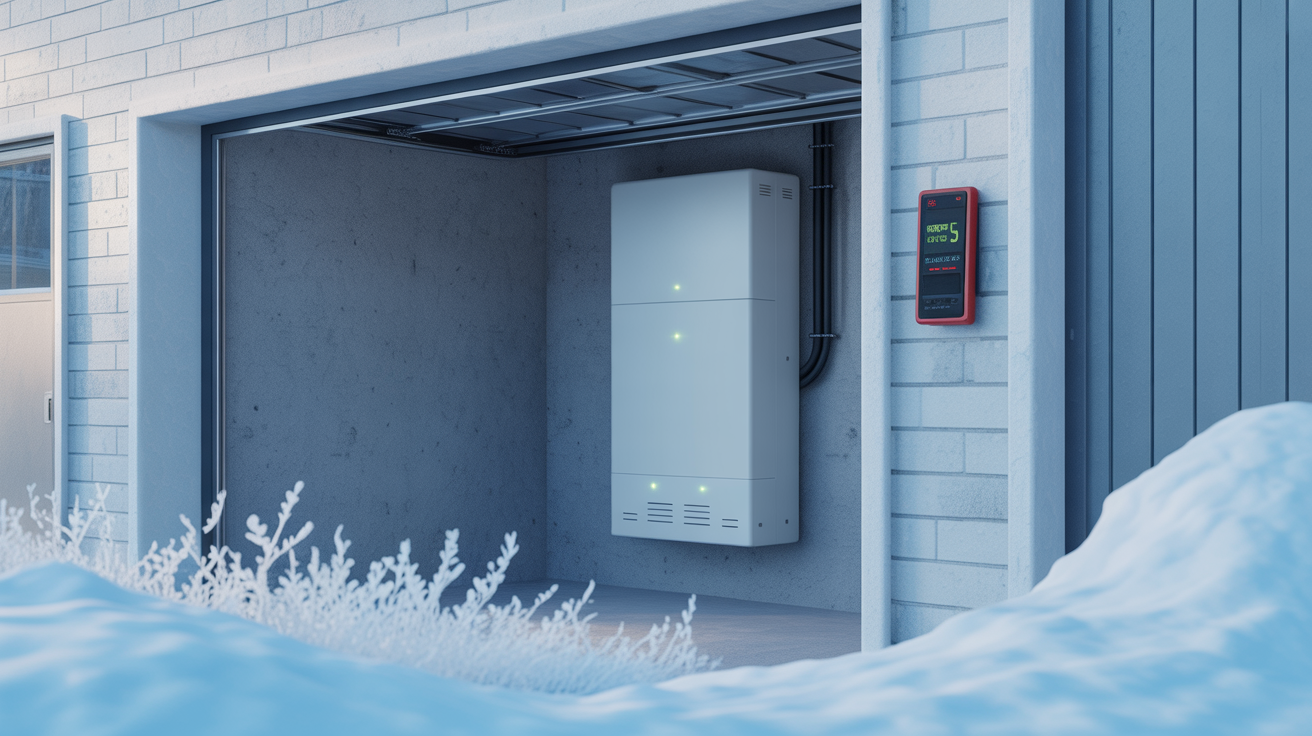
Climate-controlled spaces are ideal: heated basements, insulated garages, utility rooms, or even heated workshops. If you don't have access to consistent heating, use insulated storage boxes or wrap batteries in foam padding to buffer against temperature extremes. For RV owners, marine users, or solar system operators, the best practice is to remove batteries entirely from outdoor installations and bring them into a garage or indoor space where temperatures stay above room temperature.
One critical mistake? Storing batteries near engine compartments, water heaters, or other heat sources. While warmth is generally better than freezing, excessive or fluctuating heat accelerates degradation just as much as extreme cold. Consistency is king.
Preparing Your LiFePO4 Batteries for Winter Storage
Proper prep before storage can add years to your battery's life. Rushing this step or skipping it entirely is one of the most common, and most expensive, mistakes.
Setting the Ideal State of Charge
You might assume fully charging your battery before storage is the safest bet. It's not. The optimal state of charge (SOC) for LiFePO4 winter storage is 50%, not 100%, not empty. A 50% SOC minimizes internal chemical stress and reduces the risk of over-discharge during long periods of inactivity.
Why not fully charge? Storing at 100% SOC keeps the cells at maximum voltage, which accelerates degradation over time. Conversely, letting the battery sit empty or near-empty increases the risk of dropping into dangerously low voltage, where permanent capacity loss can occur. Use a lithium-compatible charger to bring your battery to 50% before disconnecting it.
If you're storing your battery for more than three months, plan to check and recharge it back to 50% SOC every three months. LiFePO4 self-discharge is low, around 2–3% per month in cold conditions, but over a full winter, that can add up. Regular top-ups keep your battery in the safe zone and ready to perform when you need it again.
Disconnecting and Cleaning Your Battery System
Before you stash your battery away, fully disconnect it from all loads, chargers, inverters, and connected systems. Even small parasitic draws from a BMS or connected device can slowly drain the battery over weeks or months.
Next, give your battery terminals a thorough inspection and cleaning. Wipe away any corrosion, dirt, or oxidation using a dry cloth or a slightly damp cloth with isopropyl alcohol. Check all cable connections for wear or damage. Ensure the battery casing is completely dry, moisture is the enemy of long-term storage. Any trapped condensation or dampness can lead to corrosion, BMS malfunctions, or even short circuits.
Once cleaned and disconnected, place your battery in its chosen storage location and double-check that it's stable, secure, and away from potential hazards like water leaks, rodents, or falling objects.
Maintenance Checks During the Winter Months
Storage doesn't mean "set it and forget it." Regular winter maintenance is your insurance policy against nasty surprises in spring.
Plan for monthly visual inspections. Look for any signs of physical damage, swelling, leaks, or corrosion on terminals. Check that the storage environment hasn't changed, no new leaks, temperature drops, or moisture buildup. If you're storing multiple batteries, inspect each one individually.
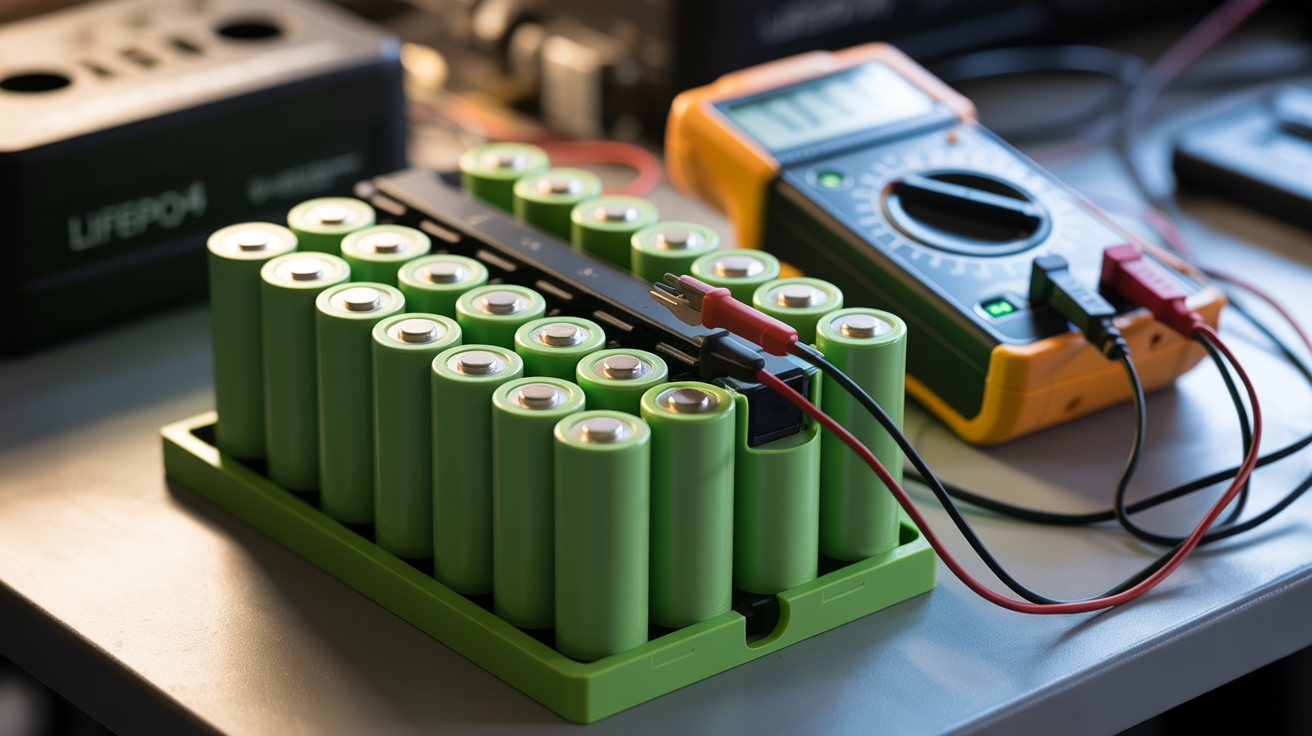
Every three months, perform a charge check and top-up. Use a multimeter or your BMS monitoring system to measure the voltage. If the SOC has dropped noticeably from your initial 50%, recharge it back to that level using a lithium-compatible charger. This simple step prevents the battery from drifting into unsafe low-voltage territory.
Keep an eye on your BMS, too. Some systems have protective features that will shut down the battery entirely if it detects unsafe conditions. If your BMS triggers a shutdown during storage, it's a red flag, investigate immediately. Temperature extremes, over-discharge, or even a firmware glitch could be the culprit.
Finally, when winter ends and you're ready to put your battery back into service, run a full charge/discharge cycle test. Charge it to 100%, let it discharge under a typical load, and monitor performance. This post-winter check confirms that your storage strategy worked and that the battery is ready to deliver reliable power.
For homeowners and businesses using Humless battery energy storage systems, these maintenance practices align perfectly with manufacturer recommendations and help you maximize the 15+ years of proven reliability that quality LiFePO4 systems are known for. Proper winter care isn't just about surviving the season, it's about thriving year after year with energy independence you can count on.
Frequently Asked Questions About LiFePO4 Battery Winter Storage
What is the ideal state of charge for storing LiFePO4 batteries in winter?
The optimal state of charge for LiFePO4 winter storage is 50%, not 100%. This minimizes internal chemical stress and reduces the risk of over-discharge during long periods of inactivity, protecting your battery's capacity and lifespan.
What temperature range should I maintain when storing LiFePO4 batteries for winter?
For long-term winter storage (beyond 90 days), maintain temperatures between 15–35°C (59–95°F), with the ideal range being 15–25°C (59–77°F). Below -10°C (-4°F), electrolyte thickening and potential casing damage become risks.
How often should I check my LiFePO4 battery during winter storage?
Perform monthly visual inspections for damage or corrosion, and recharge to 50% SOC every three months. While self-discharge is low (2–3% per month), regular top-ups prevent the battery from drifting into unsafe low-voltage territory.
Can I store my LiFePO4 battery fully charged for winter?
No. Storing at 100% state of charge keeps cells at maximum voltage, accelerating degradation. Charge to 50% instead, then maintain this level with quarterly recharges during winter storage.
Where should I store my LiFePO4 battery in winter?
Store indoors in climate-controlled spaces like heated basements, insulated garages, or utility rooms. Avoid concrete floors and metal surfaces; use wooden pallets or foam padding. Keep the environment dry, well-ventilated, and shaded from sunlight.
What happens if my LiFePO4 battery's BMS shuts down during winter storage?
A BMS shutdown signals unsafe conditions—likely temperature extremes, over-discharge, or a firmware issue. Investigate immediately. Check your storage environment for temperature drops, moisture buildup, or other hazards, and reconnect the battery to a charger if voltage has dropped dangerously.