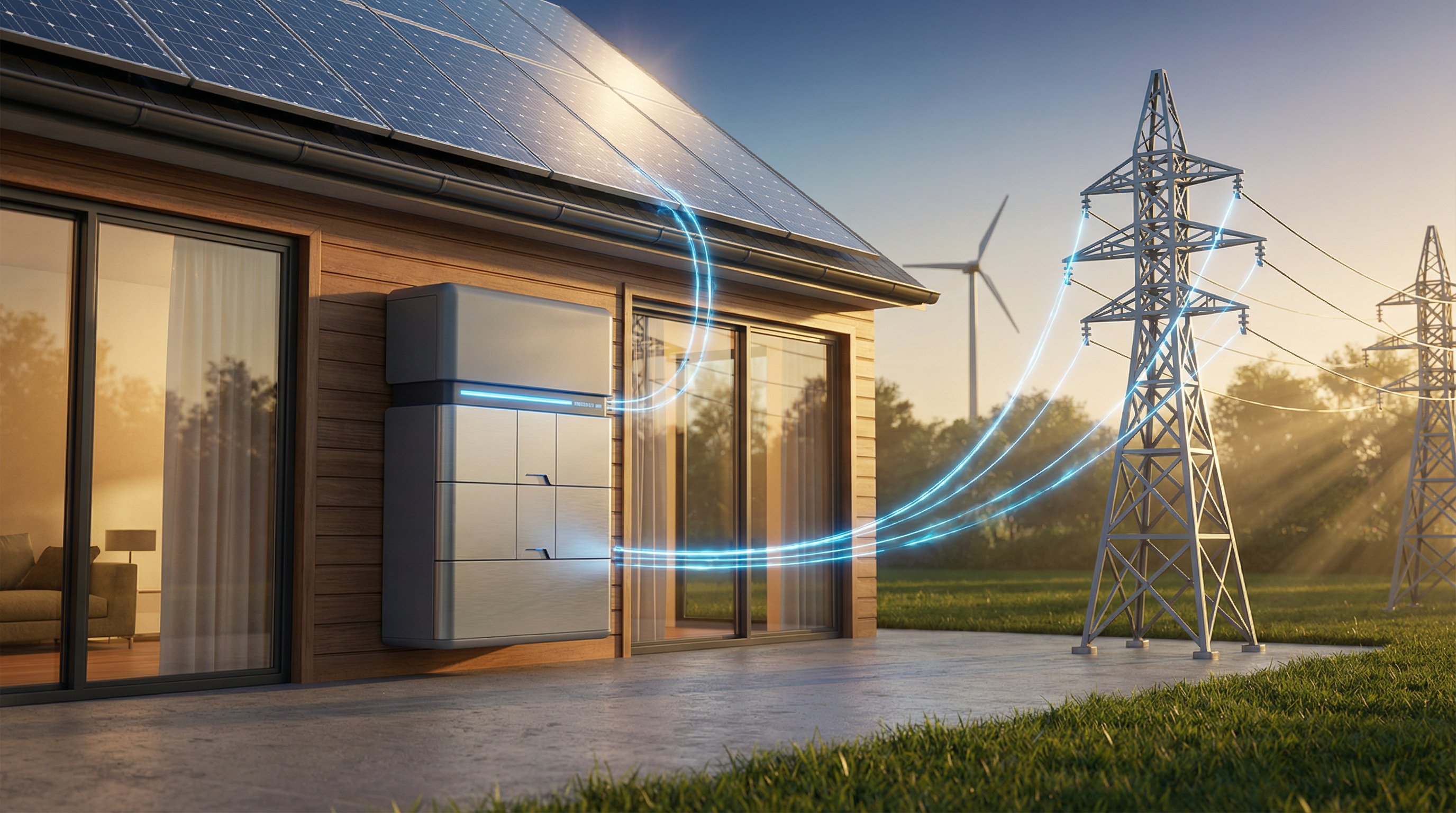
The way we power our homes is changing. With rising electricity costs, increasingly frequent power outages, and the push toward renewable energy, more homeowners and businesses are looking for ways to take control of their energy future. That's where electric grid storage comes in, a technology that's no longer just for utility companies but is now accessible for residential and commercial applications alike. Battery energy storage systems have evolved from niche off-grid solutions to sophisticated, grid-integrated power hubs that work seamlessly with solar panels, wind turbines, and traditional electricity. In 2026, these systems aren't just about backup power anymore: they're reshaping how we think about energy independence, cost savings, and environmental responsibility.
Key Takeaways
- Electric grid storage systems now bring residential battery energy storage to homes and businesses, allowing you to capture excess solar energy during the day and use it during peak-rate evenings for significant cost savings.
- Battery energy storage systems integrate seamlessly with solar panels, wind turbines, and grid power, acting as an intelligent energy hub that automatically stores excess renewable generation and dispatches power within milliseconds when needed.
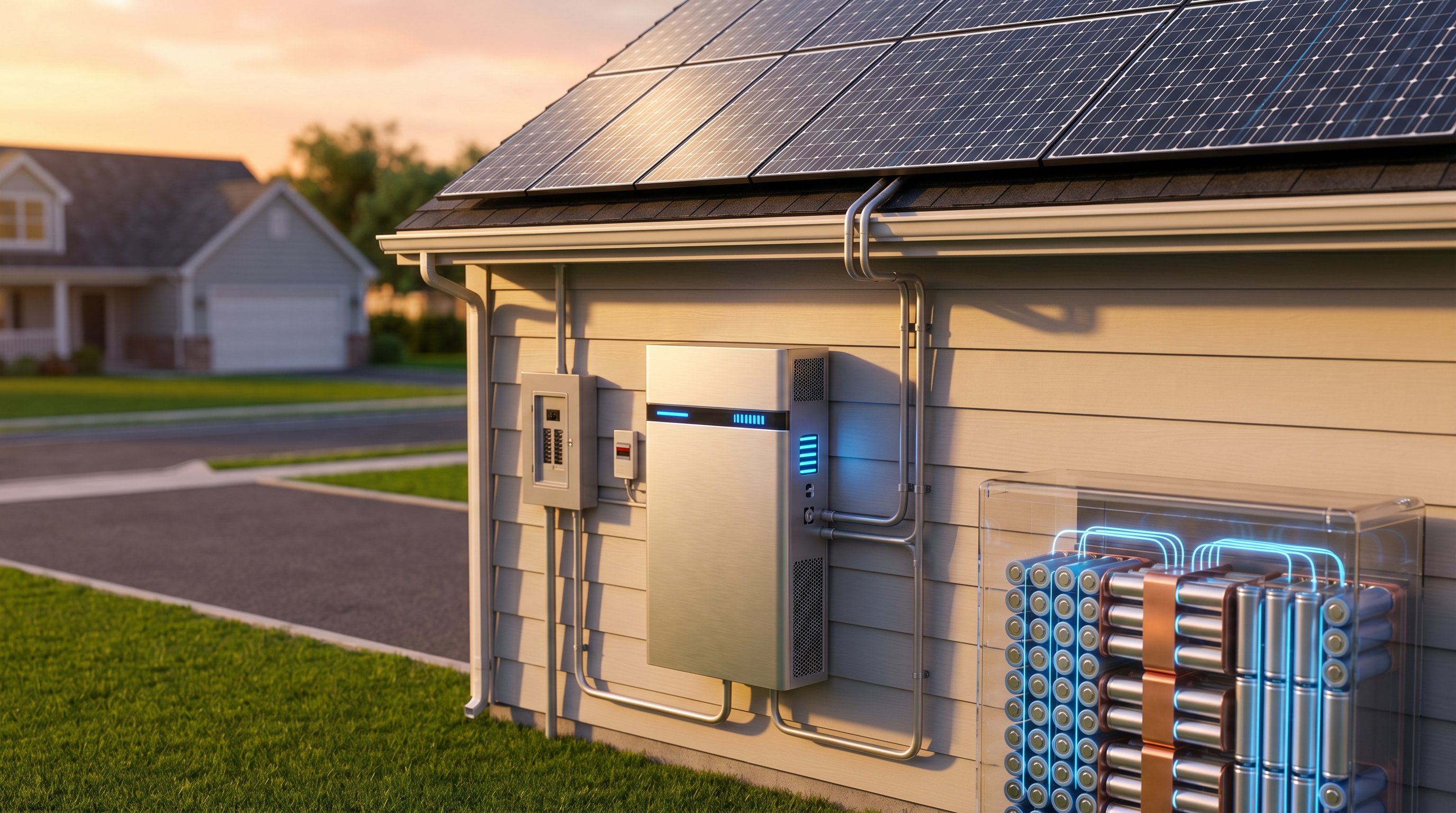
- Lithium-ion batteries, particularly LiFePO4 chemistry, are the most practical choice for homeowners and small businesses, offering short-duration storage (under 8 hours), declining costs, compact designs, and proven safety records.
- Electric grid storage enhances residential resilience by providing seamless backup power during grid outages without requiring a generator, while also reducing reliance on inefficient fossil fuel peaker plants across the broader grid.
- Beyond individual households, distributed residential battery storage creates substantial environmental benefits by supporting the grid transition from fossil fuels to renewable energy and reducing greenhouse gas emissions on a system-wide scale.
What Is Electric Grid Storage and Why It Matters for Homeowners
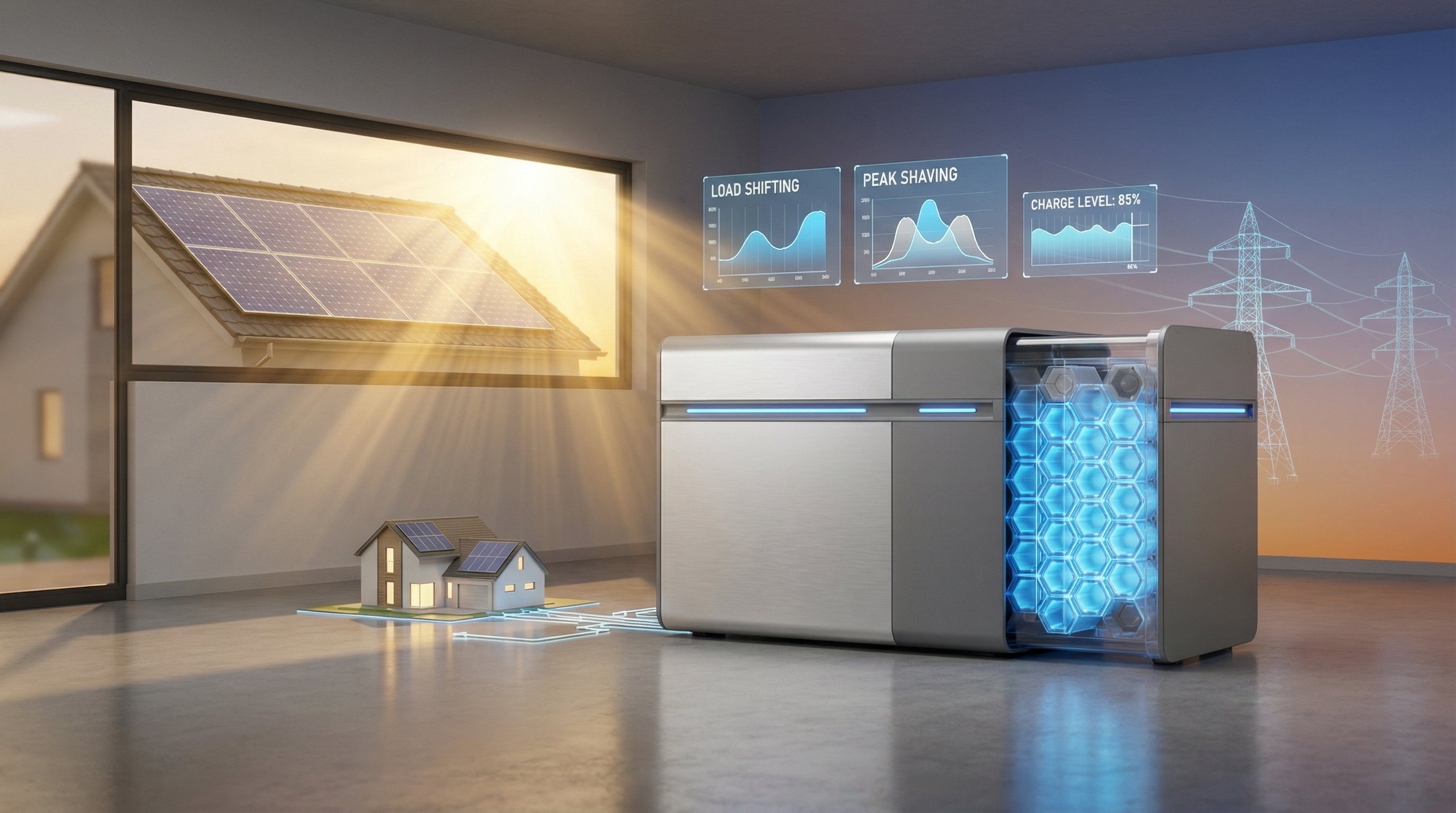
Electric grid storage is essentially a set of technologies connected to the electrical power grid that store energy for later use. Think of it like a savings account for electricity, instead of letting excess power go to waste, these systems capture it when generation exceeds demand and release it precisely when it's needed most.
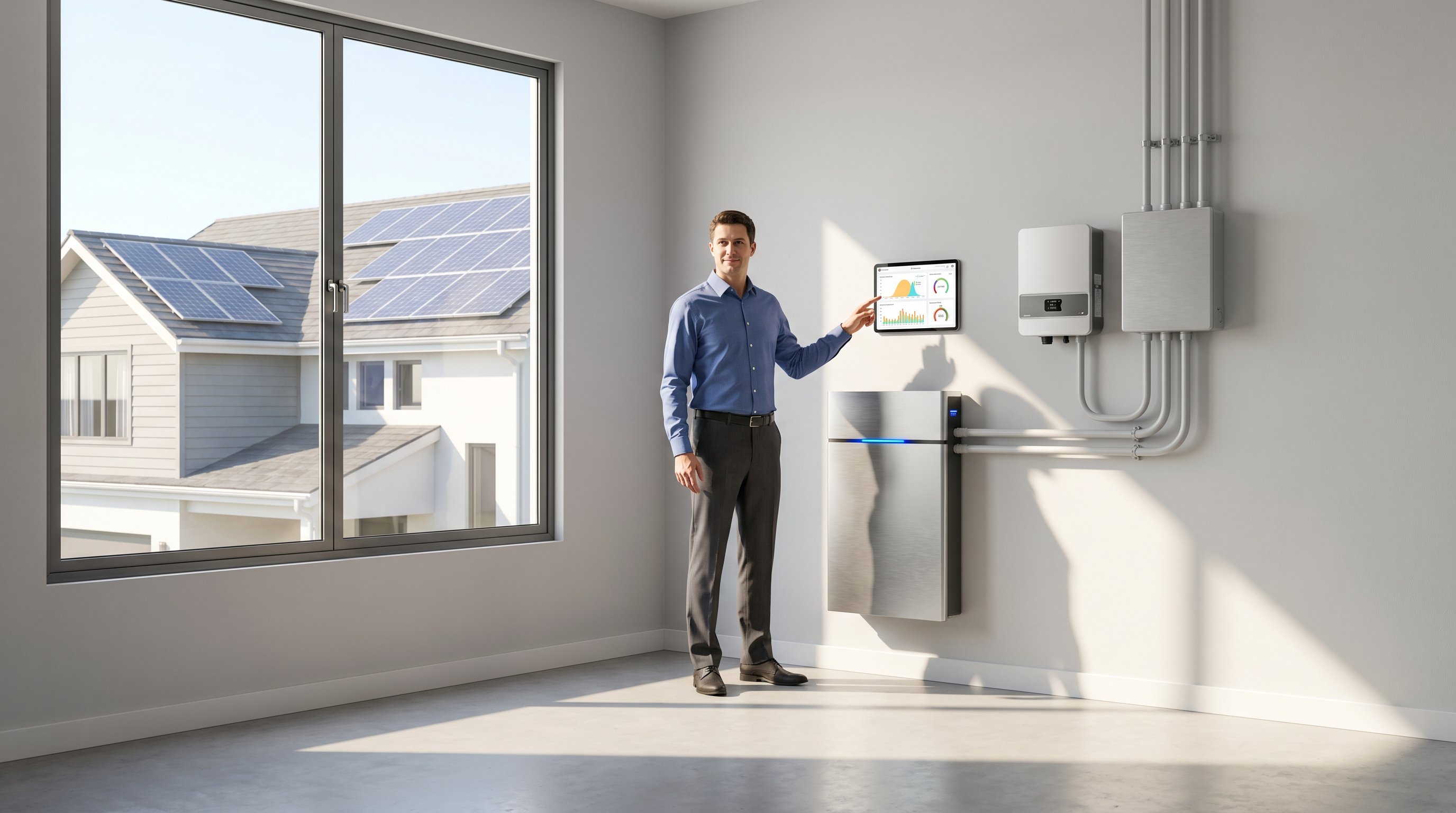
For homeowners, this isn't just an abstract utility-scale concept anymore. Residential battery energy storage systems (BESS) bring this same principle to your property, allowing you to store energy from your solar panels during the day and use it at night, or keep the lights on during grid outages without firing up a noisy generator.
Grid storage serves several critical functions that directly impact your household. First, it helps integrate variable renewable energy sources like solar and wind into the grid. Since the sun doesn't always shine and the wind doesn't always blow, storage bridges those gaps. Second, these systems provide essential grid services such as frequency regulation, keeping the electricity supply stable and reliable. Third, they can assist in restarting the grid after widespread power outages, a capability that's increasingly important as extreme weather events become more common.
From a financial perspective, battery storage reduces electricity costs by letting you (or your utility) save low-cost energy, typically solar power produced during the day, and use or dispatch it when demand and prices spike in the evening. This practice, known as load shifting or peak shaving, can significantly reduce your monthly electric bill, especially in areas with time-of-use rates.
As of 2023, pumped-storage hydroelectricity remains the largest form of grid storage globally, but that's changing rapidly. Behind-the-meter batteries, the ones installed at homes and businesses, and utility-scale lithium-ion battery systems are experiencing explosive growth. Lithium-ion batteries, particularly lithium iron phosphate (LiFePO4) chemistry, excel at short-duration storage (under 8 hours) thanks to declining costs and improving performance. Companies like Humless have been pioneering residential BESS technology since 2010, offering UL certified systems that provide reliable, safe energy storage with proven track records.
For longer-duration needs, flow batteries and compressed air storage are emerging as medium-duration solutions, while green hydrogen and thermal energy storage tackle seasonal or multi-day storage challenges. But for most homeowners and small businesses, lithium-based BESS hits the sweet spot: affordable, compact, safe, and powerful enough to handle daily cycling between solar charging and household consumption.
The real value becomes clear when you consider energy independence. With a properly sized battery energy storage system integrated with solar panels, you're not just cutting costs, you're insulating yourself from grid instability, rate increases, and the uncertainty of relying entirely on your utility. Off-grid property owners have understood this for years, but now grid-tied homeowners are catching on too, opting for hybrid systems that offer the best of both worlds: grid connection when convenient, battery backup when necessary.
How Battery Energy Storage Systems Integrate with Solar, Wind, and Grid Power
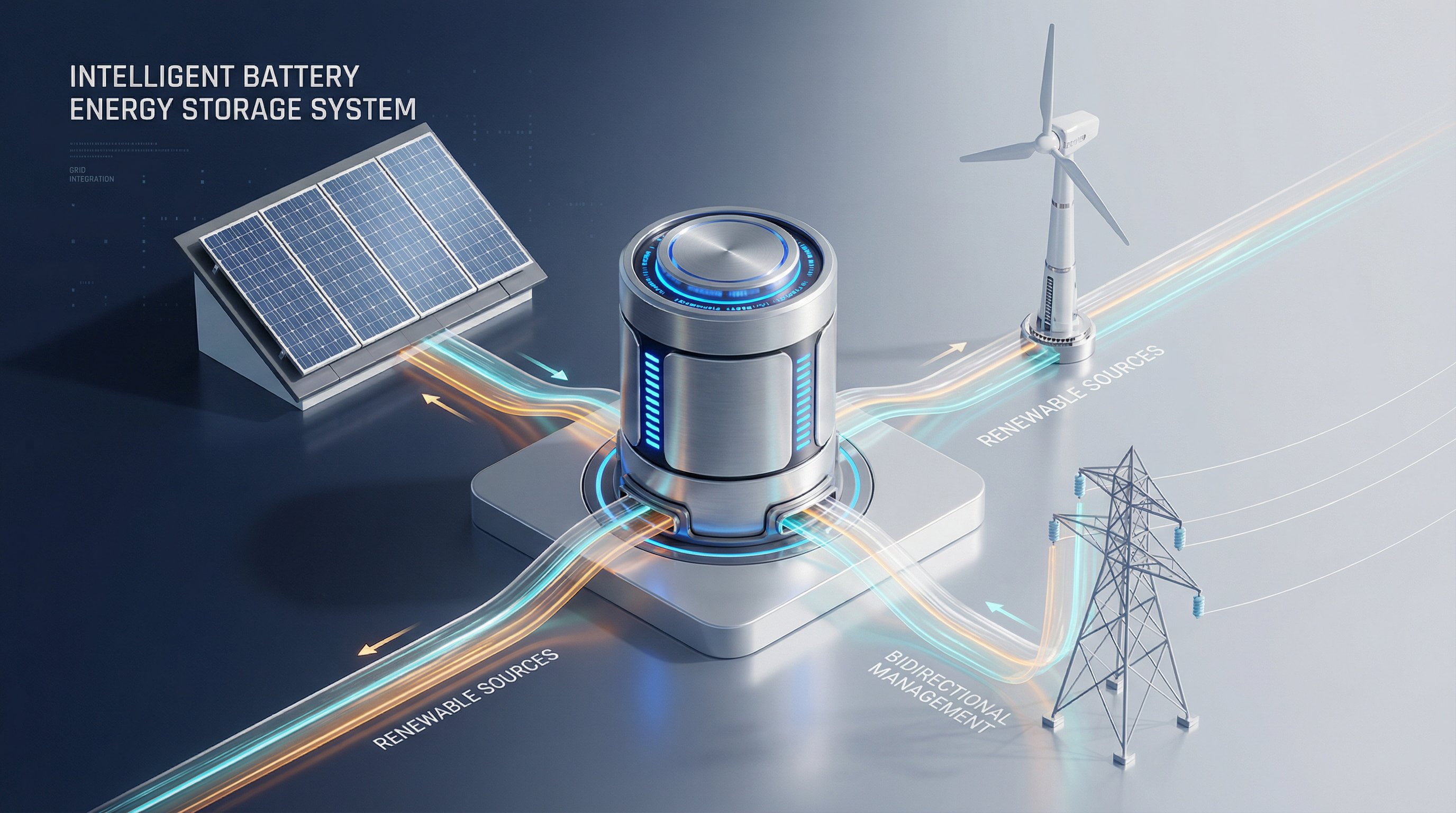
Battery energy storage systems don't operate in isolation, they're designed to work as intelligent energy hubs that coordinate multiple power sources. Whether you're generating electricity from rooftop solar, a small wind turbine, or pulling from the grid, a modern BESS acts as the central nervous system of your energy setup.
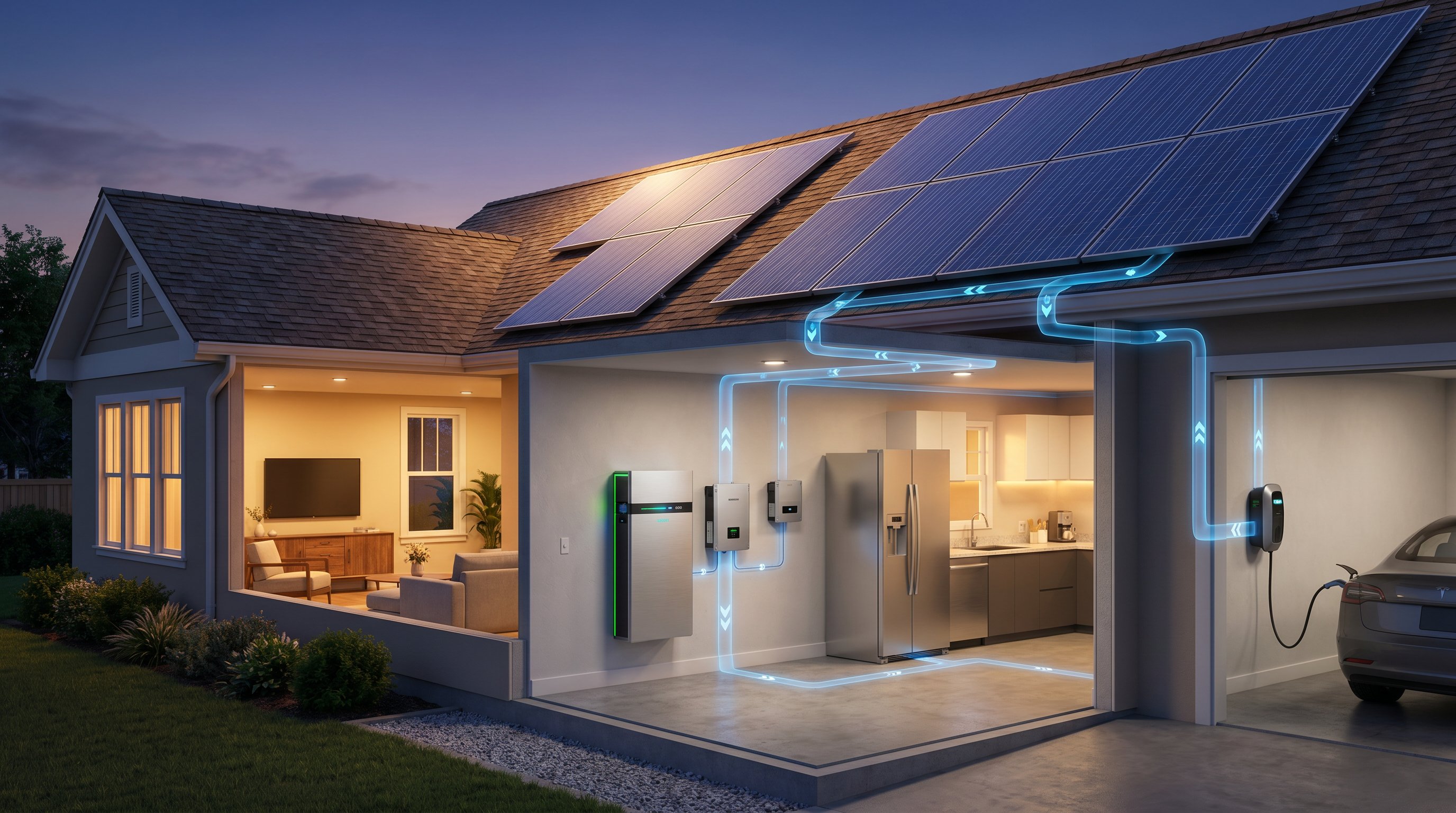
When solar and wind generation exceeds your immediate demand, batteries automatically store the excess. When production drops, say, when the sun sets or wind dies down, the stored energy flows back to power your home. This flexibility allows you to deploy significantly more renewable resources without worrying about wasted energy or blackouts when conditions aren't ideal.
Battery storage is the fastest-responding dispatchable resource available today. Unlike natural gas peaker plants that can take minutes or hours to ramp up, batteries can discharge power in milliseconds and cycle between charging and discharging multiple times daily. This rapid response is crucial for smoothing out the natural variability in renewable energy production and preventing grid congestion.
For homeowners with solar installations, the integration is seamless. During peak sunlight hours, your solar array generates more electricity than you can use. Instead of selling that excess back to the utility at low rates (or in some cases, getting nothing for it), your BESS captures and stores it. Later, when you're cooking dinner and doing laundry, times when electricity rates are typically highest, you draw from your battery instead of the grid. The result? Lower bills and less strain on the broader electrical infrastructure.
Wind integration works similarly, though the timing differs. Wind often blows strongest at night or during storms, times when household demand might be lower. A battery system stores that wind-generated power for use during the day, maximizing the value of your renewable investment.
Grid-tied systems with battery backup offer something even more valuable: resilience. When the grid goes down, whether from storms, wildfires, or equipment failures, your BESS seamlessly takes over, keeping critical loads running without interruption. Systems from manufacturers like Humless are designed for exactly this scenario, providing reliable backup power with 24/7 support to ensure you're never left in the dark.
Beyond individual households, battery storage also reduces reliance on inefficient fossil fuel peaker plants and delays costly infrastructure investments by optimizing existing grid capacity. Utilities are increasingly recognizing that distributed battery storage, thousands of home systems working together, can provide grid services more cost-effectively than building new power plants or transmission lines.
The environmental benefits compound quickly. Combined with solar and wind, storage creates a highly flexible, clean electricity system that reduces air pollution and greenhouse gas emissions. You're not just cutting your own carbon footprint: you're helping accelerate the transition away from fossil fuels across the entire grid.
For businesses and commercial properties, the integration advantages multiply. Demand charge reduction becomes possible, batteries discharge during peak usage periods to keep your maximum draw below costly thresholds. Emergency resilience keeps operations running during outages, protecting revenue and customer service. And for off-grid commercial applications, battery storage paired with solar and backup generators creates a reliable microgrid that eliminates the need for expensive grid extensions.
The technical integration has also become remarkably simple. Modern BESS units are designed for straightforward installation by qualified solar integrators, with built-in inverters, charge controllers, and monitoring systems. Many systems, including those from Humless, offer modular expansion, start with one battery and add more as your needs or budget grow. Smartphone apps provide real-time visibility into energy production, consumption, and storage levels, giving you complete control over your energy independence.
Conclusion
Electric grid storage isn't some distant future technology, it's here, proven, and increasingly affordable. For homeowners, solar installers, and businesses alike, battery energy storage systems represent the practical path to energy independence, cost savings, and resilience. With over 15 years of innovation from pioneers like Humless, today's BESS solutions offer the reliability, safety, and performance needed to take control of your energy future. The grid of tomorrow is distributed, renewable, and stored, and you can be part of it today.
Frequently Asked Questions About Electric Grid Storage
What is electric grid storage and how does it work?
Electric grid storage refers to technologies that store energy for later use, acting like a savings account for electricity. These systems capture excess power when generation exceeds demand and release it when needed most, enabling homeowners and utilities to save low-cost energy and dispatch it during peak demand periods.
How can electric grid storage reduce my electricity costs?
Battery storage enables load shifting and peak shaving by storing solar energy generated during low-cost daytime hours and using it during evening peak rates. This practice, combined with time-of-use pricing, can significantly reduce your monthly electric bill.
What types of battery storage are best for residential applications?
Lithium-ion batteries, particularly lithium iron phosphate (LiFePO4) chemistry, are ideal for residential use due to their affordability, compact size, and reliability for short-duration storage (under 8 hours). They excel at daily cycling between solar charging and household consumption with proven safety records.
How does battery energy storage integrate with solar panels?
Battery storage systems act as intelligent energy hubs, automatically capturing excess solar generation during peak sunlight hours and storing it for use during evening peak-demand times. This seamless integration maximizes renewable energy value and eliminates wasted power.
Can battery storage keep my home running during power outages?
Yes, grid-tied systems with battery backup provide seamless resilience during outages. When the grid fails, battery energy storage systems automatically take over to power critical loads without interruption, offering reliable backup without noisy generators.
What environmental benefits does electric grid storage provide?
Combined with solar and wind, electric grid storage creates a clean electricity system that reduces reliance on fossil fuel plants, lowers air pollution, and decreases greenhouse gas emissions. It accelerates the transition to renewable energy across the entire grid while reducing individual carbon footprints.