
Living off-grid in your campervan means one thing: reliable power isn't a luxury, it's survival. Whether you're charging your phone, running a fridge, or powering lights after sunset, the right solar panel can make or break your adventure. But here's the problem: not all panels are built for the unique demands of campervan life. Curved roofs, limited space, weight restrictions, and the need for portability create challenges that residential solar setups never face. In this guide, we'll walk you through the seven best solar panels for campervans, each tested for real-world performance and tailored to different vanlife needs, from weekend warriors to full-time nomads.
Key Takeaways
- The best solar panel for campervan use depends on your specific needs: choose the Renogy 200W for extended trips, Goal Zero Boulder 100 for portability, or Newpowa 175W for curved roofs.
- Monocrystalline panels deliver higher efficiency per square foot, making them ideal for campervans where roof space is limited and reliable power is essential.
- Flexible solar panels offer lightweight, low-profile installation for curved roofs but have shorter lifespans (5–10 years) compared to rigid panels (20+ years).
- SunPower's Maxeon technology achieves 22%+ efficiency ratings, making it the best choice when maximum energy density from minimal roof space is your priority.
- Pairing your best solar panel for campervan with a battery energy storage system (BESS) maximizes off-grid capability and ensures reliable backup power during cloudy weather or heavy usage.
- Budget-friendly options like Rich Solar 200W provide solid monocrystalline performance without premium costs, making them excellent entry points for first-time vanlife solar builds.
1. Renogy 200W Monocrystalline Solar Panel: Premium Efficiency for Extended Trips
When you're planning extended off-grid trips, the Renogy 200W monocrystalline panel stands out as the workhorse you can trust. This panel consistently delivers on its promise, with real-world testing showing an average output of 192W during charging cycles and around 177W in sunny field conditions. That's impressive efficiency for a 200W-class panel.
What makes Renogy the go-to choice for serious vanlifers? It's the combination of proven performance, portability, and value. Reviewers consistently call it excellent value in the 200W category, and for good reason, it handles the demanding power needs of refrigerators, laptops, and lighting without breaking a sweat.
The monocrystalline cells deliver higher efficiency per square foot compared to polycrystalline alternatives, which is critical when your roof real estate is limited. And because it's a rigid panel, you get better long-term durability and mounting options compared to flexible models.
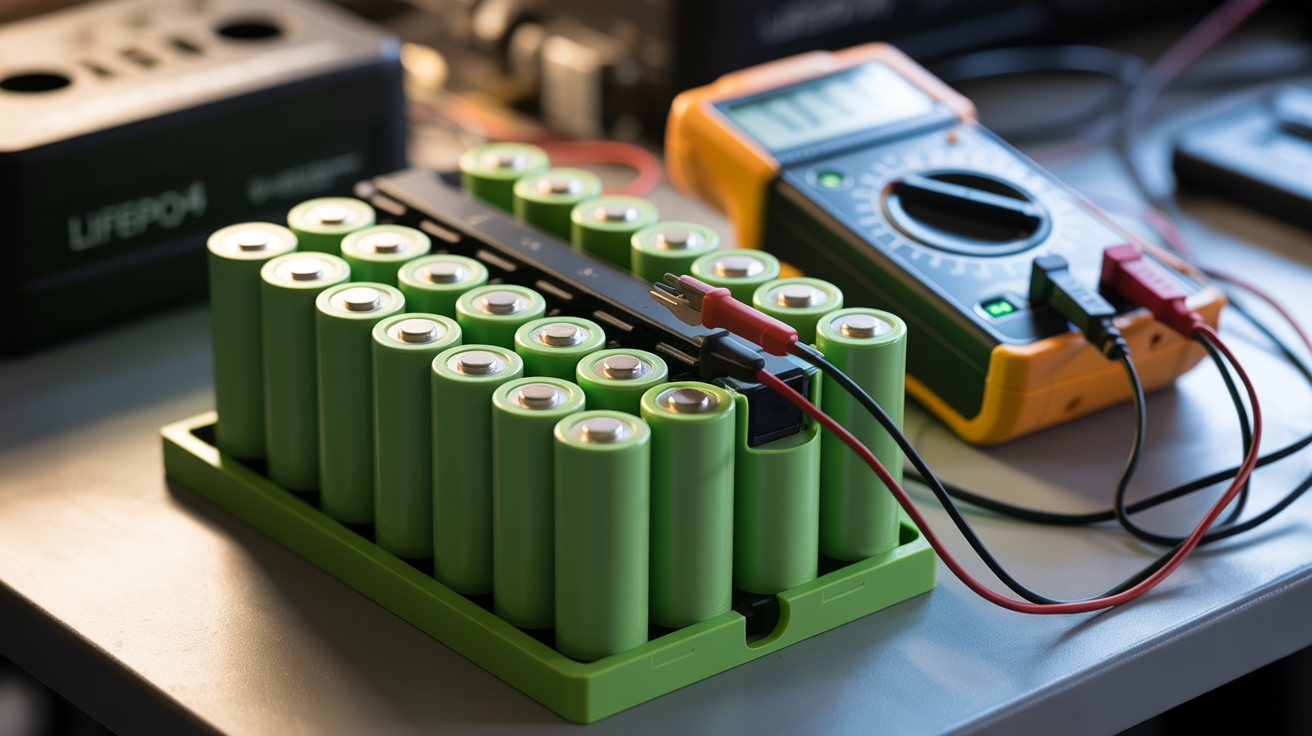
If you're running a battery energy storage system like Humless BESS in your campervan, pairing it with the Renogy 200W creates a powerful off-grid setup. The panel feeds consistent energy into your LiFePO4 battery storage, ensuring you have reliable backup power even during cloudy stretches or heavy usage days.
Power Output and Space Efficiency
The Renogy 200W delivers excellent energy density for the space it occupies. At roughly 64.6" x 26.6" x 1.4", it fits comfortably on most campervan roofs without eating up too much precious space. The monocrystalline technology means you're squeezing more watts per square inch than you would with lower-grade panels.
In practical terms, this panel can fully charge a 100Ah battery in 4–5 hours of strong sunlight, depending on your charge controller and system efficiency. That's enough to keep your essentials running and your energy independence intact, even when you're parked in the backcountry for days.
For those serious about energy storage solutions, this panel integrates seamlessly with modern BESS systems, maximizing your solar battery storage potential and giving you true control over your power supply.
2. Goal Zero Boulder 100 Briefcase: Best Portable Solution for Part-Time Vanlifers
Not everyone lives in their campervan full-time. If you're a weekend warrior or part-time vanlifer, the Goal Zero Boulder 100 Briefcase offers the perfect balance between portability and performance. This folding solar panel is designed for easy setup and takedown, making it ideal for those who need flexible power without permanent roof installation.
The briefcase design means you can position the panel in direct sunlight even when your van is parked in the shade, a game-changer for campsite flexibility. The built-in kickstand makes angling toward the sun effortless, and the integrated charge controller simplifies the entire setup process.
With 100W of power output, it's not going to replace a full rooftop array, but it's more than enough to top off your battery energy storage system, charge devices, and run smaller appliances. And when you're done? It folds up neatly and stows away without occupying permanent roof space.
For campervan owners who value modularity and ease of use over maximum power, the Goal Zero Boulder 100 Briefcase is hard to beat. Pair it with a portable power station or a compact Humless BESS unit, and you've got a lightweight, grab-and-go energy solution that adapts to your lifestyle.
3. Newpowa 175W Flexible Solar Panel: Lightweight Design for Curved Roofs
Campervan roofs aren't always flat. If you're working with a curved or irregular roof surface, the Newpowa 175W flexible solar panel is your best bet. Weighing significantly less than rigid panels and able to bend up to 30 degrees, this panel conforms to surfaces that would make traditional panels impossible to install.
Flexible panels like the Newpowa 175W are perfect for weight-conscious builds. If you're trying to keep your campervan light for better fuel economy or you're pushing weight limits, every pound matters. This panel delivers 175W of power without the bulk or heft of traditional glass-and-aluminum frames.
The trade-off? Flexible panels generally don't last quite as long as rigid monocrystalline panels, and they can be more sensitive to heat buildup since they sit flush against the roof. But for campervans with limited mounting options or strict weight requirements, the Newpowa 175W is a solid choice.
Installation Advantages and Durability
Installing the Newpowa 175W is refreshingly simple. Most vanlifers use industrial-strength adhesive or VHB tape to secure the panel directly to the roof, no drilling, no brackets, no fuss. This low-profile installation also reduces wind resistance and noise while driving, which rigid panels can't always claim.
Durability-wise, expect a lifespan of 5–10 years with proper care, compared to 20+ years for high-quality rigid panels. The flexible panels are more vulnerable to micro-cracking and degradation from constant flexing, but if you need the form factor, it's a worthwhile compromise.
For energy storage integration, the Newpowa 175W works well with off-grid power systems and solar battery storage setups. Just make sure your battery energy storage system can handle the variable input that comes with flexible panel installations.
4. SunPower 170W Maxeon: Maximum Energy Density for Limited Roof Space
When roof space is at an absolute premium, the SunPower 170W Maxeon panel delivers the highest energy density you can get. SunPower's Maxeon cell technology is widely recognized as the most efficient solar cell on the market, squeezing more power out of every square inch than any competitor.
This panel is perfect for compact campervans, Sprinter builds with roof racks, or anyone who needs maximum power output from minimal surface area. The Maxeon cells achieve efficiency ratings above 22%, compared to the industry average of around 15–18%. That means you're getting 170W from a panel that's physically smaller than most 150W alternatives.
The build quality is exceptional, too. SunPower panels are known for long lifespans and superior performance in low-light conditions, critical for vanlife, where you're not always parked in direct sun. If you're investing in a premium energy storage solution like a Humless BESS system, pairing it with SunPower panels ensures you're maximizing every watt your roof can capture.
Yes, the SunPower 170W Maxeon costs more upfront. But if space is your limiting factor and you want the best solar panel for campervan use in a compact package, this is the one to choose.
5. Rich Solar 200W Rigid Panel: Budget-Friendly Performance Without Compromise
Not everyone has a premium budget for their campervan solar setup, and that's where the Rich Solar 200W rigid panel shines. This panel offers solid performance at a price point that won't drain your build budget, making it one of the best solar panels for campervan owners who need reliable power without very costly.
Rich Solar panels are built with monocrystalline cells, so you're still getting respectable efficiency and durability. While they may not match the cutting-edge performance of SunPower or the brand recognition of Renogy, they deliver dependable power output that's more than sufficient for most vanlife needs.
The rigid aluminum frame means easy roof mounting, long-term durability, and resistance to the elements. And because it's a 200W panel, you're getting enough juice to run a fridge, charge devices, and power lights, even with occasional cloudy weather.
For campervan owners building their first solar system or working within a tight budget, the Rich Solar 200W is an excellent entry point. Pair it with an affordable battery energy storage system, and you've got a complete off-grid power solution that won't compromise your vanlife dreams.
Frequently Asked Questions About Solar Panels for Campervans
What is the best solar panel for a campervan?
The best solar panel depends on your needs. The Renogy 200W monocrystalline panel is ideal for extended trips, delivering 192W average output with excellent space efficiency. For portability, choose the Goal Zero Boulder 100 Briefcase; for curved roofs, the Newpowa 175W flexible panel works best.
How much power output does a campervan solar panel need?
Most campervans need 100–200W for essential loads like charging devices, running a fridge, and powering lights. The Renogy 200W can fully charge a 100Ah battery in 4–5 hours of strong sunlight, providing reliable backup power for extended off-grid trips.
Can I use a flexible solar panel on a curved campervan roof?
Yes, flexible panels like the Newpowa 175W are ideal for curved roofs. They bend up to 30 degrees, weigh less than rigid panels, and install with adhesive—no drilling needed. However, expect 5–10 year lifespan versus 20+ years for rigid monocrystalline panels.
What is the difference between monocrystalline and flexible solar panels?
Monocrystalline panels (like Renogy and SunPower) offer higher efficiency per square foot, superior durability, and 20+ year lifespans with rigid frames for stable mounting. Flexible panels are lighter and conform to curved surfaces but have shorter lifespans and lower long-term durability.
How do I choose between a portable and fixed campervan solar panel?
Use portable panels (Goal Zero Boulder) if you park part-time and value flexibility—they fold for storage and position in direct sun. Choose fixed rooftop panels (Renogy, SunPower) for full-time vanlife requiring permanent, weather-resistant installation and maximum daily energy capture.
Is SunPower 170W better than Renogy 200W for campervans?
SunPower's 170W Maxeon excels when roof space is extremely limited, offering 22%+ efficiency density. Renogy's 200W provides higher total wattage at better value and proven vanlife performance. Choose SunPower for compact builds; choose Renogy for balanced power, affordability, and extended off-grid trips.