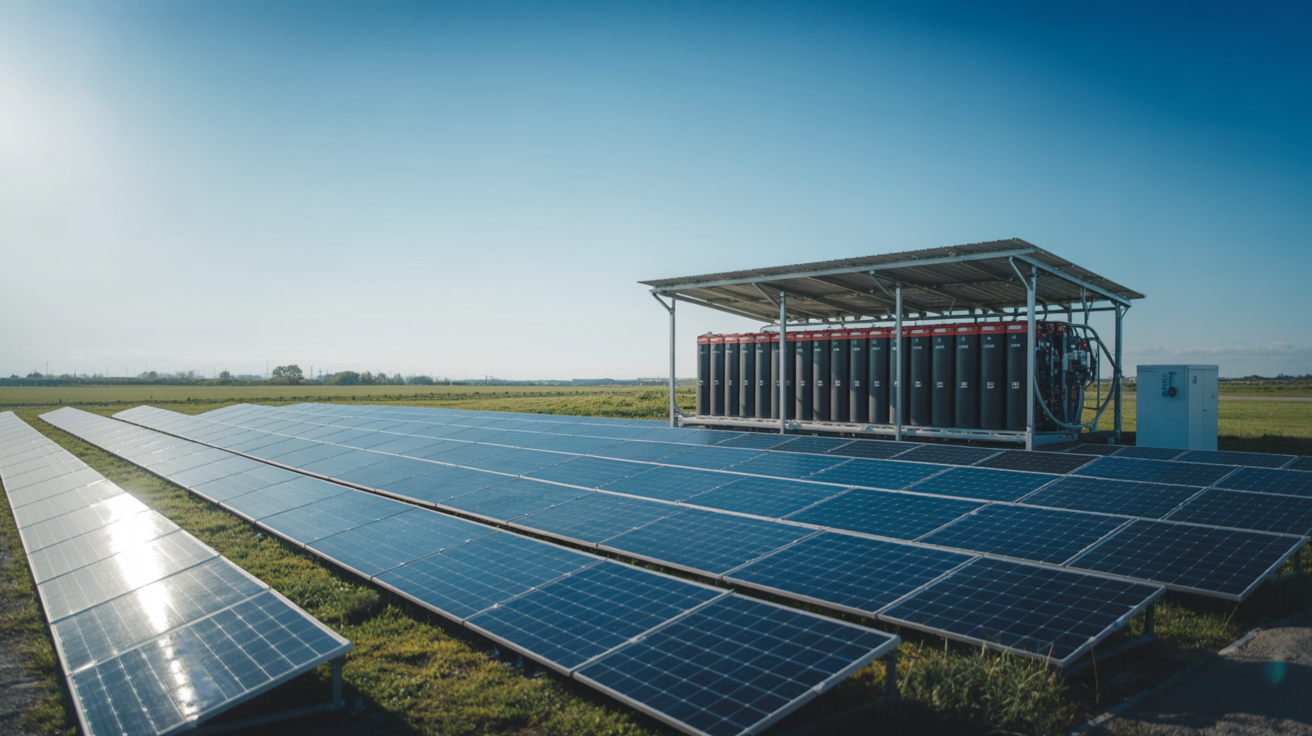
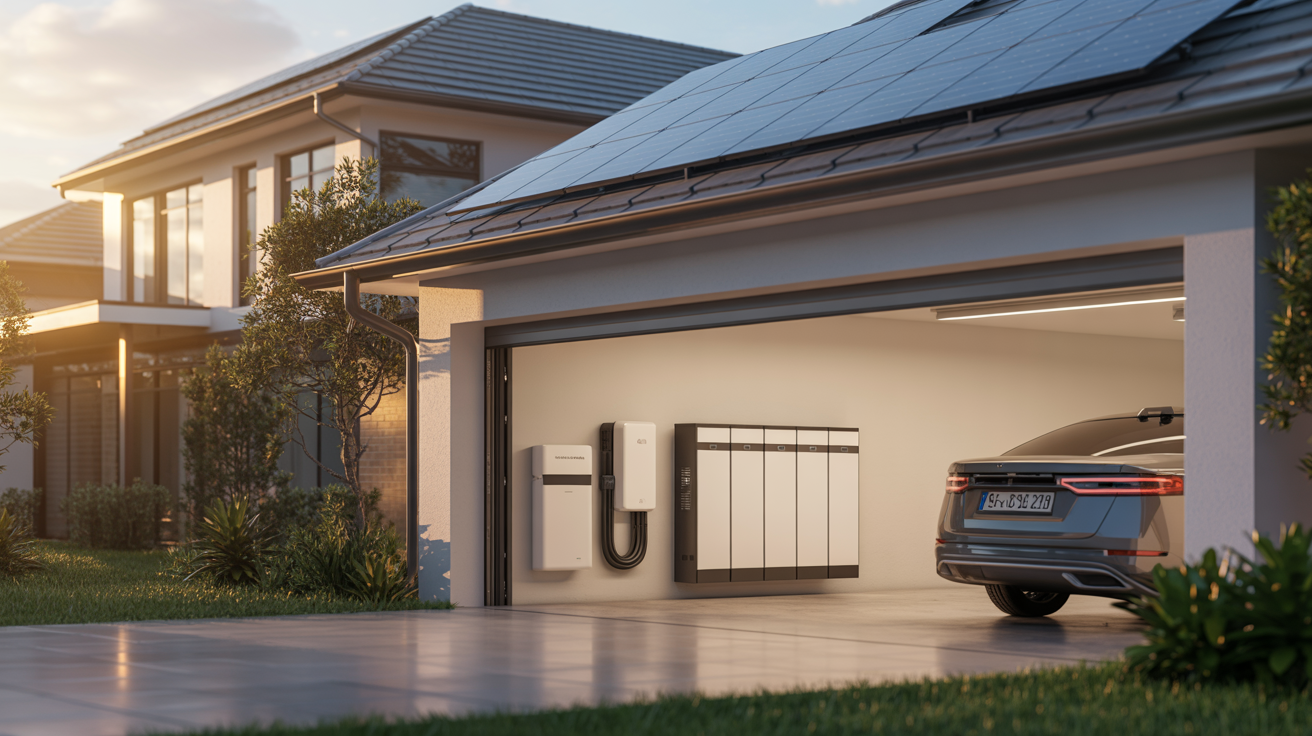
Freedom tastes different when you're deep in the backcountry, sunrise painting the desert red, and your coffee's brewing on full electric, no gas fumes, no generator rattle. That's the promise of a 4000 watt solar generator for your RV: power independence that doesn't compromise comfort or quiet. These portable powerhouses combine solar panels, high-capacity batteries, and robust inverters to deliver clean, reliable electricity wherever your wheels take you. Whether you're running the air conditioner on a scorching afternoon or keeping the lights on during a week-long boondocking adventure, a 4 kW solar generator gives you the freedom to roam without being tethered to shore power or noisy fuel-burning alternatives.
Key Takeaways
- A 4000 watt solar generator for RV use delivers silent, emission-free power that matches the ~3600W capacity of typical 30-amp RV electrical systems while supporting modern appliances like air conditioners, microwaves, and laptops simultaneously.
- LiFePO4 battery technology with 3500–4000+ charge cycles provides the best durability, safety, and temperature performance for long-term RV boondocking, with most units offering 4–5 kWh base capacity and expandable battery modules up to 48 kWh.
- Proper sizing requires calculating daily watt-hour consumption (appliances × hours per day), adding 20–30% headroom for losses, and ensuring your solar array of 1200–1600W can replenish daily use in real-world conditions.
- Pure sine-wave inverters with surge ratings of 6000–7200W handle high-inrush devices like A/C compressors and refrigerator motors, which can briefly demand 2–3 times the unit's continuous wattage.
- Solar generators eliminate fuel costs, maintenance burdens, and noise restrictions that plague traditional gas/diesel gensets, while offering eco-friendly off-grid freedom and potential whole-home backup power integration.
- Installation ranges from simple 30-amp RV outlet plug-and-play to integrated hardwired systems with manual transfer switches, all requiring proper ventilation and firmware configuration for safe, reliable operation.
What Is a 4000 Watt Solar Generator and Why RVers Need One
A 4000 watt solar generator is a self-contained energy system that merges solar charging capability, a lithium battery bank, and a powerful inverter rated to deliver roughly 4000W of AC output. Unlike old-school gas generators, these units harvest sunlight to recharge, run silently, and produce zero emissions, making them a game-changer for RVers who value stealth camping and environmental responsibility.
For context, most 30-amp RV electrical systems max out around 3600 watts (30A × 120V). A 4 kW generator hence sits right in the sweet spot: it can handle typical RV loads, lights, refrigerator, TV, water pump, and even microwave or induction cooktop, with headroom to spare. Many models also boast surge ratings of 6000 to 7200 watts, which matters when you're starting up high-inrush devices like air conditioners or refrigerator compressors.
Why do RVers need this much power? Because modern RV life isn't just about parking under the stars with a lantern. You want to run your laptop, charge camera batteries, keep the fridge cold, maybe brew espresso or air-fry dinner. And if you're boondocking in Arizona summer heat, you'll want that A/C without idling a diesel generator for hours. A 4000W solar generator delivers that freedom, letting you stay off-grid longer while enjoying home-like comforts.
Key Features to Look for in a 4000W RV Solar Generator
Not all 4 kW units are created equal. When you're shopping, pay attention to a few critical specs that'll determine whether you get reliable power or buyer's remorse.
First, continuous output versus surge capacity. A generator labeled "4000W" should sustain that output continuously, but check the fine print, some manufacturers quote peak or surge wattage. Look for units that clearly state 4000W continuous and offer 6000–7200W surge for starting compressors and motors.
Second, port versatility. You'll want multiple AC outlets (ideally four or more), dedicated RV outlets (like a 30A TT‑30 receptacle), plus an array of DC and USB ports. USB-C Power Delivery ports are a bonus for fast-charging phones and laptops. This flexibility means you can power everything from a blender to a drone simultaneously without daisy-chaining extension cords.
Third, charging speed. Modern solar generators support both AC wall charging and solar input. The best models accept 1800–3000W from the grid (for a quick pre-trip top-up) and up to 3000W of solar panels. Fast recharge times, under two hours from AC, or a full day from solar in good sun, keep you mobile and ready.
Finally, expandability. Some systems let you parallel additional battery modules to scale from 4–5 kWh up to 20 or even 48 kWh. If you plan extended off-grid stays or want to power larger loads longer, modular expansion is a must-have feature.
Battery Capacity and Chemistry
Battery tech is where rubber meets road. The gold standard today is LiFePO4 (lithium iron phosphate). LFP cells offer 3500 to over 4000 charge cycles, meaning a decade-plus of daily use. They're also inherently safer than other lithium chemistries, less prone to thermal runaway, and perform better in temperature extremes, which matters when your RV bakes in the sun or freezes overnight.
Typical base capacity for a 4000W solar generator sits around 4000–5040 watt-hours (4–5 kWh). That's enough to run a 1500W space heater for three hours, or keep your fridge, lights, and electronics humming all evening. But if you're running an air conditioner or cooking on electric, you'll burn through that faster. That's why expandable battery packs are so valuable, you can double, triple, or quadruple your stored energy without buying a second generator.
When evaluating capacity, think in terms of usable watt-hours. Some manufacturers quote total capacity but limit depth of discharge to protect battery longevity. A quality LFP unit will let you use 90–95% of rated capacity safely.
Inverter Type and Surge Capacity
The inverter is the heart that converts DC battery power into AC electricity. Insist on a pure sine-wave inverter, it produces clean power identical to what comes out of your wall socket at home, safe for sensitive gear like laptops, CPAP machines, and modern RV control boards.
Surge capacity deserves a second look. Starting an RV air conditioner can demand 2–3× the unit's running wattage for a few seconds. If your A/C draws 1800W running but needs 5400W to start, a 4000W continuous / 7200W surge generator will handle it: a unit with only 5000W surge might falter. Check the specs of your highest-inrush appliances and match surge ratings accordingly.
How to Size Your Solar Generator for RV Power Needs
Sizing isn't guesswork, it's simple math plus a bit of safety margin. Start by listing every device you'll run and its wattage. Your RV fridge might pull 150W, LED lights another 50W, laptop 65W, microwave 1200W, and so on. Multiply each device's watts by the hours per day you'll use it to get watt-hours.
For example:
- Fridge: 150W × 24h = 3600 Wh
- Lights: 50W × 5h = 250 Wh
- Laptop: 65W × 4h = 260 Wh
- Microwave: 1200W × 0.25h = 300 Wh
Total daily consumption: ~4410 Wh
Now add 20–30% headroom for inverter efficiency losses and unexpected loads. That brings you to about 5300–5700 Wh. A base 4–5 kWh generator would be tight: adding one expansion battery (another 4–5 kWh) gives you comfortable runway.
Next, confirm the peak simultaneous load doesn't exceed your inverter's continuous rating. If you might run the microwave (1200W) and A/C (1800W) at once, that's 3000W, well within 4000W capacity. But if you're on a 30-amp RV service, remember the theoretical max is 3600W, so a 4 kW inverter provides the right ceiling.
Finally, ensure your solar array can replenish daily use. If you consume 4400 Wh per day and get five peak sun hours, you need at least 880W of panels (4400 ÷ 5) to break even. In practice, aim for 1200–1600W of solar to account for cloudy days and panel angle losses.
Installation and Integration with Your RV Electrical System
Integrating a 4000W solar generator into your RV can be as plug-and-play or as custom as you like. The simplest approach: if your generator has a 30-amp RV outlet (TT‑30), you can plug your shore-power cord directly into it. Flip your RV's main breaker, and the whole coach runs off the generator, no wiring changes needed.
For a more permanent setup, install a manual transfer switch or inlet panel. Mount the inlet on the outside of your RV, wire it to the transfer switch inside, and connect selected circuits (or your entire panel). When you want solar power, flip the switch from shore to generator: when you're at a campground, flip it back. This setup keeps the generator outside or in a storage bay and reduces cable clutter.
Some RVers choose to hardwire the generator and integrate it with the existing solar charge controller and house batteries, essentially treating the portable unit as a large battery bank and inverter. This approach requires electrical know-how, proper breaker sizing, and attention to wire gauge (4000W at 12V can pull over 300 amps, so thick cables and bus bars are mandatory).
Whichever route you take, follow the manufacturer's guidelines on ventilation and placement. Lithium batteries are safer than lead-acid, but they still shouldn't be baked in a sealed compartment or exposed to freezing without low-temperature cutoffs. Ensure firmware and BMS settings match your use case, and always test the system at home before heading into the wilderness.
Benefits of Solar Generators vs. Traditional RV Generators
The contrast between a 4000W solar generator and a traditional gas or diesel genset is night and day, literally. Combustion generators are loud (often 60–70 dB), spew exhaust, guzzle fuel, and demand regular oil changes, air-filter swaps, and carburetor cleanings. Solar generators, by comparison, are whisper-quiet (just the hum of cooling fans under heavy load), produce zero emissions, and require virtually no maintenance beyond occasional firmware updates.
That silence matters more than you might think. Many campgrounds and public lands have strict quiet hours or outright generator bans. A solar setup lets you stay compliant, be a good neighbor, and avoid the 6 a.m. wakeup call of a two-stroke engine clattering to life three sites over.
From a cost perspective, fuel-free operation adds up. A gas generator burning a gallon every few hours at $4/gallon can cost hundreds per season: sunlight is free. Over the 10+ year lifespan of quality LiFePO4 batteries, 3500 to 4000+ cycles, you'll recoup the higher upfront investment and then some.
Solar generators also pull double duty. When you're not on the road, units like those from Humless can serve as whole-home backup power during outages, seamlessly integrating with residential solar, grid, or wind sources. That versatility makes a 4 kW solar generator a smart long-term play for energy independence, whether you're parked in the driveway or off the grid in Utah's slickrock country.
Finally, there's the eco-factor. Running on sunshine instead of fossil fuels shrinks your carbon footprint and aligns with the values many RVers hold: respect for nature, leave-no-trace ethics, and sustainable adventure. It's hard to beat the feeling of knowing your evening margarita was blended with photons instead of petroleum.
Frequently Asked Questions About 4000 Watt Solar Generators for RVs
What is a 4000 watt solar generator and why do RVers need one?
A 4000 watt solar generator combines solar panels, a lithium battery bank, and an inverter to deliver clean, quiet off-grid power. RVers use them to run appliances like air conditioners, microwaves, and refrigerators without fuel, emissions, or noise—perfect for boondocking and staying compliant with campground quiet hours.
Can a 4000 watt solar generator power an RV air conditioner?
Yes, a 4000W continuous generator with 6000–7200W surge capacity can start and run RV air conditioners. A/C units typically draw 1800W running but need 2–3× that for startup, so the surge rating is critical. Always verify your specific A/C's peak demand against the generator's specs.
How long will a 4000 watt solar generator run on a full charge?
Runtime depends on load and battery capacity. A base 4–5 kWh unit running typical RV appliances (fridge, lights, laptop) might last 8–12 hours; heavy loads like microwaves or A/C reduce this significantly. Expandable battery packs can double or triple runtime for extended off-grid stays.
What's the best battery type for a 4000W RV solar generator?
LiFePO4 (lithium iron phosphate) is the gold standard. It offers 3500–4000+ charge cycles (10+ years of daily use), superior safety, excellent temperature performance, and lets you safely use 90–95% of capacity. Avoid older lead-acid options due to shorter lifespan and lower performance.
How do I install a 4000 watt solar generator in my RV?
The simplest setup: plug your RV's shore-power cord into the generator's 30A RV outlet. For permanent integration, install a manual transfer switch or inlet panel on your RV exterior, wired to selected circuits or your whole panel. Always follow manufacturer guidelines on ventilation, wire sizing, and placement.
How much solar panel capacity do I need with a 4000W generator?
Size your solar array to replenish daily consumption. If you use 4400 Wh daily and get five peak sun hours, aim for at least 880W of panels minimum, but 1200–1600W is better to account for cloudy days and angle losses. This ensures reliable recharging for continuous off-grid freedom.